10 Honest Reasons Why You Need A Wedding Planner
Let me be upfront about something before we get into this: I am a wedding photographer, not a wedding planner. My job is to show up on your wedding day with a camera and make images that tell the story of everything that happens. But after 17 years of photographing weddings — across Utah, the Pacific Northwest, France, Italy, Iceland, Ireland, Hawaii, and beyond — I have developed a very clear and very consistent opinion about wedding planners, and it is this: hiring a great planner is the single best decision most couples make in the entire planning process, and the couples who skip it almost always wish they had not.
In this post, we will explore the reasons why you need a wedding planner, emphasizing their role in stress reduction and enhancing the overall experience of your big day.
I say this not as someone who has a financial stake in whether you hire a wedding planner. I say it as someone who has photographed hundreds of wedding days from beginning to end and who has watched, with my own eyes, the difference between what a planned destination wedding looks and feels like and what an unplanned one looks and feels like. The difference is significant. It shows up in the photographs. It shows up in the faces of the couple. It shows up in whether the day feels like the celebration everyone planned for or like a logistical exercise that happened to include a ceremony.
This post is not going to tell you to hire a planner because it is the fashionable thing to do or because everyone says so. It is going to tell you specifically, honestly, and with the detail that this decision deserves, why the investment in a great wedding planner is almost always returned to you many times over — in reduced stress, in better vendor outcomes, in a day that runs the way you imagined, and in photographs that reflect genuine joy rather than the managed anxiety of people trying to do too many things at once.
The reasons why you need a wedding planner extend beyond simple organization; they can dramatically improve the quality of your wedding day.
Understanding the reasons why you need a wedding planner is crucial for transforming your planning experience and ensuring a memorable day free from big issues.
First: Understanding the Different Types of Wedding Planners
Before getting into the reasons, it helps to understand what the term “wedding planner” actually covers, because there are meaningful differences between the types of planning support available and the right choice depends on your specific situation.
A full-service wedding planner works with you from the beginning of the planning process through the end of the wedding day. They help you select and negotiate with every vendor, manage your budget across the entire planning period, assist with design and aesthetic decisions, handle all vendor communication throughout the engagement, and run the wedding day itself.
This is the most comprehensive and most expensive option — typically 10 to 15 percent of the total wedding budget, or a flat fee ranging from $3,500 to $10,000 or more depending on the market and the scope — and it is the option that makes the most sense for destination weddings, large celebrations, and couples who genuinely do not have the time or the organizational capacity to manage the planning process independently.
A partial planner or month-of coordinator takes over the planning management in the final weeks before the wedding — typically four to eight weeks out — reviewing all vendor contracts, confirming logistics with every supplier, building the final timeline, and running the wedding day. This option is often described as day-of coordination, though the most accurate planners will tell you that the preparation required for genuine day-of coordination starts weeks before the event. Partial planning typically runs $1,500 to $4,000 depending on the scope and the market, and it is the option that serves couples who have managed most of the planning independently but who want professional support for the execution.
A day-of coordinator — in the purest sense of the term — is a professional who arrives on the wedding day itself to manage vendor arrivals, timeline execution, and the general flow of the event. This is the minimum level of planning support and the option that some venues provide as part of their rental. It is better than nothing but significantly less comprehensive than either of the above options, because someone who arrives on the morning of the wedding without having reviewed the contracts, confirmed the details, and built relationships with the vendors is managing from a position of incomplete information.
Understanding which type of planner you need is part of what a planner can actually help you figure out — and most planners offer initial consultations at no cost specifically for this purpose.

Reason One: They Know What You Do Not Know You Do Not Know
These reasons why you need a wedding planner include their ability to foresee potential issues and manage them proactively.
This is the most fundamental reason to hire a wedding planner and the hardest one to communicate to couples who have not yet experienced a wedding day from the inside. It is not simply that planners know things you do not know. It is that they know the specific things you do not know you need to know — the questions you would never think to ask, the details that never appear on any wedding checklist but that determine whether a vendor delivers exactly what was agreed upon, and the institutional knowledge of a specific venue, vendor, or market that only comes from having organized events there many times before.
Let me give you some specific examples of what this looks like in practice, because abstract knowledge claims are less convincing than concrete ones.
A great planner knows that the florist at your venue takes forty minutes longer than their quoted setup time on hot summer days, and they have already built that buffer into your timeline so the ceremony space is finished before guests arrive. A great planner knows that the preferred caterer at your château in Provence adds a 15 percent surcharge for couples who do not book through the venue’s preferred vendor arrangement, and they negotiated that clause out of your contract before you signed it.
A great planner knows that the outdoor ceremony space you booked faces west, which means your guests will be staring directly into the setting sun during the 5:00 PM ceremony, and they proactively shifted the ceremony orientation 30 degrees before you ever thought to ask. A great planner knows that the one hotel within walking distance of your venue has a noise ordinance that ends at 10:00 PM, not the 11:00 PM you were quoted, and they already arranged a transportation solution for guests who will need to leave before the reception ends.
None of these things appear on a generic wedding planning checklist. All of them have affected real weddings I have photographed. The couple who had a planner caught them in advance. The couple who did not discovered them on the wedding day.

Reason Two: Their Vendor Relationships Save You Money and Protect Your Investment
Experienced wedding planners — particularly those who have worked in a specific market or with specific venues for several years — have relationships with the vendors in that network that translate directly into practical advantages for you.
The most immediate advantage is access. When a well-regarded planner reaches out to a sought-after florist, caterer, or venue on your behalf, the inquiry is received differently than an inquiry from an unknown couple. The planner’s reputation is part of the endorsement, and vendors who trust and respect a planner are more likely to be available, more responsive, and more invested in the outcome of the event.
The second advantage is pricing. Many vendors offer preferred pricing to planners who refer consistent business, and that pricing is often passed along to the couples the planner represents. Vendor discounts, waived fees, upgraded inclusions, and the removal of unfavorable contract clauses are all outcomes that experienced planners negotiate regularly on behalf of their clients — often more than covering a significant portion of the planner’s fee in the process.
This understanding of the reasons why you need a wedding planner can save you not just stress but also money by leveraging their industry relationships.
The third advantage is protection. Wedding vendor contracts are not consumer-friendly documents by default, and the specific language around deposits, cancellation policies, force majeure clauses, and delivery terms can vary enormously between vendors. A planner who has reviewed hundreds of vendor contracts knows which clauses are standard and which are red flags, which payment schedules are reasonable and which expose you to unnecessary risk, and which vendor promises need to be formalized in writing rather than accepted verbally. This contract literacy alone is worth a significant portion of the planner’s fee to couples who have never reviewed a wedding vendor contract before.

Reason Three: They Build and Manage the Timeline — and the Timeline Is Everything
The wedding day timeline is the most important planning document in your entire vendor package, and it is the one that most couples — without a planner’s help — underestimate in its complexity and its consequences.
A realistic, detailed, photographer-informed, vendor-coordinated wedding day timeline is not a list of times and activities. It is a precision instrument that accounts for the travel time between getting-ready location and ceremony venue, the specific amount of time your hair and makeup team needs per person multiplied by the number of people getting ready, the family photo list and the realistic time each grouping requires, the golden hour window and how to position portrait sessions around it, the caterer’s service timeline and how it interacts with the speeches and the first dance, the band’s set breaks and how they affect the dancing, and approximately forty other variables that interact with each other across a twelve-hour day.
When the timeline is built well, the wedding day feels effortless. Moments happen at the right time in the right light with the right people in the right place. When it is built poorly — when transitions are underestimated, when family photo blocks are scheduled during the golden hour, when dinner runs forty minutes over because nobody accounted for the caterer’s reset time — the consequences cascade through every subsequent moment of the day, and the photographs reflect the accumulated stress of a day that is running behind.
Your photographer can tell you what the timeline needs from a photographic standpoint — and you should absolutely have that conversation with them as part of the planning process. But a planner coordinates that input with the requirements of every other vendor and builds the document that actually runs the day. This is a specific and complex skill, and it is one of the most valuable things a planner provides.
Reason Four: They Manage the Unexpected So You Never Have to Know About It
Every wedding day has at least one thing that does not go according to plan. I have photographed enough weddings to say this with complete confidence. The question is never whether something unexpected will happen. The question is who handles it when it does.
I have photographed weddings where the florist arrived ninety minutes late. Where the cake collapsed in transit. Where the officiant’s car broke down twenty minutes before the ceremony. Where the DJ’s equipment failed at the start of the reception. Where a vendor failed to show up entirely. Where a family member had a medical emergency during cocktail hour. Where the venue’s power went out for forty-five minutes in the middle of dinner. Where the outdoor ceremony had to relocate indoors in fifteen minutes because of a storm that arrived without warning.
In every one of those situations, there were two possible outcomes: a planner handled it invisibly, the couple never knew how close the day came to a significant disruption, and the celebration continued without meaningful interruption — or there was no planner, and the couple, their family, or their photographer absorbed the problem in real time, in full view of the guests, with all the stress and visible anxiety that created.
I want to say something specific about that last scenario from a photography standpoint, because it matters more than couples typically realize: stress is visible in photographs. The tension in a face, the distraction behind the eyes, the posture of someone managing a problem rather than experiencing a moment — these things show up in images in ways that are subtle but real, and that I notice in my own work when something was going wrong in the background that the couple was aware of.
A planner who handles problems invisibly gives the couple permission to be fully present in every moment of the day, and that presence is one of the most important inputs to the quality of the wedding photographs.
Reason Five: They Protect Your Budget From Hidden Costs
These are just some of the reasons why you need a wedding planner to ensure the day unfolds seamlessly.
One of the most consistent and most damaging myths about wedding planners is that they are a luxury addition to an already expensive budget. In reality, a good planner frequently saves couples more than the planner’s fee through a combination of vendor negotiation, budget management, and the prevention of the costly mistakes that unplanned weddings consistently produce.
The hidden costs that planners prevent are specific and real. Overtime fees charged by vendors when the timeline runs long — typically $150 to $500 per hour per vendor. Last-minute replacement vendors charged at premium rates when an original vendor falls through without adequate contractual protection. Venue damage fees when a vendor group does not follow the venue’s specific requirements for load-in and breakdown. Additional catering charges when the headcount management was handled incorrectly. Rental fees for items the couple assumed were included in the venue rental but were not. Styling and décor items that needed to be sourced last-minute because a vendor delivered incorrectly.
Beyond cost prevention, planners actively manage the budget throughout the planning process — tracking what has been spent, what has been contracted, what deposits have been paid, and where the current trajectory puts the final total relative to the original budget. For couples who have never planned an event at this scale before, budget management across twelve to eighteen months of vendor contracts, deposit schedules, and final payments is genuinely complex, and the cost of getting it wrong — through missed payments, through vendors who were never formally contracted, through budget categories that expanded beyond their initial allocation — can be significant.
Reason Six: They Are Your Advocate in a Market That Favors Experience
Given the various reasons why you need a wedding planner, it’s clear that their expertise should be considered an essential investment.
The wedding industry is a professional market, and like all professional markets it treats experienced clients differently from inexperienced ones. This is not a cynical observation — it is simply the reality that vendors who communicate with someone who clearly knows the industry, who asks the right questions, who can identify an unfavorable contract clause and negotiate its removal, and who has existing relationships with other vendors in the market will approach those interactions differently than they approach an inquiry from a couple who has never planned a wedding before.
A planner is your industry insider. They speak the language, they know the players, and they represent you with the authority of someone who has been in this market for years. When a vendor knows that your planner is watching the contract terms, managing the timeline, and will be on-site on the wedding day to document the delivery of everything that was agreed upon, the accountability that creates across your entire vendor team is real and meaningful.
This advocacy extends to situations where things go wrong after the event — when a vendor has not delivered what was contracted, when a refund is owed but not being processed, when a disputed deposit needs to be resolved. A planner who was part of the original contract negotiation and who has documentation of everything that was agreed upon is in a far stronger position to advocate for you in those situations than you would be managing it independently.
Reason Seven: They Know Your Venue Better Than You Do
For local weddings, a planner who has organized events at your specific venue multiple times brings knowledge of that space that is irreplaceable. They know where the power outlets are and whether the caterer’s equipment will reach them. They know which areas of the outdoor space lose direct light before the ceremony is scheduled to end. They know the venue coordinator’s preferences for vendor load-in and the specific timing rules that the contract contains but that you did not realize were enforced. They know which areas of the building photograph beautifully and which ones to avoid, which exits are available for the send-off, and how much time the venue team needs for the cocktail-to-reception transition.
For destination weddings, this venue-specific knowledge is even more critical because the couple has almost never visited the venue in person before the wedding day. A planner who has organized events at a château in Provence, at a resort in Hawaii, or at a venue in Iceland is the difference between a couple arriving to their wedding day in a space that feels familiar and manageable and a couple navigating an unfamiliar space under the pressure of a wedding day timeline.
This is one of the reasons I emphasize to every destination wedding couple I photograph with: your planner should have personal, direct experience at your specific venue. Not just familiarity with the region or the country. Specific experience at the exact property where your wedding will take place. This experience produces a quality of practical knowledge — of the space, the staff, the timing requirements, and the specific logistics of that location — that no amount of research from a distance can replicate.
Reason Eight: They Free Your Family and Friends to Be Guests
Reflecting on the reasons why you need a wedding planner can often lead to a renewed appreciation for the planning process.
This is a benefit that couples frequently underestimate until after the wedding, when they talk to their family members and discover how much time and energy was absorbed by logistics that a planner would have managed.
Without a planner, the vacuum of organizational responsibility on the wedding day does not simply remain empty. It gets filled by whoever is closest and most capable — typically the maid of honor, a parent, or a close family friend. These are people who are supposed to be experiencing the joy of the day as a participant, not managing vendor arrivals, answering questions from the caterer, tracking down the missing corsage, or dealing with the seating chart issue that emerged when three unexpected guests arrived. Every minute they spend managing logistics is a minute they are not fully present in the celebration, and the photographs from those minutes reflect the divided attention.
A planner removes that burden from everyone in your circle who would otherwise have absorbed it. Your maid of honor gets to be your maid of honor. Your mother gets to cry happy tears without also tracking the florist’s arrival time. Your father gets to enjoy the cocktail hour instead of managing a parking issue. This gift — the gift of everyone who loves you being fully present in the day — is one of the most practically valuable things a planner provides, and it is one that I as a photographer notice and appreciate enormously because it produces a completely different quality of candid photographs when the people around the couple are fully relaxed and fully present.
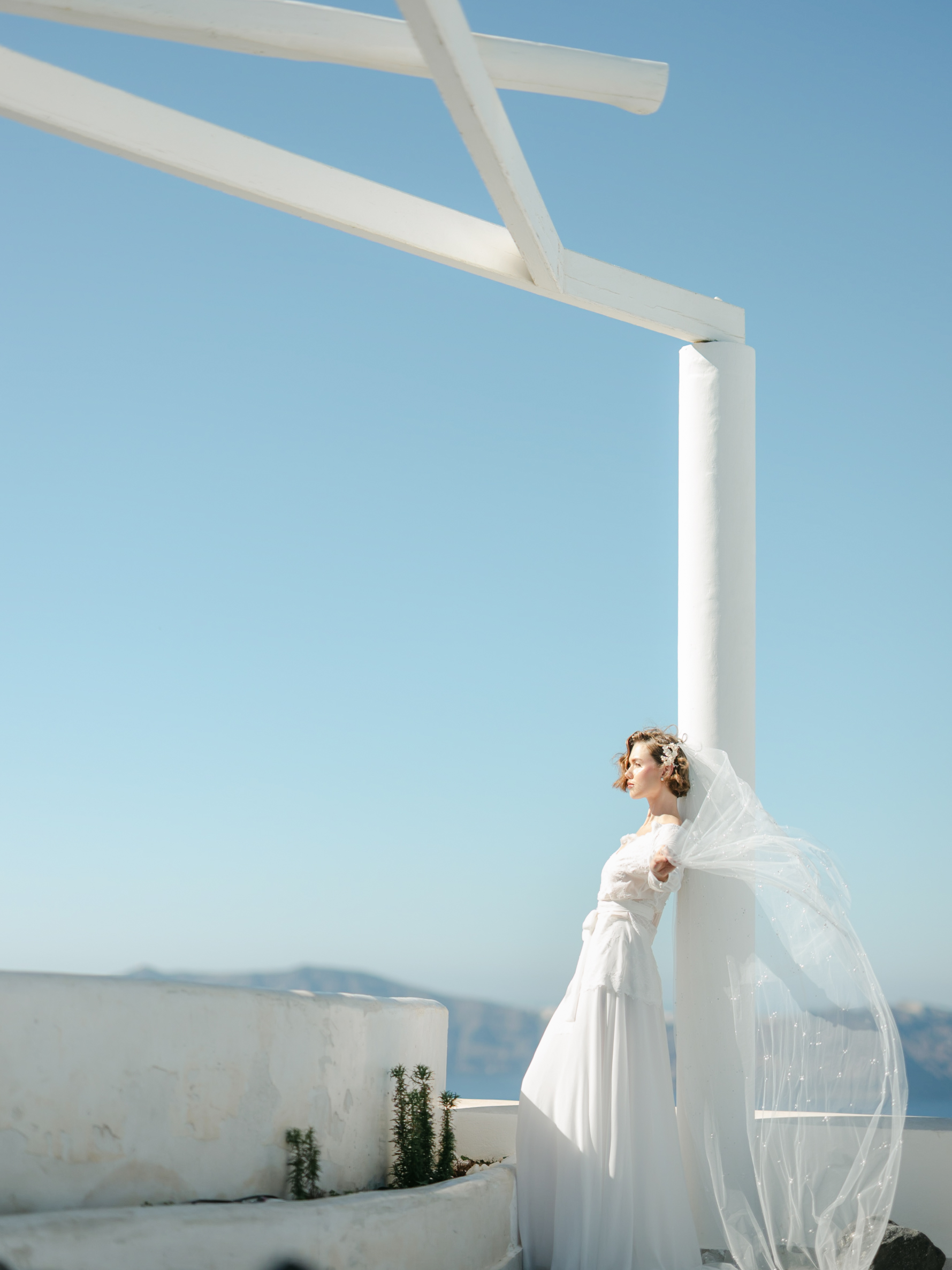
Reason Nine: They Make Your Photographer’s Job Significantly Better
I want to be transparent about something specific here, because it relates directly to the quality of your photographs and because most couples do not realize it until they have experienced the difference firsthand.
When there is no planner at a wedding, the organizational vacuum that would otherwise be filled by a planner frequently falls — at least partially — to the photographer. Rounding up family members for portraits. Tracking down the ring bearer when the ceremony is about to start. Figuring out where the florals are supposed to be set up. Communicating between the caterer and the venue about the transition from cocktail hour to dinner. Answering questions from the DJ about what time the first dance is supposed to happen.
None of this is part of my job. All of it takes me away from the creative work that is my actual job — making great photographs of your wedding day. When I am managing logistics, I am not photographing the quiet moment between you and your mother before you walk down the aisle. I am not catching the groom’s expression when he first sees you. I am not in the right position at the right moment to make the image that will end up framed on your wall for the next thirty years.
A great planner handles all of that organizational coordination independently, keeps me informed of the timeline without requiring me to manage it, and creates the conditions in which I can do my best creative work from the first moment of the day to the last. The photographs from weddings with a planner consistently reflect this — they have a quality of completeness and of captured moments that unplanned weddings, however beautiful the venue or the couple, frequently cannot match.
Reason Ten: For Destination Weddings, a Planner Is Not Optional
Everything I have written above applies to local weddings. For destination weddings — weddings that take place in a country, a state, or a region where you do not live — the case for hiring a planner moves from strongly recommended to essentially non-negotiable.
The reasons are specific and practical. Legal marriage requirements vary by country, and navigating them without local expertise is genuinely complex. Vendor communication across time zones, in a language that may not be your first, with vendors whose business practices and contract norms may be significantly different from what you are used to, requires a local intermediary whose professional reputation and existing relationships lubricate every interaction. Guest logistics — transportation from hotels to venues, accommodation recommendations at different price points, the coordination of international arrivals — require local knowledge that no amount of internet research from abroad can replicate.
Beyond logistics, the destination wedding planner serves as your presence on the ground throughout the planning process. They visit the venue on your behalf when you cannot. They meet vendors in person to assess their quality and their professionalism. They communicate with the venue team about specific setup requirements and logistical details that are difficult to resolve through email and video calls alone. And on the wedding day itself, they manage the entire operation with the specific knowledge of a professional who has done this in this location before — which is the only foundation on which a destination wedding can run smoothly.
Ultimately, the reasons why you need a wedding planner culminate in a day that you and your guests will remember fondly.
I have photographed destination weddings with exceptional planners and without any planner, and the difference in the quality of the day — for the couple, for the guests, and for the photographs — is more significant than any other single variable I can identify.
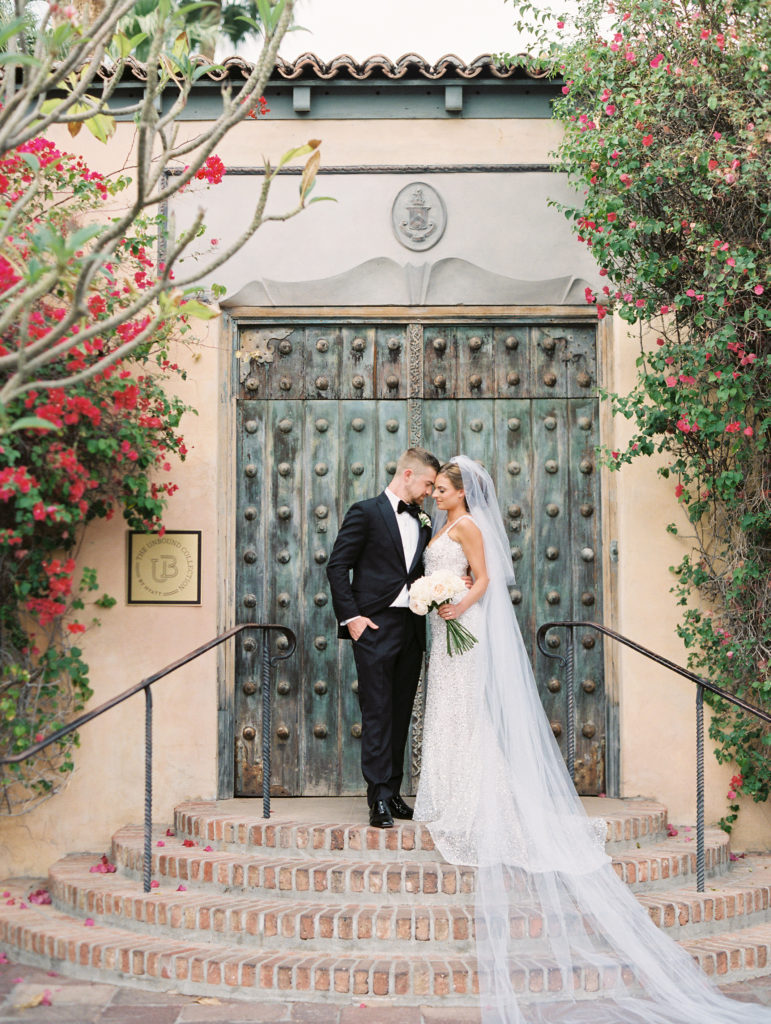
The Question Is Not Whether You Can Afford a Planner — It Is Whether You Can Afford Not to Have One
I want to close with something that I say to every couple who is on the fence about the planner investment, and that I genuinely believe is true: the question is almost never whether you can afford a wedding planner. It is whether you can afford what happens when you do not have one.
The overtime fees, the vendor mistakes, the timeline that falls apart, the family members who spend the reception managing logistics instead of celebrating, the photographs of a stressed couple trying to hold everything together — these are the costs of a wedding without a planner. They are not hypothetical. I have watched them play out at real weddings, with real couples, and the effect on the photographs and on the memories of the day is real and lasting.
The reasons why you need a wedding planner are compelling, making their services invaluable for your special day.
The planner’s fee, when weighed against the reasons why you need a wedding planner and the positive impact they make on your day, represents a crucial investment in your wedding budget.
Trust your photographer on this one. We see both versions. The planned day and the unplanned one. And we have a very clear and very consistent preference for what shows up in our lenses when there is a great planner standing just outside the frame.
If you have questions about how to find the right planner for your specific wedding — local or destination, intimate or large — or want a recommendation for a planner who works well with my photography style and approach, reach out through my contact page. It is one of the most useful conversations I have with couples in the early stages of planning, and I am always happy to help point you in the right direction.
The reasons why you need a wedding planner are not just suggestions; they are essential insights that can significantly enhance your wedding experience.
If you’re still questioning the reasons why you need a wedding planner, consider reaching out for personalized guidance.