



Destination Wedding Etiquette: Everything You Need to Know as a Couple or a Guest
Destination weddings occupy a unique space in the world of celebrations. They are, at their best, among the most extraordinary experiences a couple can create — a gathering of the people they love most, somewhere beautiful, for something that matters deeply. They are also, by their very nature, an ask. An ask of time, of money, of planning, of flexibility — from both the couple doing the inviting and the guests doing the traveling.
That ask, when handled with grace and genuine consideration, becomes one of the most meaningful things a wedding can offer. When handled poorly, it becomes a source of stress, resentment, and relationships strained by unspoken expectations.
Destination wedding etiquette exists to bridge that gap. It is the set of unwritten — and sometimes written — guidelines that help couples communicate clearly and guests respond graciously, so that everyone arrives at the celebration feeling informed, valued, and genuinely glad to be there.
Whether you are planning a destination wedding and trying to do right by your guests, or you have just received an invitation to one and are trying to figure out what is expected of you, this guide covers everything you need to know.

Part One: Etiquette for Couples Planning a Destination Wedding
Give Guests as Much Notice as Possible
This is the single most important etiquette consideration for any couple planning a destination wedding, and it is worth stating plainly before anything else: the earlier you tell people, the better.
Destination weddings require guests to arrange things that local weddings do not. International travel. Passport renewals. Time off work — often more than a single day. Accommodation bookings, particularly in popular destinations during peak seasons, that need to be made months in advance to secure reasonable rates. Childcare arrangements for parents of young children. Budget planning for an expense that a local wedding simply would not require.
The minimum notice for a destination wedding is six months. Eight to twelve months is significantly better, particularly for international destinations or peak travel seasons. Some couples planning weddings in highly sought-after locations or during popular travel periods give guests twelve to eighteen months of advance notice — and for those guests, that notice is genuinely appreciated.
Send a save the date as early as possible. It does not need to be elaborate — a simple, clear communication that tells guests the date, the general location, and enough information for them to begin making preliminary arrangements is all that is needed at this stage. The formal invitation with full details can follow closer to the date.
Be Honest About What Attendance Will Cost
One of the most uncomfortable aspects of destination wedding planning — and one that couples frequently avoid addressing directly — is the financial reality of asking people to travel.
Flights, accommodation, ground transportation, time off work, new attire appropriate for a destination setting, and the general cost of being away from home for several days adds up quickly. For some guests, particularly those with families, on fixed incomes, or in demanding careers, the total cost of attending a destination wedding can reach into the thousands of dollars.
Etiquette does not require you to pay for your guests’ travel and accommodation — though if your budget allows for any contribution, it is a deeply generous gesture. What etiquette does require is honesty and transparency about what attendance involves, so that guests can make informed decisions without feeling blindsided.
Provide clear, specific information about:
- Accommodation options at a range of price points — not everyone can afford the same hotel, and offering alternatives communicates that you have thought about their experience
- The most practical and affordable ways to reach the destination — which airports to fly into, whether driving is an option, what ground transportation looks like
- The approximate cost of the trip if you are comfortable doing so, or at minimum a clear enough picture of the destination that guests can research it themselves
- How many days they should plan to be there — if you are hosting events across multiple days, guests need to know that in advance
Couples who communicate this information clearly and early give their guests something invaluable: the ability to plan, budget, and decide without guessing.
Understand That Some People Cannot Come
This is perhaps the most emotionally difficult part of destination wedding etiquette for couples to internalize — but it is essential: when you choose a destination wedding, you are choosing a format that will be genuinely impossible for some of the people you love.
Financial constraints, health limitations, young children, demanding careers, fear of flying, visa complications for guests from other countries — these are real barriers, and they are not reflections of how much someone loves you or values your relationship. A guest who cannot afford to fly to Italy for your wedding is not prioritizing other things over you. They are simply navigating the reality of their life.
The etiquette expectation here is grace. Do not pressure guests who decline. Do not make them feel guilty for a decision that was likely already painful for them to make. Thank them sincerely for their response and, if it matters to you, find a way to celebrate with them when you return — a dinner, a party, a simple gathering that includes the people who could not be there.
Choosing a destination wedding means accepting a smaller guest list. That is not a failure of the format — it is one of its defining features. The people who come will have chosen to be there with full knowledge of what it required. That choice carries its own meaning.
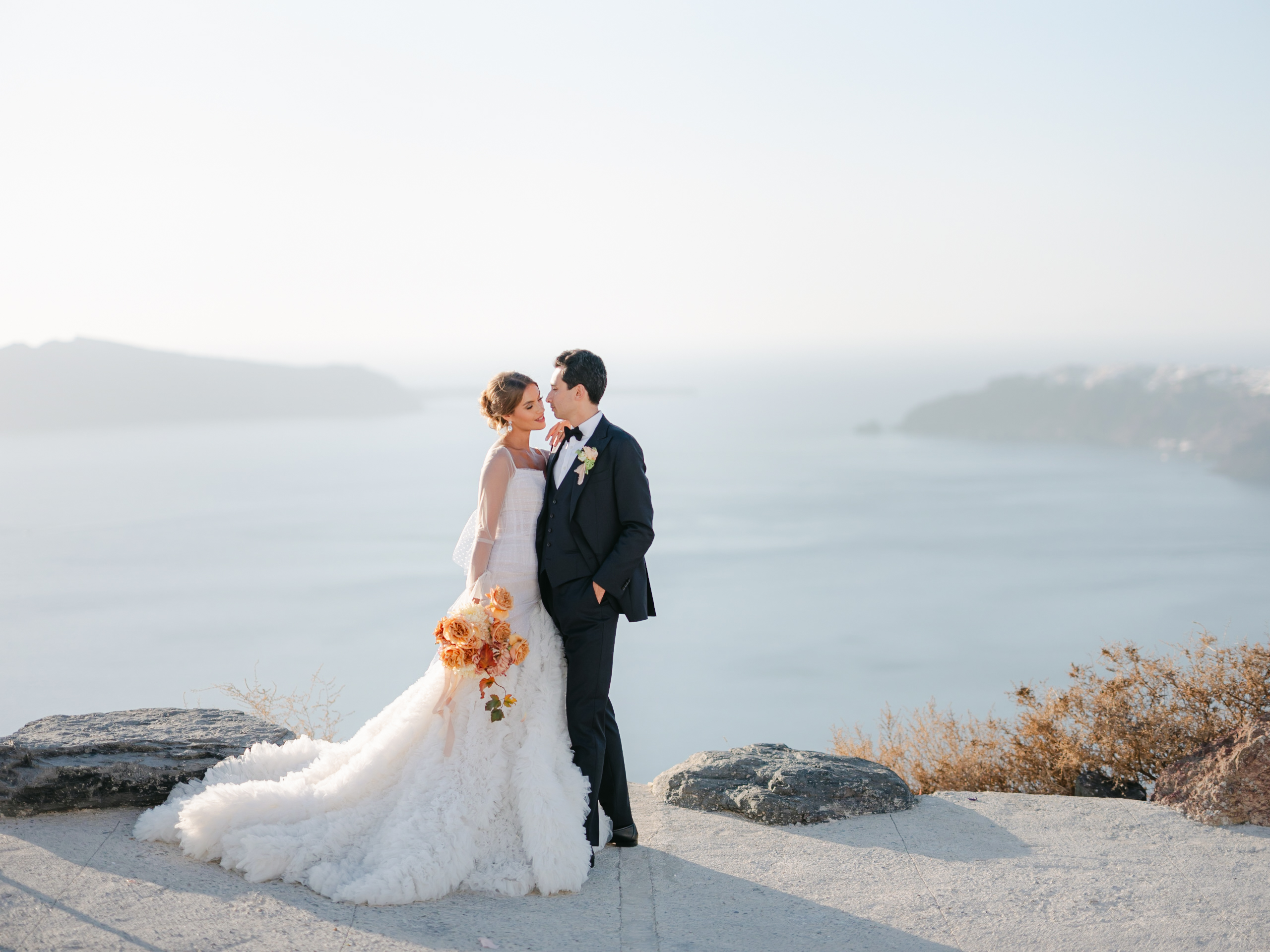
Send a Detailed Wedding Website Early
A dedicated wedding website is not optional for a destination wedding — it is essential. And it should go live as early as your save the date, with information added and updated as plans develop.
Your wedding website should include:
Travel information: Which airports serve the destination, recommended airlines or routes, approximate flight times from major cities your guests are likely traveling from, and any travel tips specific to the destination — visa requirements, entry documentation, local transportation options.
Accommodation: A curated list of recommended places to stay at multiple price points, with direct booking links where possible. If you have negotiated a room block at a specific hotel, include the booking code and the deadline for using it. Be clear about whether accommodation is included or whether guests are responsible for their own.
The schedule of events: A clear outline of every event guests might be invited to or want to attend — the welcome dinner, the ceremony, the reception, any post-wedding events. Include dates, times, dress codes, and locations for each. Guests need this information to plan their travel dates accurately.
Local recommendations: Restaurants worth visiting, experiences to explore, practical information about getting around. This kind of curation communicates genuine care for the guest experience beyond the wedding day itself.
FAQs: A section addressing the questions you know guests will have — what to wear in the destination’s climate, whether children are invited, what the terrain is like for guests with mobility considerations, what currency is used and whether cards are widely accepted.
A well-designed, informative wedding website reduces the volume of individual questions you will field in the months before the wedding and gives guests the confidence that they know what to expect.

Host a Welcome Event
If your budget allows for one additional gesture of hospitality, make it a welcome dinner or gathering the evening before the wedding. For destination weddings specifically, this event serves a purpose beyond simple hospitality — it gives guests who have traveled significant distances the chance to arrive, decompress, reconnect with each other, and feel genuinely welcomed before the main event.
The welcome dinner does not need to be elaborate. A long table at a local restaurant, a casual gathering at the accommodation, a drink at a beautiful bar with a view — what matters is the act of gathering intentionally, of acknowledging that your guests made a journey to be there and that you see and appreciate it.
Some of the most memorable moments of a destination wedding weekend happen at the welcome dinner, in the unhurried hours before the ceremony, when everyone is still fresh from travel and the anticipation of the following day gives the evening a particular warmth and electricity.
Consider What You Cover for Guests
There is no universal rule about what destination wedding couples are expected to pay for, and financial circumstances vary enormously. But there are some general etiquette principles worth knowing:
What is generally expected: The wedding itself — ceremony, reception, food and drinks during the celebration — is hosted by the couple. Guests should not be paying for their own dinner at your wedding reception.
What is genuinely generous but not required: Welcome dinner costs, excursions or group activities, airport transfers, or a contribution toward accommodation.
What guests are generally expected to cover: Their own flights, their own accommodation (unless you have specifically communicated otherwise), and their own meals and activities outside of hosted events.
The more clearly you communicate what is and is not covered, the more comfortable your guests will be. Ambiguity creates anxiety — and anxious guests are not fully present guests.
Choose Your Vendors With Expertise
Destination wedding etiquette extends to your vendor relationships as well. Hiring your wedding vendors who know your wedding location well– and who have significant experience working there — is not just a practical decision. It is a respectful one.
Local vendors understand the permits required, the seasonal considerations, the cultural context, and the logistical landscape of their region in ways that no amount of remote research can replicate. A local wedding coordinator, in particular, is worth their weight in the entire experience — both for the quality of the event they help you produce and for the peace of mind they provide in the months of planning that precede it.
If you are bringing vendors from home — a photographer whose work you love, a florist whose aesthetic is exactly right — communicate clearly with your local team about how those relationships will work together, and ensure that everyone understands the plan well before the wedding day.

Part Two: Etiquette for Guests Attending a Destination Wedding
Respond Promptly and Honestly
When you receive a destination wedding invitation, the couple needs your response more urgently than they would for a local wedding. Your attendance — or non-attendance — affects accommodation block deadlines, catering numbers, seating arrangements, and a dozen other logistical decisions that have earlier deadlines at a destination wedding than at a local one.
RSVP by the requested date, without exception. If you know immediately that you cannot attend, respond promptly rather than leaving the couple in uncertainty while you weigh your options. If you genuinely need time to check on flights and work schedules before committing, communicate that directly — a brief message saying you are working on confirming your travel and will respond by a specific date is far better than silence.
Do not RSVP yes and then cancel late. Last-minute cancellations from guests who have already committed create real financial and logistical consequences for destination wedding couples. If your circumstances change after you have committed, communicate as early as possible and with genuine acknowledgment of the inconvenience your cancellation creates.
Declining Graciously
If you cannot attend — for financial reasons, logistical reasons, or any other reason — decline with warmth and without excessive explanation. You do not owe the couple a detailed accounting of why you cannot make the trip. A sincere response that expresses genuine regret, congratulates them, and does not make them feel guilty for their choice of format is all that is required.
What is not acceptable: declining and then expressing resentment about the destination format. Couples who choose destination weddings have made a considered decision about how they want to celebrate. If that format does not work for you, decline graciously and celebrate with them in whatever way is available to you. Expressing frustration or making the couple feel guilty for their choice is neither fair nor kind.
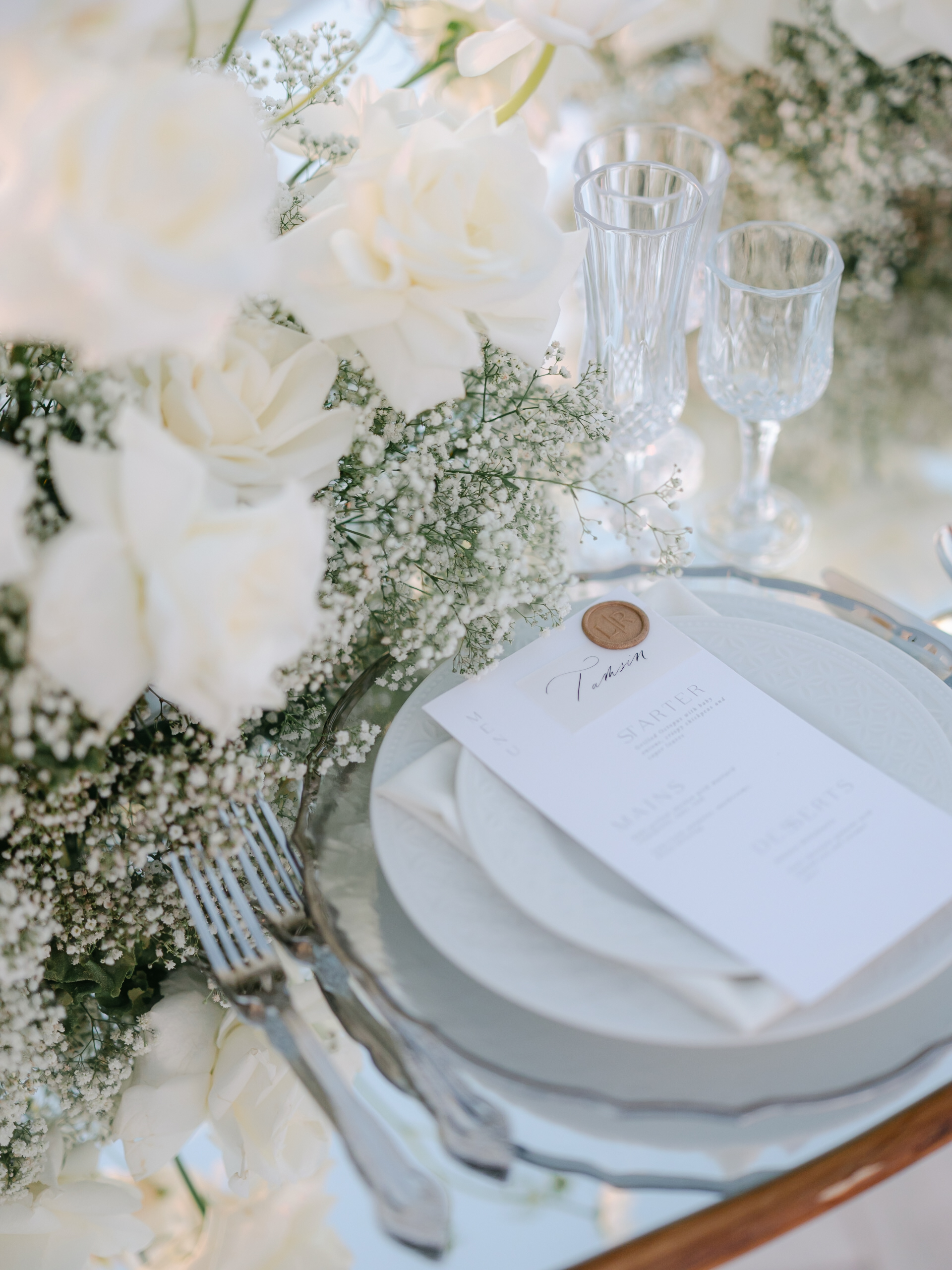
Understand What Is and Is Not Covered
Before you make any financial commitments — booking flights, reserving accommodation — make sure you understand clearly what the couple is covering and what you are responsible for. If the wedding website or invitation materials are not explicit about this, it is entirely appropriate to ask directly and politely.
Do not assume that because you have been invited to a destination wedding, all of your travel costs are being covered. In most cases, guests are responsible for their own flights and accommodation unless the couple has specifically communicated otherwise. Plan and budget accordingly.
Book Early and Follow the Couple’s Recommendations
Once you have committed to attending, book your travel and accommodation as early as possible. Destination wedding couples typically research accommodation options carefully and make specific recommendations for good reasons — proximity to the venue, negotiated room block rates, quality of the property. Following those recommendations where possible makes logistical sense and is generally appreciated by the couple.
If you are booking outside of a recommended room block, be aware of the travel logistics involved in getting from your accommodation to the venue and back. At a destination wedding, particularly in a remote or unfamiliar location, transportation is not always as simple as calling a car service. Plan ahead.
Extend Your Stay if You Can
A destination wedding is an invitation to experience somewhere beautiful — treat it as one. Arriving a day or two before the wedding gives you time to adjust to any time zone differences, explore the destination, and arrive at the wedding day relaxed and present rather than freshly off a long flight.
Staying a few days after the wedding extends the experience and allows you to enjoy the destination more fully. Many destination wedding weekends develop a beautiful quality in the days surrounding the main event — informal group dinners, shared excursions, the particular warmth of a group of people who have traveled somewhere extraordinary together and are not quite ready to leave.
If your schedule allows for it, the extra days are almost always worth it.
Be Flexible and Adaptable
Destination weddings involve more variables than local weddings — weather, travel delays, unfamiliar logistics, cultural differences, language barriers. Come prepared to be flexible. If the transportation runs late, if the weather requires a last-minute change of plan, if the restaurant the group chose for dinner has a two-hour wait — these are the minor inconveniences of travel, and they are not the couple’s fault.
Your job as a guest at a destination wedding is to show up with grace, adaptability, and genuine enthusiasm for the experience. The couple has worked hard to bring this celebration together in a place that means something to them. Meet that effort with the generosity it deserves.

Dress Appropriately for the Destination
Review the dress code carefully and take it seriously — both the formality level and the practical considerations of the destination. A beach ceremony in a tropical climate calls for different choices than a villa dinner in the Italian countryside. If the dress code is not explicit, look at the venue, the time of day, and the overall tone of the invitation for guidance.
Consider the climate and terrain as well. A mountain ceremony may require shoes you can actually walk in. A coastal event in a warm destination may make a heavy formal gown genuinely uncomfortable. Dress in a way that is appropriate, respectful of the occasion, and practical for the environment.
When in doubt, reach out to the couple or their coordinator and ask. It is a far better option than arriving overdressed, underdressed, or wearing shoes that make the walk to the ceremony location genuinely difficult.
Participate in Hosted Events
If the couple has organized a welcome dinner, a post-wedding brunch, or any other hosted event, make every effort to attend. These gatherings are part of the experience they have created for you — and they are often where some of the most meaningful moments of the entire weekend happen.
If you genuinely cannot attend a hosted event, communicate that to the couple in advance and with genuine regret. Do not simply not show up — that creates logistical complications with catering and seating, and it is a courtesy the couple deserves.
Your Wedding Gift Considerations
There is a longstanding and reasonable etiquette principle that applies here: the financial cost of attending a destination wedding is itself a generous gift, and couples who choose this format should understand and appreciate that.
That said, a gift is still a thoughtful gesture and generally expected. If the cost of travel has been significant, it is entirely appropriate to adjust your gift accordingly — a smaller monetary contribution or a meaningful personal gift is perfectly gracious when the guest has already invested substantially in attending.
If you are unable to attend and are declining the invitation, a gift is a kind gesture but not strictly required. A handwritten card with a sincere congratulations is always appropriate regardless of gift.
Show Up Fully Present
You have traveled to be here. You have spent money, taken time off work, arranged logistics, and made the journey. Do not spend your time at the wedding on your phone, distracted by work emails, or wishing you were somewhere else.
Be present. Watch the ceremony with your full attention. Engage with the people around you. Eat the food, drink the wine, participate in the toasts. Let yourself be moved by what is happening — two people, somewhere beautiful, surrounded by the people they chose, making a commitment that matters.
That is what you came for. That is what the couple hoped you would experience when they invited you.
Do not miss it.
A Final Note for Everyone Involved in a Destination Wedding
Destination weddings ask something of everyone. They ask couples to communicate clearly, plan generously, and hold their guest list with open hands. They ask guests to respond promptly, travel graciously, and show up fully.
When both sides of that equation are handled with genuine consideration and mutual respect, a destination wedding becomes something that no local celebration can quite replicate: a shared experience in a beautiful place, among a carefully chosen group of people, built around two people beginning their life together.
That is worth doing well. And it is worth attending with everything you have.
Planning a destination wedding or micro wedding and looking for a photographer who understands the unique beauty and intimacy of celebrations abroad? I would love to connect with you! Get in touch here — let’s talk about where in the world you are dreaming of and how we can create something extraordinary together.










add a comment
+ COMMENTS