



Plan a Romantic Château Wedding in France: A Helpful Guide For Planning a Wedding in France
When couples first reach out to me about a château wedding in France, they almost always have the same starting point: they have found a venue that took their breath away, they know they want it, and they are about to discover that planning a wedding in France is a fundamentally different experience from planning one in the United States. Not harder, necessarily — just different, in ways that matter enormously if you do not know about them in advance.
Many couples dream of a stunning Château wedding in France, which creates unforgettable memories. Your Château wedding in France can become a magical experience with the right planning.
I have been photographing destination weddings across France for 17 years now. I have lived in Paris for almost two years and have experienced a lot of challenges and bumps when learning all about how the French do weddings. I have worked and photographed weddings at châteaux in Île-de-France, Provence, the Loire Valley, Burgundy, Champagne, and the Dordogne. I have photographed weddings that were brilliantly planned and a handful that ran into avoidable complications because the couple — or their vendors — did not fully understand how the French approach to weddings, venues, and event logistics works.
As you consider your options for a Château wedding in France, it’s essential to remember the unique elements that characterize this experience.
I want to share everything I know about photographing Chateau weddings in France, as specifically and honestly as I can, so that your château wedding in France goes the way you have been imagining it.
Planning your dreams around a Château wedding in France can lead to a beautiful celebration of love.
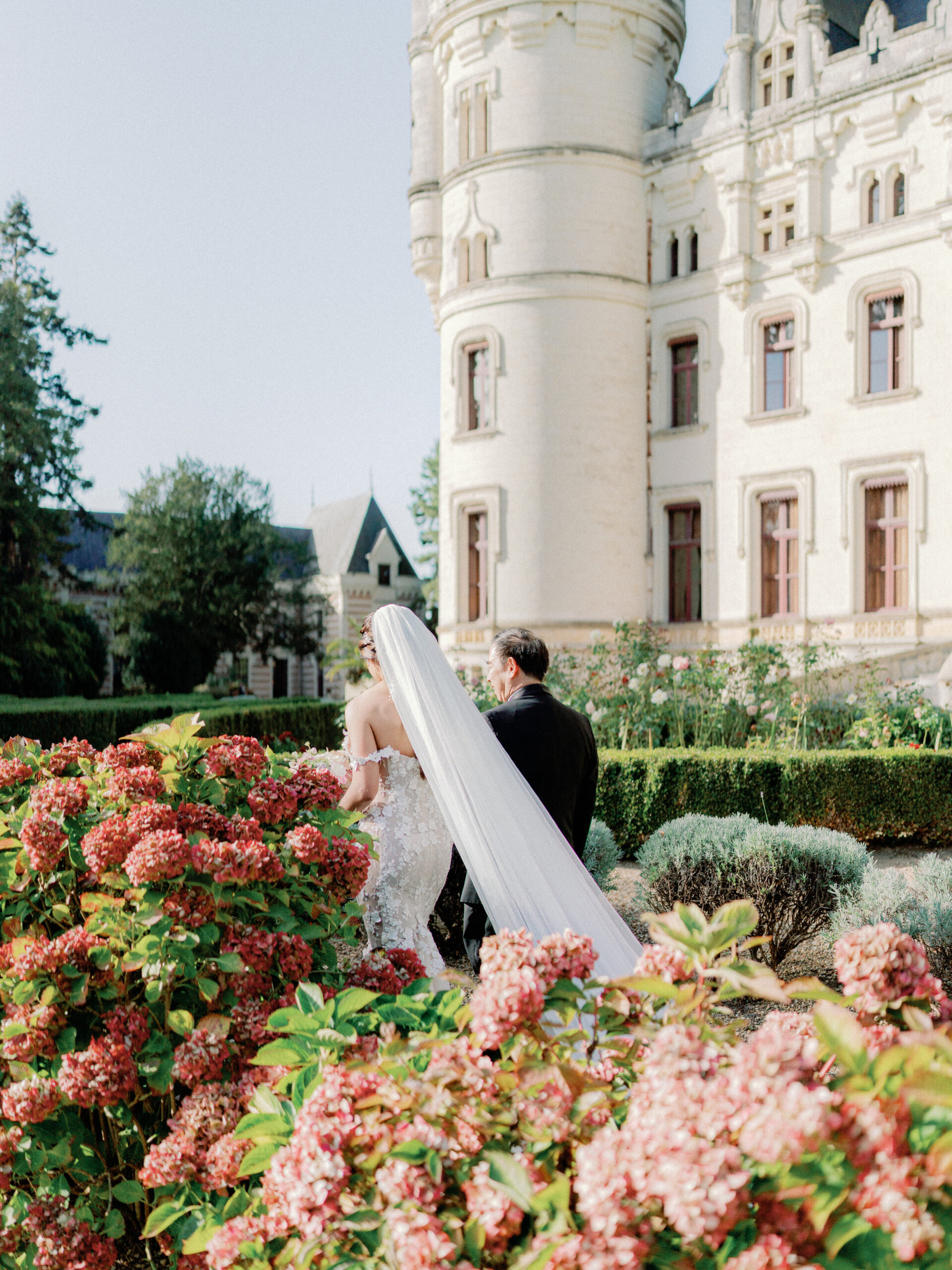
You Cannot Legally Marry at a Château in France
This is the single most important thing to understand before anything else, and it catches a surprising number of couples off guard. In France, legal civil marriages must take place at the mairie — the town hall — of the town where one member of the couple is officially registered as a resident. You cannot legally marry at a château, a vineyard, a garden, or any other private property. The law is clear on this, and it does not bend for beautiful venues or significant budgets.
What this means in practice is that couples planning a château wedding in France have two options. The first is to complete the legal ceremony in France — which requires establishing residency documentation, visiting the mairie, observing a mandatory ten-day waiting period after the publication of banns, and then completing a brief legal ceremony at the town hall itself before or after the château celebration. The second, and by far the most common approach for destination couples, is to marry legally in your home country before you travel to France, and then hold a symbolic or humanist ceremony at the château.
This symbolic ceremony carries no legal standing but is entirely culturally accepted and is, in my experience, often the more emotionally meaningful part of the day — because the couple can write every word of it, choose any officiant, say anything they want, and design the ritual entirely around who they are rather than what French civil law requires.
Almost every couple I photograph at a French château has married legally at home — sometimes weeks before the château celebration, sometimes at a local courthouse the morning of the Paris trip. Guests do not need to know the details. The symbolic ceremony at the château is the wedding, in every meaningful sense of the word.
Your Château wedding in France deserves the best moments captured through photography that enhances the beauty of your day.
The French Mairie: What Happens If You Want a Legal Ceremony in France
If you do want the legal marriage to take place in France, the process is more involved than most couples expect and requires genuine advance planning. You will need to establish which mairie has jurisdiction — typically the one corresponding to the commune where the venue is located, or where you have established residency. You will need to provide a dossier of documents, which for foreign nationals typically includes birth certificates with apostille, proof of identity, proof of residence, and sometimes additional documents depending on your nationality and marital history.
The banns — the public announcement of the upcoming marriage — must be posted for ten days before the ceremony can take place. This means you cannot arrive in France on a Friday and marry at the mairie the following Saturday. You need to plan for this window, which in practice means arriving in France at least two weeks before the château celebration, completing the paperwork, waiting out the posting period, and then marrying at the town hall before the château event.
The mairie ceremony itself is brief, typically fifteen to twenty minutes, conducted by the maire or a designated officer, entirely in French. You will exchange a brief legal declaration and sign the register. It is not the elaborate emotional event that most couples envision when they think of their wedding ceremony. It is a legal formality, conducted in a municipal building, and most couples use it as a quiet, private moment before the larger celebration rather than trying to make it the emotional centerpiece of the day.
My honest advice: marry legally at home, hold the symbolic ceremony at the château, and give both events exactly the weight they deserve.
French Wedding Planners Are Not Optional — They Are Essential
In the United States, couples frequently use wedding planners as an organizational convenience — a luxury that helps manage vendors and timelines. For a château wedding in France, an experienced French wedding planner is not a luxury. It is the foundational decision that determines whether your day runs smoothly or encounters avoidable problems.
Finding the right planner can ensure your Château wedding in France runs smoothly and exceeds your expectations.
French châteaux do not come with built-in event coordination in the way that many American venues do. When you rent a château, you are renting the building and the grounds. What happens within them is your responsibility to organize — and organizing it from abroad, in a language you may not speak, in a country whose vendor ecosystem you do not know, with logistical requirements that differ significantly from what you are familiar with, is genuinely complex.
A wedding planner who has worked at your specific château before knows the venue’s specific rules about load-in times, setup restrictions, noise curfews, catering requirements, and the particular quirks of the property. That institutional knowledge is worth more than any amount of general organizational skill.
When interviewing French wedding planners, ask specifically how many times they have worked at your venue. Ask which vendors they work with regularly and why. Ask what has gone wrong at past weddings at that location and how they managed it. The best French planners for destination clients are those who have deep, specific experience rather than broad general competence.
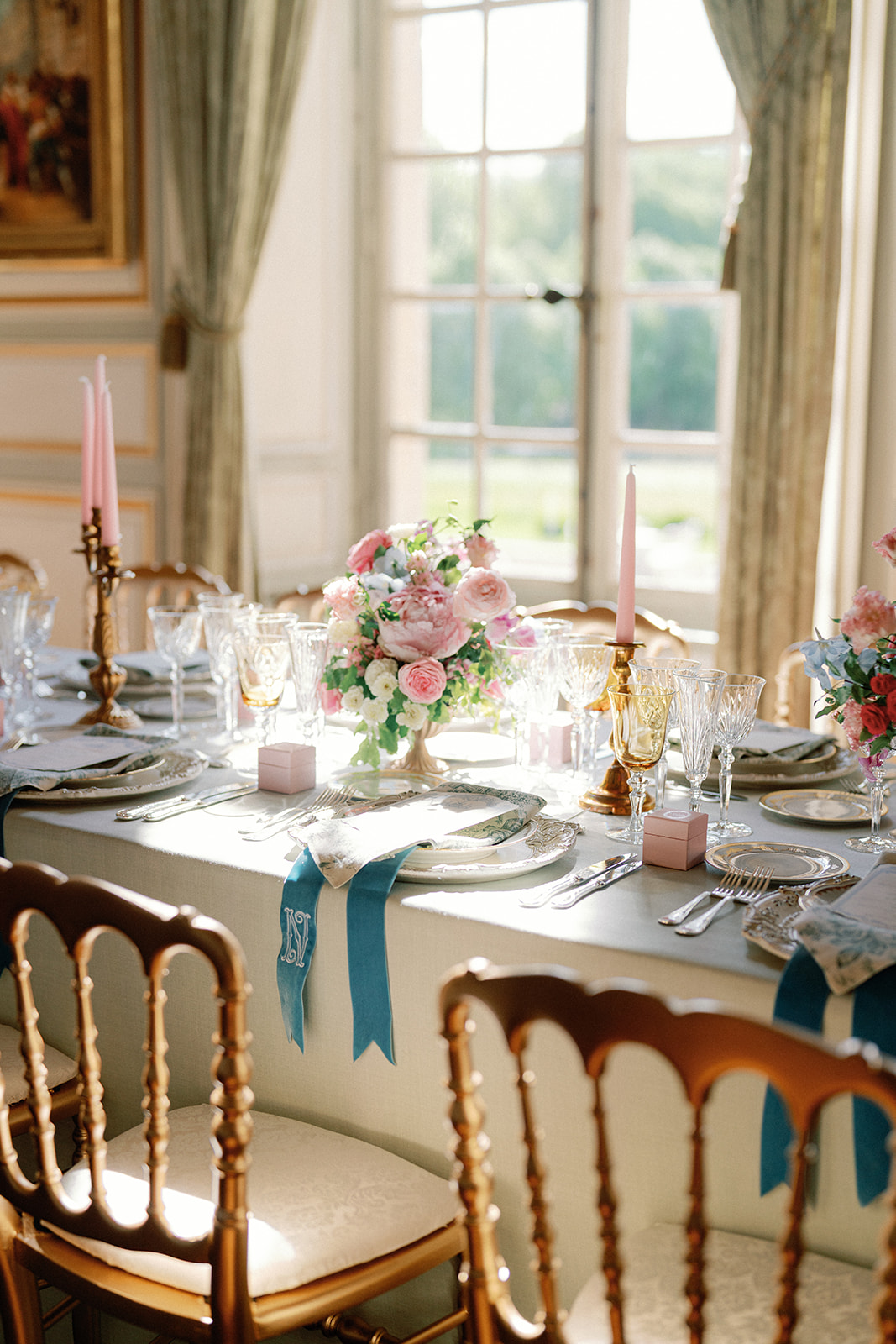
Dry Hire: What It Really Means for Your Budget
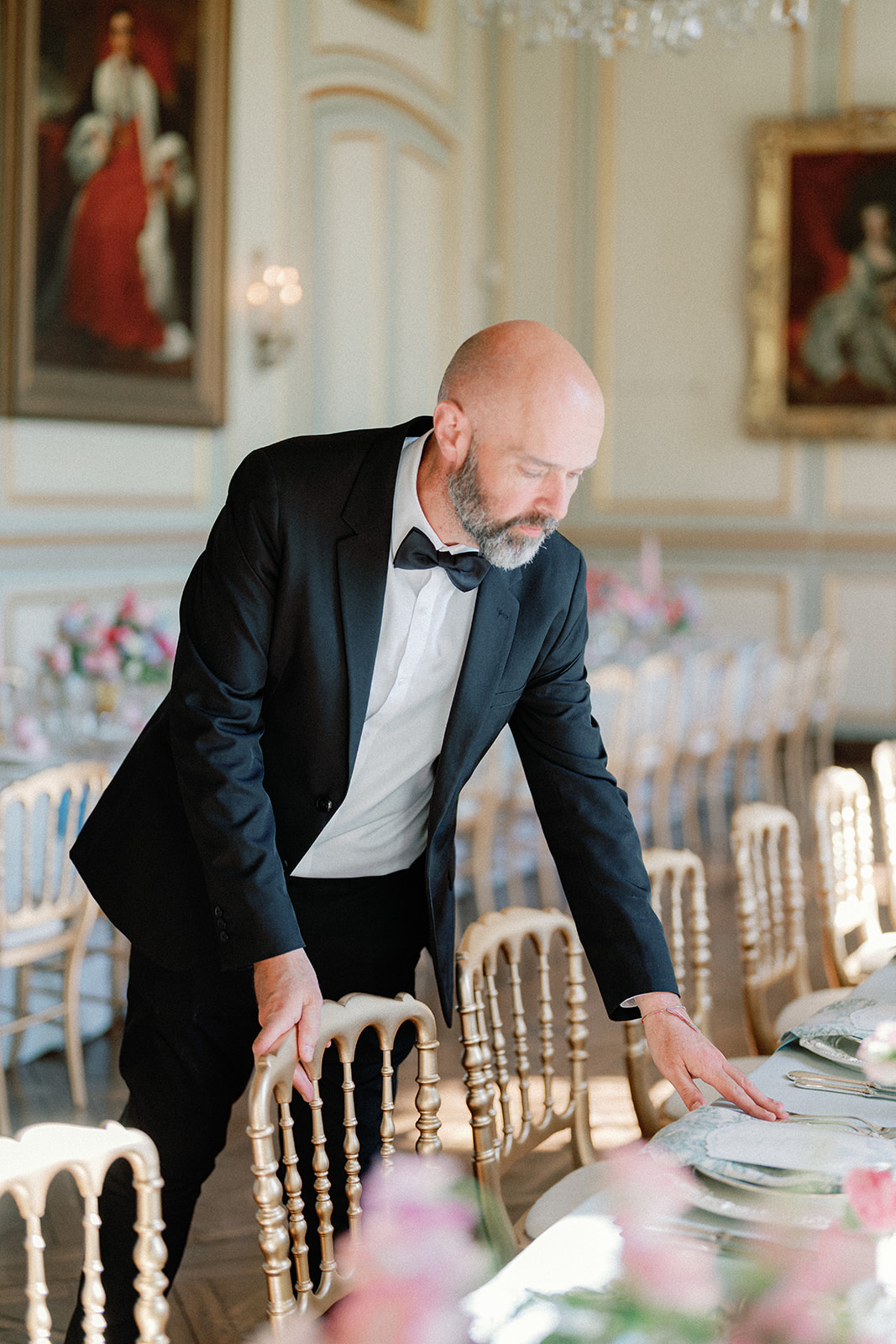
Most French châteaux operate on what the industry calls a dry-hire basis. This means the venue provides the building and nothing else. No tables. No chairs. No linens. No lighting. No catering. No bar. No sound system. No décor of any kind. Just the walls and the grounds, and the exclusive right to use them for the duration of your contracted period.
Understanding the implications of a dry-hire venue is crucial for budgeting your Château wedding in France effectively.
Everything else comes in. The caterer. The rental company supplying tables, chairs, and linens. The lighting designer. The florist. The entertainment. The bar service. Each of these vendors travels to the venue, sets up, executes their role, and removes everything they brought at the end of the night. This creates a planning process that involves more independent contracts, more logistics, and more coordination than most American couples have encountered in venue planning, because American venues typically bundle many of these services or have strong relationships with preferred vendors who handle them efficiently.
The practical implication for your budget is significant. The venue rental fee — which may be anywhere from €8,000 to €50,000 or more for a marquee château — is genuinely just the starting point. Add the caterer (typically €200 to €500 per person for a full wedding dinner in France), the rental company, the lighting, the florals, the entertainment, the planner’s fee, and the photography, and the total cost of a château wedding in France for 80 guests can easily reach €150,000 to €300,000 for a full-scale celebration. Understanding this from the beginning allows couples to plan accurately rather than experiencing sticker shock as each vendor contract arrives.
The Preferred Vendor Tax: A Hidden Cost Worth Knowing
Some French châteaux charge what is informally called a “preferred vendor tax” — an additional percentage applied to the bills of any vendor you bring in who is not on the venue’s official preferred list. This fee is typically 10 to 15 percent of the vendor’s total invoice and can represent a significant additional cost if you are bringing in a caterer, photographer, or other supplier from outside the preferred network.
Before signing any venue contract, ask specifically whether the venue charges this fee, what the percentage is, and which vendor categories it applies to. Some venues apply it only to catering; others apply it to photography, florals, and entertainment as well. Factor this cost into your budget calculations before you commit.
French Catering: How It Works Differently
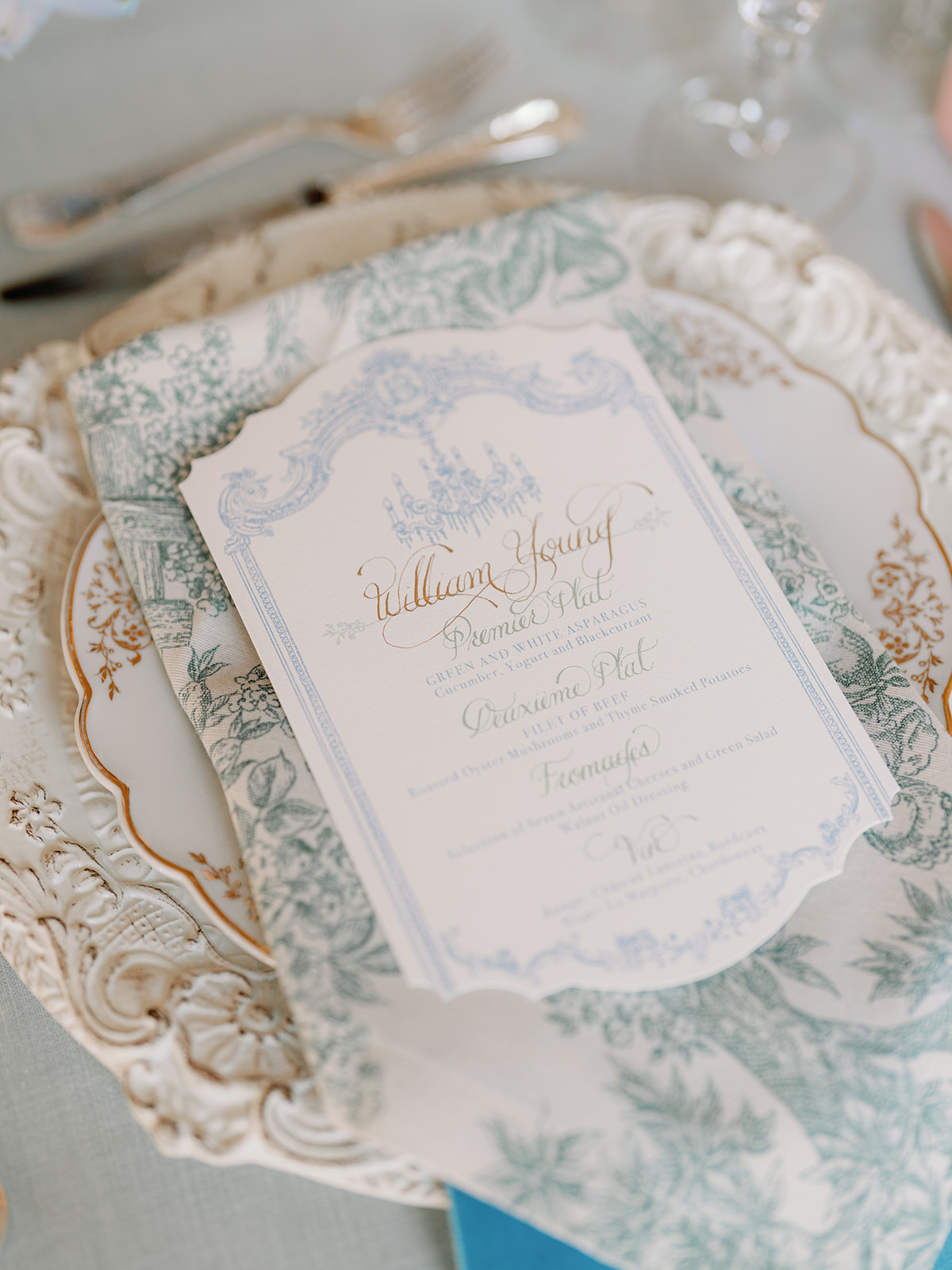
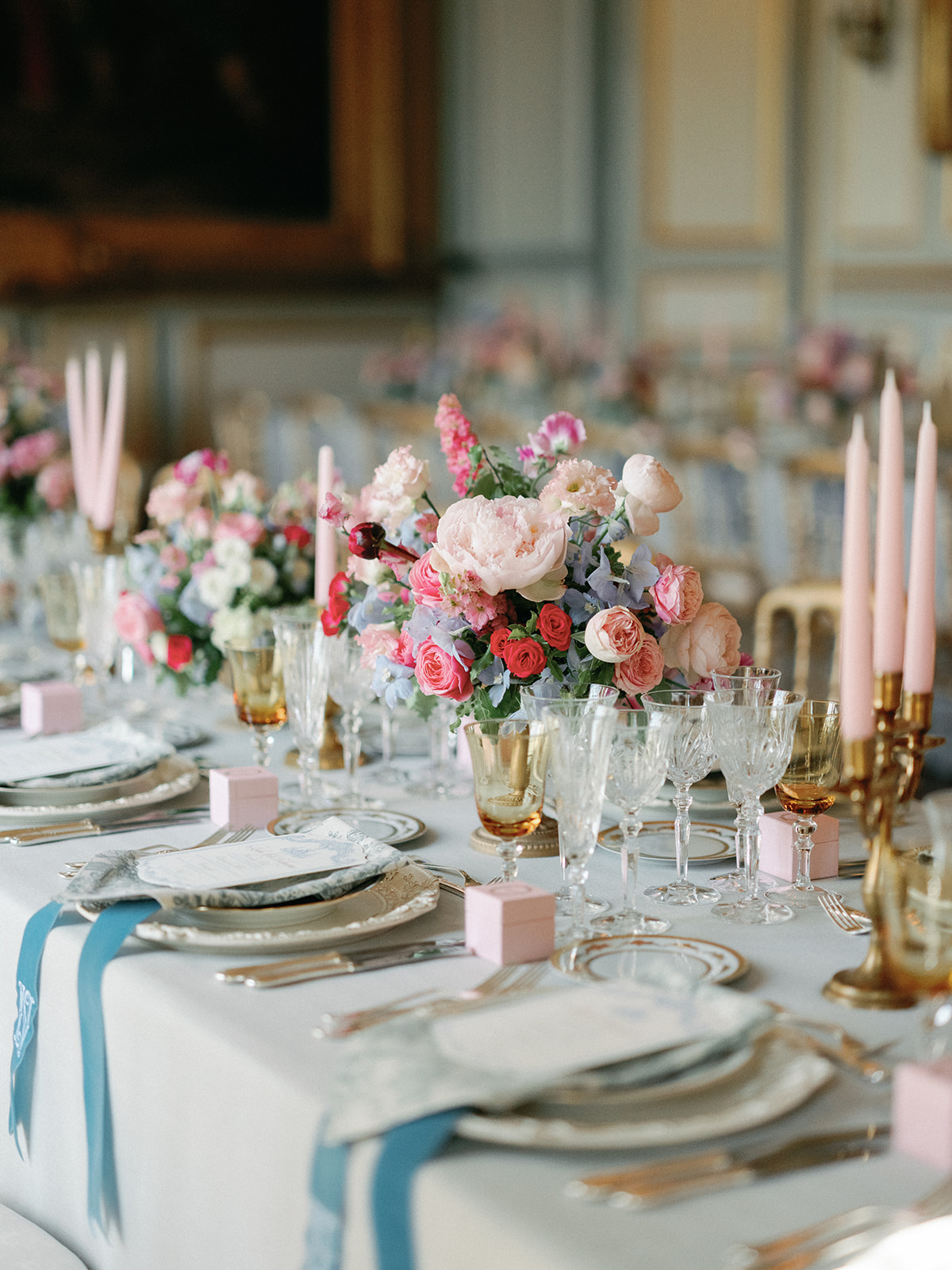
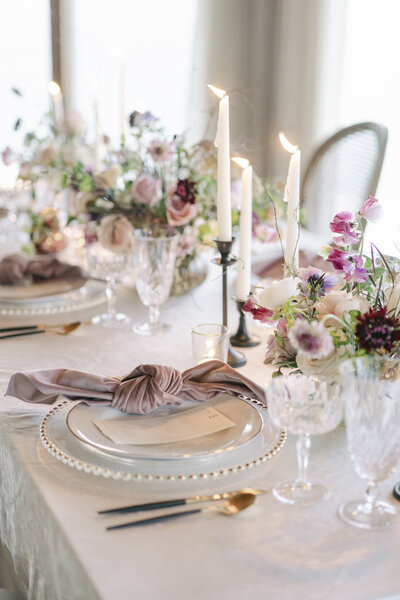
Food and wine are at the center of French culture in a way that goes considerably deeper than food and wine as entertainment. At a château wedding in France, the dining experience is considered the heart of the celebration — not a supporting element but the main event around which everything else is organized. This has practical implications for how the wedding day is structured.
Dining at your Château wedding in France will be an experience that guests reminisce about for years to come.
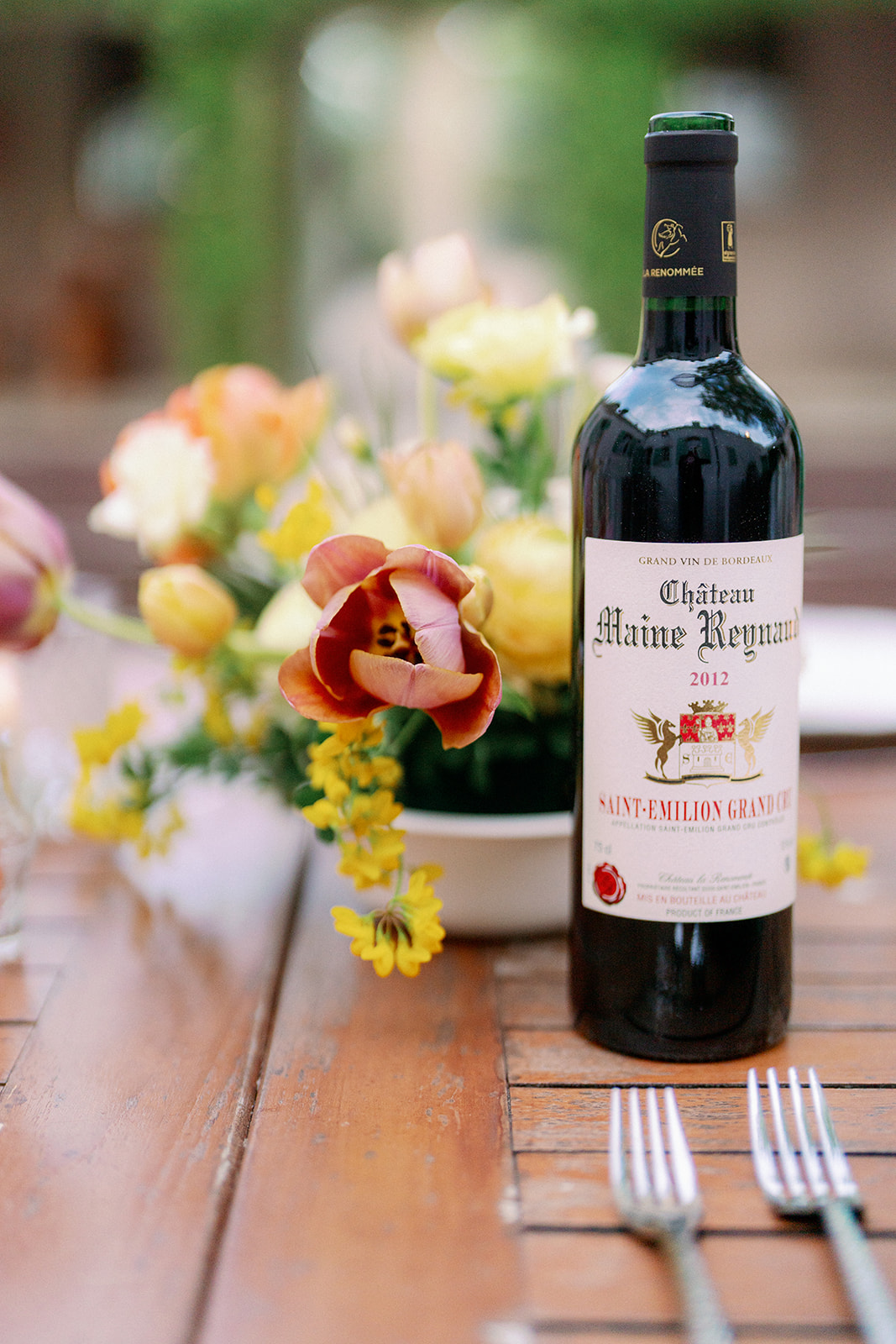
French wedding receptions typically begin with a vin d’honneur — a cocktail hour of champagne and canapés that is more substantial and longer than the American pre-reception equivalent. Guests expect to spend ninety minutes to two hours at this stage, and the canapés are genuinely substantial rather than decorative. Following the vin d’honneur, the seated dinner begins — and it will be multi-course, unhurried, and accompanied by multiple wine pairings. Expect dinner alone to occupy three to four hours. The French do not rush through dinner to get to the dancing. The meal is itself the primary experience of the evening.
Many French châteaux have preferred or exclusive caterers. Some operate with entirely in-house catering programs — which can be genuinely excellent but means you are committing to their menus and their pricing without the ability to shop the market. Others have preferred caterer lists with three to five options, and some allow outside caterers for an additional fee. Understand your venue’s catering structure before you book, and if an in-house program is mandatory, request a detailed tasting well in advance of the wedding date.
Choosing the right caterer is vital for your Château wedding in France, as food plays a key role in the overall experience.
French caterers also bill very differently from American caterers. Many charge per person for the food, separately for the wine and champagne, separately for staffing, and separately for equipment rental. A quote that looks modest on first reading can grow substantially once all of these line items are assembled. Ask for a fully itemized quote that includes everything, and ask specifically how corkage fees work if you are bringing your own wine or champagne.
Noise Curfews: The Detail That Changes Your Evening
Many French communes — particularly those in areas that include private residential properties near event venues — have noise ordinances that require amplified music to end at a specific time. This is frequently 10:00 PM or midnight, though it varies by commune and by venue, and violations can result in the gendarmerie arriving and genuinely shutting down your reception.
Knowing the noise restrictions is essential to enjoy music during your Château wedding in France without interruptions.
Your wedding planner should know exactly what the noise restrictions are at your specific venue. This information should be confirmed in writing with the château before you book, because if a 10:00 PM music curfew is incompatible with your vision of a late-night dancing reception, you need to know that before you sign a contract rather than after.
Some venues have invested in soundproofing or in obtaining specific permissions that allow later amplified music. Some are in locations rural enough that the noise ordinance is effectively unenforced. Ask specifically and get the answer in writing.
Accommodation: Who Stays Where and for How Long
On-site accommodation adds a special touch to your Château wedding in France, allowing for a seamless celebration.
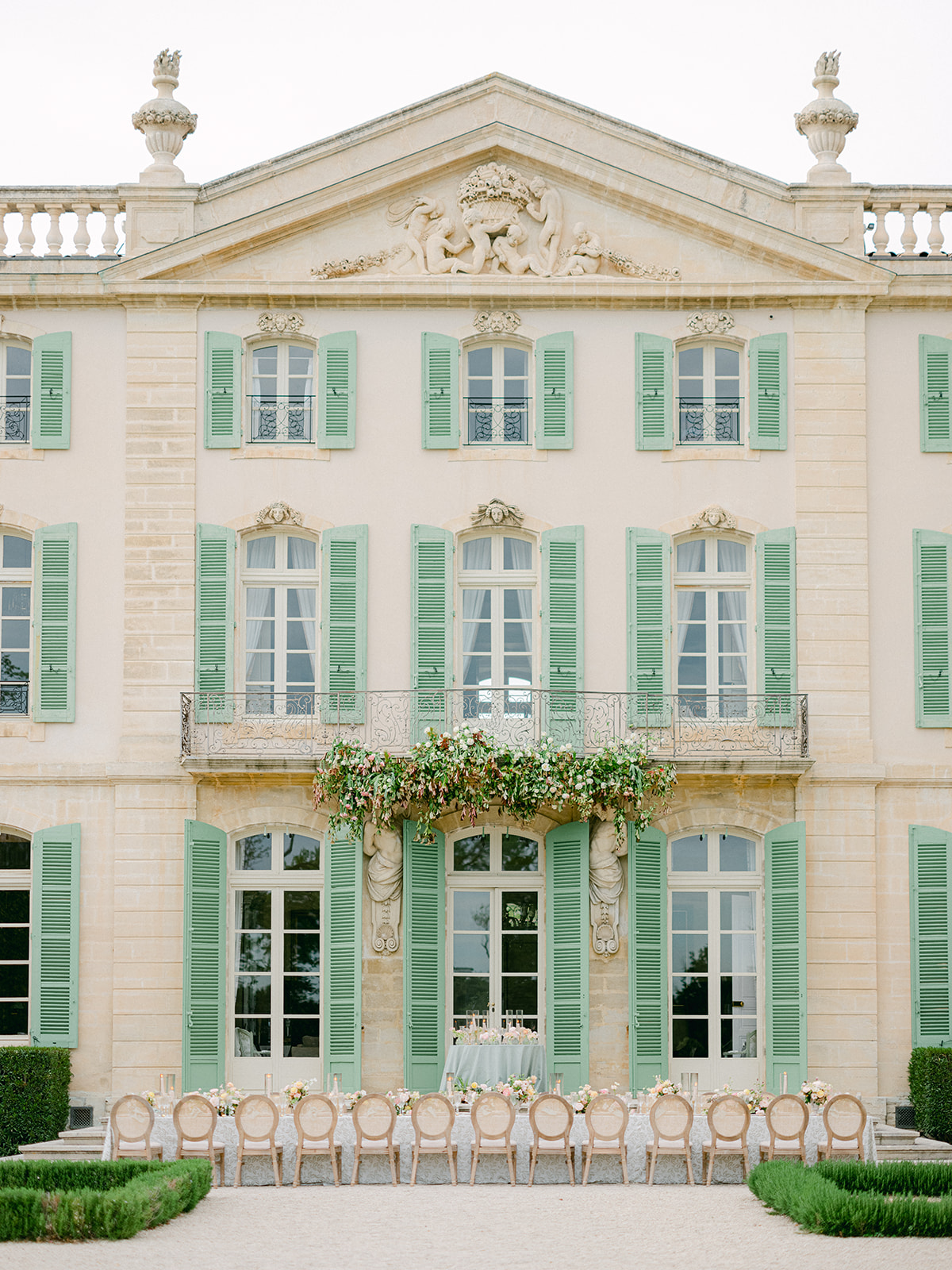
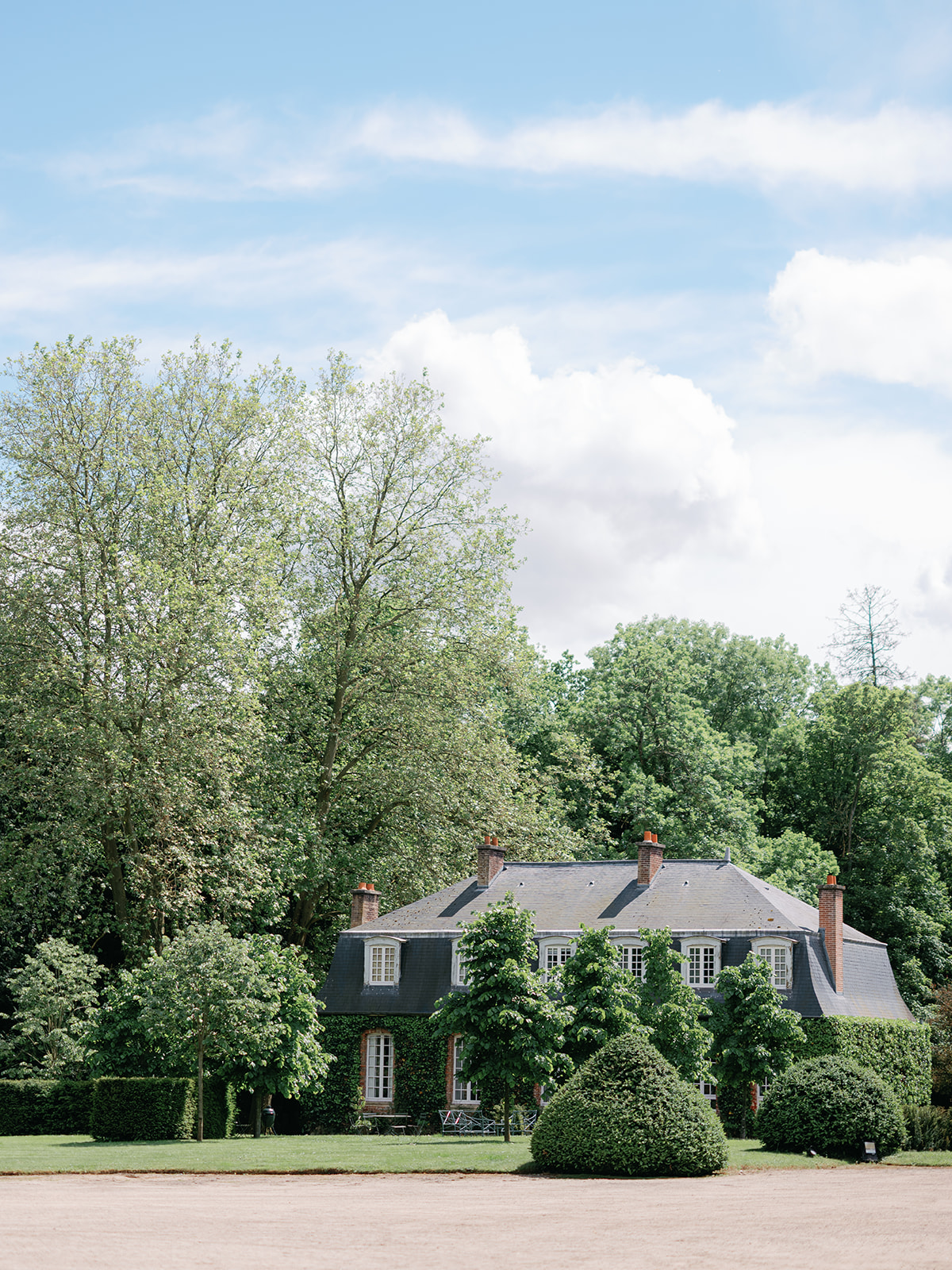
One of the most beautiful aspects of a château wedding in France is the possibility of a full wedding weekend — a multi-day celebration where guests stay on the property, share meals together across Friday, Saturday, and Sunday, and experience France together rather than simply attending a single event. The best château wedding experiences I photograph are consistently the ones where the couple has thought carefully about how their guests will experience the entire weekend, not just the Saturday.
Your guests will appreciate a well-planned Château wedding in France that enhances their overall experience.
Most châteaux offer limited on-site accommodation — anywhere from 12 guests in a single guesthouse to 50 to 100 guests in multiple rooms and cottages, depending on the property. This creates a hierarchy that couples need to navigate thoughtfully: which guests get the on-site rooms, which guests stay in nearby hotels, and how transportation between those hotels and the château works across the weekend.
For guests staying off-site, transportation logistics matter more than couples typically anticipate. If the château is rural — as many of the most beautiful ones are — there may be no practical way for off-site guests to arrive and return independently. Shuttles or private transport need to be organized for the rehearsal dinner, the wedding day itself, and any Sunday events. This is not a minor operational detail — it is a meaningful wedding-weekend expense that needs to be planned and budgeted from the beginning.
Ask the château what accommodation is included in your rental, what the booking arrangement is for guest rooms, and whether the venue can recommend nearby hotels for overflow guests. Book those overflow rooms early — châteaux in popular regions of France can exhaust local accommodation supply on peak summer weekends.
French Wedding Timelines Are Later Than You Think
Understanding the timelines for a Château wedding in France can help set the right atmosphere for your special day.
This was one of the hardest things for me to wrap my head around, as I am so accustomed to weddings ending before midnight in the US. If you are like me and are accustomed to American wedding timelines, the French approach will require a little adjustment.
Ceremonies at French château weddings rarely begin before 4:00 PM. Many begin at 5:00 or even 6:00 PM. The thinking is entirely logical by French standards: the ceremony is followed by the vin d’honneur, which is followed by dinner, which runs until midnight or later. Beginning at 4:00 PM allows the entire sequence to unfold without rushing any element, and it positions the ceremony during the golden hour of the late afternoon — which, as a photographer, I can tell you is the single most beautiful light available on most clear days in France.
This later timeline also means that the morning of the wedding day is genuinely available for getting ready without the pressure that an American 2:00 PM ceremony typically creates. Couples have time for a relaxed breakfast, for a leisurely hair and makeup process, for a first look and portraits before the ceremony without anyone feeling hurried. I regularly plan engagement or portrait sessions for the wedding morning when the timeline permits, which produces some of the most relaxed and beautiful images of the day.
What a Wedding Weekend in France Actually Looks Like
Planning a wedding weekend at a Château wedding in France allows for deeper connections among guests.
The French approach to wedding celebrations is typically multi-day, and the weekend structure is worth understanding in detail because it differs meaningfully from the American model.
Friday typically involves a welcome cocktail or a rehearsal dinner — a less formal gathering where arriving guests meet each other, where the wedding party relaxes, and where the first impressions of the château are made. At the best château weddings, this Friday evening is as memorable as the Saturday itself.
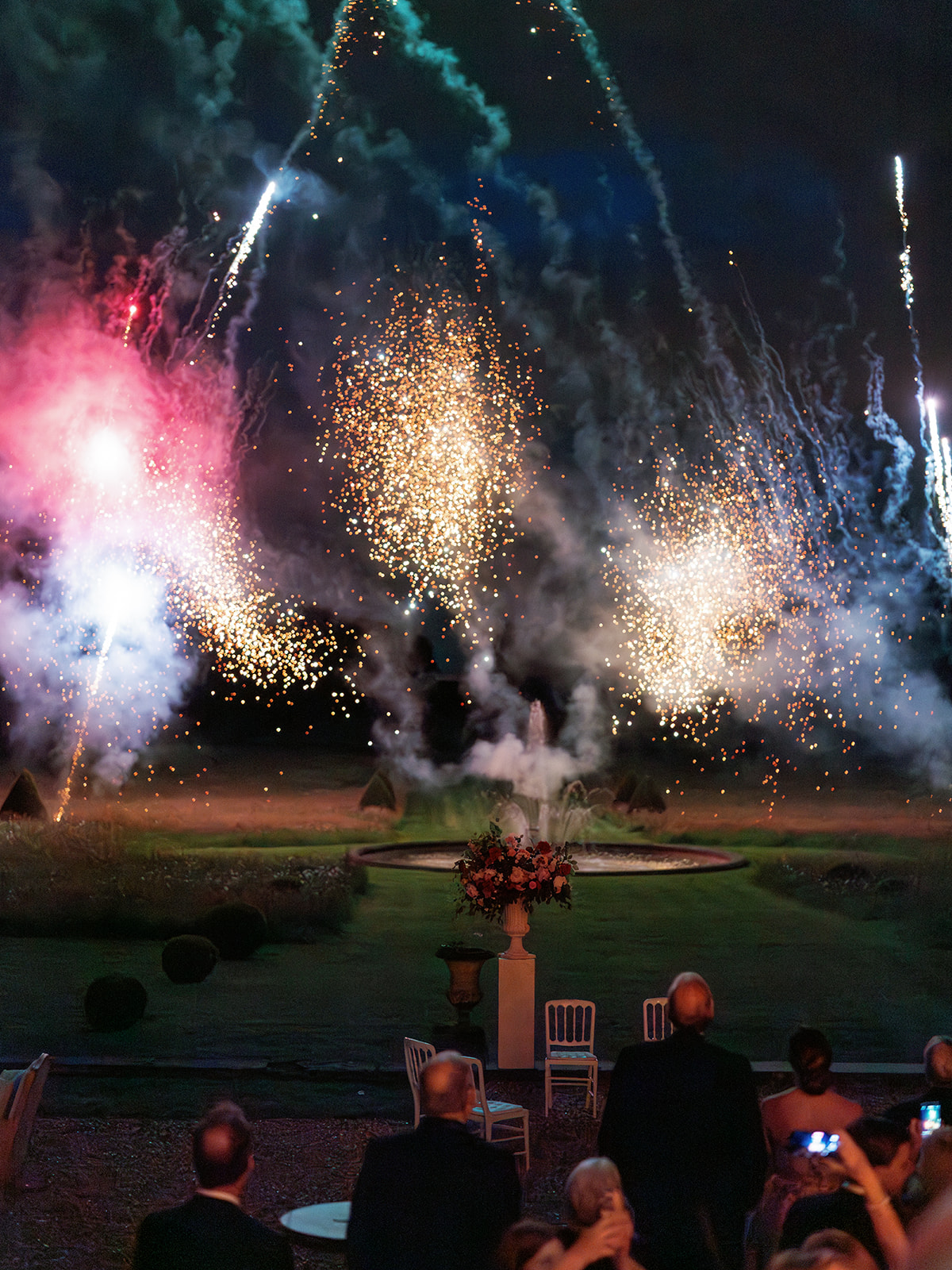
Saturday is the main event: ceremony, vin d’honneur, dinner, dancing, and typically a late-night moment — fireworks over the château grounds, a dessert table opened at midnight, or the more recent French tradition of le brunch gras — a rich breakfast spread offered at 2:00 or 3:00 AM for guests still celebrating.
Sunday is the farewell brunch — often the moment couples most underestimate and guests most cherish. A relaxed Sunday brunch in the château gardens, with the weekend’s celebration still fresh and the departure pressure not yet felt, creates a quality of connection and warmth that a single-day event cannot replicate.
The Language Question
The language dynamics can add a unique flavor to your Château wedding in France experience. France is France. The country’s relationship with its own language is a matter of genuine national pride, and while English is widely spoken in the Parisian wedding industry and increasingly in the destination wedding market elsewhere in France, vendors, mayors, caterers, and venue managers will conduct business primarily in French unless otherwise agreed upon. Your wedding planner is your translator in the most literal and practical sense — not just between languages but between cultural approaches to how things are done.
I have worked with many English speaking wedding vendors in France and would be more than happy to share their information with you. Just send me a message and I would be delighted to help you out.
Ensure your planner is genuinely bilingual in the specific context of wedding planning, not just conversationally proficient in English. The contracts you will sign will be in French. The vendor calls will be conducted in French. The day-of coordination will happen in French. Having a planner who can represent your interests fluently in both languages is not a convenience — it is a necessity.

Choosing Your Season Carefully
France’s weather is not the reliably Mediterranean idyll that some couples imagine when they book a June or July château wedding. The Loire Valley can be genuinely hot in July. Provence can be windy. Paris can have gray, overcast days in any month. The Champagne region can turn cool and rainy in September.
Choosing the right season is critical for a successful Château wedding in France to enjoy beautiful weather.
May and June are the most reliably beautiful months across most of France — warm enough for outdoor celebrations, not yet at the peak heat of summer, with long evenings and the best light. September and October offer the golden quality of autumn light that photographers find extraordinary, as well as harvest season in the wine regions, cooler evenings that make the fires and the late-night atmosphere more authentic, and slightly lower peak-season pricing in some cases.
If you are committed to an outdoor ceremony with no indoor backup, discuss this honestly with your planner and build a genuine rain plan that you would be happy executing rather than devastated by. The most prepared couples are the ones who have invested as much creative energy in the rain plan as in the primary outdoor vision.
Working With Your Photographer From a Distance
Your wedding photographer is the professional you will communicate with most frequently across the planning period, and for a château wedding in France, working with a photographer who knows France — who has photographed at your specific venue, who understands the light at different seasons and times of day, who has relationships with French planners and understands how French wedding timelines work — is meaningfully different from booking a photographer who has never worked in France and is learning alongside you.
Working with a knowledgeable photographer can significantly enhance your Château wedding in France experience.
Ask your photographer whether they have photographed at your venue before. Ask what time of year produces the best light at that specific location. Ask how they approach the timeline building for a French wedding given the later ceremony times. Ask what happened at a wedding that did not go according to plan and how they adapted.
The answers will tell you whether you are working with someone who has genuine expertise in the specific context of your château wedding in France or someone who is enthusiastic and talented but learning on your day.
The Permits and Insurance Nobody Tells You About
Event liability insurance is required by most French châteaux and is not something that transfers from American homeowners or renters policies. You will need to obtain a specific event liability policy for the wedding, typically providing a minimum of €1 million in general liability coverage, and the certificate must be submitted to the venue by a specified deadline in advance of the event. Your planner will know what is required; do not leave this until the last moment.
For outdoor fireworks, pyrotechnics, or certain entertainment elements, additional permits may be required from local authorities. Some communes require advance notification for events above certain guest counts. Open flames inside historic buildings may be entirely prohibited. Your planner should navigate all of these requirements on your behalf, but you should be aware that they exist and ask specifically which permits apply to the elements you are planning.
Understanding the permits necessary for a Château wedding in France is essential for a smooth planning process.
The Details That Make France Feel Like France
After all the logistics, I want to say something about what a château wedding in France genuinely offers when it is done well, because the logistical complexity is real but it is not the point.
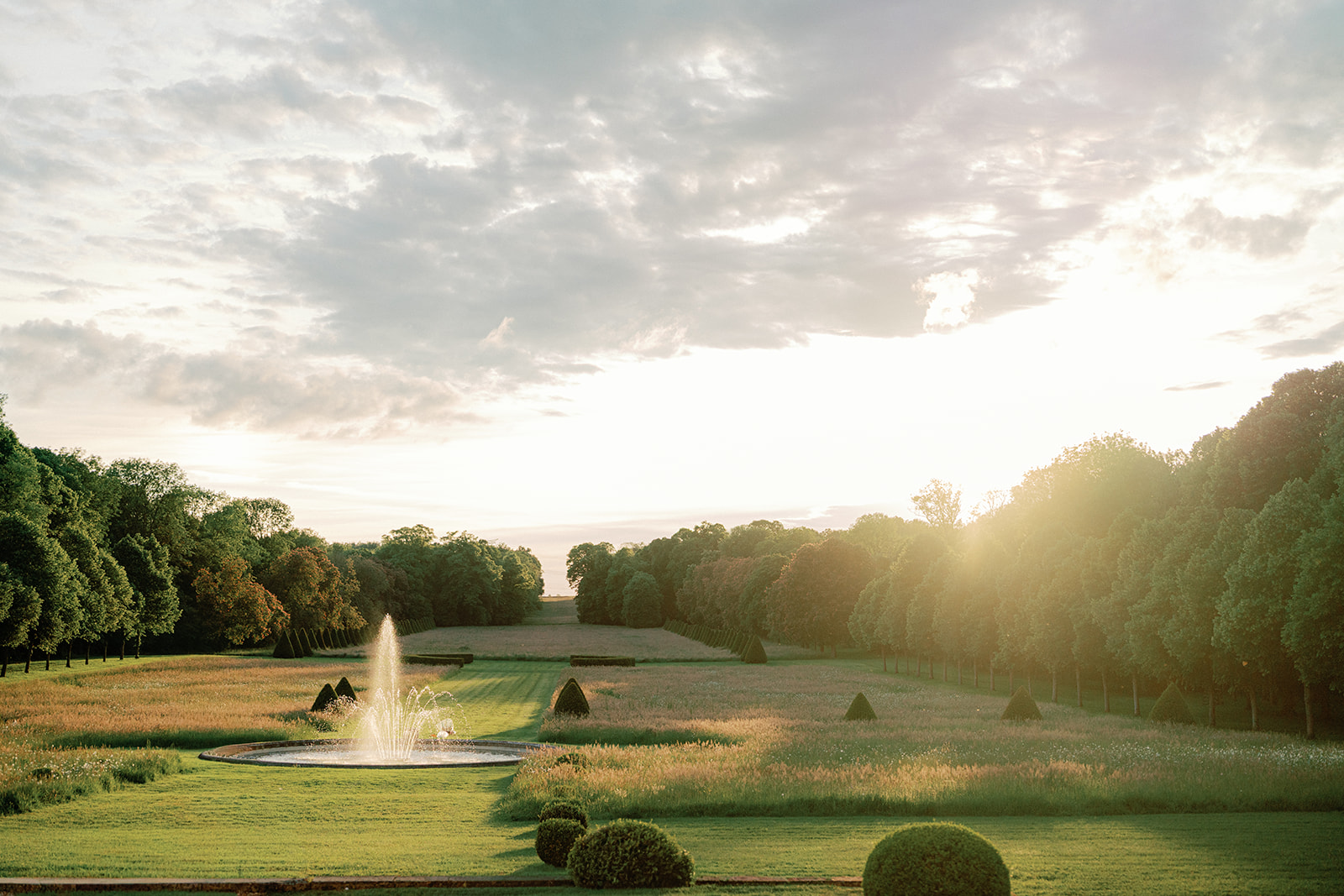
The point is the specific quality of the light in the Loire Valley at 7:00 PM on a late June evening, when it falls across the château’s stone at an angle that architecture photographers travel from around the world to capture. The point is a dinner that takes three hours because everything on the table is worth taking three hours over, and because the conversation around it is better when it is not being rushed toward the next element of the evening. The point is guests who flew from three different continents spending Saturday morning wandering the château’s gardens with coffee, and Sunday afternoon talking about it as the best weekend of their lives.
Ultimately, a Château wedding in France embodies the joy of celebrating love in a magnificent setting.
A château wedding in France is not simply a wedding at a beautiful location. It is a different relationship with time and with celebration — the French philosophy that the experience of gathering well, eating well, and honoring the people you love is itself the purpose of the day, not the backdrop to it. When couples understand that and plan around it rather than against it, the result is consistently extraordinary.
Planning a beautiful Château wedding in France can lead to unforgettable moments that last a lifetime.
If you are in the early stages of planning a château wedding in France and want to talk about venues, timelines, what the photography will look like, or simply what a full weekend at a French château actually feels like from the inside — I would love to have that conversation. Reach out through my contact page and let’s talk about your vision.






add a comment
+ COMMENTS