
Château La Durantie: A Helpful Wedding Venue Guide
There is a road that leads from the small village of Lanouaille into the private grounds of Château La Durantie, and by the time you have driven it for the first time you already understand something essential about the property. The long stone wall on the left, the trees of the park visible above it, the gradual sense that the world has become quieter and slower — and then the gates, and the avenue, and the château itself rising from the grounds with the confident authority of a building designed for precisely this kind of arrival.
I have photographed destination weddings across France for seventeen years and across the Périgord specifically for a significant part of that time, and every time I return to Château La Durantie I experience the same thing I experienced the first time: relief. This venue photographs itself. The light is good in every room, the grounds offer a new environment around every corner, and the combination of antique grandeur and genuine warmth makes every couple who stays here feel like they have arrived somewhere that was waiting specifically for them.
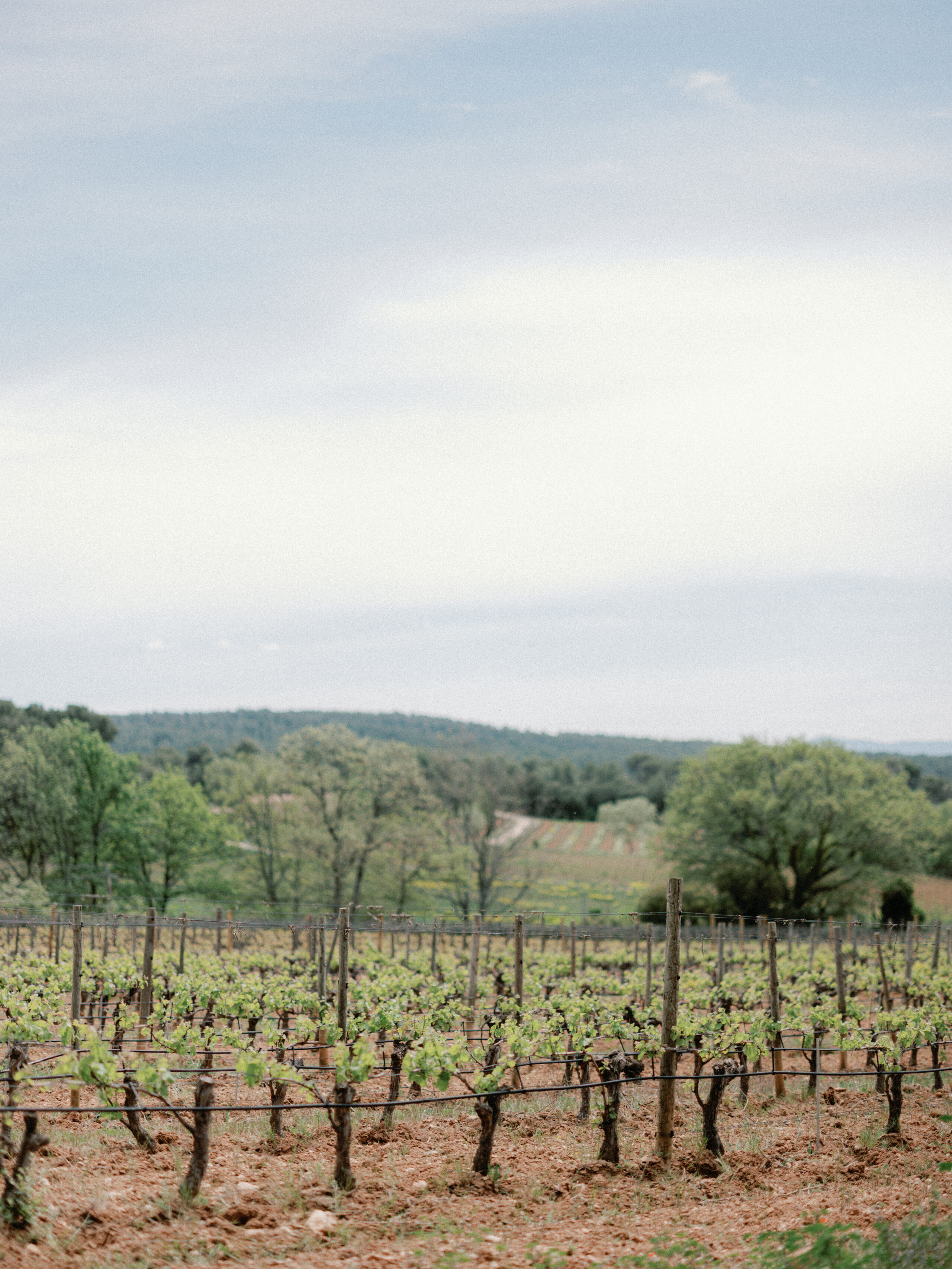
Château La Durantie is located just outside Lanouaille in the Périgord Vert — the green Périgord — in the northern Dordogne, one of the most deeply beautiful and deeply unspoiled regions of France. The Périgord Vert takes its name from the dense forest cover and the permanently verdant character of the landscape, and the effect is of a countryside that is lush and quiet and specifically French in the way that only regions without significant tourist infrastructure manage to be. There are no crowds here. There are sunflower fields, medieval villages, fruit orchards, trout rivers, and a sky at night that has almost no artificial light competing with it.
The Dordogne is one of France’s great gastronomic regions — foie gras, truffles, duck confit, walnuts, Bergerac and Pécharmant wines — and the cultural depth of the area, with its prehistoric caves, its Hundred Years War battlefields, and its concentration of medieval châteaux, gives a wedding weekend here a quality of place that couples whose guests have traveled internationally consistently describe as the most complete destination experience they have given their people.
This Chateau wedding venue has been named one of the most beautiful wedding venues in all of France.
The History: A Marshal of France and His Château
Château La Durantie was built in 1840 by Thomas Robert Bugeaud, the Duke of Isly — Marshal of France, military commander under Napoleon Bonaparte and King Louis-Philippe, and a figure whose military and political significance placed him among the most prominent men of early 19th-century France. The Duke was revered as a national hero, and he had, as one might expect of a man of his position and era, impeccable taste in domestic architecture.
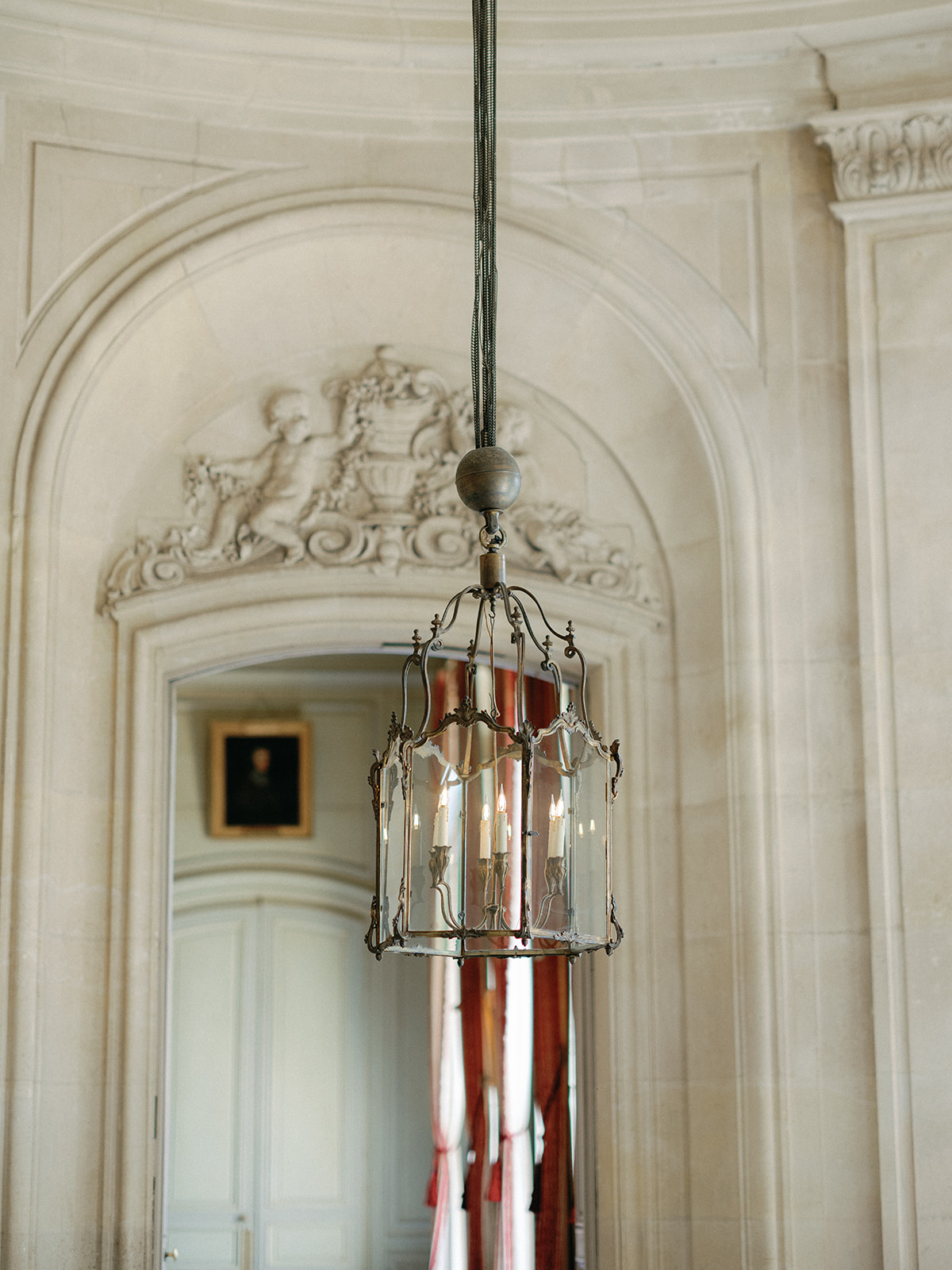
The château he built reflects the period’s understanding of how a gentleman of his standing should live — high ceilings that make every room feel immediately grand, original hardwood flooring, imposing fireplaces, a collection of valuable antiques accumulated across the property’s 180-plus years of continuous occupation — and the building’s proportions communicate a confidence and a permanence that many more decorated properties somehow fail to convey.
The estate has been renovated comprehensively in recent years, bringing every bedroom, every bathroom, and every reception room to a high contemporary standard while preserving the historical character that is the property’s essential quality. The marble bathrooms, the Frette bed linens, the high-quality sound systems installed within rooms that still carry their 19th-century architectural detail — the renovation understood what needed to change and what needed to remain. The result is a property that feels genuinely luxurious in contemporary terms while being irreducibly, authentically itself.
Over 450 weddings have taken place at Château La Durantie since it opened as a wedding venue. That number matters because it represents an accumulated body of experience — in vendor relationships, in logistical knowledge of the property, in the understanding of what works and what needs adjusting — that couples feel in the practical ease of their wedding day at this venue. The team knows their property the way you only come to know a place through years of hosting celebrations within it, and that knowledge translates directly into a smoother, more relaxed experience for couples planning from abroad.
The Architecture: Room by Room
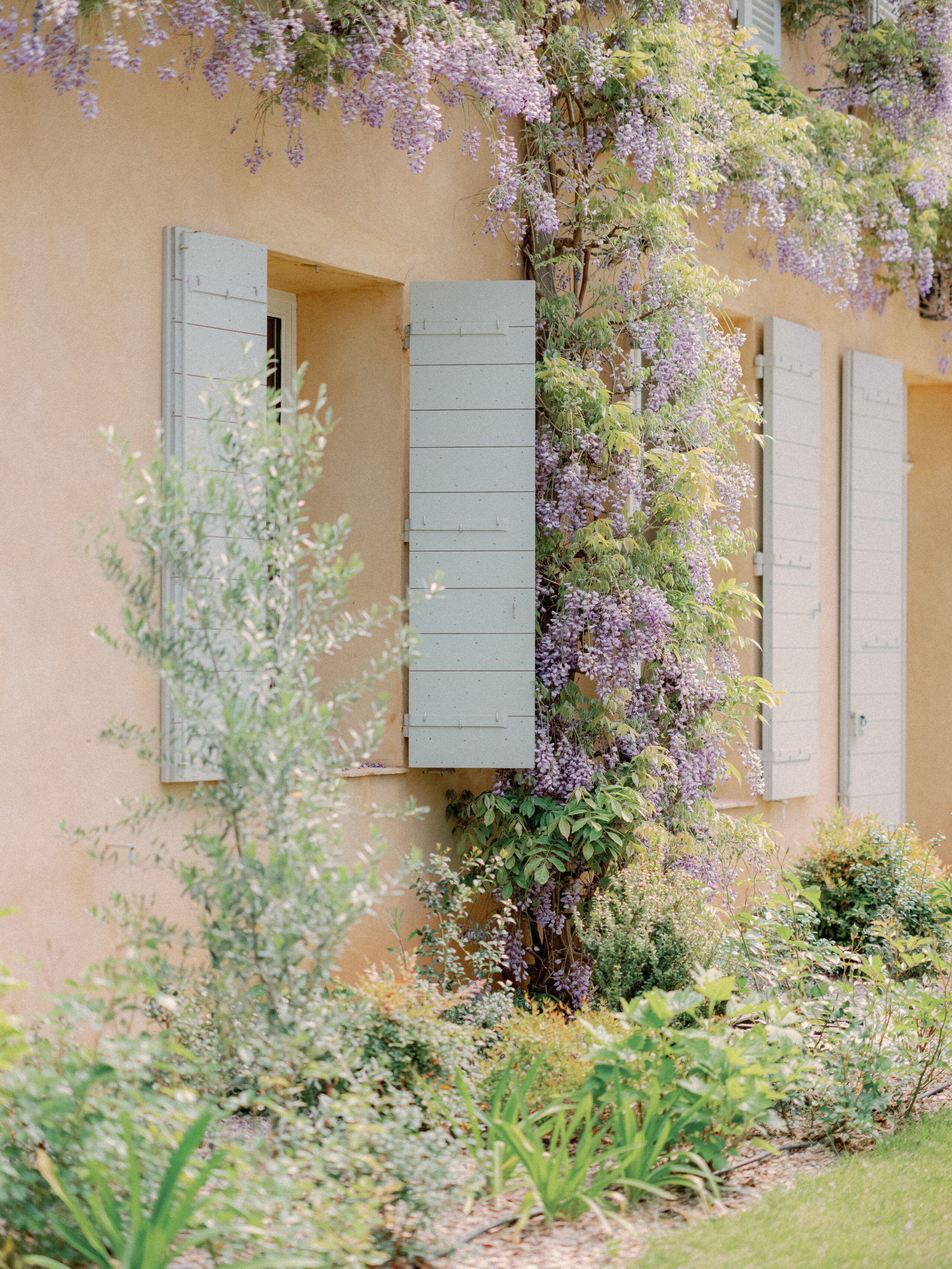
The château itself provides over 1,100 square meters of living space across three floors, and the ground floor is where I spend most of my morning on a wedding day. The formal drawing room is one of my preferred bridal portrait locations in the entire Périgord — the combination of the high ceilings, the antique furnishings, and the quality of the natural light through the tall windows produces a room that asks very little of the photographer beyond the instinct to be in the right place.
There is also a magnificent dining room, a library, a billiard room, a little salon, a TV room, an office, and two cloakrooms on the ground floor — a generous collection of distinct spaces that means the bridal party and their guests can spread across the château on the wedding morning without anyone feeling cramped or in each other’s way.
The staircase from the ground floor to the upper levels is one of the property’s most distinctive architectural features — a grand stone structure that is both imposing in scale and warm in character, and that serves consistently as a portrait location throughout the day. The bridal suite on the first floor, which occupies 80 square meters and includes a separate living room as well as a marble bathroom, is one of the finest getting-ready environments I work in anywhere in France.
The room’s light, its scale, and the antique detail that surrounds the modern comfort of the renovated suite combine to produce bridal preparation photographs of genuine quality — the kind where the room is doing active visual work rather than serving as neutral background.
On the first floor there are also a second suite of 55 square meters and three additional en-suite double bedrooms ranging from 30 to 45 square meters. The second floor adds further bedrooms including an apartment of 80 square meters, plus additional twin and double rooms sharing two marble shower rooms. All bedrooms have the same antique-furnished character as the reception rooms below, and the variety of sizes and configurations means the château can comfortably accommodate couples whose wedding party has different accommodation requirements.
The Coach House and the Cottage
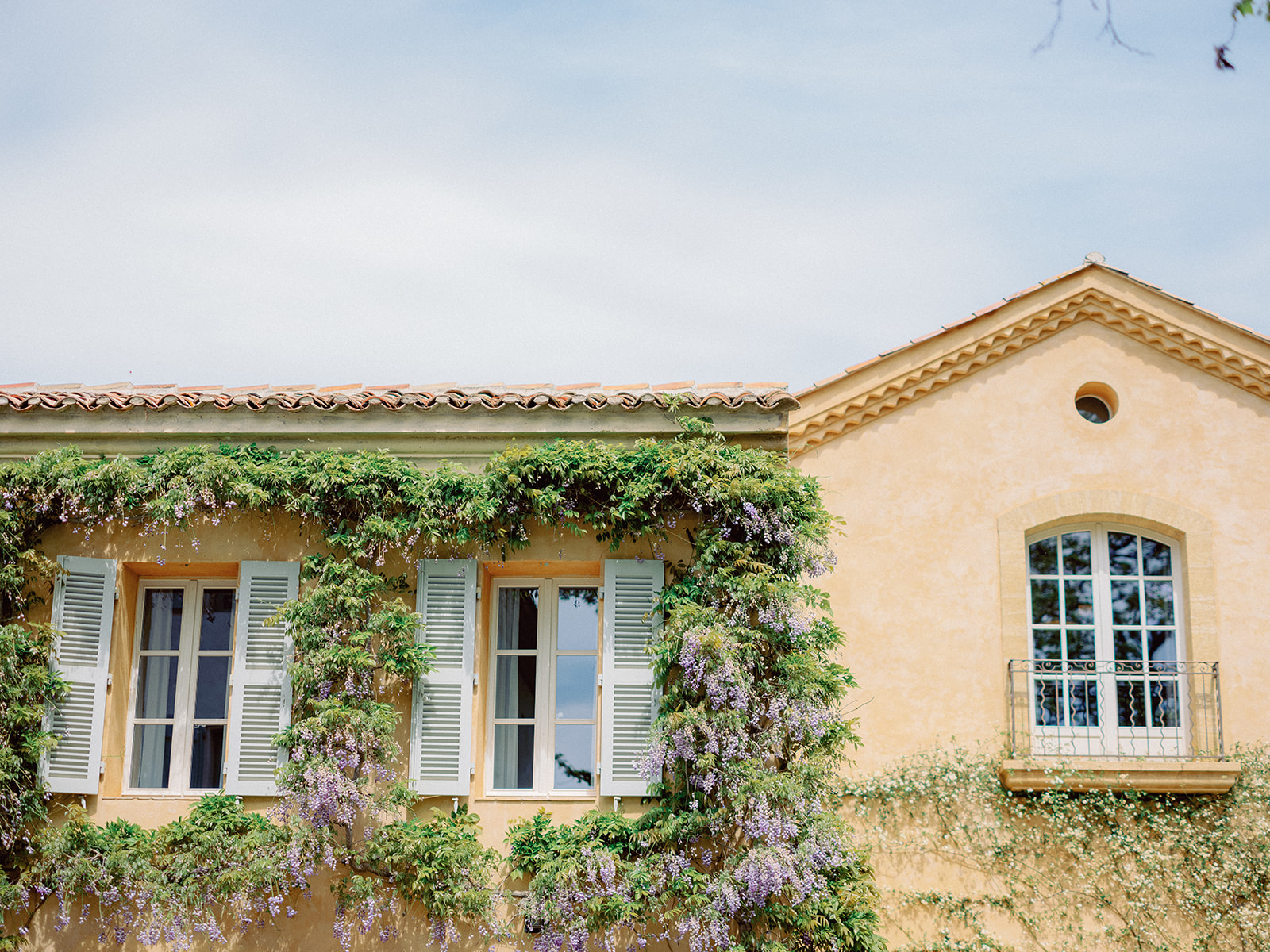
The Coach House, included in the standard château rental, provides eight additional en-suite bedrooms across two floors — seven rooms with marble shower rooms on the upper floor, each approximately 25 to 40 square meters with views across the valley and the park, plus a ground-floor accessible room for guests with mobility considerations. The Coach House has its own distinct character from the main château — quieter, slightly more private, and with those valley views that make the rooms particularly beautiful at dawn and golden hour.
The optional Cottage, available at an additional cost, sleeps ten more guests across five bedrooms in a self-contained stone building with a large open-plan kitchen, dining, and living room. For couples who want the maximum number of guests to sleep on-site — bringing the total to 40 across all three properties — the Cottage is the practical solution, and its self-contained character makes it ideal for a family group or a specific part of the wedding party who want their own space within the estate.
Together, the three buildings create something rare for a French destination wedding: the possibility for a substantial portion of the wedding party to share the same property across the entire celebration weekend, eating breakfast together in the mornings, gathering by the pool in the afternoons, and experiencing the Périgord landscape together in the unhurried way that destination weddings at their finest offer.
The Grounds: 12 Acres for a Wedding Weekend
The 12-acre enclosed park at Château La Durantie is one of the property’s most consistent photographic gifts, and it is where I spend a significant proportion of every wedding day here. The scale of the grounds means that a wedding of 150 guests disperses comfortably across the estate without any section feeling crowded, and the variety of distinct environments — formal garden areas, the lavender avenue, the cypress tree walk leading to the stone bandstand at the edge of the grounds, the fruit orchard, the heated pool area, the rolling countryside visible beyond the estate walls — gives the day a genuine sense of movement and discovery that more contained venues cannot provide.
The lavender avenue is the feature I hear couples describe most often when they tell me why they chose this venue, and for good reason. The rows of lavender running along one of the estate’s paths have served as the aisle for dozens of ceremonies — the bride walking from the main house toward the outdoor ceremony area through the fragrance and color of the lavender in full bloom.
In June, when the lavender is beginning to come into its own and the Dordogne days are long and warm without yet reaching peak summer heat, the combination of the lavender avenue, the green landscape visible beyond the château’s walls, and the golden light of the late afternoon is specifically, irreplaceably beautiful. I plan portrait sessions along this avenue consistently, and the images produced there have a quality of place — you know exactly where you are, and you know that it is somewhere exceptional.
The stone bandstand at the end of the cypress tree avenue is the outdoor ceremony location I most frequently recommend to couples, and the one that appears in the majority of the outdoor ceremony photographs I have made at this venue.
The avenue of tall cypress trees creates a natural aisle of considerable drama — the couple processing between the vertical lines of the trees with the château visible behind them and the bandstand ahead — and the circular stone structure itself frames the celebrant and the couple against the Périgord countryside in a way that makes the ceremony images immediately and specifically beautiful.
For couples who want their ceremony in the open air with the landscape of France as the backdrop rather than any designed interior, this is one of the finest outdoor ceremony settings I work in anywhere in the southwest.
The heated pool occupies its own corner of the grounds and becomes the social center of the wedding weekend on the day before and the day after the ceremony. A poolside BBQ on Friday evening for arriving guests and a Sunday brunch by the pool for departing ones are traditions at Château La Durantie that wedding photographers love — the relaxed, warm, genuinely connected quality of people who have been sharing a château for three days shows in the images in a way that no single-day celebration can replicate.
The Marquee: Where the Reception Happens
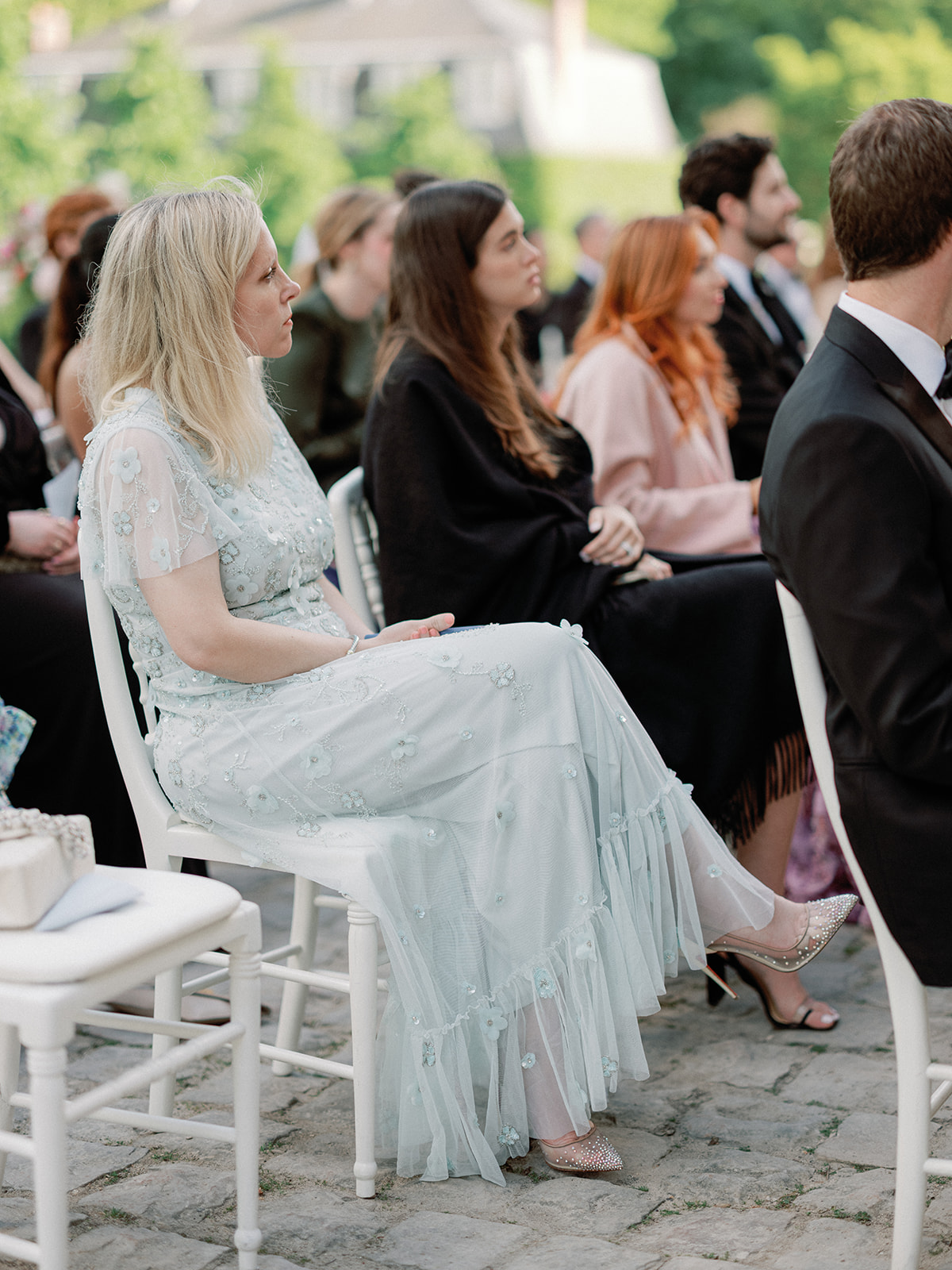
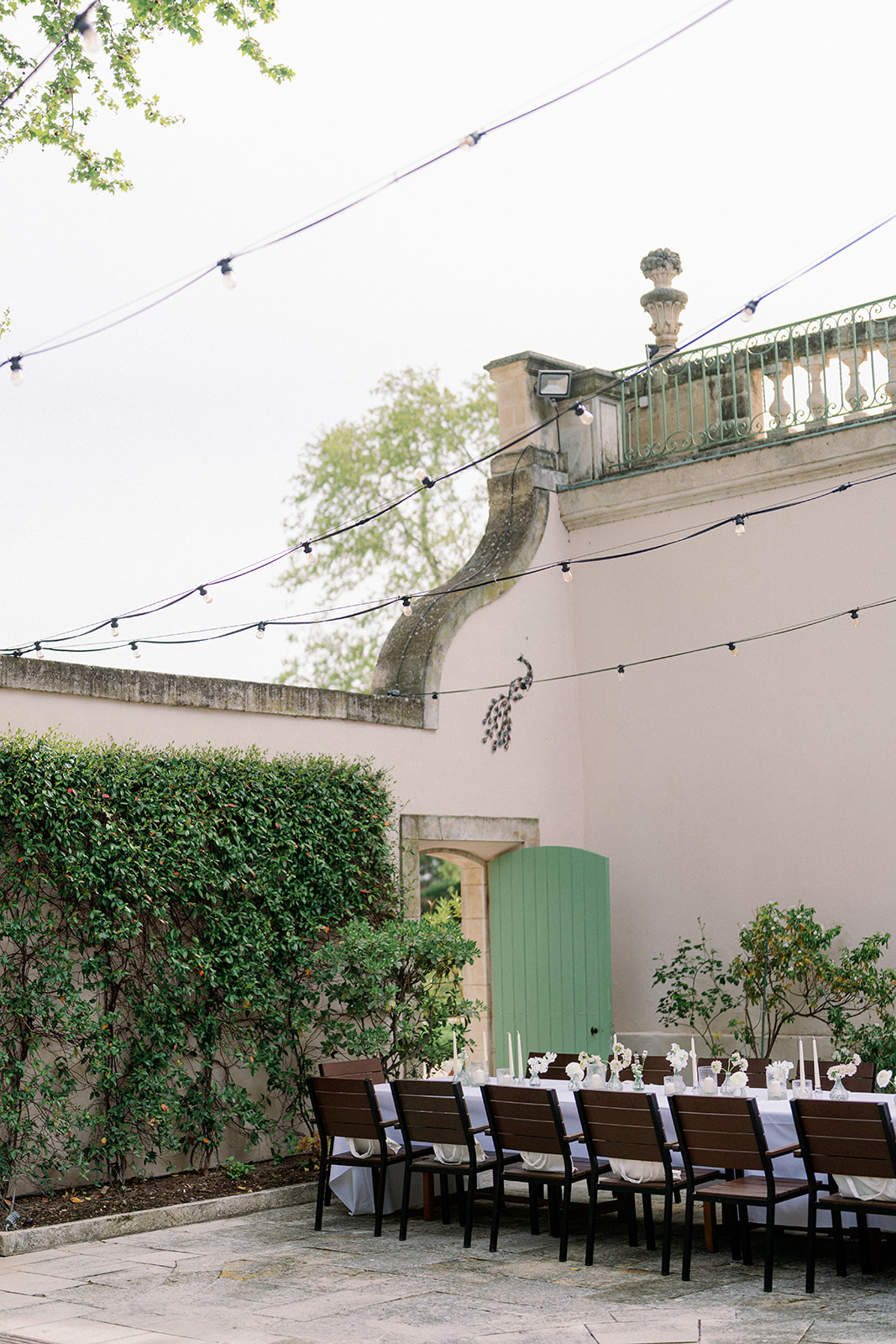
Château La Durantie is a dry-hire venue — couples bring in their own caterer, from a well-established network of local Dordogne suppliers recommended by the venue — and the primary reception space is the estate’s own permanent marquee, available for receptions of up to 150 guests. At 18 meters by 9 meters, this is a substantial dedicated event space, fitted with chandeliers and a wooden dance floor and with enough visual character that relatively minimal additional decoration produces a genuinely beautiful setting. The marquee’s position within the grounds allows it to be connected seamlessly to the outdoor cocktail terrace on the château’s stone facade, so the transition from drinks reception to dinner feels organic rather than managed.
The estate’s stone terrace — where the cocktail hour most naturally unfolds, with the château’s impressive facade behind the guests and the gardens stretching ahead — is one of the finest cocktail hour environments I photograph at any Dordogne venue. The combination of the château’s warm stone lit by the late afternoon sun, the guests gathered with drinks on the terrace, and the sounds of the Périgord countryside beyond the estate walls creates a quality of atmosphere at this phase of the day that I consistently find moves quickly — the light is good, the setting is beautiful, and the marquee calls.
I plan the couple’s golden hour portrait session specifically around this cocktail hour timing, typically taking them away from the terrace for thirty to forty minutes just before the sun drops below the treeline, when the light across the château’s grounds is at its most extraordinary.
Practical Details: Pricing, Capacity, and What Is Included
Château La Durantie is rented on an exclusive basis — no shared access, no other events on the property, complete privacy throughout the stay. Rental rates for 2026 run as follows: the château and coach house without the cottage start at €21,900 for three nights in May, €22,300 for June and September, and €22,800 for July and August. Three-night stays with the optional cottage added begin at €24,100 in May, €24,600 in June and September, and €25,200 in July and August.
Four-night rentals in each season add approximately €1,600 to the base rate. Midweek rentals start from €18,000, making this an option worth considering seriously for couples whose wedding party has scheduling flexibility and who want a more relaxed version of the peak-season price. All rates include accommodation and applicable taxes; catering, florals, entertainment, and additional services are arranged through the venue’s network of preferred local suppliers.
The venue accommodates up to 150 guests for the wedding ceremony and reception. Overnight accommodation without the cottage sleeps 30 guests across the château and coach house; with the cottage, this extends to 40. The ground floor reception rooms — drawing room, dining room, billiard room, library, little salon — are available for the wedding party throughout the stay. The heated pool, tennis court, five-a-side football pitch, table tennis, and bicycles provide weekend activities for guests who want to make the most of the estate beyond the celebration itself. A golf course is seven minutes from the property; a lake offering swimming, water skiing, and canoeing is eight minutes away.
The venue is available to couples from any background and any tradition. The wedding team has worked with couples from across the UK, the US, Australia, continental Europe, and beyond across its 450-plus weddings, and the bilingual French and English support means that destination couples planning from abroad can communicate with the property directly and effectively. A curated list of experienced local suppliers — caterers, florists, planners, photographers, videographers, musicians, officiants, and makeup artists — is provided to all enquiring couples, and the venue’s team can make specific recommendations based on the couple’s vision and budget.
Getting There
Château La Durantie is located at 24270 Lanouaille, in the Périgord Vert of the northern Dordogne, positioned between Périgueux and Limoges in the broader geography of southwest France. The estate is approximately 1.5 kilometers from the center of Lanouaille village.
The two closest airports are Limoges-Bellegarde and Brive-Souillac, each approximately 50 minutes by car from the château. Limoges is the most practically useful for international guests, with multiple direct flights from London and other UK airports, a Paris connection by direct train in approximately three hours, and the widest choice of ground transportation options. From Limoges station, a local train connects to Saint-Yrieix-la-Perche, which is just 12 minutes by car from the château — making the train a genuinely practical option for guests who prefer not to drive. Bergerac Airport is 90 minutes away, Bordeaux approximately two hours, and Toulouse three hours.
For guests driving from Paris, the journey takes approximately four to five hours depending on the route, and the drive through the Loire Valley and into the Périgord is not an unpleasant one. The venue’s team can recommend local taxi companies for shorter transfers and arrange group shuttles for wedding weekend logistics between Lanouaille, Limoges, and the estate. Pre-booking any ground transportation is strongly advised — rural France does not have the ride-sharing infrastructure of cities, and the local taxi supply on peak summer weekends can be limited.
The Best Season at Château La Durantie
The Dordogne wedding season runs comfortably from May through September, with June and early July representing the sweet spot in most years — warm and reliably sunny without the peak July and August heat that can make outdoor ceremonies and afternoon portraits genuinely challenging.
June is the month I recommend most consistently to couples who ask. The lavender avenue is coming into bloom, the Dordogne days are long — the light remains useful and beautiful until well past 9:00 PM — and the temperatures are typically in the comfortable 22 to 27°C (72 to 81°F) range that allows outdoor celebrations to run without heat management becoming a significant planning concern. The Périgord landscape in June is at its most abundant and most deeply green, and the contrast between the lush park and the cream-stone château in the late afternoon light is as beautiful as anything I photograph in southwest France.
July and August bring more heat — regularly reaching 28 to 32°C (82 to 90°F) and occasionally higher — but also the most reliably sunny conditions and the long summer evenings that make France’s southwestern regions feel distinctly and gloriously Mediterranean. For outdoor ceremonies I recommend a 5:00 PM or later start in July and August, and the pool becomes an essential part of the estate experience for guests spending the full weekend. The evening light in July and August at Château La Durantie, falling across the château’s golden stone in the hour before sunset, is extraordinarily beautiful, and the heat of the day does not persist into the evening — by 8:00 PM the temperature is usually comfortable for outdoor dancing.
September is the season I recommend to couples whose primary concern is photographic quality over reliability of sunshine. The September light in the Périgord has a warmth and a richness that July cannot quite achieve — lower angled, more amber, more directional — and the fruit orchard begins its harvest, the sunflower fields turn, and the countryside takes on the specific character of a French late summer that is more complex and more emotionally resonant than the unvarying green of peak summer. September weekends at Château La Durantie are also typically less expensive than peak summer, which can make a meaningful difference to a planning budget when applied toward catering, florals, or entertainment.
May is the underrated month. The lavender is not yet in full bloom but the gardens are fresh and the blossom is on the fruit trees in the orchard, and the light of a clear Dordogne afternoon in May has a quality of particular gentleness — not yet the assertive summer sun, not yet the long evenings of June, but a specific and lovely light that produces images with a softness that later months’ stronger light cannot replicate.
What I Tell Couples Who Ask About Château La Durantie
After seventeen years of photographing across France, I am confident in saying that Château La Durantie is one of the finest options available to any couple planning a destination wedding in the Dordogne or the broader southwest, and one of the most consistently excellent examples of the multi-day estate wedding experience that France does better than anywhere else in the world.
What makes it specific — what distinguishes it from the many other beautiful châteaux in this region — is the combination of three things that are individually common but rarely found together.
The first is the scale and quality of the accommodation across three buildings, which allows up to 40 guests to share the estate in genuine comfort and luxury rather than just using it as a backdrop.
The second is the variety and beauty of the outdoor environments, from the lavender avenue to the cypress tree walk to the bandstand to the orchard, which give the day a visual range and a sense of discovery that venues confined to a single garden cannot provide.
The third is the 180 years of history embedded in the stone and the antiques and the proportions of the rooms, which gives every photograph made here a quality of place that cannot be designed or manufactured.
If you are considering Château La Durantie and want to talk about what your specific wedding day might look like — in which season, in which light, across which spaces — I would love to have that conversation with you. Reach out through my contact page and let’s start planning.
