



The Best Season to Get Married in France: A Photographer’s Guide After Almost Two Years in Paris
I lived in Paris for almost two years, and it changed the way I think about everything — including photographing weddings and elopements. Before I lived here, I understood France the way most destination couples understand it: beautiful photographs, romantic light, lavender fields and golden stone châteaux. What living here has given me is something different and more useful. I know what October feels like in Provence when the mistral comes through. I know what a grey February afternoon does to the Seine. I know the specific quality of the light in Paris in late May when the chestnut trees are in full bloom and the city feels like it was designed specifically to be photographed.
I know, after nearly two years and weddings across nearly every region of this country, what France actually does to a wedding day — in every season, in every weather condition, in every part of this extraordinarily varied country. Many couples often wonder what is the best season to get married in France, as each season brings its own charm and beauty to wedding celebrations.
If you are planning a destination wedding in France — whether in Paris, Provence, the Loire Valley, Bordeaux wine country, the Champagne region, or the rugged coast of Brittany — this is the guide I wish every couple had before they booked their venue. Not the generic version. The real one, from someone who has been here and done the work across all of it. Understanding the best season to get married in France can enhance the overall experience for you and your guests.
First: France Is Not One Climate
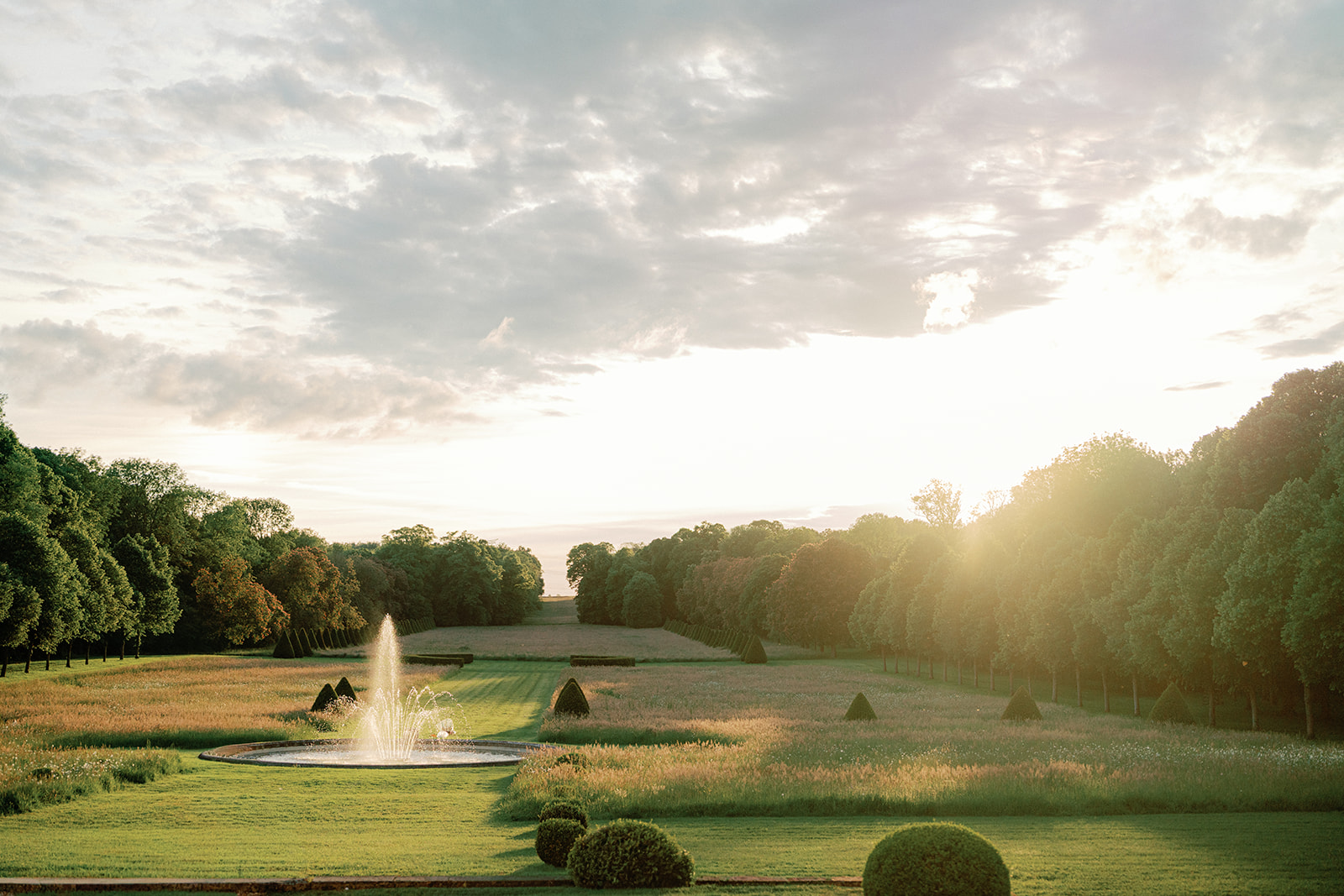
The most important thing to understand about weather in France is that this country spans an enormous range of climates, and the difference between planning a summer wedding in Brittany and a summer wedding in Provence is the difference between bringing a light jacket and wondering how your guests will survive the heat. Before you choose a season, choose a region — and understand what that region actually does with the weather.
Here is how the major wedding regions in France break down.
Paris and the Île-de-France
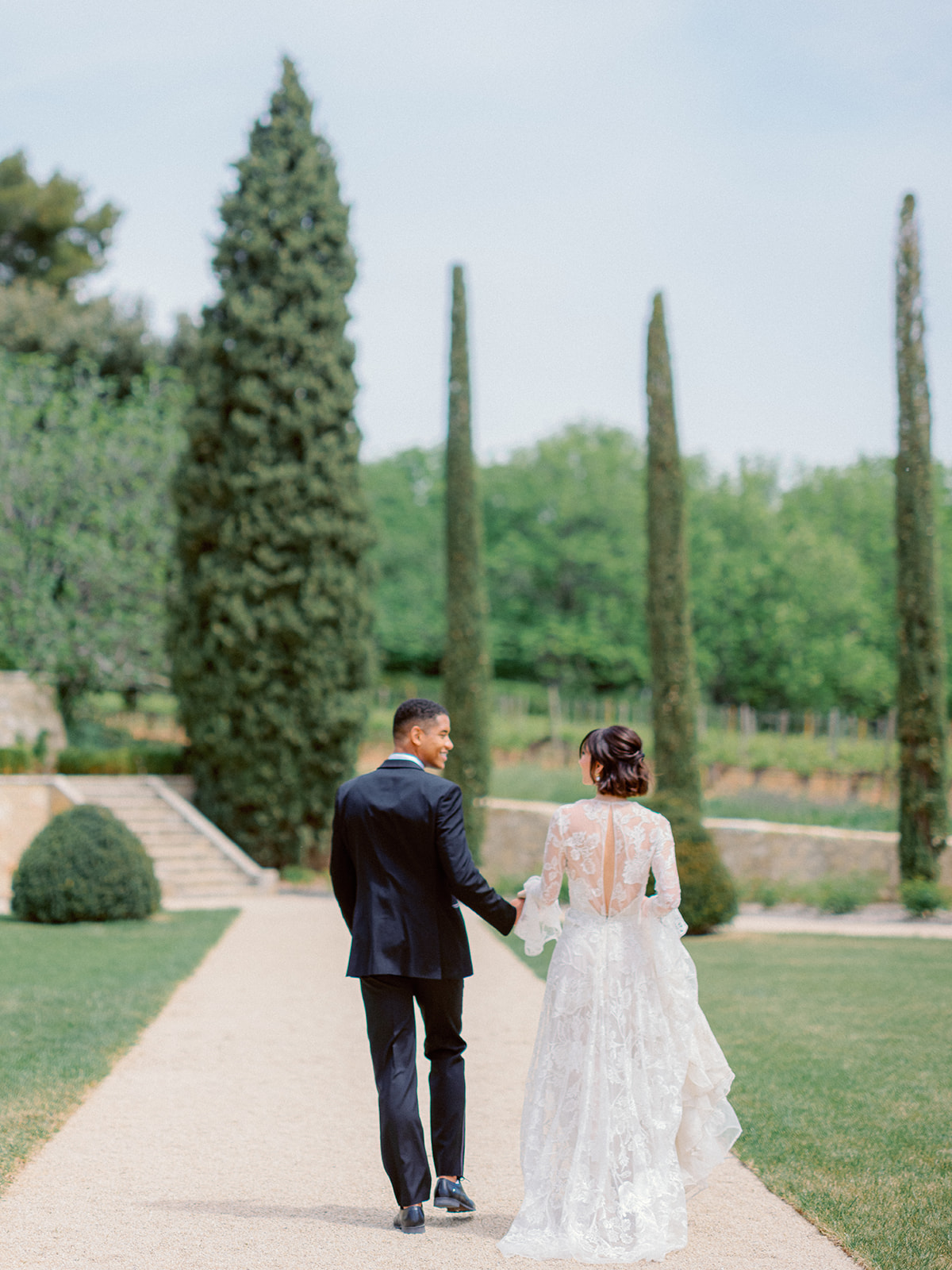
Living in Paris has given me a very specific relationship with the city’s weather, and the honest version of it is more nuanced than the romanticized one. Paris is not Mediterranean. It sits in a temperate oceanic zone, which means its seasons are real and pronounced, its summers are warm but rarely extreme, its winters are cold and grey rather than spectacular, and its spring and autumn are genuinely, deeply beautiful in ways that photographs struggle to fully capture.
Spring in Paris — April through June — is the season I personally love most as a photographer and as a resident. The chestnut trees lining the grands boulevards come into bloom in May. The parks fill with colour. The light has a quality that is specific to this latitude at this time of year — soft, even, warm but not harsh, lasting until 9:30 or 10:00 PM in June, which means golden hour stretches across an extraordinary window.

The Seine catches the late afternoon light differently in May than in any other month, and the stone of Paris’s buildings — Haussmann cream, the warm grey of Notre-Dame, the pale gold of the Marais — responds to spring light in a way that makes almost any photograph look exactly right. For photographers, knowing the best season to get married in France is essential for capturing stunning wedding images.
Summer in Paris — July and August — is warm and occasionally hot, with temperatures typically reaching 25 to 30°C (77 to 86°F) and occasionally higher during heat waves, which have become more frequent in recent years. July and August are also when Paris empties of Parisians and fills with tourists, which has practical implications for guests who want to explore the city. Hotels are fully booked well in advance. Venues compete for the same dates. And the light, while beautiful, is more overhead and less directional than in spring or autumn — still stunning, but different. The summer months are popular, but the best season to get married in France may actually be in the spring or fall for many couples.
Autumn in Paris — September and October — is my favourite season for photography. The light returns to its spring quality but with more amber warmth, the city regains its normal pace as Parisians return from August holidays, and the temperatures are comfortable — typically 15 to 20°C (59 to 68°F) in September, cooling noticeably in October. The trees along the Champs-Élysées and in the Bois de Boulogne turn in October, and the combination of the golden foliage and the amber afternoon light creates a specific Paris atmosphere that no other season replicates. As you consider the best season to get married in France, think about what type of atmosphere you want for your celebration.
In fact, October is often considered the best season to get married in France, particularly in Paris and Provence.
Winter in Paris — November through March — is the season most couples overlook and that can, in the right hands, produce some of the most dramatic and intimate wedding photographs I have ever made. The city is quieter. Hotels are significantly less expensive. The Christmas markets appear in December. The light is low and directional in a way that is genuinely spectacular for photography — when Paris has sun in January, it is extraordinary. The challenge is that rain is frequent, temperatures sit between 3 and 10°C (37 to 50°F), and the unpredictability requires contingency planning that warmer seasons do not.
Provence and the Côte d’Azur
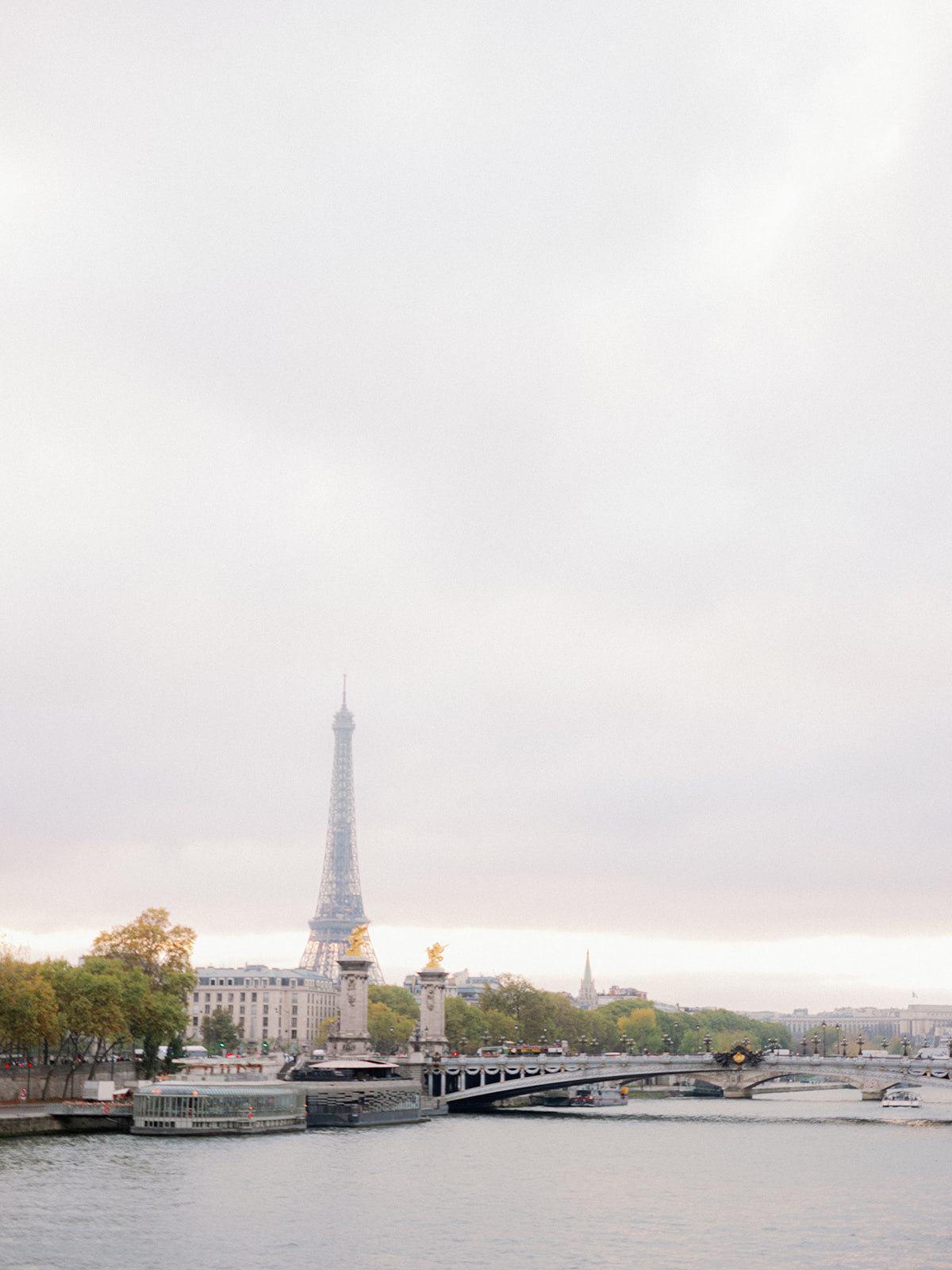
Provence has what is called a Mediterranean climate — hot, dry summers, mild winters, and the mistral to contend with. This is the France of lavender fields and terracotta rooftops, of the Luberon hillsides and the perched villages like Gordes and Les Baux-de-Provence that appear to have grown from the rock beneath them. I have photographed in Provence in every season and each one is genuinely beautiful, with important qualifications.
Summer in Provence is the season most couples want, and it is spectacular — but July and August bring heat that regularly reaches 35°C (95°F) and above, which has practical implications for outdoor ceremonies and for guests in formal attire. Outdoor ceremonies in the full afternoon sun in mid-July need to be planned carefully around shade and timing. I recommend late afternoon starts — 5:00 PM or later — so the worst of the heat has passed and the golden hour is approaching. Whether it is the vibrant blooms of spring or the golden leaves of autumn, knowing the best season to get married in France will help you decide.
The mistral is the other Provence reality that no one warns couples about adequately. This powerful, cold wind from the north can arrive with very little warning and can be genuinely strong — strong enough to disrupt outdoor ceremony décor, knock over floral arrangements, and make the experience of standing in a garden in a wedding dress significantly less comfortable than any photograph would suggest. Mistral events are most frequent in winter and spring but can occur at any time of year. A venue with genuine indoor backup capability is not optional in Provence — it is essential.
Spring in Provence — April through early June — is my personal recommendation for the region. The lavender is not yet in bloom (that happens June through early August), but the fields are green and the wildflowers are extraordinary. Temperatures are comfortable, the light is excellent, and the mistral risk is present but more manageable than in winter. May in Provence is genuinely one of the most beautiful months in this country.
Autumn in Provence is exceptional for photography and increasingly popular for weddings. September and October bring harvest season to the vineyards, amber afternoon light across the limestone hills, and temperatures that have cooled to a comfortable 18 to 25°C (65 to 77°F). The lavender fields are harvested and grey-brown rather than purple, but the overall landscape has a richness in autumn that summer’s drier palette cannot quite match.

The Loire Valley
France’s château country — the Loire Valley — occupies a climate zone between Paris and the Atlantic, with characteristics of both. Summers are warm and pleasant rather than hot, with typical temperatures of 22 to 27°C (72 to 81°F). Rain is spread relatively evenly through the year, which means there is no truly dry season and the risk of a rainy wedding day exists in every month. What the Loire Valley offers in return is extraordinary — the light on the châteaux in the golden hour, the river mist in early morning, the vineyards in autumn — and its spread of weather risk across seasons means that any season is viable with proper preparation.
I recommend May through June and September through October as the strongest windows for Loire Valley weddings. Summer is perfectly comfortable and the evenings are long, but July and August can be warm enough to make outdoor ceremonies in direct sun challenging. September is perhaps my favourite Loire month photographically — the vineyards begin to turn, the light becomes richer and more amber, and the quality of the morning light on the Loire châteaux is something I never tire of making images of.
Choosing the best season to get married in France also depends on personal preferences and the kind of wedding experience you envision.
Bordeaux and Nouvelle-Aquitaine
Many couples may find that the best season to get married in France aligns with their desired aesthetic and budget.
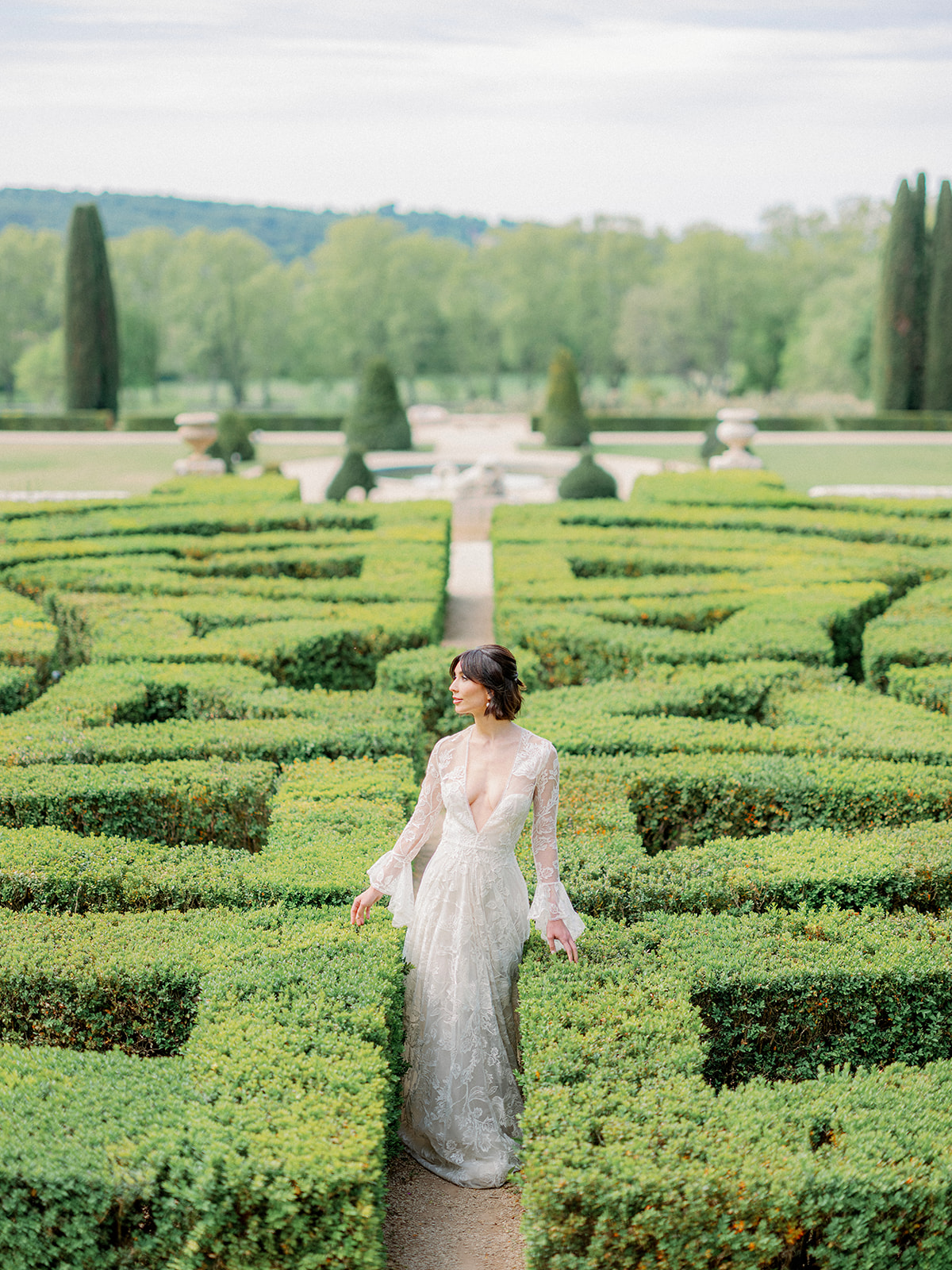
The Bordeaux region has one of the most reliably pleasant climates in France — warmer than Paris, cooler than Provence in summer, with the Atlantic moderating the extremes. Temperatures in summer reach 25 to 30°C (77 to 86°F) typically, the rainfall is distributed across the year, and the wine country landscape — the Médoc, Saint-Émilion, the Dordogne Valley — provides photographic environments that are genuinely exceptional in any season.
September and October in the Bordeaux region are particularly magnificent. Harvest season brings the vineyards to their most dramatic and colourful state — the leaves turning gold and red against the stone of the châteaux, the light of the southwest having a warmth and richness that summer’s more overhead sun cannot achieve. This is the season I recommend most consistently to couples considering this region, and the practical advantages of lower peak-season pricing in September and October add a meaningful financial argument to the photographic one.
Champagne
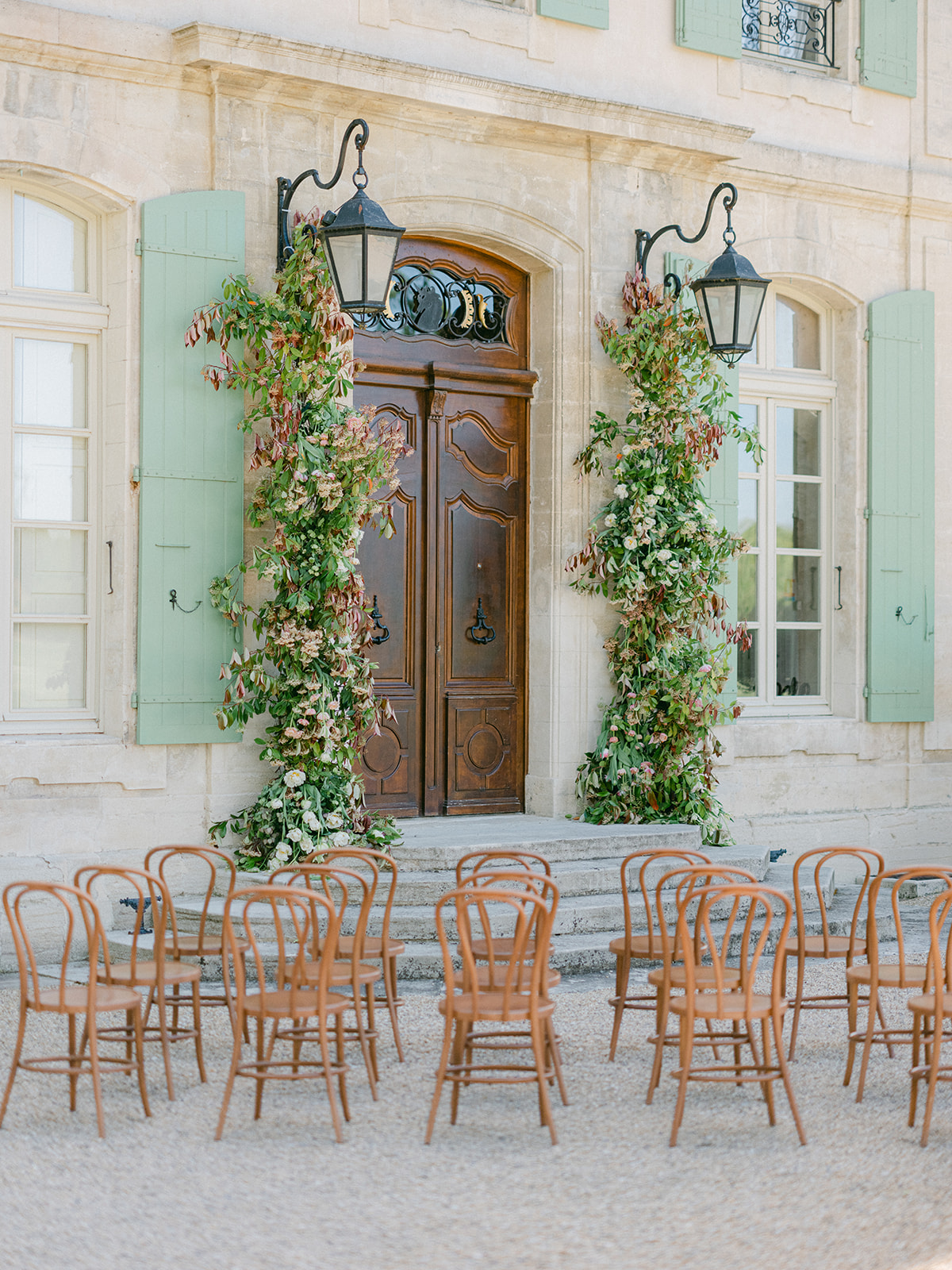
The Champagne region — Épernay, Reims, the Montagne de Reims — sits northeast of Paris in a climate that is cooler and more continental than the capital. Summers are warm and pleasant; winters are cold. The dominant landscape feature — the striped vineyards of the Marne Valley — is beautiful in every season but perhaps most spectacular in late September and October when the harvest begins and the vines turn gold above the Champagne houses of Épernay. Every region in France offers unique characteristics during different seasons, making the best season to get married in France a subjective choice.
Rain is a genuine consideration in Champagne at any time of year. Venues with solid indoor backup — like the Royal Champagne Hotel & Spa, which offers the full Champagne vineyard view from entirely protected indoor and terrace spaces — are particularly practical in this region, where the beauty of the outdoor setting needs to be accessible regardless of what the sky decides to do.
Brittany
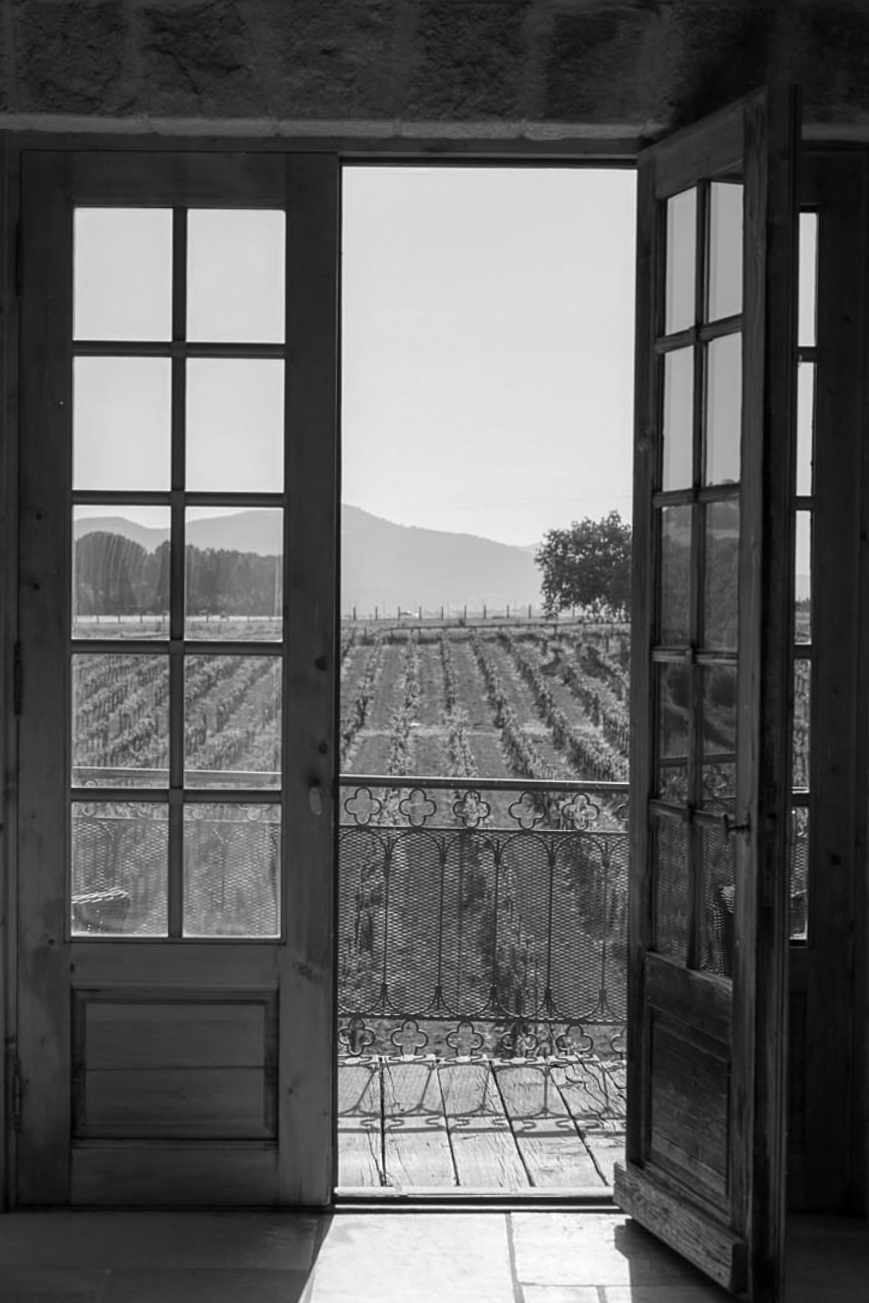
Ultimately, the best season to get married in France is the one that resonates most with you and your partner. Brittany is France’s Atlantic coast, and it behaves climatically the way you would expect an Atlantic coast to behave — which is to say, unpredictably. Brittany is genuinely beautiful: the rugged coastline, the medieval walled towns like Saint-Malo, the lush green interior of the Morbihan. But Brittany receives more rainfall than any other region in this guide, and wind is a constant presence in the coastal areas. It is not a region for couples who need certainty about outdoor conditions.
What Brittany offers in return is extraordinary character — the drama of the Breton landscape, the quality of the seafood, the medieval architecture, and venues like Domaine le Mezo in the Gulf of Morbihan that are genuinely unlike anything available anywhere else in France. Summer — June through August — is the most reliable season here, with temperatures in the comfortable 18 to 23°C (65 to 73°F) range and the Atlantic light doing its specific thing on the coast and the inland waterways. Even in summer, a rain plan is not optional in Brittany.
Season by Season: When to Get Married in France
Spring (April to June): My Personal Favorite
After living in Paris for almost two years, spring has become the season I advocate for most confidently. The reasoning is consistent across regions. When it comes to choosing the best season to get married in France, it is essential to consider the experiences you want to create.
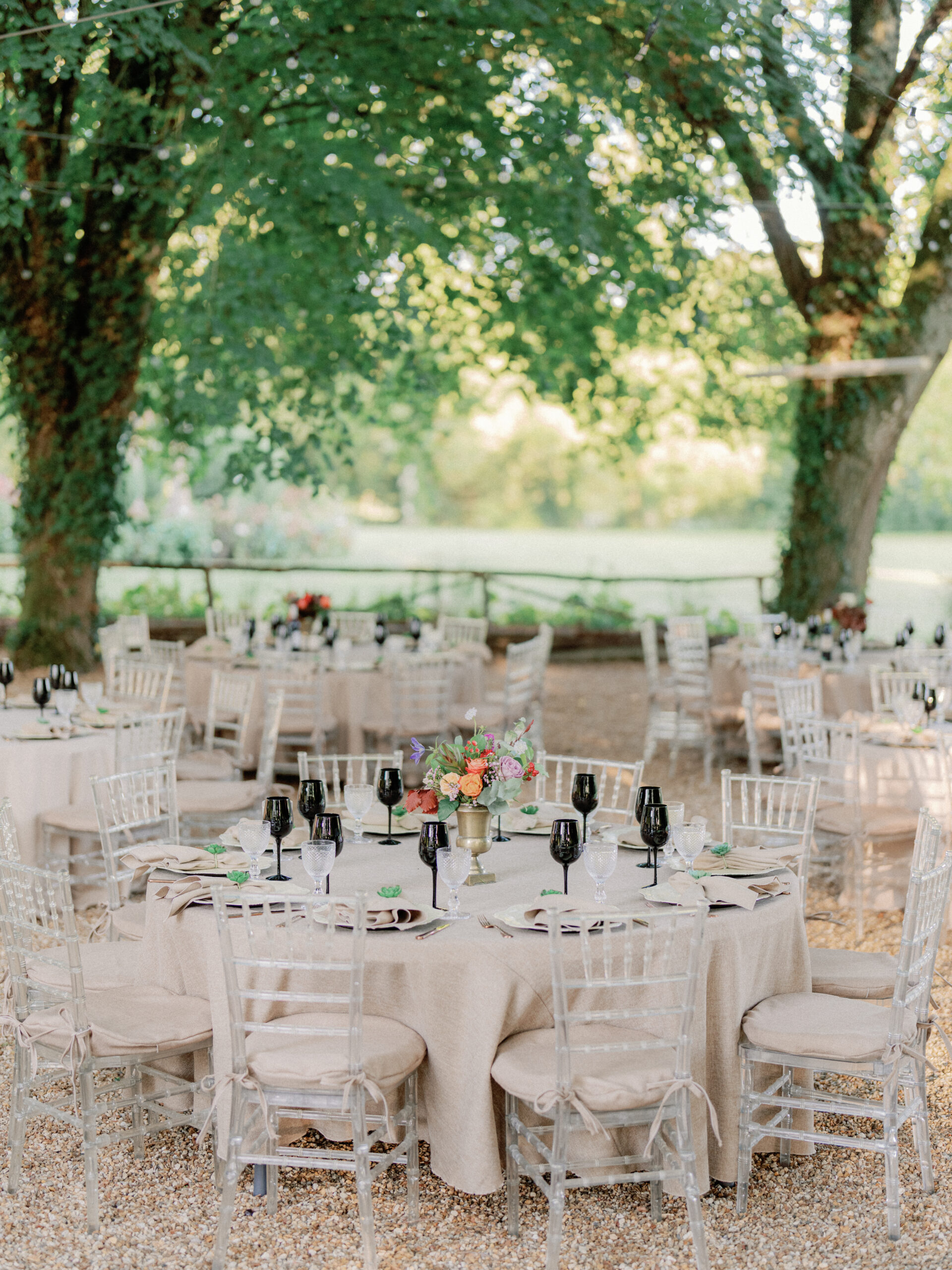
The light in April through June is the most photogenically reliable of any season. It is warm without being harsh, directional without being flat, and it lasts long enough in the evening that golden hour extends well past 9:00 PM by June — giving couples an extraordinary window for outdoor portraits after the ceremony. In Paris, the city is at its most alive and most beautiful. In Provence, the wildflowers are extraordinary. In the Loire Valley, the châteaux gardens are in full bloom. In Bordeaux, the vineyards are bright green and lush.
Temperatures across most of France in spring are ideal for outdoor celebrations — warm enough for guests to be comfortable in formal attire outdoors, cool enough that nobody is suffering. The average temperature in Paris in May is around 19°C (66°F), in Provence around 20°C (68°F), in Bordeaux around 18°C (64°F).
The primary risk in spring is rain, which can arrive in any region without much warning. April is the most unpredictable month in most of France — beautiful days interspersed with grey ones. May and June are significantly more reliable. The practical guidance: assume outdoor ceremonies may need a covered backup, brief your planner on the contingency plan well in advance, and do not let the possibility of rain prevent you from accessing the most photographically extraordinary season France offers.
For Paris weddings specifically, late May through June is the window I recommend most enthusiastically. June is the best month for weather in the city — warm, rarely rainy, with the longest evenings and the best combination of crowd levels and beauty. Book hotels and venues well in advance as June is genuinely popular.
Summer (July to August): Peak Season With Caveats
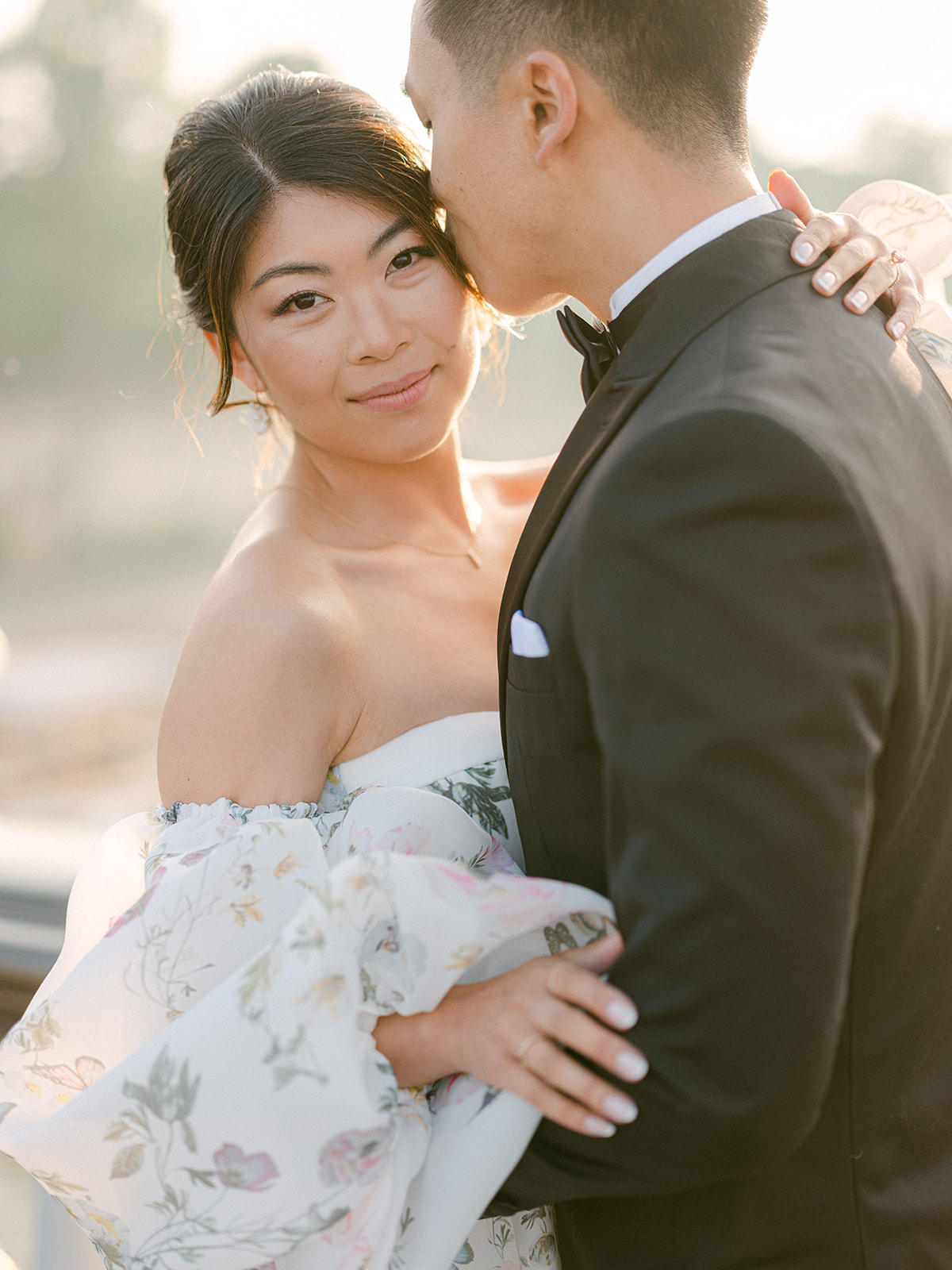
Summer is when France receives the most destination wedding couples, and the reasons are understandable: warm weather, reliable sunshine in most regions, school holidays allowing international guests to travel more easily. In terms of wedding count and venue availability, July and August are France’s most competitive months, which has direct practical implications.
Venues and hotels book earliest for July and August dates. If you are set on a summer château wedding in France, begin the venue search 18 to 24 months in advance. Do not assume that the venue you love will be available six months out during peak summer.
In Paris, July and August mean the city is operating primarily for tourists rather than residents. The Eiffel Tower queues are at their longest, the major museums are crowded, and the restaurants popular with locals may be closed as Parisians take their August holidays. For couples whose guests want to spend time exploring the city, this is worth communicating in advance with practical guidance on what to visit and when.
For Provence and the South of France, summer heat is the primary planning consideration. Outdoor ceremonies in July and August need to begin late in the afternoon, typically 5:00 PM or later, and guests need to be actively managed with shade, water, and somewhere cool for cocktail hour. Venues that offer a combination of shaded outdoor spaces and climate-controlled indoor reception areas are particularly valuable in this context.
My overall summer guidance: July and August are beautiful in France, but they require more active planning than spring or autumn to manage the heat in the south, the crowds in the cities, and the accommodation competition everywhere. If your dates are flexible and your priority is the optimal combination of weather, light, and guest experience, summer is not automatically the best answer. For many couples, the best season to get married in France will be about balancing weather, beauty, and guest comfort.
Autumn (September to October): The Photographer’s Season
I will be direct: autumn is the season I most recommend to couples whose dates are flexible. September and October combine the warmth of summer with the richest light of the year, harvest season colour in the wine regions, and a quality of atmosphere in France that is specific and genuinely beautiful. The ambiance of a wedding can be significantly affected by the best season to get married in France.
In Paris, September is when the city exhales. The tourists thin, the Parisians return, the restaurants are fully operational, and the city reclaims its specific character. The light in September in Paris has a quality that I find addictive to work with — warm, amber, directional, falling at an angle that does extraordinary things to the stone of Haussmann buildings and the bridges of the Seine. October turns cooler and brings the first foliage colour, and on clear October days in Paris the combination of golden leaves, low sun, and the particular hue of the autumn sky is some of the most beautiful light I photograph anywhere.
As you plan, remember that the best season to get married in France is also the one that suits your style and preferences.
For Bordeaux and the Loire Valley, September and October coincide with harvest season — the vineyards are at their most dramatic, the regional character is at its most vivid, and the cooler temperatures make long outdoor receptions genuinely comfortable. Accommodation in the major wine country towns is often more available and occasionally less expensive in September than in peak summer.
For Provence, September is perhaps the finest month of the year — the summer heat has passed, the lavender fields have been harvested and the landscape has settled into its autumn palette, and the quality of the Provençal light in late afternoon is something I think about months after photographing in it.
One practical autumn consideration: October can bring rain more readily than September across most regions. If October is your preferred window, a venue with reliable indoor backup is more important than in September, and building flexibility into the outdoor ceremony plan is wise.
 Winter (November to March): The Underestimated Season
I came to France partly because of what I thought I knew about it, and winter here has surprised me consistently. It is not the obvious season for a destination wedding, and I am not going to pretend that it is. But for the right couple — those who love the atmospheric, the dramatic, and the genuinely intimate — a winter château wedding in France has qualities that no other season can offer. For a magical experience, consider the best season to get married in France and how it aligns with your vision.
In Paris in December, the Christmas illuminations along the Champs-Élysées and in the Marais create a quality of nighttime light that is extraordinary for evening portraits. The city is in its most romantic register. Hotels are at their lowest rates of the year. Venues are available on dates that would require 18-month advance booking in summer. And the city itself, without the summer tourist crush, feels more like the Paris of the imagination and less like a theme park of itself.
The practical challenges are real: temperatures typically range from 3 to 9°C (37 to 48°F), rain is frequent, and any outdoor ceremony component requires very careful management. A venue with beautiful indoor ceremony spaces is not a compromise in winter — it is the whole point. The Shangri-La Paris’s garden ceremony in December is genuinely magical precisely because the garden is contained, the city is glittering beyond it, and the cold weather gives the whole occasion a specificity and intimacy that a June garden ceremony cannot quite replicate.
For Provence in winter, the mistral is at its most frequent and the landscape at its most austere — beautiful in its own way, but requiring venues with robust indoor options and guests prepared for genuinely variable conditions. The Loire Valley in winter has a quiet dignity that suits intimate celebrations extremely well. Bordeaux and the Dordogne in winter are peaceful and beautiful, and the Dordogne region particularly has a quality of rural French life in the quiet months that some couples find deeply appealing.
My guidance for winter: if you love Paris specifically, and you want an intimate celebration with a small group of guests who will appreciate the city’s winter character, November through January is a genuinely wonderful option. If you need reliable outdoor conditions and comfortable temperatures, look elsewhere in the calendar. Exploring the idea of the best season to get married in France can open up exciting possibilities for your wedding day.
Engagement photos can be stunning depending on the best season to get married in France, emphasizing the unique qualities of each time of year.
Planning for Every Season: Venues, Backup Plans, and Guest Logistics
Choose Venues With Genuine Indoor-Outdoor Flexibility
Weather conditions vary greatly, and choosing the best season to get married in France ensures a memorable event. Whatever season you choose, a venue with both indoor and outdoor ceremony capability is the single most important practical decision you will make in the planning process. This is not about expecting the worst — it is about giving yourself the freedom to commit fully to the outdoor vision without the catastrophic risk of no backup if conditions change.
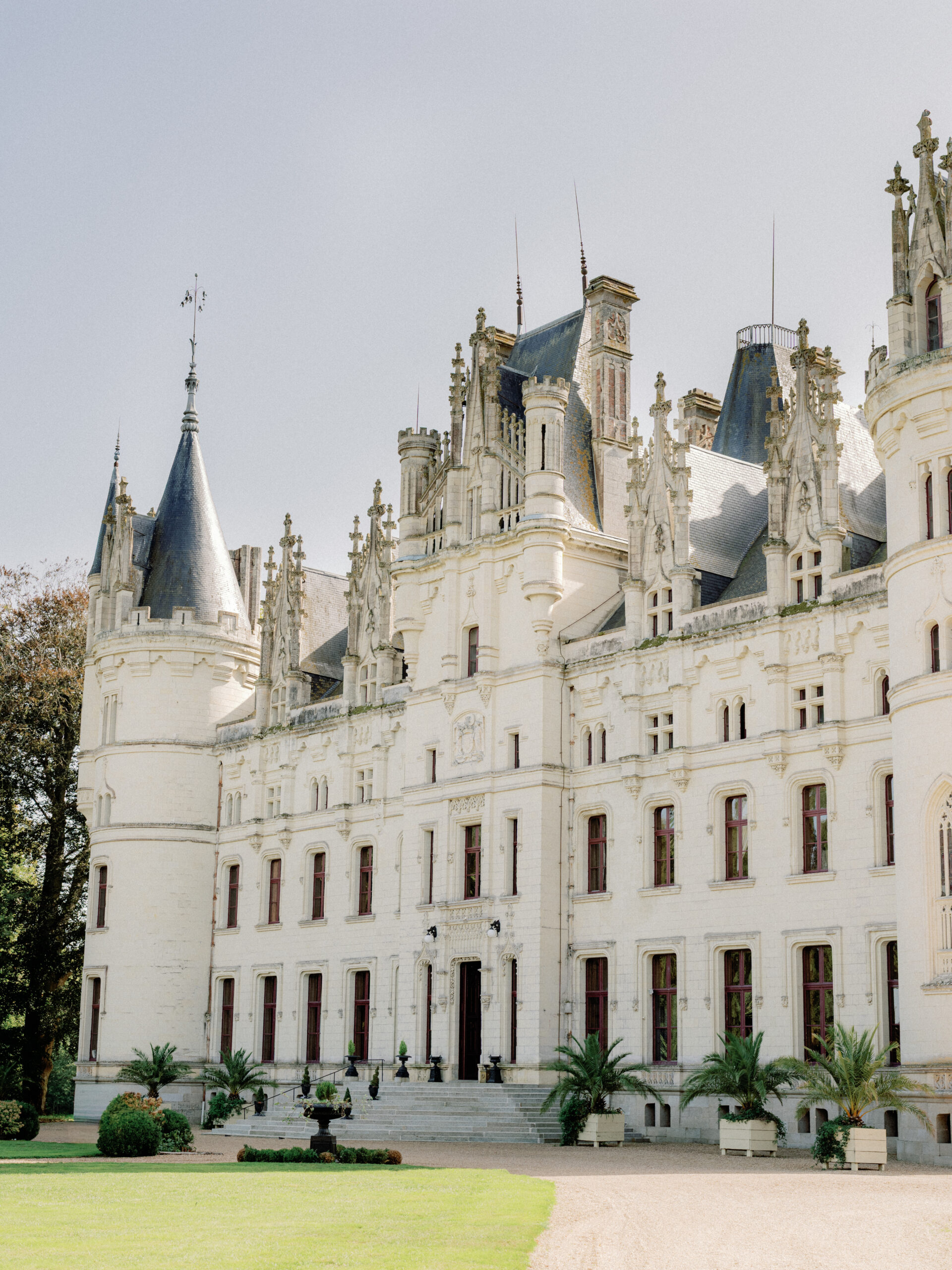
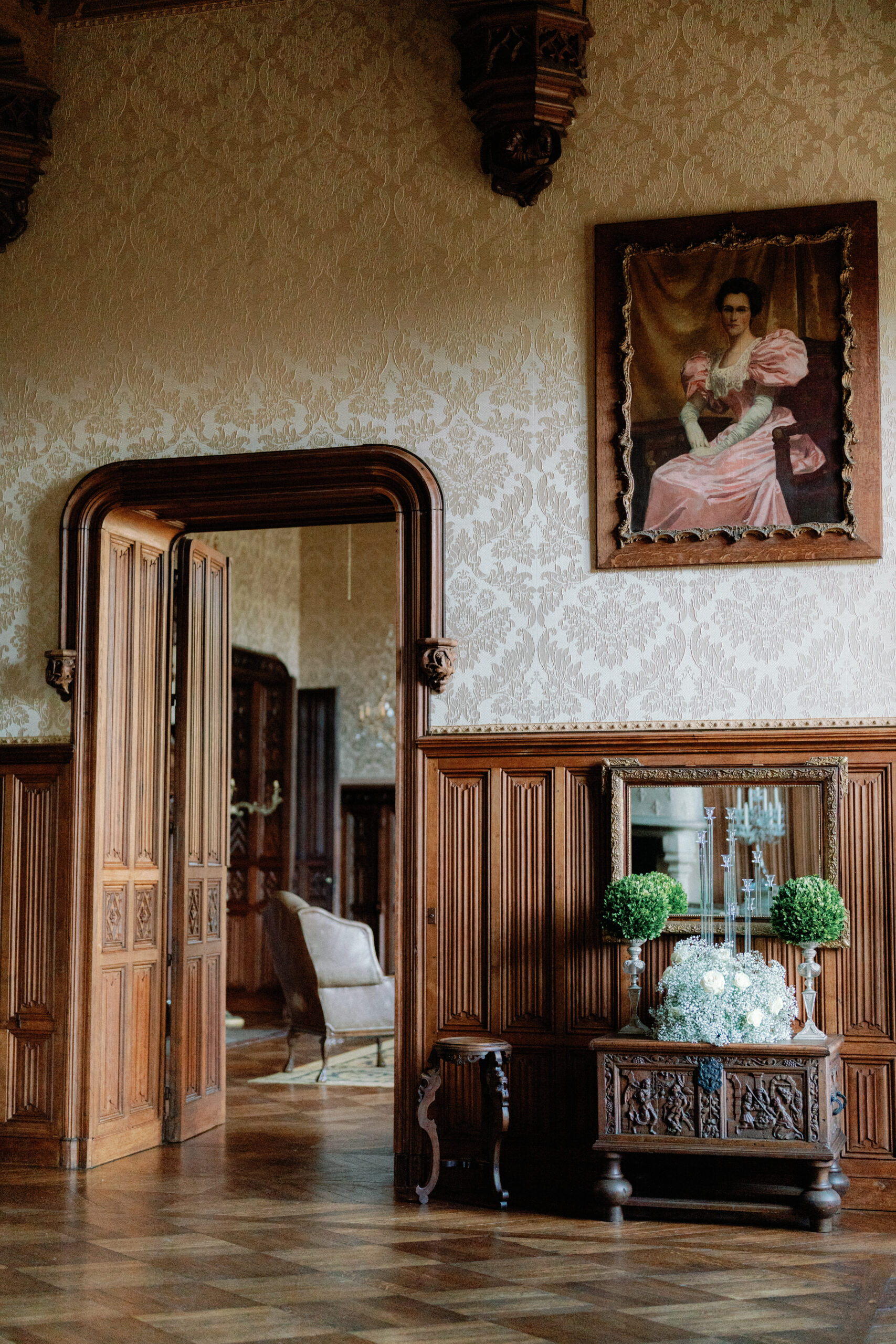
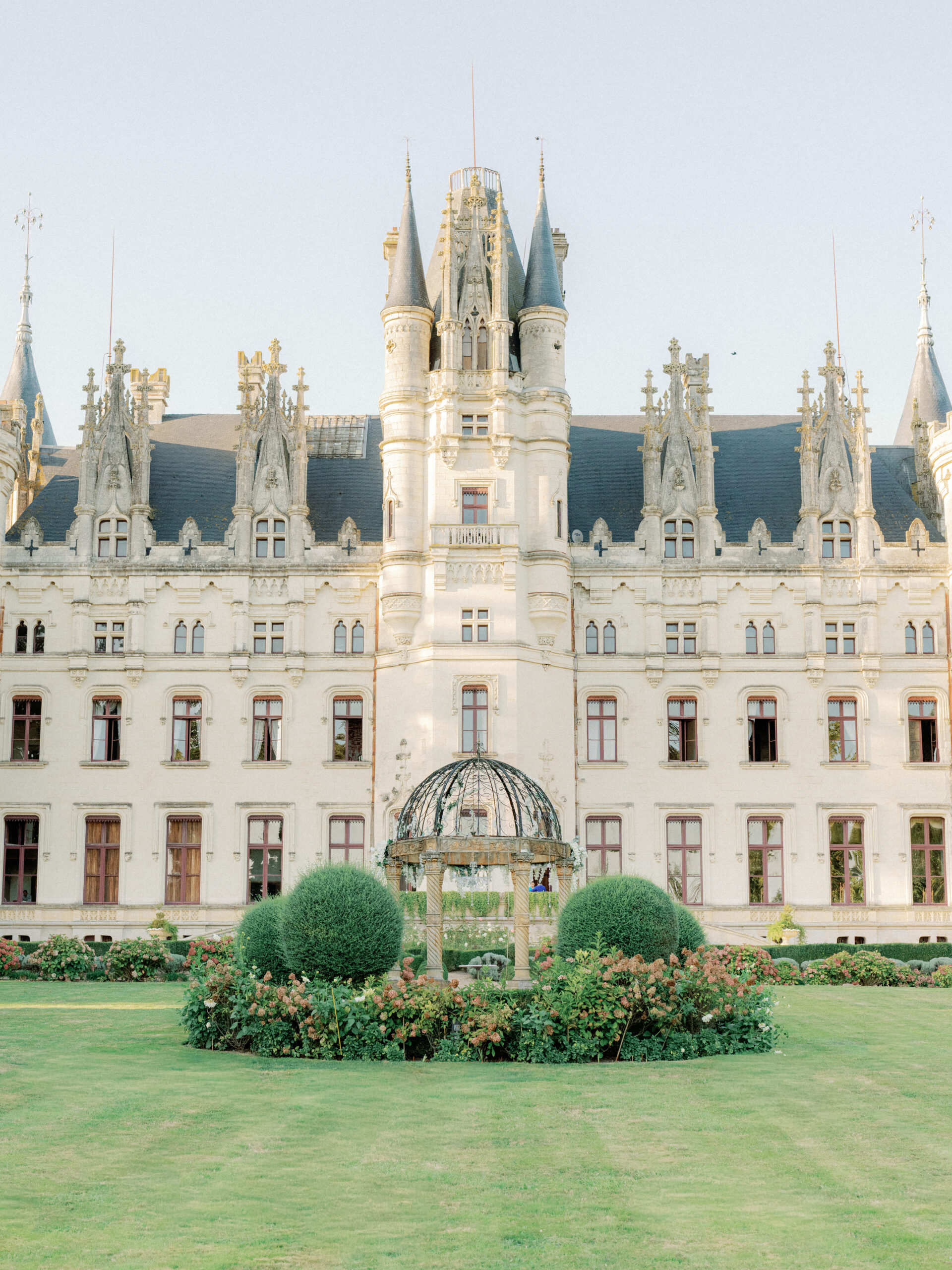
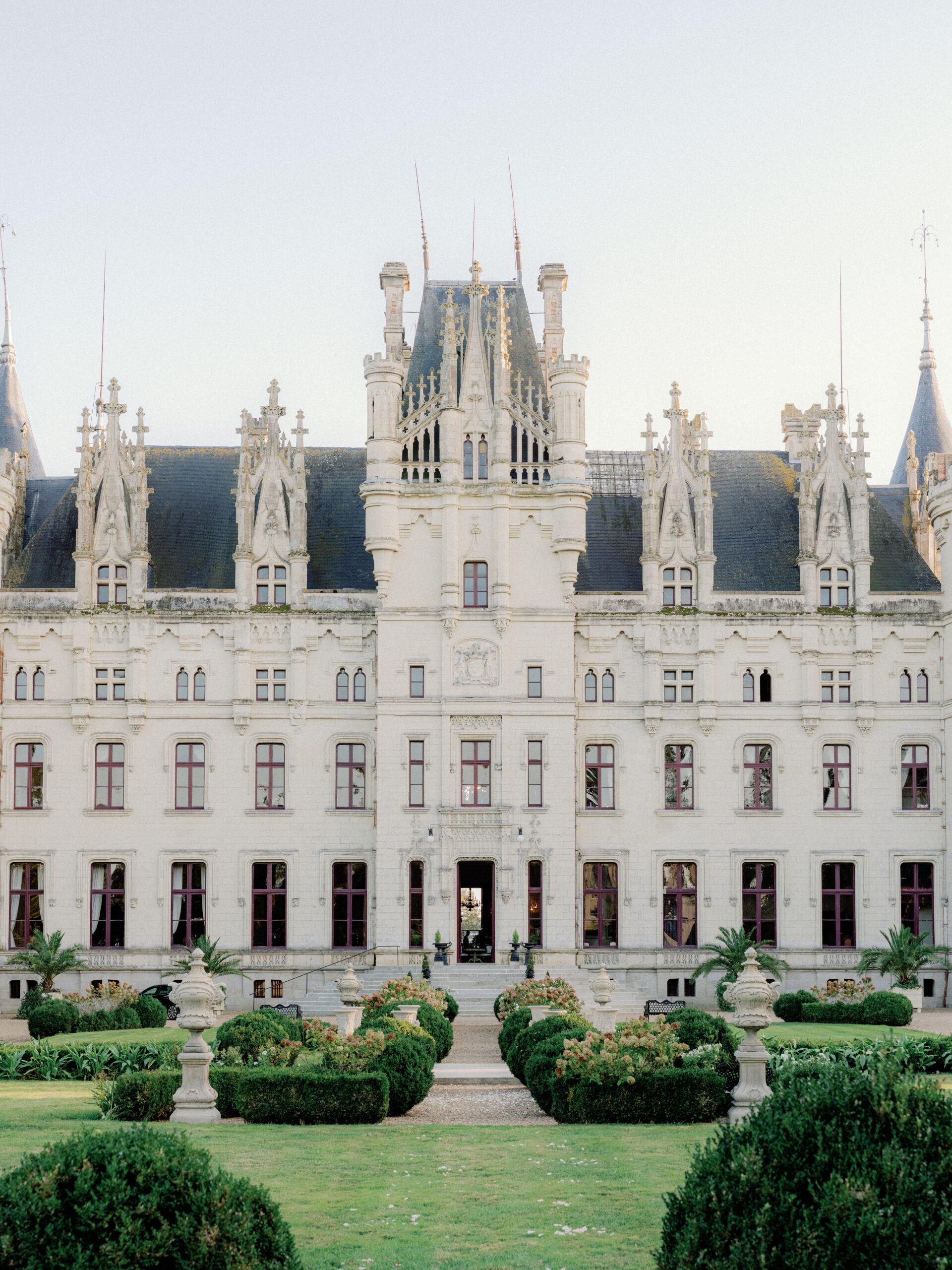
The best venues in France for this combination — spaces I have worked in and can speak to specifically — include venues like Château de Champlâtreux near Paris, where the enfilade of grand salons on the ground floor can host a ceremony of genuine grandeur while the gardens and parkland are available for the outdoor option. Airelles Gordes in Provence has both the hanging terraces with the Luberon views and elegant indoor salons where the ceremony transitions seamlessly if the mistral decides to visit. Château de Sanse near Saint-Émilion has a panoramic outdoor terrace and a reception room that works beautifully as an indoor ceremony space.
The Ritz Paris has the Grand Jardin as an outdoor ceremony space and the Salon d’Été — with its glass wall facing the garden — as the indoor alternative that still connects guests visually to the garden even when the weather has made the outdoor option impractical.
When assessing any venue for weather flexibility, ask specifically: what is the indoor ceremony option, and does it feel like a genuine alternative or an afterthought? What can guests do during cocktail hour if rain arrives unexpectedly? Is there covered outdoor space that extends the outdoor experience even in light rain? What happens to the décor if a ceremony moves indoors — is there time in the timeline to transition? The answers to these questions will tell you a great deal about how prepared the venue is for real-world French weather conditions.
Accommodating International Guests Across Seasons
Paris is the most internationally connected city in France and the easiest arrival point for guests from the United States, the United Kingdom, Australia, and most other countries. Charles de Gaulle Airport operates direct routes from virtually every major international hub. Orly Airport serves additional European routes. The Eurostar from London delivers guests to Paris Gare du Nord in approximately two hours and fifteen minutes.
For guests traveling to châteaux in other regions, Paris is almost always the arrival city even if the wedding takes place in Provence or the Loire Valley. For accommodating guests well, regardless of season, a few consistent principles apply.
Secure a room block at a specific hotel as early as possible — twelve to eighteen months before the wedding if possible. Do not assume guests will find their own accommodation, particularly for peak summer weekends when the surrounding areas of popular venues can exhaust hotel availability completely. For rural château venues in the Dordogne, the Morbihan, or the Loire Valley, the nearest town with meaningful hotel inventory may be thirty to forty minutes from the property. Include transportation logistics between that town and the château in your planning from the beginning.
For winter and early spring weddings in Paris, hotel rates are significantly lower than summer rates — this is worth communicating to guests, because the accommodation savings can make a Paris winter wedding genuinely more accessible for international travelers than a peak-summer celebration. For autumn weddings, September offers the best combination of reasonable hotel availability, comfortable weather for sightseeing, and the full restaurant and cultural calendar of Paris at its post-summer best.
Each unique aspect of France contributes to the charm, making the best season to get married in France an important consideration.
Build a guest information packet early — ideally six months before the wedding — that includes practical guidance on getting to the venue from Paris or the nearest major airport, recommended hotels at different price points, transportation options between guest accommodation and the wedding property, and suggestions for how to spend the days around the wedding. International guests who have traveled a long way to be at a destination wedding deeply appreciate being guided toward the best of what the region has to offer, and the couples who do this thoughtfully tend to receive more consistent attendance from their international guest list.
Reflecting on the best season to get married in France will guide you to the right choice for your wedding.
What to Communicate to Guests About French Weather
Guests from the United States frequently arrive at a France destination wedding with a weather expectation that does not match reality, and a short practical note in the guest information materials goes a long way toward managing this. Remember that the best season to get married in France is not just about weather; it’s about the experience you desire for you and your guests.
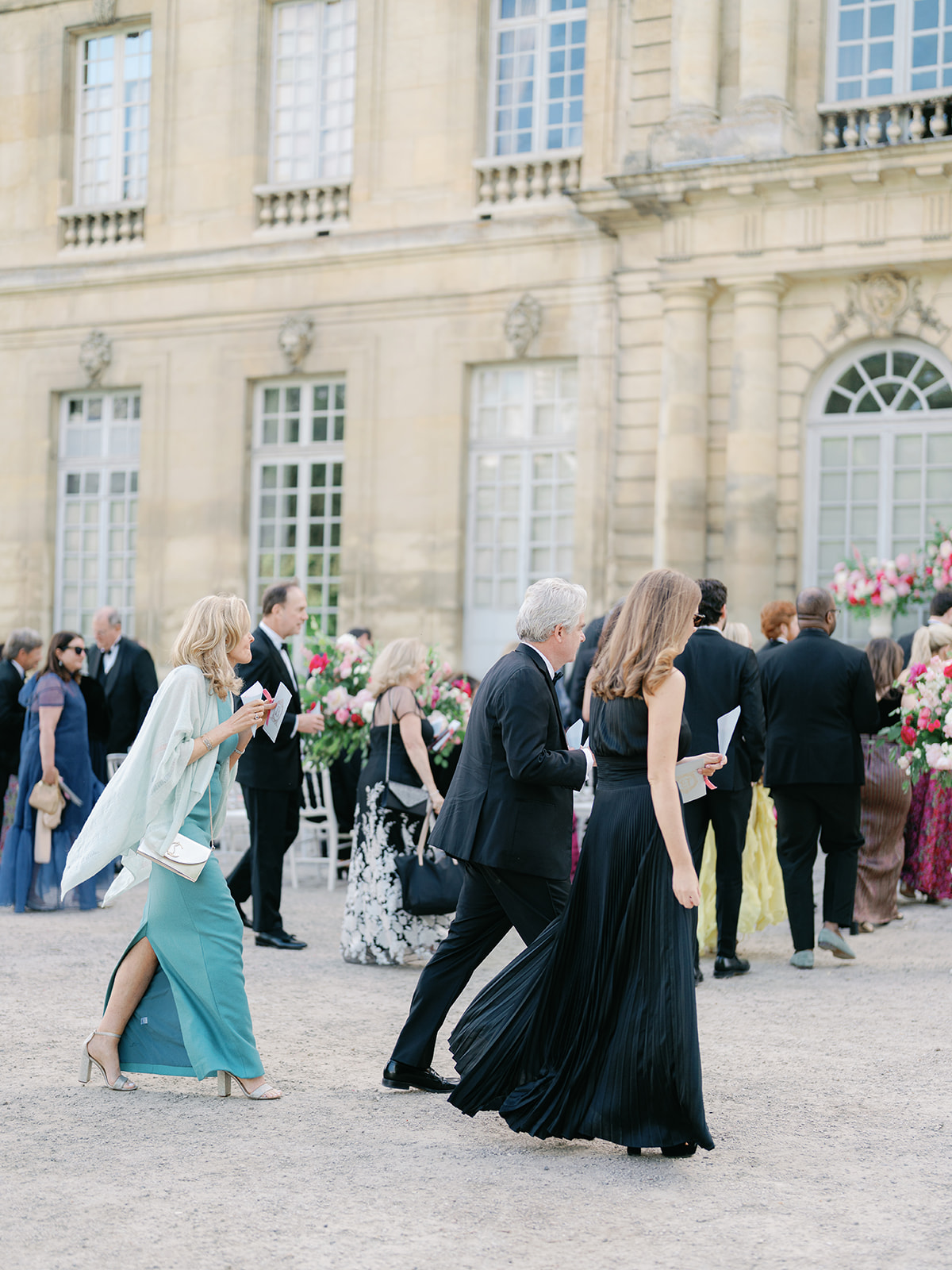
For spring weddings, communicate that evenings can be cool — guests in formal attire at a garden reception that runs until midnight in April or May will appreciate knowing that a wrap or a jacket is worth packing. For summer weddings in the South of France, communicate the heat honestly and suggest guests choose lighter fabrics than they might otherwise select. For autumn weddings, communicate that the weather is beautiful but variable, that outdoor components may shift indoors, and that a light layer in the evening is always wise. For winter Paris weddings, communicate temperatures honestly — guests who arrive unprepared for 5°C (41°F) December evenings will be more focused on finding a coat than on enjoying the celebration.
Practical items worth mentioning in guest communications: the French afternoon heat in summer, the mistral in Provence (particularly relevant if any outdoor excursions are planned), the reality that Parisian winters are genuinely cold rather than cinematically cosy, and the general wisdom of packing comfortable walking shoes for guests who want to explore the city or the château grounds.
Building Your Rain Plan
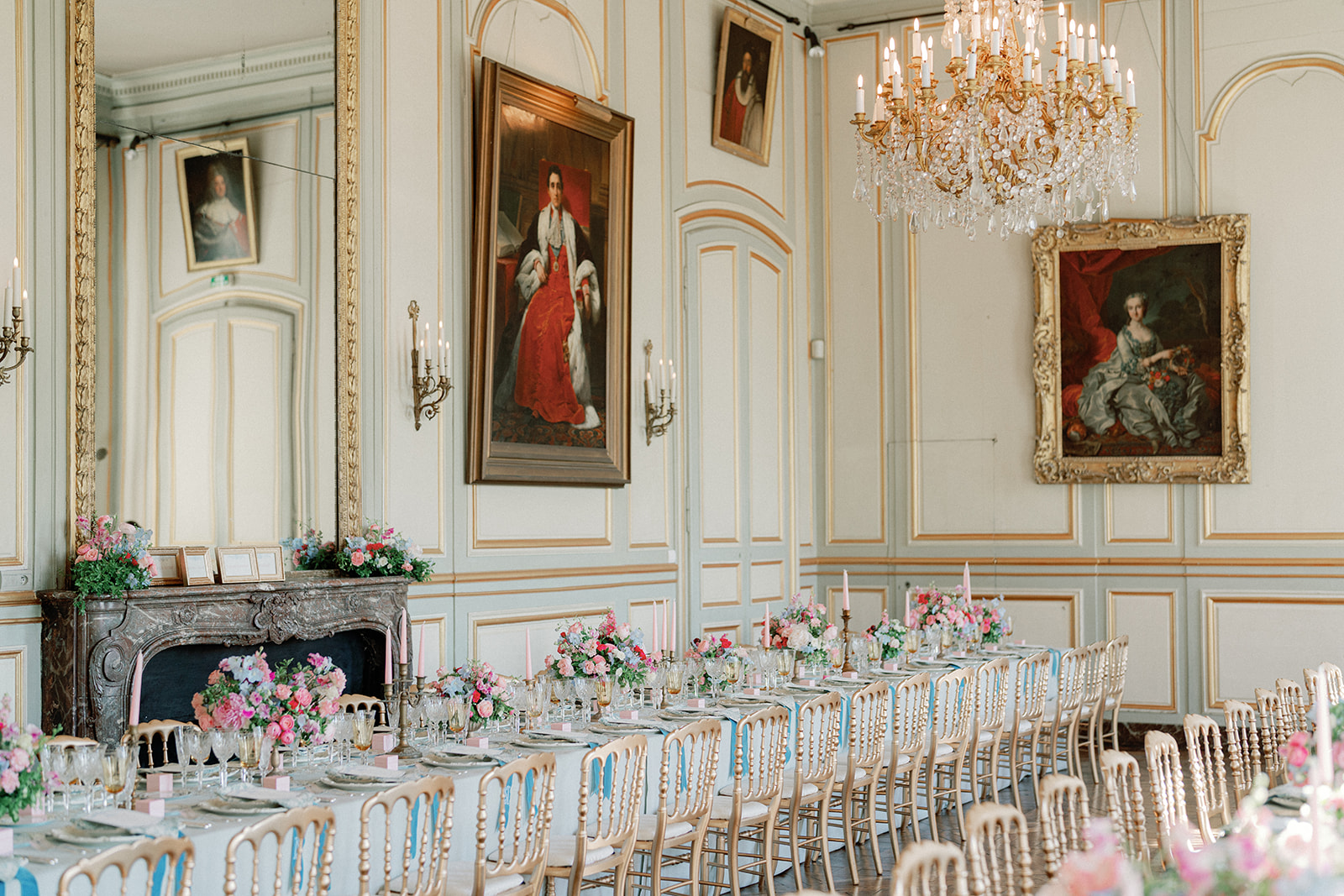
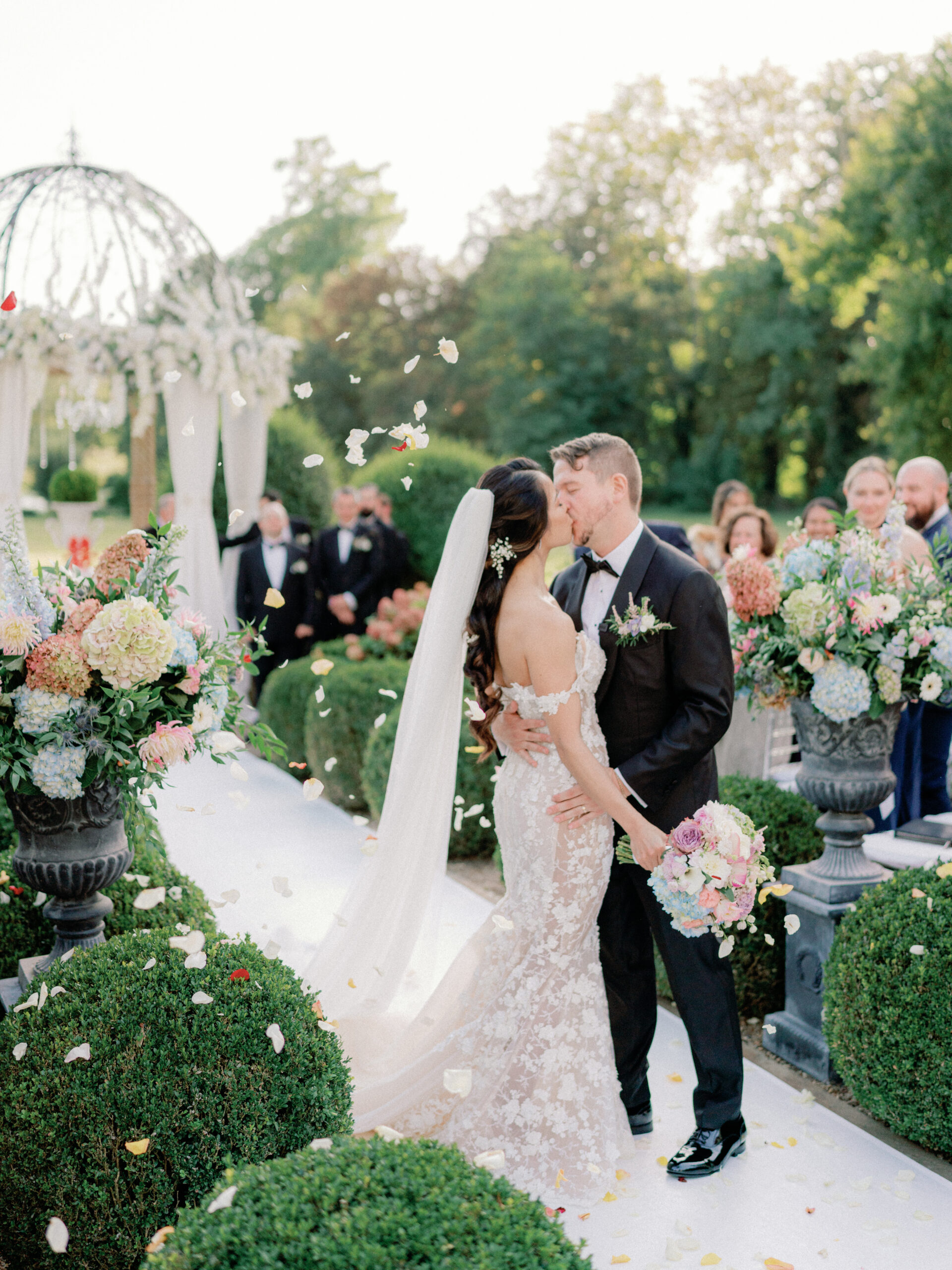
Every outdoor ceremony in France, in every season, needs a rain plan that you would be genuinely happy executing rather than devastated by. The most prepared couples are those who have invested as much creative energy in the rain plan as in the primary outdoor vision.
The practical elements of a good rain plan are straightforward: a confirmed indoor ceremony space at the venue, a clear timeline for when the decision to move indoors will be made and who makes it, briefing of all vendors on both scenarios well in advance, and a contingency décor plan for the indoor space so it does not feel like a dressed-down version of the outdoor vision. Some couples even choose to do an outdoor reception in light rain with umbrellas and covered areas — which can produce extraordinarily atmospheric photographs — rather than moving entirely indoors. The key is deciding this in advance rather than in real time on the wedding day.
Your wedding planner should have executed a rain plan at your specific venue before. Ask them directly: what happens step by step if it rains on the day? Their answer will tell you immediately whether this has been genuinely thought through.
The Most Practical Seasonal Summary
For couples who want a unique experience, determining the best season to get married in France is key to achieving that vision.
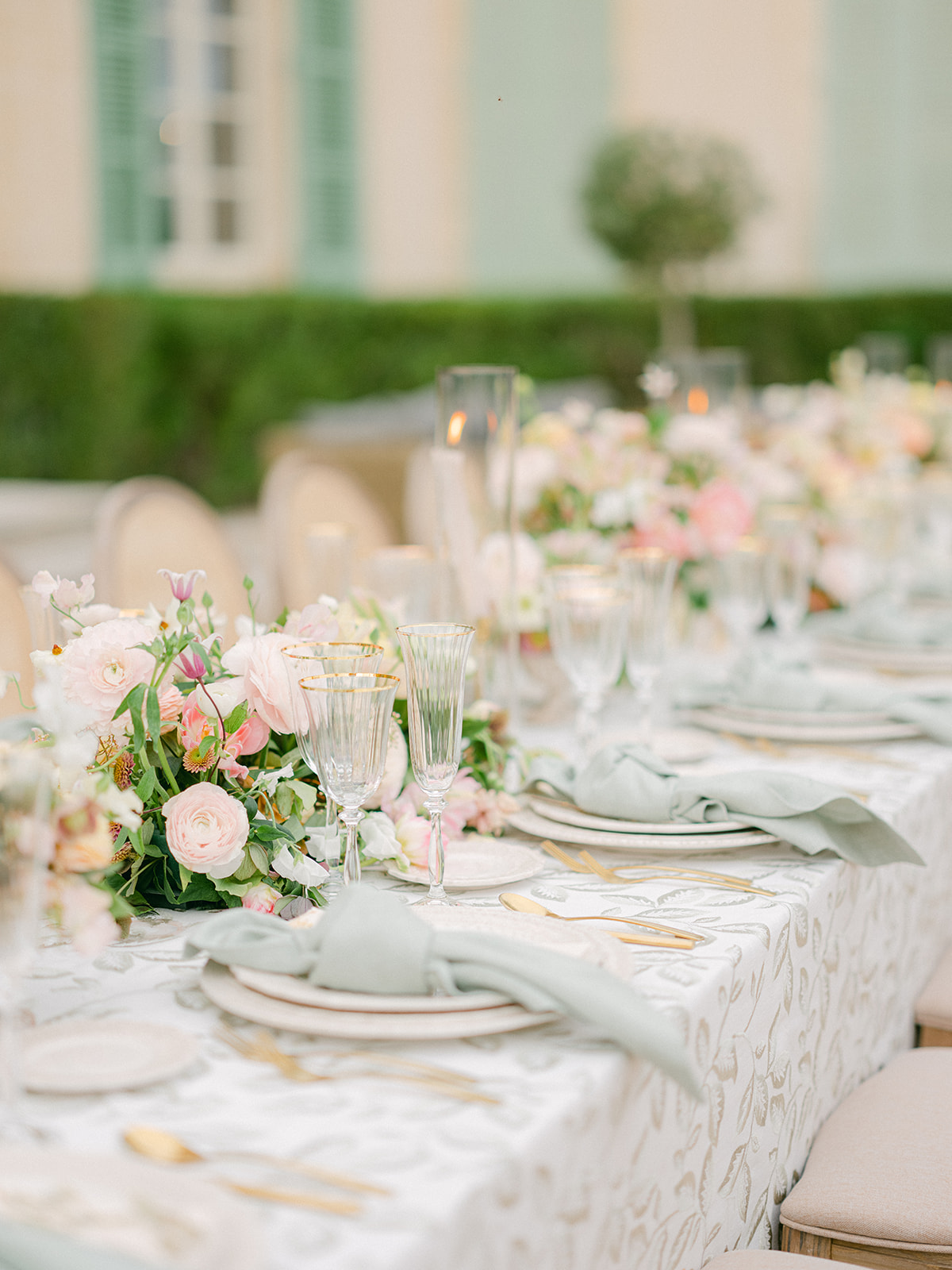
For the best combination of light, weather, and overall guest experience across most of France: late May through June, and September. For the most dramatic, atmospheric light with the richest color in wine regions: October in Bordeaux, the Loire Valley, and Provence.
Ultimately, finding the best season to get married in France should align with your personal taste and the shared experiences with your loved ones. For Paris specifically at its most beautiful and its most photogenic: May, June, and September are the three finest months.
For couples who want lower prices, more venue availability, and an intimate atmosphere: November through March in Paris, with genuinely beautiful results for those who embrace the season rather than working against it. For Provence and the South of France: avoid the peak heat of late July and August if outdoor comfort is a priority; May and September are the finest months. Your choice regarding the best season to get married in France will add a special touch to your celebration. For Brittany: June through August, accepting that even in summer a rain plan is not optional.
It is essential to weigh the pros and cons of the best season to get married in France to ensure a delightful celebration.
A Note From Two Years of Living in France
Living in France has changed my understanding of what this country actually is, as opposed to what it looks like from the outside. France is not a country that performs beauty — it simply is beautiful, in every season, with the specific kind of beauty that each season brings and that no other delivers in quite the same way. As you think about your wedding plans, the best season to get married in France will be a significant part of your decision-making process.
A January wedding in Paris, with the city quiet and luminous in the low winter light and guests gathered in a grand salon with champagne and candlelight while the city glitters outside — that is not a compromise on the summer dream. It is a different, equally extraordinary thing. A September wedding in Provence, with the harvest happening in the vineyard visible from the ceremony terrace and the amber afternoon light doing what it does to ancient limestone — that is not second-best to lavender season. In many ways it is better.
Understanding that France is genuinely beautiful in every season is the shift that allows couples to make the decision that is actually best for them — their guest list, their budget, their vision, and the specific quality of light and atmosphere they want to carry home in their photographs.
If you are planning a wedding in France and want to talk about what your specific season, region, and venue combination will look and feel like — from someone who has lived here and photographed across all of it — reach out through my contact page. I would genuinely love to help you find the version of France that is right for your day.
In conclusion, understanding the best season to get married in France will help you create a day that is truly memorable.




add a comment
+ COMMENTS