



How to Choose a Wedding Venue That Will Photograph Beautifully: Advice From A Photographer’s Perspective
When couples begin searching for their wedding venue, the first things that usually come to mind are capacity, catering, and cost. But there is another consideration that deserves a place near the top of that list: how the venue will look in photographs. Your wedding photos are the lasting record of your day, and the venue you choose plays an enormous role in shaping how those images turn out.
Understanding how to choose a wedding venue is essential for creating the perfect atmosphere for your big day. I love when couples include me in on their wedding venue scouting to make sure that their wedding photos come out looking amazing and oh-so picture perfect.
Here is what to think about when evaluating a venue through a photographer’s lens.

Consider the Natural Light
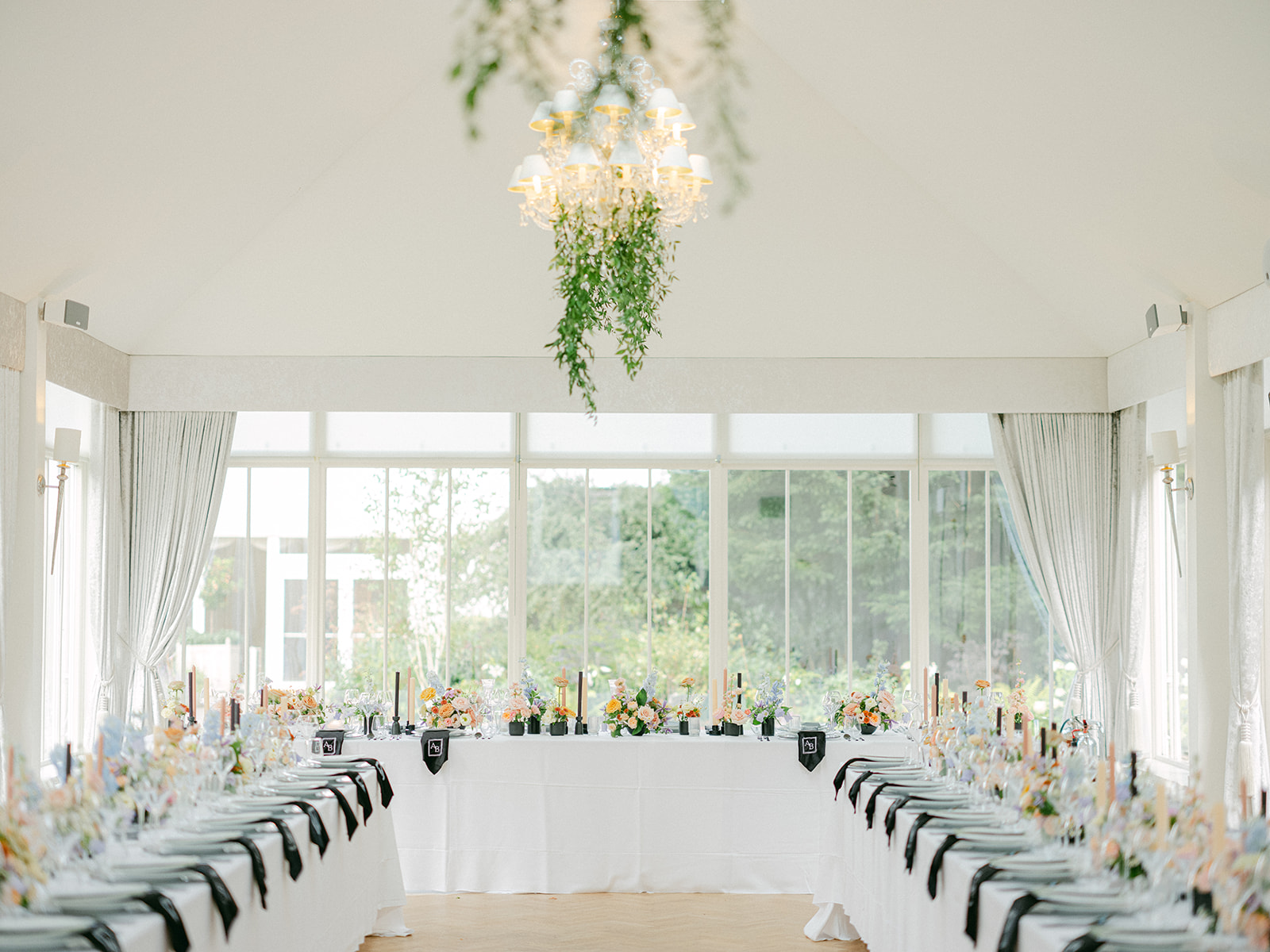
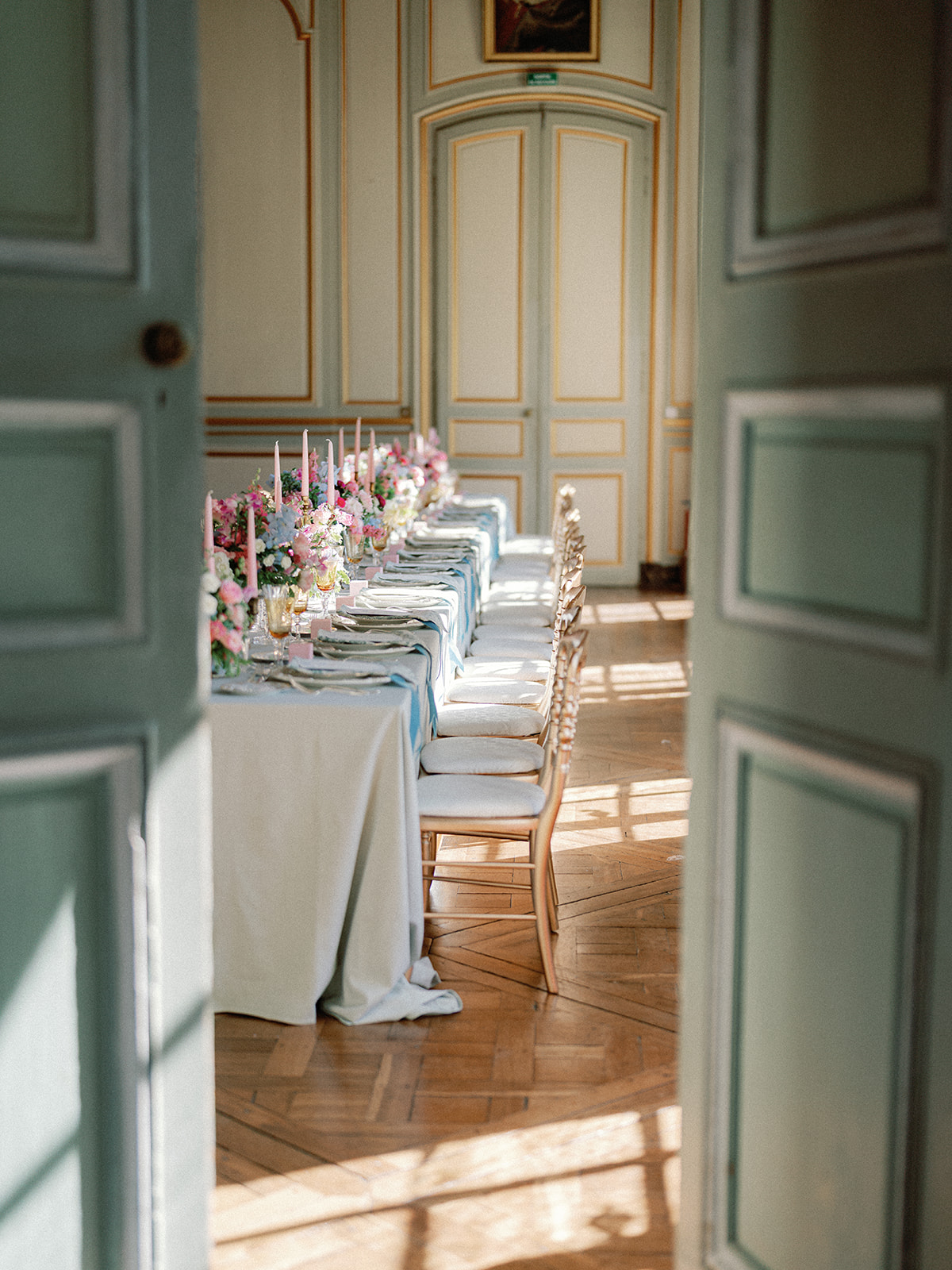
Light is everything in photography, and natural light is almost always the most flattering and beautiful option for wedding portraits. When touring a venue, pay attention to how light moves through the space throughout the day. Large windows, open outdoor areas, and east or west-facing ceremony spaces tend to produce stunning results. Venues with low ceilings and minimal windows can present real challenges, often requiring flash photography that can feel less romantic and harder to make look effortless.
When considering how to choose a wedding venue, remember that light can enhance or detract from your photographs.
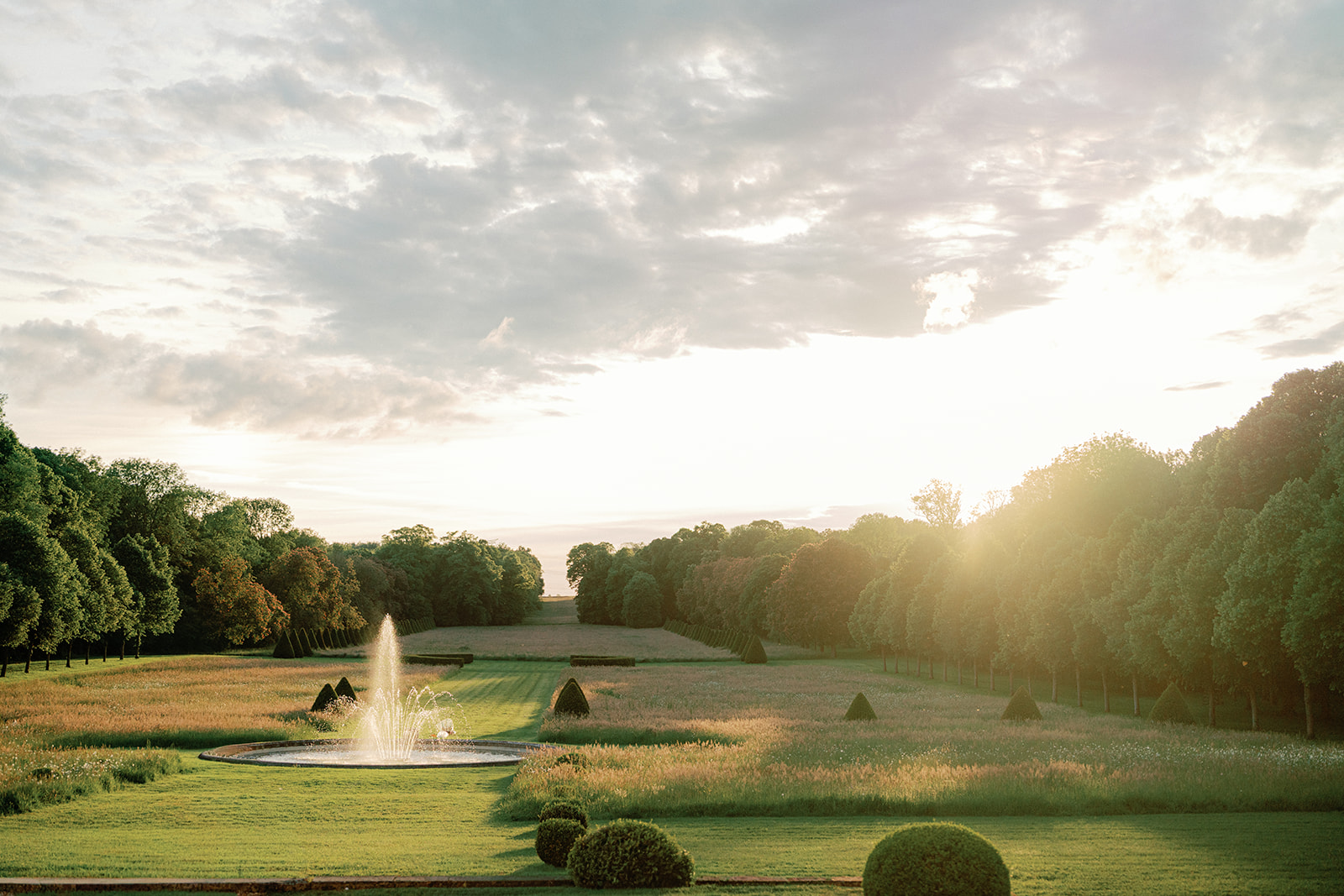
If your ceremony is planned for late afternoon, ask yourself whether the light will be pouring in beautifully or blocked by surrounding structures and trees. Golden hour, that magical window of warm light just before sunset, is a photographer’s favorite time of day. A venue that gives you access to open sky during that period is worth its weight in gold.
Look for a Variety of Backdrops
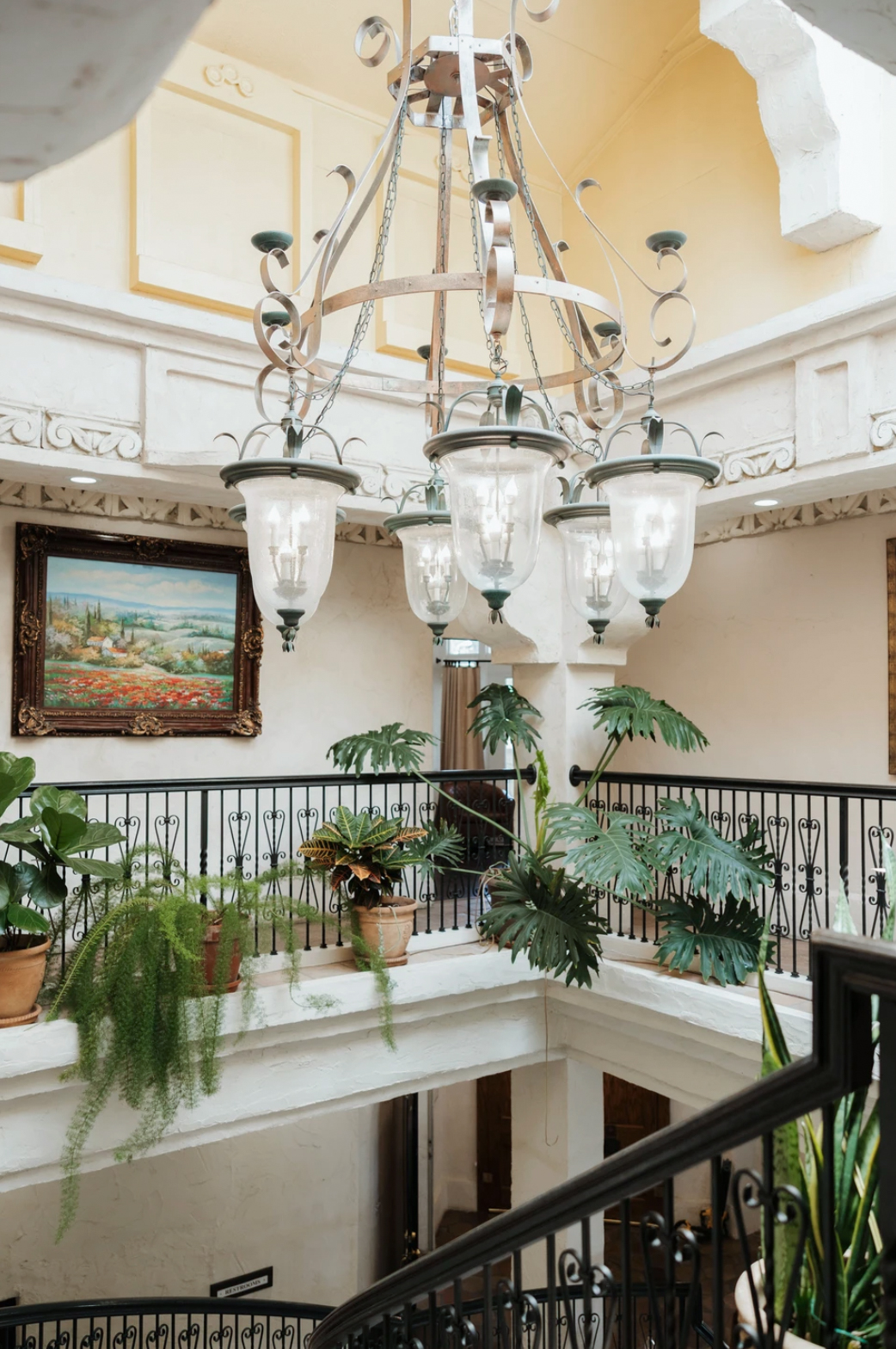
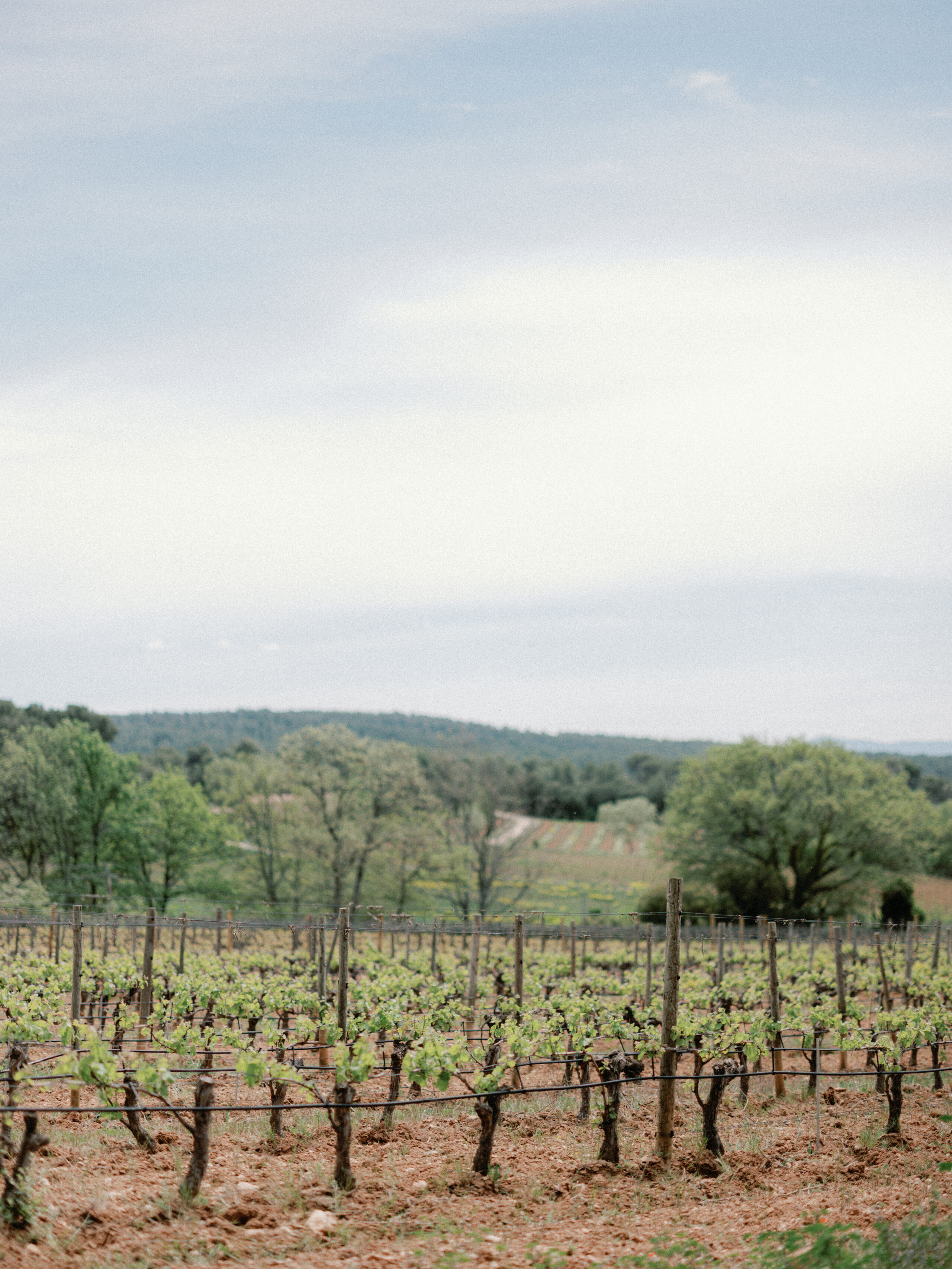
The best wedding galleries are full of variety. When you look through a venue’s portfolio, ask yourself whether every photo looks like it was taken in the same spot. A venue that offers multiple distinct settings, such as a ceremony garden, a grand staircase, a courtyard, a vineyard, a wooded path, or an architectural interior, gives your photographer the freedom to tell a richer visual story throughout the day.
As you explore how to choose a wedding venue, think about all the unique backdrops available for your photos.
Variety also matters for practical reasons. Weather can be unpredictable, and having both indoor and outdoor options ensures your photographer is never without a beautiful backdrop regardless of what the day brings.
Pay Attention to Color and Texture
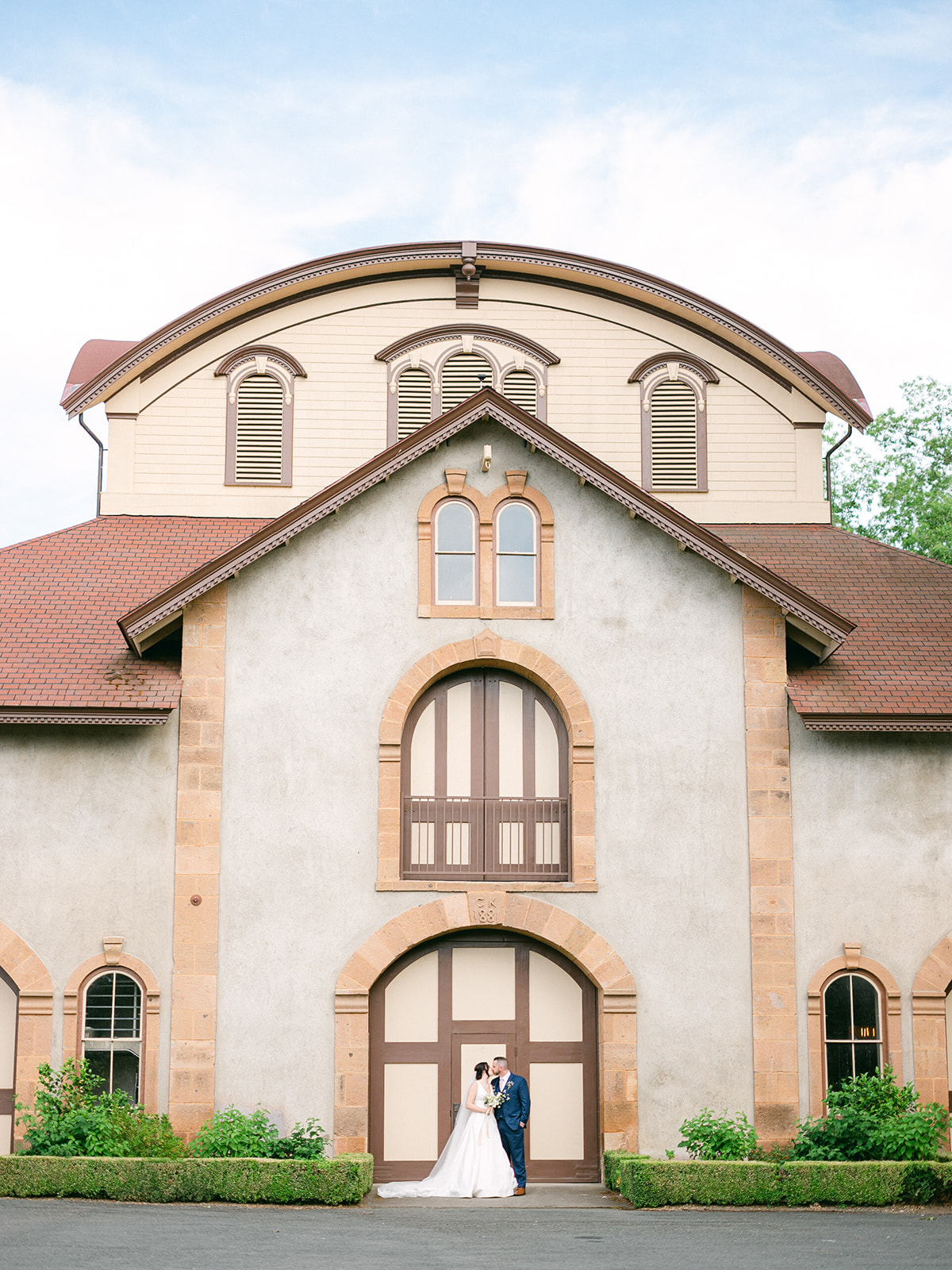
When you learn how to choose a wedding venue, color and texture will significantly impact your photography. For example, if the outside of the venue is orange or yellow, and you want your wedding colors to be red and white, that may not look good with the venues colors.
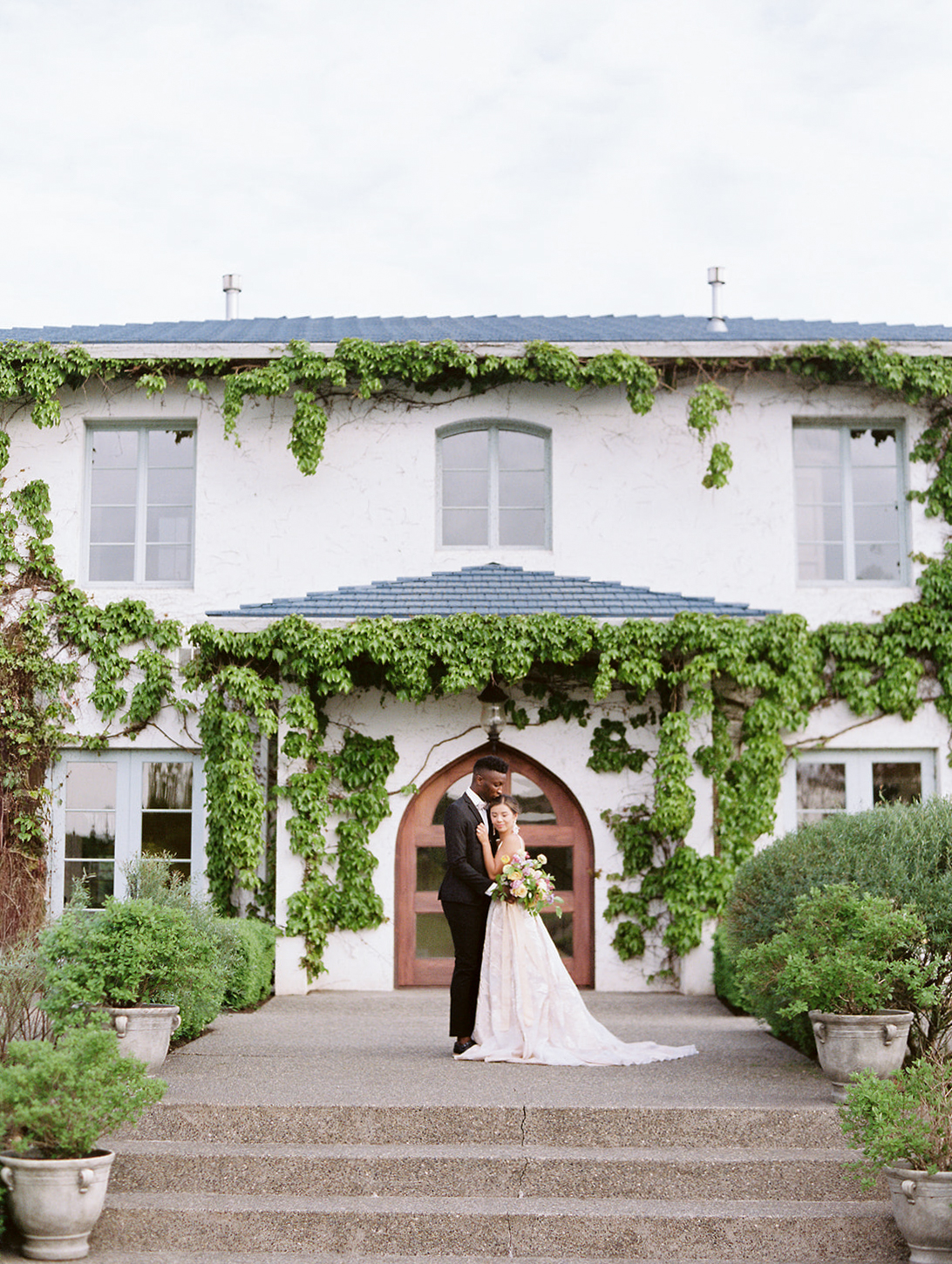
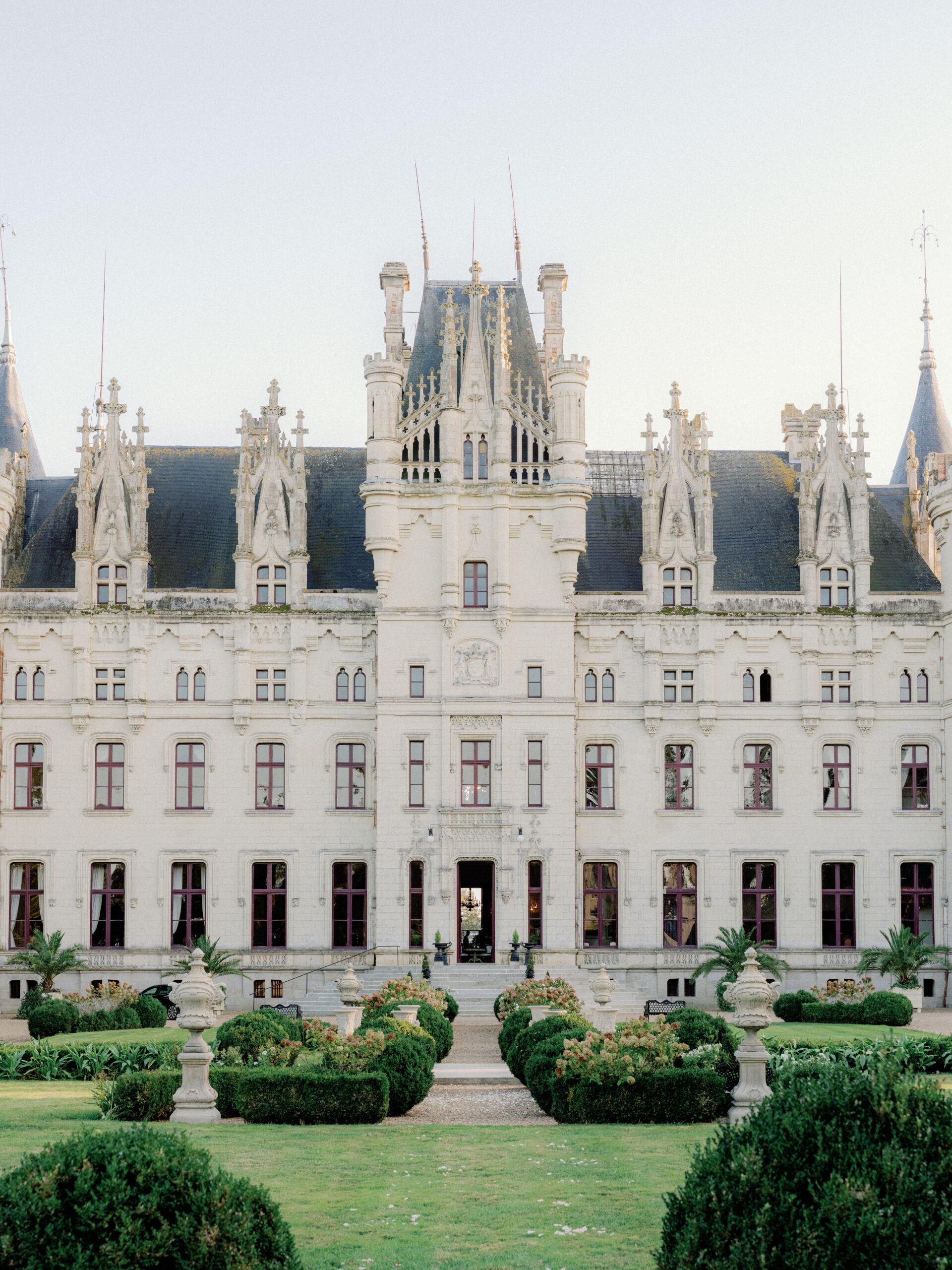
Neutral, timeless tones tend to photograph beautifully and age well in photos. Stone walls, whitewashed buildings, weathered wood, lush greenery, and soft architectural details all create a sophisticated backdrop that complements rather than competes with your wedding party and florals. These are always my favorite type of venues to photograph at.
Highly saturated or busy patterns in a venue’s decor can sometimes distract from the couple and pull the eye in the wrong direction.
When you walk through a potential venue, look at the walls, floors, and ceilings through a critical eye. Ask yourself whether they feel like a backdrop you would want to see repeated across hundreds of images.
Think About the Getting Ready Space
Consider how to choose a wedding venue that provides an ideal getting ready space, as this impacts your photos.
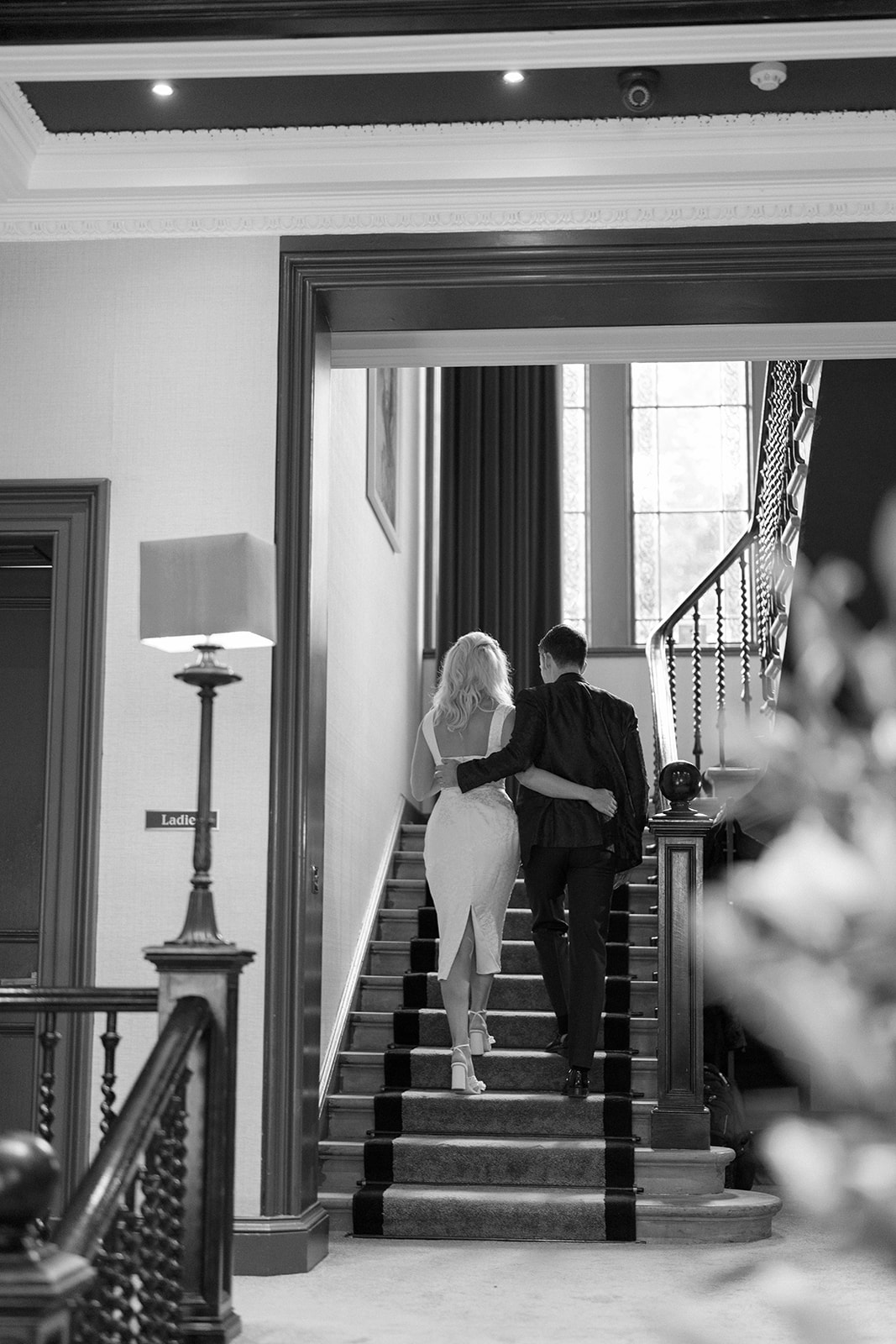
The getting ready portion of the day produces some of the most intimate and emotional photographs, and yet the space where it happens is often an afterthought. Bridal suites and groom’s rooms with large windows, clean surfaces, and enough room for a photographer to move freely make a significant difference. A cluttered hotel room with harsh overhead lighting will always be more challenging to work with than an airy suite filled with natural light.
When touring venues, ask to see the getting ready spaces and evaluate them with the same critical eye you bring to the ceremony and reception areas.
Evaluate the Ceremony Space
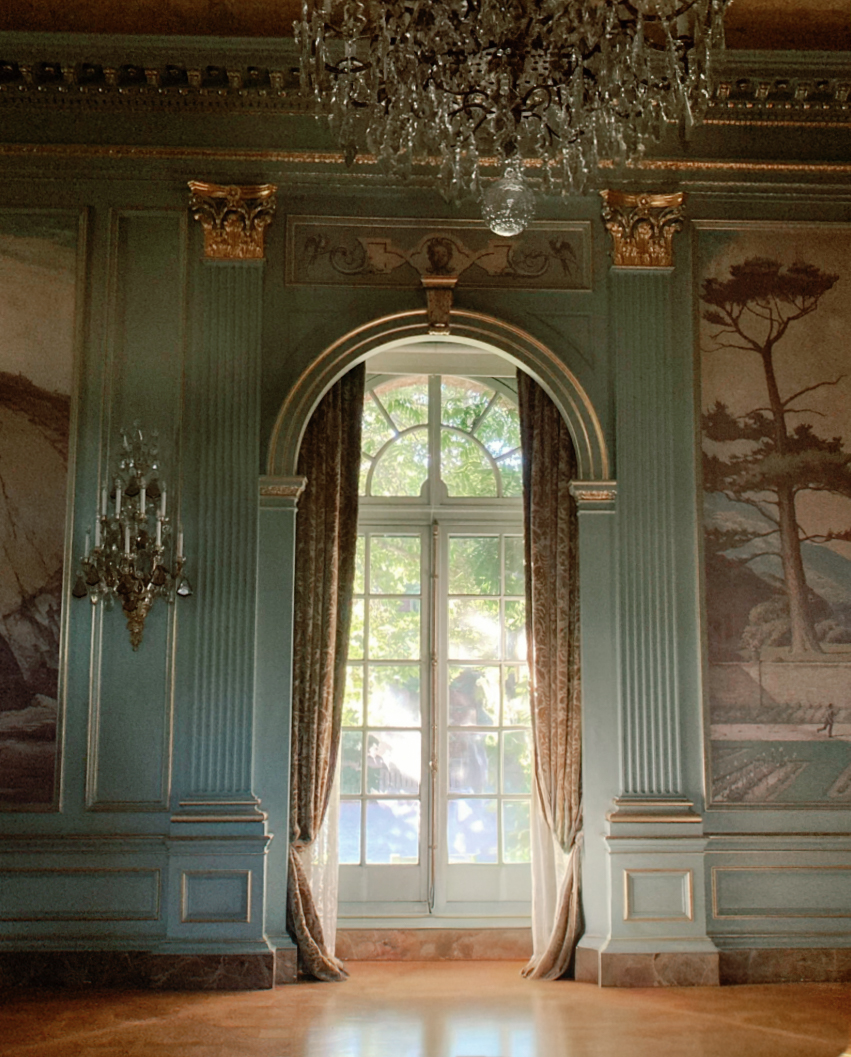
Your decision on how to choose a wedding venue should include evaluating the ceremony space for optimal light.
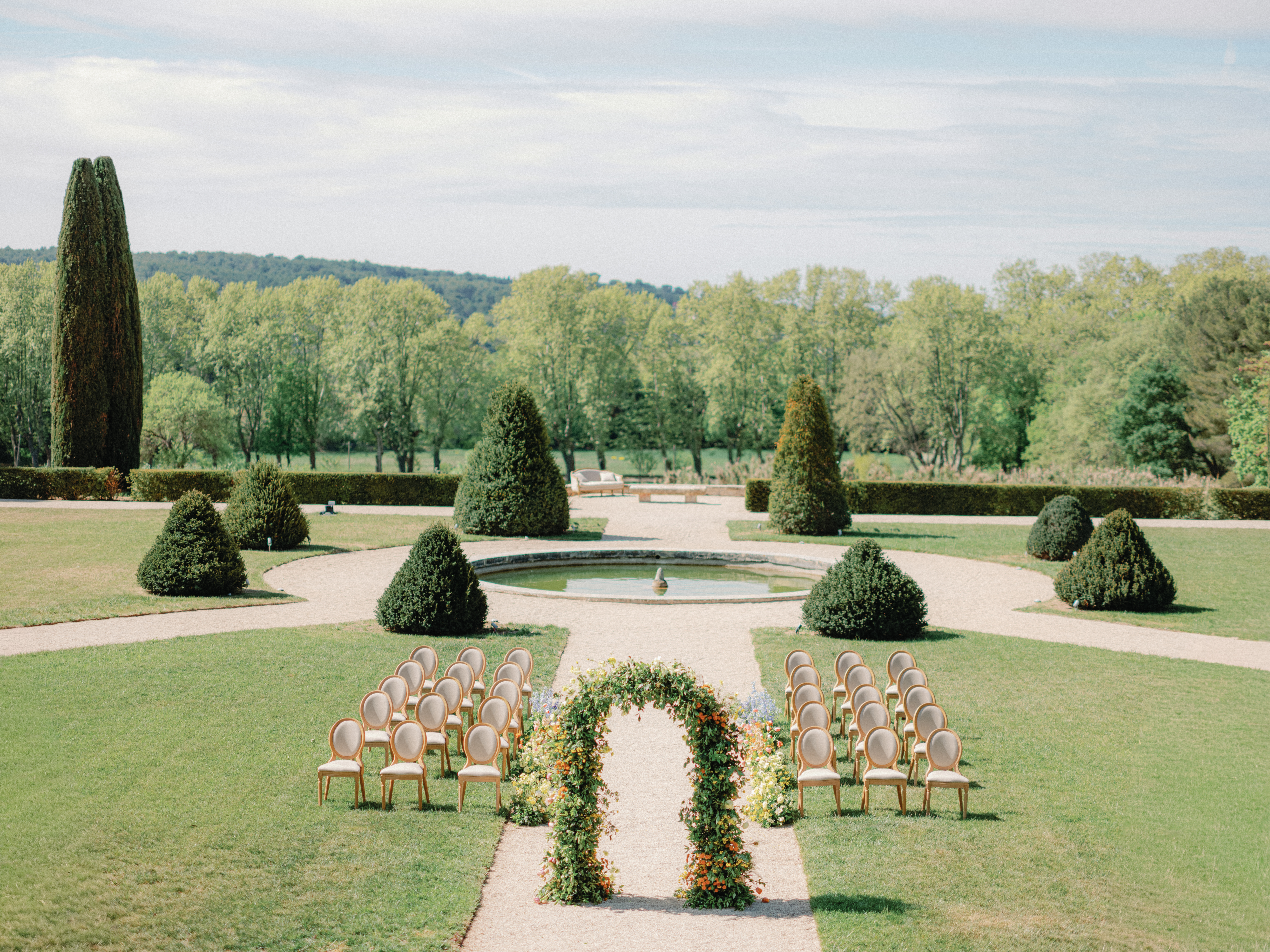
The ceremony is one of the most photographed moments of your wedding day. Consider where the sun will be positioned during your ceremony time and whether the light will be working for or against your photographer. A couple squinting into direct sunlight during their vows, or lit from behind in a way that puts their faces in shadow, creates challenges that are difficult to overcome even with the best camera equipment.
Ideally, a ceremony space should position the couple with soft, even light falling on their faces. Open shade, north-facing spaces, or east-facing spaces for morning ceremonies tend to work beautifully. If you are set on a particular venue and the light situation is less than ideal, talk to your photographer early so they can offer creative solutions.
Ask About Restrictions
Some venues come with photography restrictions that couples do not discover until it is too late. These can include rules about where photographers are permitted to stand during the ceremony, time limits on access to certain areas, or restrictions on drone use for aerial photography. Some historic venues even have limitations on lighting equipment. Before signing a contract, share the venue’s policies with your photographer and confirm that they can work effectively within those guidelines.
When learning how to choose a wedding venue, be aware of photography restrictions that could affect your day.
Visit at the Same Time of Day as Your Wedding
One key aspect of how to choose a wedding venue is visiting at the same time as your planned ceremony.
This is one of the most practical and underutilized pieces of advice for venue shopping. Venues can look entirely different depending on the time of day you visit. If your ceremony is planned for four in the afternoon, try to schedule your venue tour around that same time so you can see exactly how the light behaves, where shadows fall, and what the overall atmosphere feels like during your wedding hours.
Talk to Your Photographer Before You Book
If you have already chosen a wedding photographer or are seriously considering one, bring them into the venue conversation early. Many photographers are happy to share their thoughts on venues they have worked at before (like me!). I love being able to offer invaluable insight into what works well and what presents challenges at that certain venue.
Before finalizing how to choose a wedding venue, consult with your photographer for their expert advice. At the very least, share the venue’s website and photo gallery with your photographer before you commit. Their perspective could save you from a decision you might later regret, or confirm that you have found exactly the right place.
Your wedding venue is more than just a backdrop. It is a character in the visual story of your day. Choosing one with photography in mind does not mean sacrificing the atmosphere or amenities you love. It simply means being intentional about a decision that will shape the way you remember your wedding for the rest of your life. Ultimately, understanding how to choose a wedding venue will enhance the beauty of your wedding memories.
How to Choose the Right Wedding Venue
Choosing your wedding venue is the single most important decision you will make in the entire wedding planning process, and it deserves far more time and careful thought than couples often give it. Your venue is not simply a location. It is the foundation upon which every other decision gets built. It sets the visual tone for your photography, establishes the atmosphere your guests will experience from the moment they arrive, and shapes the overall feeling of your entire celebration.
It is also, in most cases, the largest single investment you will make in your wedding budget, which means the stakes are genuinely high. Before you sign anything, it is worth slowing down and approaching the search with real intentionality.
The challenge is that most couples walk into venue tours with only a few surface-level questions in mind, usually capacity and cost, and leave having missed dozens of details that will matter enormously on the actual wedding day.
A venue that looks beautiful in photographs may have terrible acoustics that make your ceremony vows impossible to hear.
A stunning outdoor space may have no contingency plan for weather. A historic building may have lighting so poor that your photographer will struggle all night. This is why a thorough and structured approach to venue selection is so important.
When evaluating any venue, there are ten key areas every couple should examine closely before making a final decision: location, architecture and interior design, interior layout, lighting, acoustics, ceremony space, amenities, catering and bartending options, accessibility and parking, and overall budget alignment. Taking the time to work through each of these considerations carefully will not only protect your investment but will ensure that the venue you choose is truly the right fit for the wedding you are envisioning.




add a comment
+ COMMENTS