



Monteverdi Tuscany: The Most Extraordinary Wedding Venue in Italy – Perfect for Intimate Destination Weddings
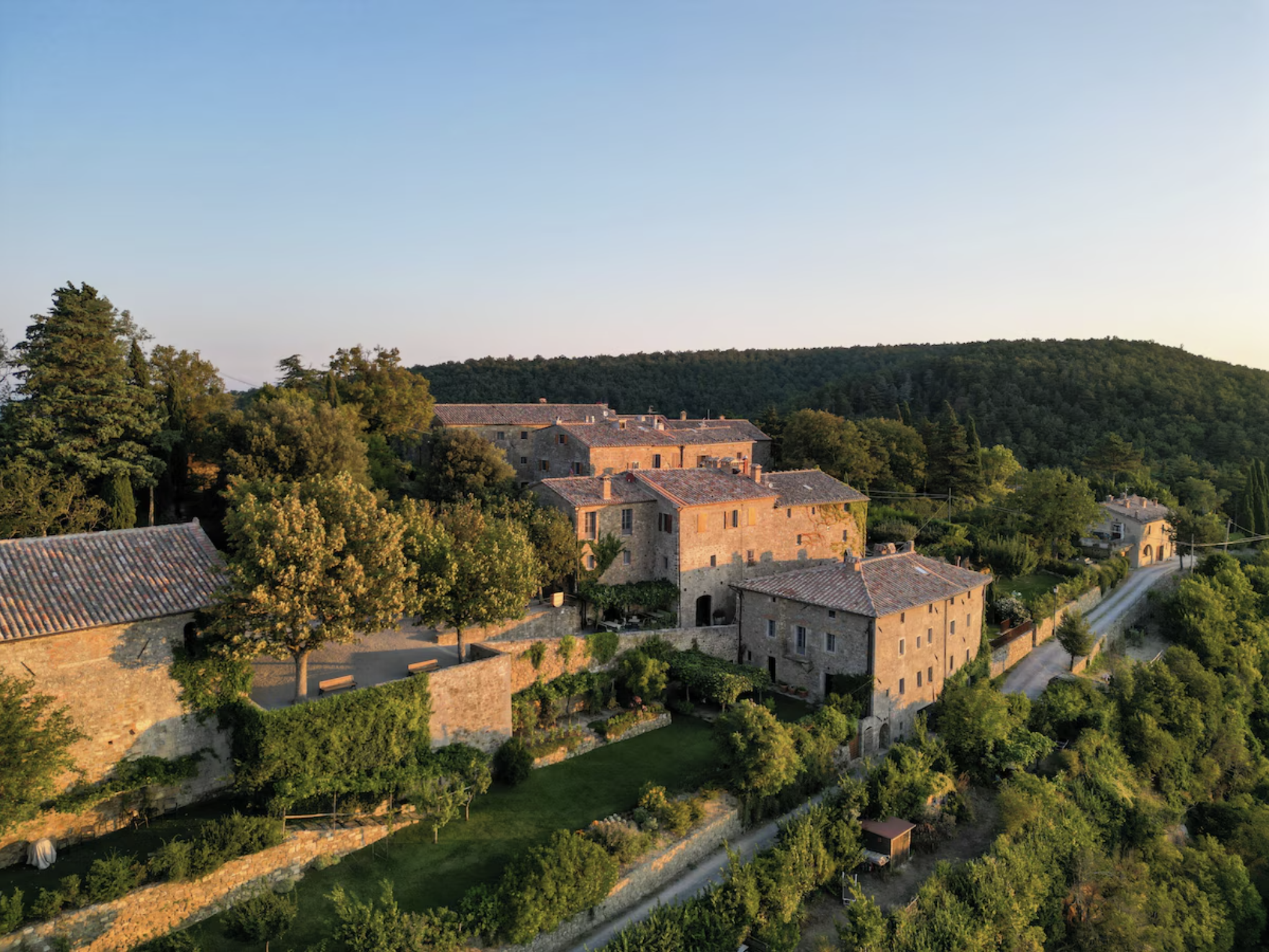
There are places in Italy that are beautiful in the way that all of Tuscany is beautiful — rolling hills, cypress-lined roads, ancient stone, good wine — and then there is Castiglioncello del Trinoro, the medieval hilltop village that contains Monteverdi. I want to be precise about the distinction because it matters. The Val d’Orcia, where this village sits, is a UNESCO World Heritage landscape — not merely a lovely stretch of Italian countryside but a place of such consistent and remarkable beauty that the international community formally designated it as an irreplaceable part of the world’s cultural inheritance.
The Monteverdi Tuscany hotel does not simply occupy a building within that landscape. It occupies an entire village perched at 786 meters above sea level at its summit, from which the Val d’Orcia unfolds in every direction in a panorama that I have photographed at different hours of the day and in different seasons and that consistently produces the sensation of looking at something that should not be real.
I have photographed destination weddings across France, across Italy, across Europe, and I can tell you without qualification that Monteverdi Tuscany is one of the most singular venues I have worked at anywhere in the world.
It achieves something that the great destination wedding venues either achieve or do not, and the difference between the two categories is immediately apparent when you are standing in the landscape: it gives you not just a beautiful place but a beautiful world. The village, the valley, the chapel, the gardens, the food, the cultural program, the art, the music, the spa, the silence — all of it together creates an environment that is total in its beauty and total in its specificity.
There is no other place like Monteverdi Tuscany on earth, and the couples who choose it for their wedding understand, whether consciously or intuitively, that they are not simply booking a venue. They are entering a story that has been centuries in the making at Monteverdi Tuscany.
The History: A Village Reborn
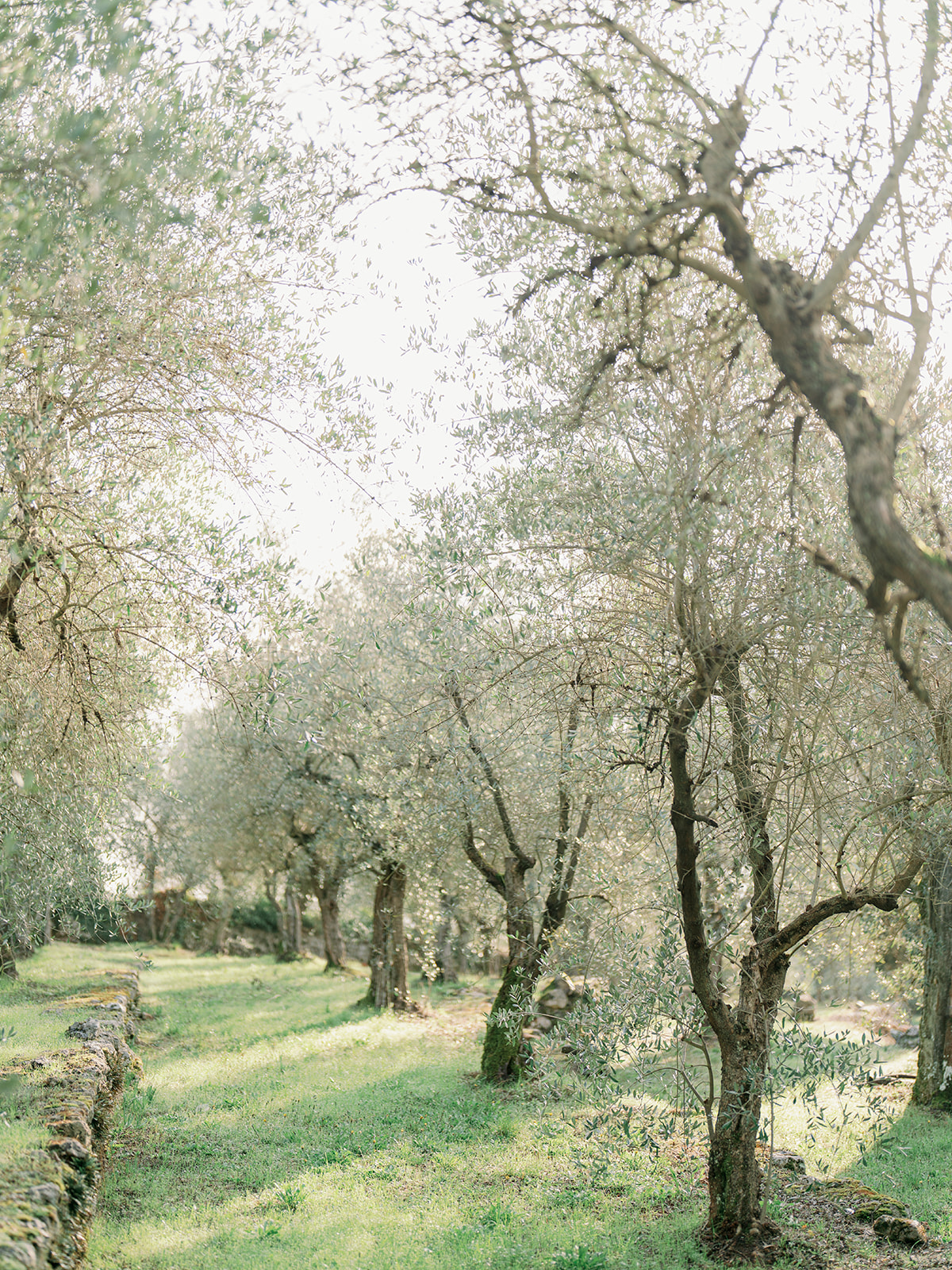
Castiglioncello del Trinoro has been a human settlement for approximately nine hundred years, its medieval stone structures built on a hilltop that the Etruscans inhabited long before the medieval period — the archaeological garden on the property reflects this deeper history, part of the only privately sponsored archaeological dig in Italy. After the Second World War, like many small rural villages across southern Tuscany, the hamlet gradually emptied as its residents moved to cities and the buildings were left to the slow work of time.
By the early 2000s, Castiglioncello del Trinoro was effectively abandoned — a ghost village of medieval stone structures holding their architectural character while the landscape continued its undisturbed beauty around them.
In 2003, a Cincinnati attorney on holiday in Italy who had come to explore his Italian ancestral roots, wandered into this valley and found the village for the first time. The response he had to it was the kind that cannot be entirely explained by rational analysis. He described it later as like stepping back in time, like coming back to rediscover a lover — a place of quietude, he said, an ideal place for thinking, for conversation, for the arts and the humanities.
He returned in 2005 and began acquiring the abandoned properties, with a vision that was specific and demanding: not to build a hotel that happened to be in a medieval village, but to restore the village itself to life in a way that honored its history, respected its architectural character, and created something genuinely new and genuinely beautiful within the existing fabric of the place.
To achieve this, he worked with Ilaria Miani — a Rome-based interior designer and architect with a deep passion for restoring and breathing life into ancient Italian properties. Miani studied ancient methods of construction throughout the restoration process, working with local craftsmen and sourcing materials consistent with the village’s original character: local wood, flagstone, granite, Carrara marble, Tuscan tile. The restoration preserved the original layouts of every room and villa, added contemporary amenities with absolute discretion, and created a design language — custom furniture combined with authentic local materials, hand-dyed fabrics from Italy, Egypt, Tunisia, and Spain, original artwork in every room — that gives Monteverdi an aesthetic identity unlike any other Italian luxury hotel.
It is contemporary without being cold, historical without being museified, luxurious without being ostentatious. The design expresses, in every room and in every corridor of the village, exactly what the place is: ancient stone, modern civilization, the meeting of the two that Italy has been practicing for two thousand years.
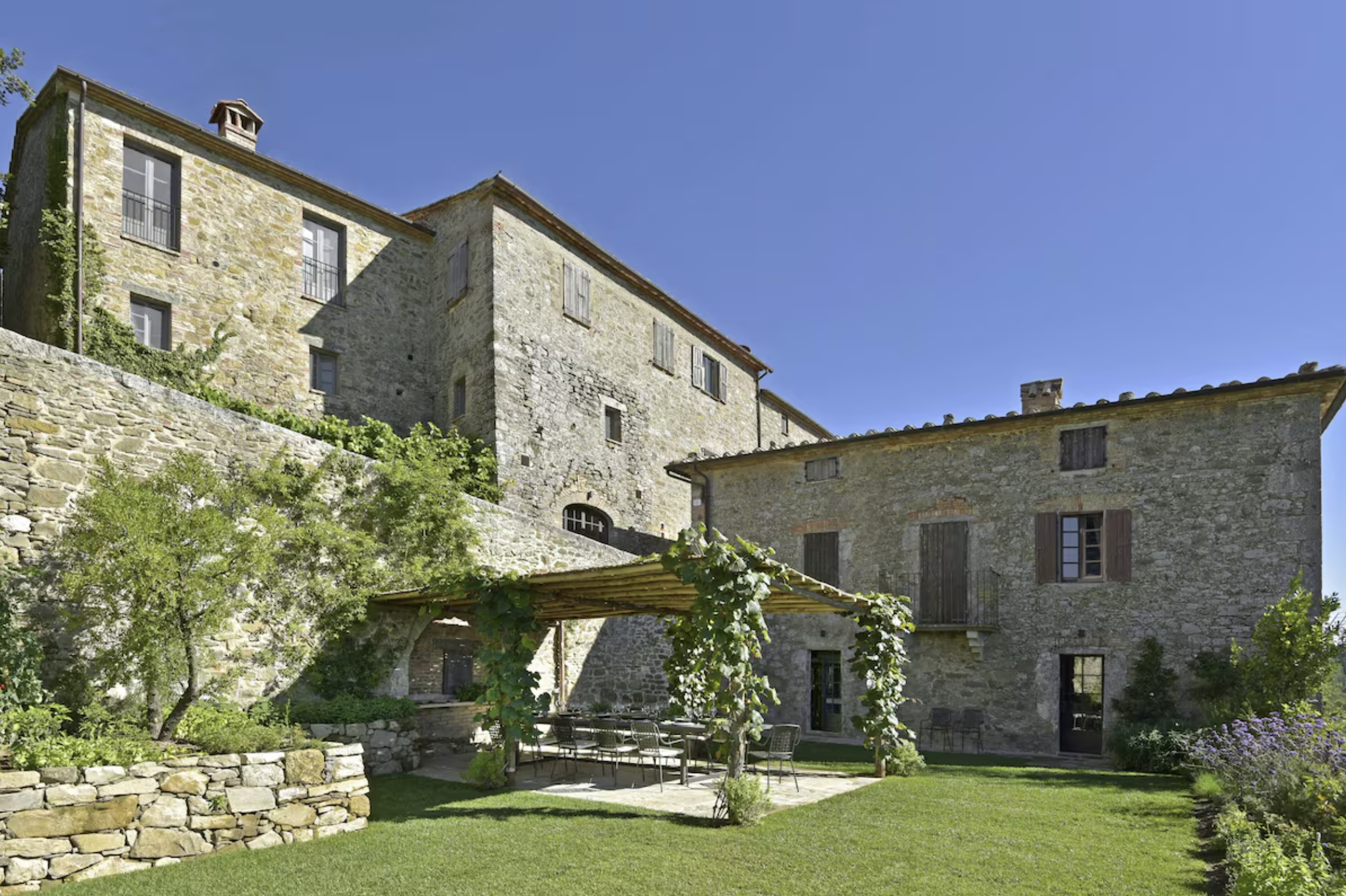
Today, Monteverdi Tuscany is genuinely part of the living village of Castiglioncello del Trinoro. Private residences still exist within the hamlet’s walls alongside the hotel’s rooms and suites. There are no paved roads or sidewalks — the ancient cobblestones are the paths between spaces, and the distinction between the hotel and the village is deliberately blurred.
When you walk from your room to breakfast, you walk through the village. When you walk from the restaurant to the chapel, you walk past stone walls that were built before the Renaissance. This quality of inhabiting a real place rather than a resort designed to simulate one is the foundational experience that makes Monteverdi unlike any other wedding venue I know.
The Accommodation: 31 Rooms Across a Medieval Village
Monteverdi Tuscany offers 31 rooms and suites distributed across the individual village buildings, plus three Private Village Houses that extend the accommodation’s scale for larger wedding parties. No two rooms are alike — each has been individually designed within its historic shell to reflect the character of that particular building and that particular position in the village.
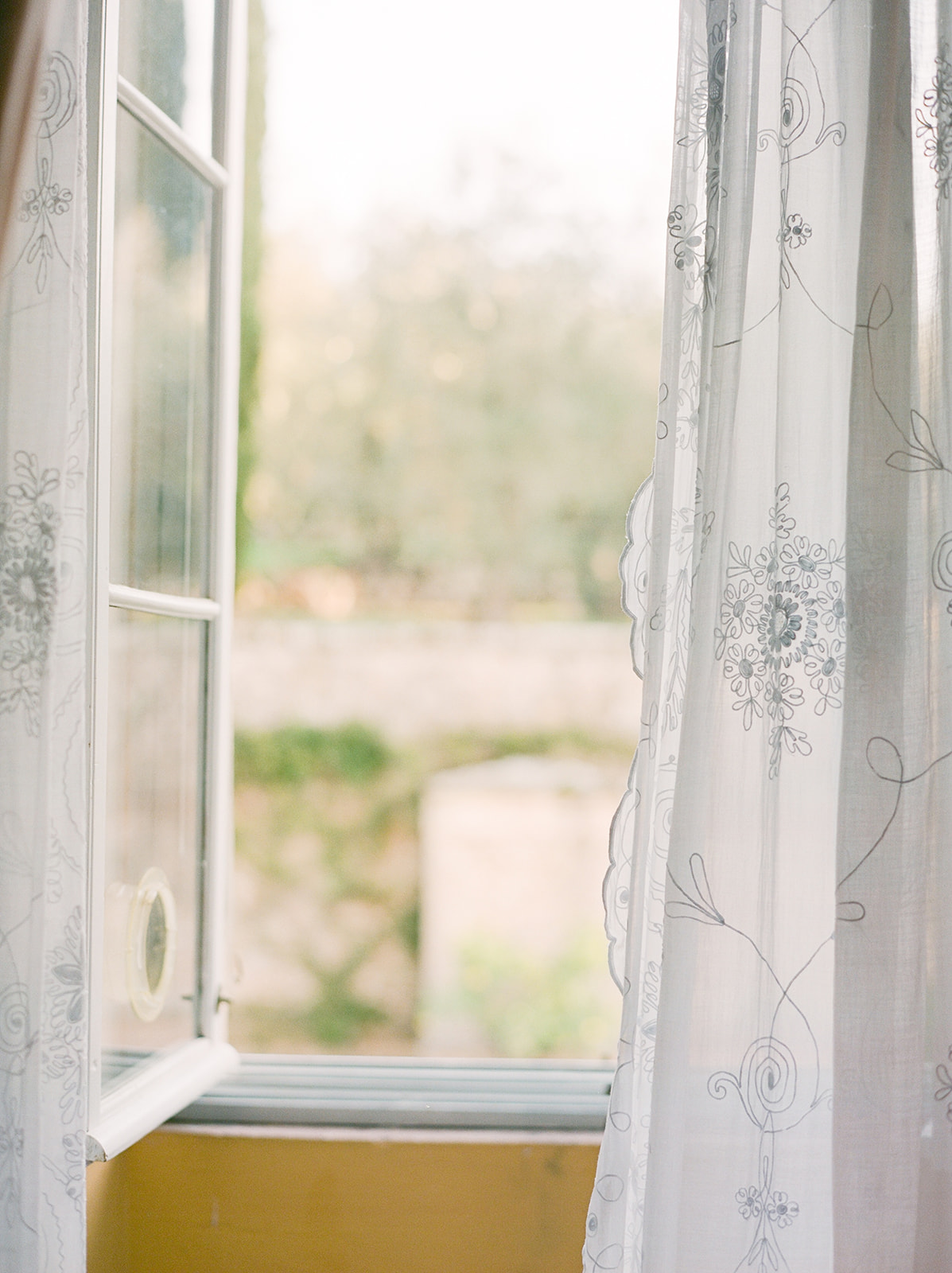
The village rooms at Monteverdi Tuscany feature king-sized beds dressed in C&C Milano linens and hand-dyed Italian fabrics, heated stone floors, rustic wood-beamed ceilings, rainfall showers, and Santa Maria Novella bath products throughout. Original artworks hang in every room — part of the hotel’s Artists in Residence program, which means the art is not decorative inventory but the work of specific and significant artists who have had a real relationship with this place.
Some suites have travertine soaking tubs positioned at windows that frame the Val d’Orcia. The Monte Cetona Suite, the most celebrated of the individual rooms, features a travertine soaking tub, a balcony that opens directly onto vineyard-draped valleys, and an atmosphere — guests who have stayed there use this word specifically — of extraordinary quiet and presence.
The three Private Village Houses at Monteverdi Tuscany are named Muri Antichi (six bedrooms), Amiata (three bedrooms), and San Pietro (two bedrooms). Each has a generous common living area, a fully equipped kitchen, a private garden set up for outdoor dining, and a residential quality that makes them the natural accommodation choice for the wedding couple’s immediate family or closest friends — the people who will inhabit the space across the full wedding weekend rather than simply sleeping there between events. Total accommodation capacity across the hotel and village houses reaches approximately 60 guests at standard occupancy, with the possibility of extending to 80 with additional arrangements.
For the wedding couple, this means that the entire guest accommodation is within the village itself — no shuttles between hotels, no guests scattered across multiple properties in different towns, no managing the logistics of accommodation across three or four Airbnb rentals. The wedding party wakes in the same medieval village, takes breakfast together at the same terrace, explores the same gardens and the same cobblestoned paths, and gathers for the celebration already deeply embedded in the experience of the place.
This kind of total immersion is exactly what the best destination weddings create, and Monteverdi’s configuration as a complete living village — rather than a single property — makes it possible in a way that most venues, however beautiful, cannot replicate.
The Wedding Ceremony Spaces
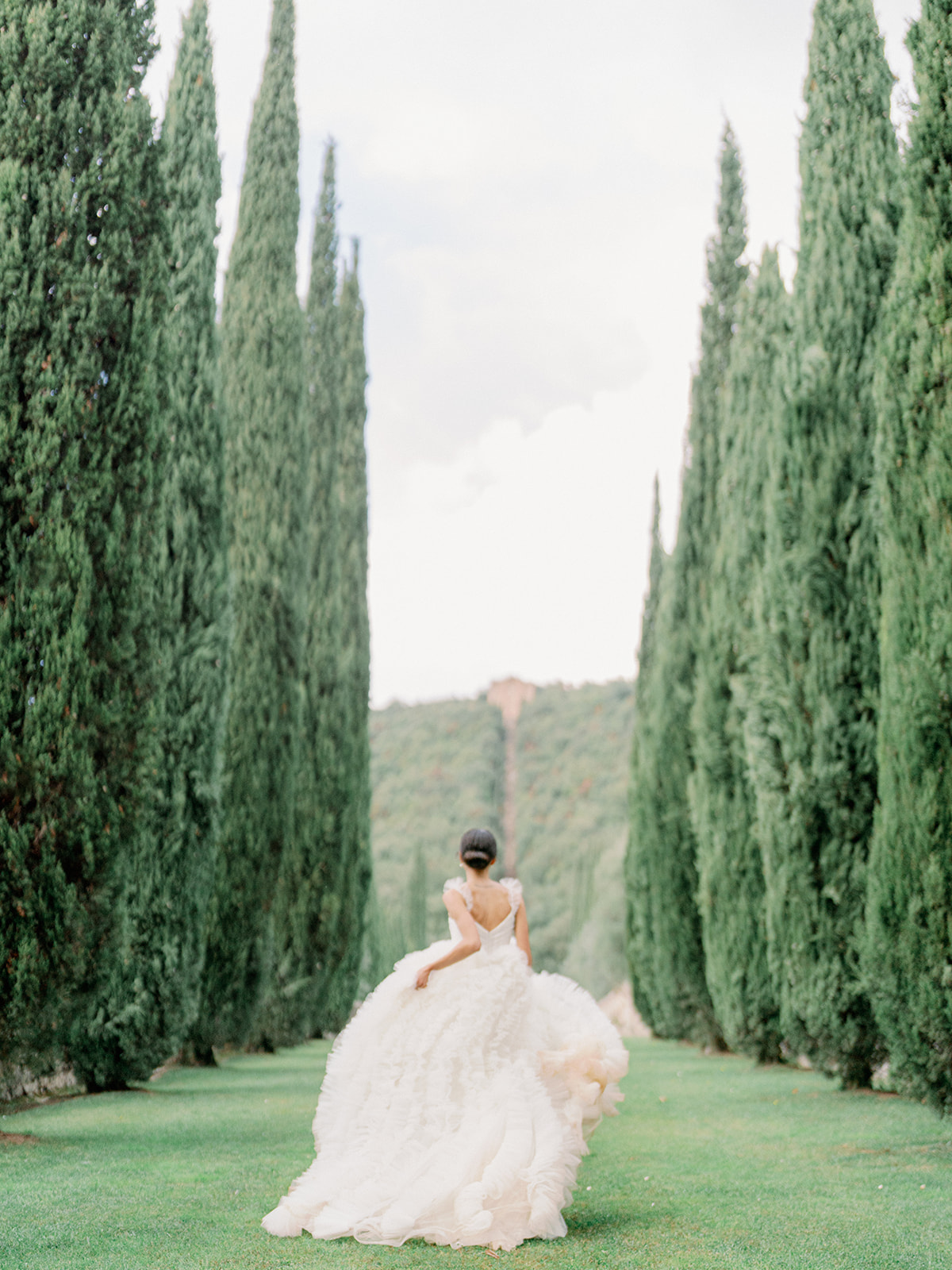
Monteverdi Tuscany offers several distinct ceremony locations within and around the village, each with its own character and its own relationship with the surrounding landscape.
The Sant’Andrea church — a 14th-century Romanesque chapel within the village — is the most historically resonant ceremony space at the property. Its stone interior, its medieval architectural character, and its centuries of accumulated presence create a ceremony environment that genuinely and irreducibly situates the moment within the long story of human civilization in this valley. The church serves as the hotel’s performing arts venue for the Incontri in Terra di Siena classical music festival, of which Michael Cioffi is a patron, and this dual identity as both sacred space and cultural stage gives it a depth of meaning and atmosphere that purely decorative ceremony spaces cannot manufacture.
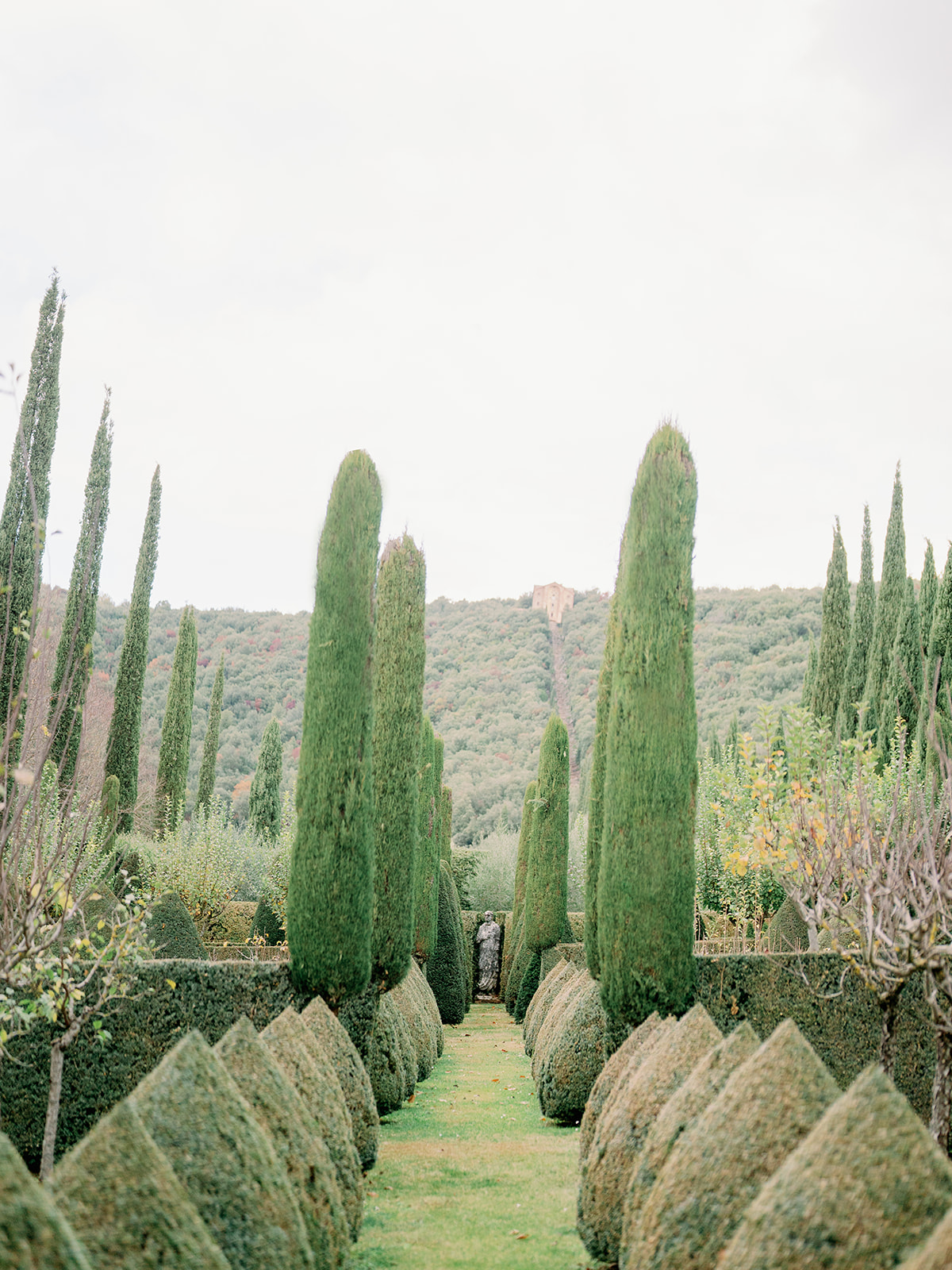
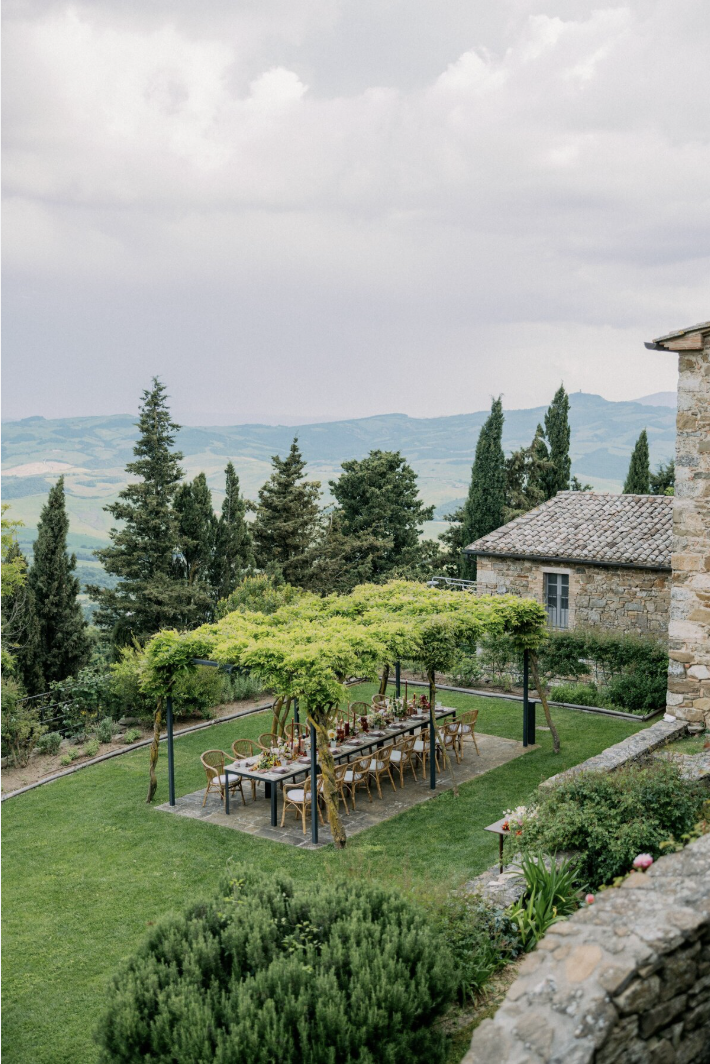
The square in front of the church at Monteverdi Tuscany provides an outdoor ceremony setting that frames the village architecture as the backdrop and the Val d’Orcia as the horizon — a composition that requires no additional decoration because the village itself, built over centuries to face and honor this specific landscape, has already done all the visual work. The Lavender Garden offers a ceremony among the planted rows of lavender that surround the property — the scent of the flowers present in the air throughout, the infinity pool in the background, the valley stretching to the horizon beyond it. The Cassero, a historic fortification element of the village structure, provides another outdoor setting with its own distinct architectural character.
The flexibility to choose among these different environments at Monteverdi Tuscany— or to combine them across different phases of the wedding weekend — means that the ceremony experience at Monteverdi can be tailored to the couple’s vision with a precision that a single-ceremony-site venue cannot offer. I have a particular fondness for the square in front of the church in the late afternoon, when the shadow of the village walls begins to move across the cobblestones and the light on the surrounding hills turns from white to gold to amber.
This is not a general observation about Tuscan afternoon light — it is specific to this square, this orientation, this village, and the way the buildings and the landscape interact at that particular moment of the day.
The Food and Wine: A Complete Culinary World
Monteverdi’s culinary program reflects the same philosophy as its architecture and its cultural offering: genuinely rooted in the specific landscape and traditions of this part of southern Tuscany, executed at the highest level of sophistication, and organized around the pleasure of being present in a beautiful place with good food and good wine.
The primary restaurant Zita — housed in a building designed by Foster + Partners in the center of the village, serving breakfast, lunch, and dinner — celebrates traditional Tuscan flavors with modern interpretations. The kitchen’s philosophy is explicitly of the Val d’Orcia: local producers, seasonal ingredients, dishes that are poems to the landscape, as the hotel describes them. Pecorino from Pienza. Prosciutto and rigatino from Siena’s acorn-eating pigs. Gnocchi made from nettles. Black truffles sourced locally enough to feel as though they arrived directly from the forest. Wild boar ragù on handmade rosemary pappardelle.
This is the cooking of a specific place, made by people who know it intimately, and it is extraordinary. Just thinking about this makes my mouth water. The food in Italy is so memorable.
Oreade, the fine dining concept that launched in spring 2025, represents the elevated end of the culinary program — a formal restaurant experience that brings the Monteverdi Tuscany philosophy to its most refined expression. The wine program across both restaurants and the Library Bar draws from the exceptional producers of the immediate region: Tenuta di Trinoro, Valdipiatta’s Vino Nobile di Montepulciano, Montalcino’s Brunello.
The Library Bar, with its terrace sweeping views of the Val d’Orcia, is the natural gathering point for the late afternoon aperitivo — the specific Tuscan ritual of a spritz or a Negroni as the light changes on the valley — that becomes, at a wedding weekend at Monteverdi, one of the most quietly lovely moments of the celebration.
The Culinary Academy extends the gastronomic program into participatory territory: cooking classes, wine tastings with the hotel sommelier, olive oil tasting, private dinners, and Chef’s Table experiences. For a wedding weekend, these offerings transform the time between formal events into experiences of genuine pleasure and learning — truffle foraging in the forest, an olive oil tasting from the historic La Foce estate (whose Cecil Pinsent–designed gardens are fifteen minutes by car), a morning wine lesson in one of the nearby Montalcino cellars.
Guests who fly in from New York or London or Sydney for the wedding discover not just a celebration but an education in one of the world’s great culinary traditions, delivered in its most authentic geographic context. It truly is incredible to experience. And even if you don’t like wine, I suggest a wine tasting or education class. It was so much fun!
The Cultural Life: Art, Music, and the Incontri in Terra di Siena
One of the qualities that most distinguishes Monteverdi Tuscany from every other luxury wedding venue I photograph at — in Italy and elsewhere — is its genuine cultural life. This is not a hotel with art on the walls. It is a hotel that functions as a living cultural institution, with programs and relationships that have developed over two decades of committed engagement with the arts in the Val d’Orcia.
The Artists in Residence program brings internationally recognized painters and sculptors to the property, whose work is exhibited in the contemporary art gallery and whose presence in the village means that guests — and wedding parties — can encounter artists at work in one of the most visually stimulating landscapes in the world. This is not a curated background detail. It is a genuine intellectual and creative dimension of the Monteverdi Tuscany experience.
The Incontri in Terra di Siena classical music festival, which Michael Cioffi has patroned for many years, brings world-class musicians and singers to the region each summer for performances that occasionally take place in the hotel’s grounds and always in the Sant’Andrea church — which, as a performing arts venue, carries an acoustic quality that centuries of stone construction creates and that modern concert halls can only approximate.
The experience of hearing a soprano or a chamber quartet in a 14th-century Romanesque chapel, surrounded by the Val d’Orcia landscape, with a glass of Brunello in hand and the scent of lavender drifting through the doorway, is one of those encounters with beauty that people remember with unusual clarity for the rest of their lives.
For a wedding weekend at Monteverdi Tuscany, these cultural dimensions are not background but active components of the experience. A welcome dinner might include a concert in the chapel. The evening before the ceremony might feature a wine tasting with the hotel sommelier followed by a conversation with the artist in residence. Monteverdi’s planning team understands how to weave these elements into the wedding weekend in ways that feel organic rather than programmatic, and the result is a celebration that has a depth of cultural resonance no conventional venue event can match.
The Spa and Wellness
The Spa at Monteverdi Tuscany, completely renovated and expanded in 2023, brings the same philosophy as the rest of the property to the domain of wellness: locally rooted, genuinely luxurious, and deeply connected to the Tuscan landscape and its traditions. The spa features Santa Maria Novella and Biologique Recherche treatments — two of the most distinguished product houses in European wellness — alongside treatments that use herbs, flowers, and botanicals from the hotel’s own gardens and the surrounding Val d’Orcia. You can’t go wrong with anything here at Monteverdi Tuscany.
The spa circuit includes an underground heated pool whose views of the Tuscan countryside are framed through the stone walls like a living painting, two saunas, plunge pools, a sensory shower, and a relaxation area. The outdoor infinity pool — open seasonally from late April through October, surrounded by lavender and positioned to face directly over the Val d’Orcia — is one of the most photographically extraordinary pool environments I have encountered at any hotel in Europe.
The specific combination of the stone coping, the lavender rows, the turquoise water, and the valley stretching to the horizon below creates an image that appears in almost every serious travel publication that has written about Monteverdi Tuscany, because it is simply and specifically beautiful in a way that is difficult to adequately describe and immediately apparent in photographs.
For a wedding weekend at Monteverdi Tuscany, the spa provides the bridal preparation experience that the setting deserves. A couple’s massage in the spa on the morning before the ceremony, the sensory shower, the relaxation area overlooking the valley — these are the preparation rituals that the rest of the wedding day is organized around, and Monteverdi’s wellness team understands how to sequence and personalize the experience for the wedding couple and their party.
The Wedding Planning: Monteverdi’s Approach
The hotel’s wedding philosophy is organized around a principle that resonates deeply with how I approach my own work as a wedding photographer: the milestone deserves the full creative and logistical attention of people who understand it completely. From the welcome cocktail to the final farewell, the Monteverdi Tuscany team works with couples to design a celebration that uses every dimension of what the property and the region offer.
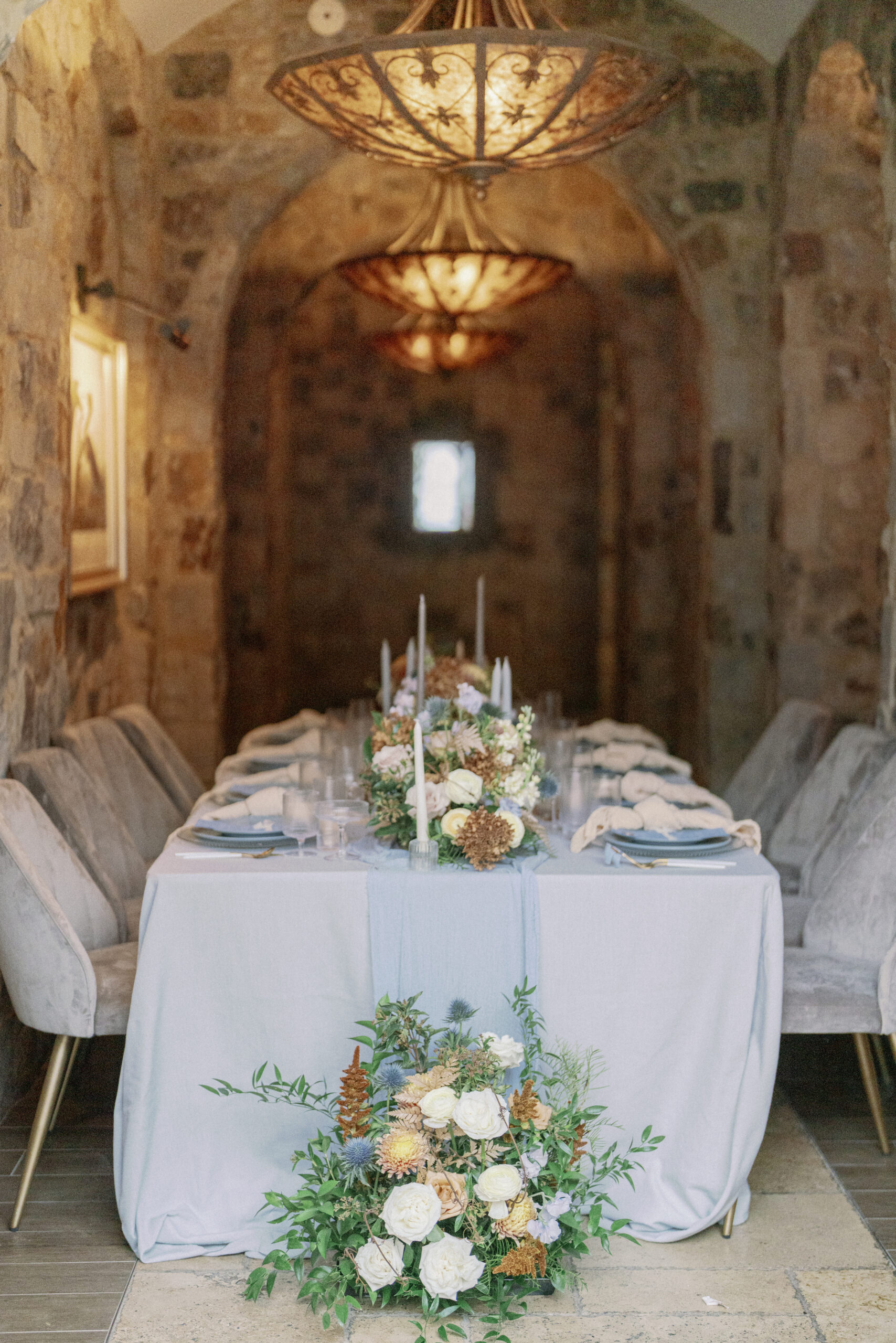
Ceremony spaces at Monteverdi Tuscany can be chosen from the Sant’Andrea church, the square in front of the church, the Cassero, or the Lavender Garden. Dinners can be organized in any of the property’s gardens — the spaces shift character with the light across the day and across the seasons, and the team’s knowledge of how each performs at different hours is part of what they bring to the planning process. The party continues indoors until 2:00 AM. This venue is truly perfect if you are planning a smaller wedding or micro wedding.
The hotel’s preferred vendor network spans the finest artisans and professionals in southern Tuscany — fifth-generation florists, the best chocolatier in the region, fireworks specialists, musicians from the classical and jazz traditions of the festival circuit. No wedding at Monteverdi feels like a templated event, because the design of the celebration is built entirely around the couple’s vision and the specific character of the place.
For the legal dimension of the ceremony: as I discuss in my broader France wedding planning guides, couples marrying in Italy must observe the Italian legal requirements for civil or religious ceremonies, which typically involves either the civil rite at the local comune or a religious ceremony in a church registered for legal marriages. Many international couples choose to marry legally at home and hold a symbolic ceremony at Monteverdi — which is fully supported by the hotel’s team and which, from an experience standpoint, is often the more beautiful option because it gives the ceremony complete creative freedom. The planning team can advise on all dimensions of this process.
Getting to Monteverdi: Logistics and Access
Monteverdi Tuscany is located in Castiglioncello del Trinoro, in the commune of Sarteano, in the province of Siena, Tuscany. The hotel’s direct contact is travel@monteverdituscany.com. I personally used a travel agent to book the flight and transportation from the airport to the hotel. I always find that it’s something that puts my mind at ease when traveling to go through a travel agent in case there are any hiccups along the way. They will always handle those things for you on your behalf. Plus, sometimes you get extra flight points.
The property sits equidistant between Rome and Florence, which simplifies international travel logistics considerably for guests arriving from multiple origin cities. Florence’s Amerigo Vespucci Airport is approximately 129 kilometers away — roughly 90 minutes by car. Rome Fiumicino Airport is approximately 198 kilometers, or approximately two hours. Pisa Airport provides a third option at approximately 179 kilometers. The nearest train station is Chiusi-Chianciano Terme, served by trains from both Florence and Rome in approximately 90 minutes to two hours, from which the hotel can arrange transfers.
When I visit this area, I like to extend my trip to enjoy Florence and Rome within my stay. There is so much to do in both cities. If I were to do it again, I would suggest staying longer in Rome and only a few days in Florence. A rental car is strongly recommended for guests who want to explore the surrounding region — the Val d’Orcia, the hill towns of Pienza, Montepulciano, Montalcino, and Siena, the abbeys, the local wineries, and the landscapes that have been drawing travelers to this part of Italy for centuries.
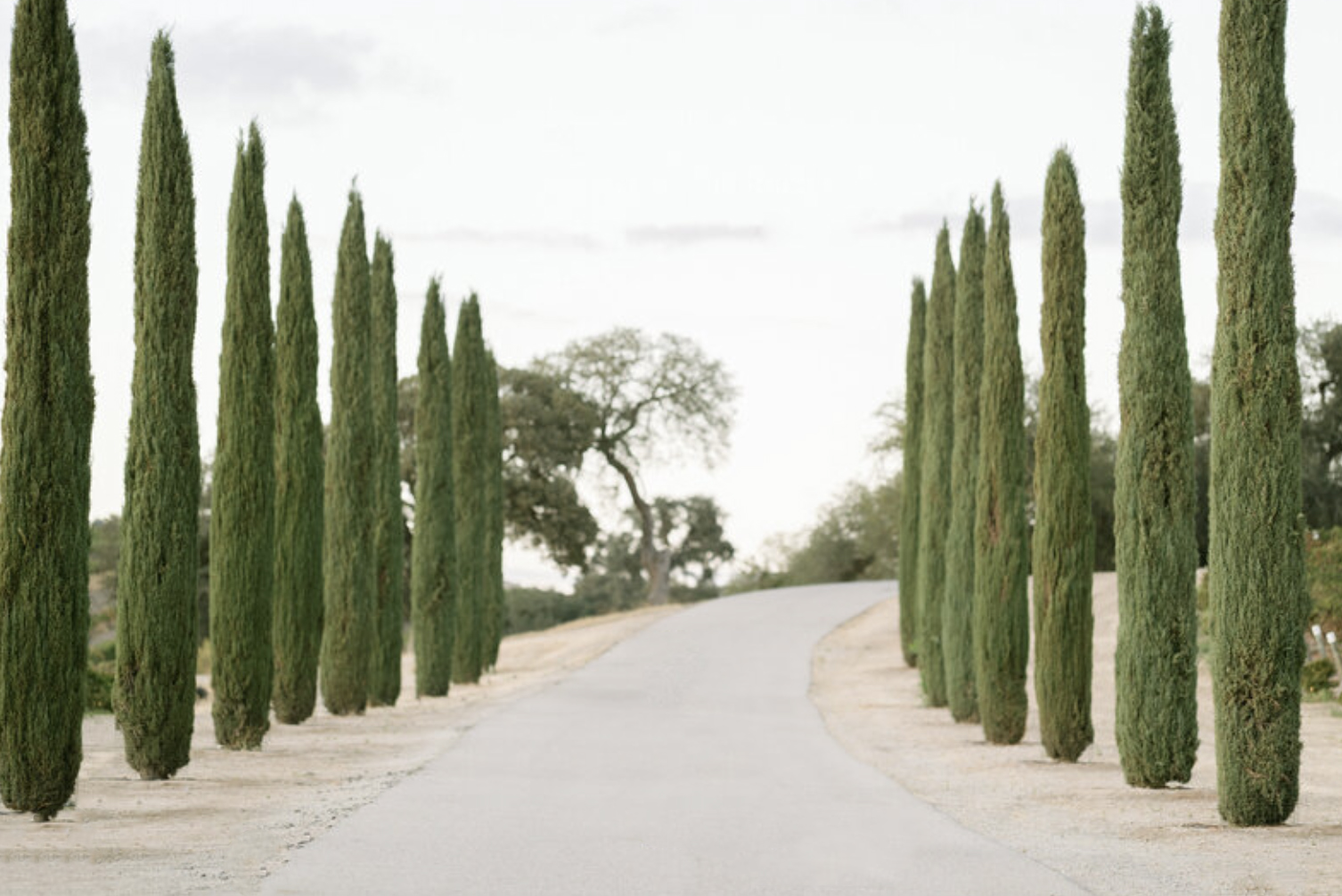
The drive to Monteverdi Tuscany’s hotel itself is the appropriate prelude to the experience: leaving the valley roads and beginning the ascent through the Tuscan countryside, the landscape opening progressively as the altitude rises, the village appearing at the top of the hill with its ancient walls and its panoramic situation over the Val d’Orcia. There are no paved roads within the village. Parking is available at the entry point and guests walk — or are assisted by the hotel team — through the cobblestoned village to their accommodations.
When to Get Married at Monteverdi – The Best Season for Your Wedding Day
The Val d’Orcia is beautiful in every season, and Monteverdi Tuscany’s capacity to host events year-round means that the seasonal question is about specific beauty rather than general viability. But there are months that are more specifically extraordinary than others, and after photographing at this property I have clear recommendations.
May is magnificent. It’s probably my favorite season to travel anywhere in Europe. The countryside is at its most vivid green, the wildflowers are abundant, the lavender is beginning its season, the outdoor pool has opened, and the quality of the Tuscan spring light — clear and warm and long into the evening — creates portrait conditions of genuine rarity. Late May specifically is the month when the Val d’Orcia’s rolling fields are at their most dramatic — the combination of green and gold, the cypress trees against the sky, the ancient roads winding between the hills — and the light in that season photographs with a warmth and a freshness that the drier summer months do not replicate.
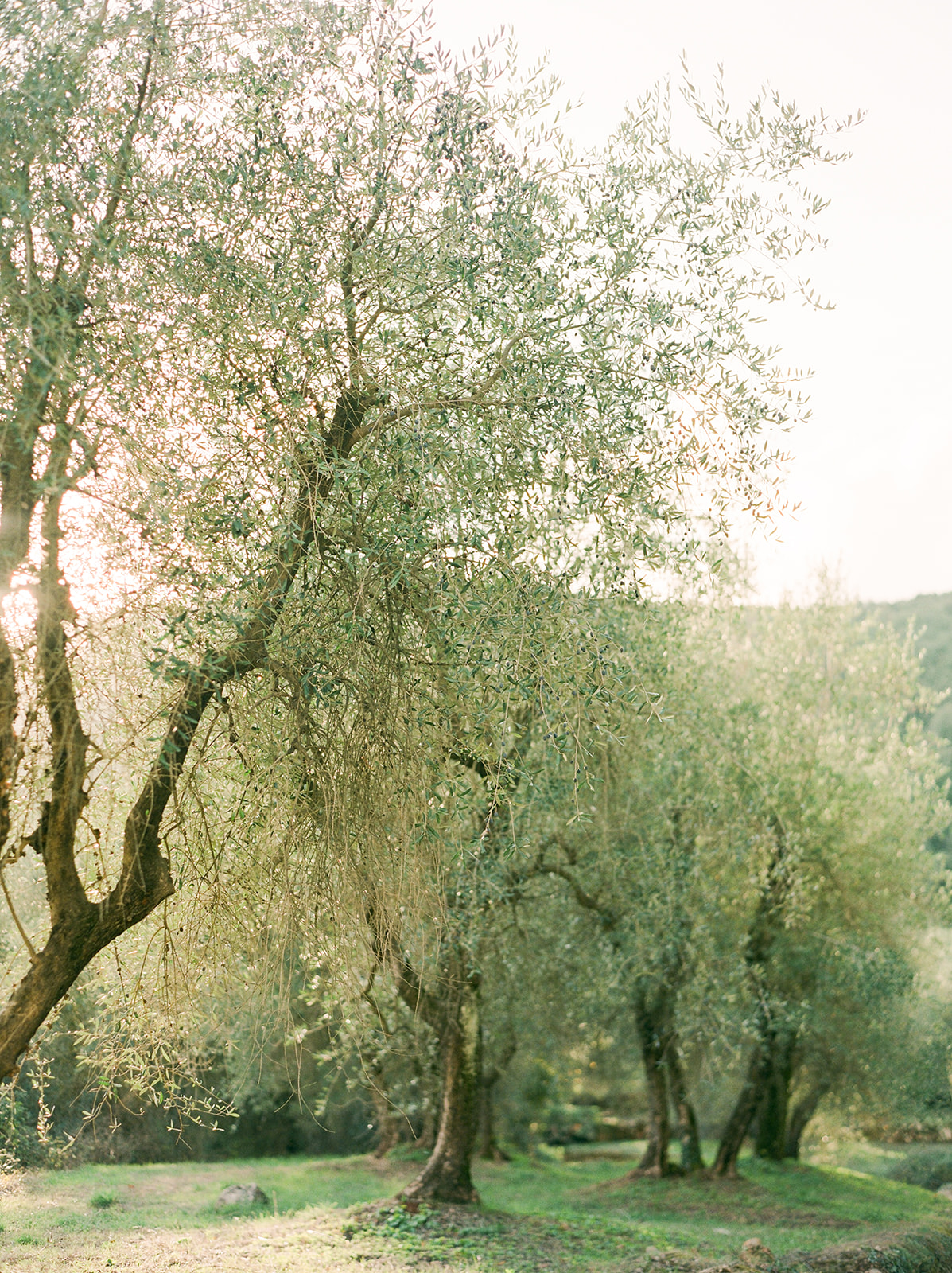
June and September are the months I recommend most consistently for the wedding ceremony itself at Monteverdi Tuscany. June has the longest evenings in Italy — the sun setting near 9:00 PM creates a golden hour of extraordinary duration, and the chapel ceremony in the late afternoon with a garden dinner extending into the long summer twilight is the Monteverdi wedding experience at its most complete. September brings the harvest season — the vineyards golden with ripening grapes, the olive trees silvery in the early autumn light, the countryside shifting from the high-summer palette toward the amber and gold of the approaching fall.
The quality of the September light in the Val d’Orcia, when the angle of the sun drops and the shadows lengthen across the stone and the rolling fields, is one of the most beautiful natural photographic conditions I have experienced in seventeen years of working in Europe.
July and August are the most popular months — warm, reliably dry, the outdoor spaces fully operational — but also the most crowded months in the surrounding region. The countryside itself remains as beautiful as in any season, but the nearby towns of Pienza and Montepulciano are at their highest tourist density, and the drive between them requires more patience than in June or September. The summer is always tough not only because of the crowds but the heat as well. I recommend skipping a summer wedding here.
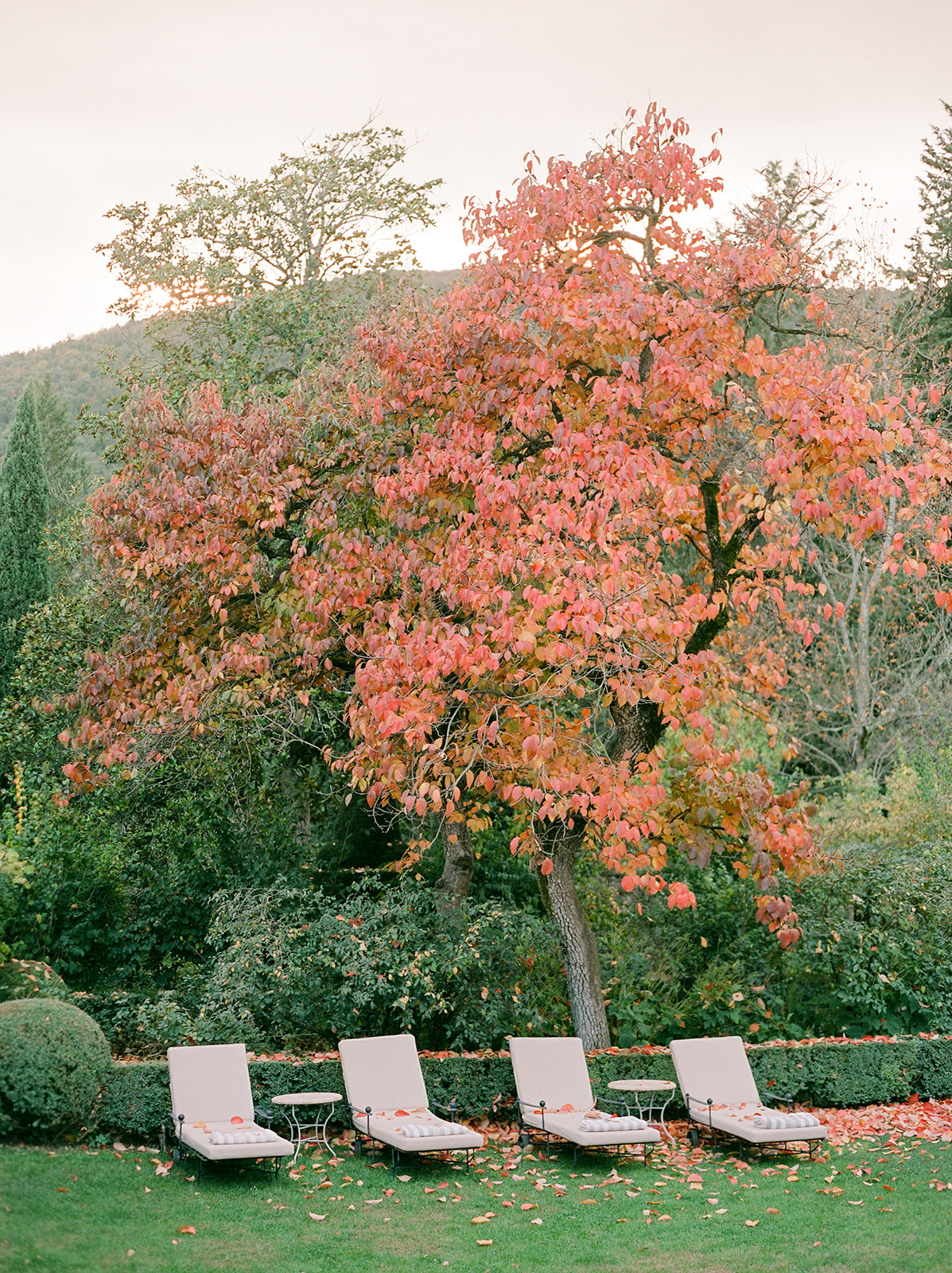
October and November carry the harvest into its final stages — truffle season is October and November in this part of Tuscany, which means the culinary experience at Monteverdi Tuscany in autumn is extraordinary, and the landscape takes on the amber and ochre tones of the Italian fall in a way that photographs with the saturated warmth of a painting.
Winter is the most intimate season, the valley sometimes draped in mist in the mornings and the stone of the village walls dark with the cold, the fireplace in the Library Bar and the Lobby Lounge fully essential, and the cultural program continuing regardless of season because the church and the gallery do not depend on the weather.
Why Choose Monteverdi Tuscany for Your Destination Wedding Venue
After everything I have written here, the most honest summary I can offer is this: Monteverdi Tuscany gives couples and their guests an experience of genuinely living within one of the most beautiful landscapes in the world, in a medieval village that has been restored to life by people who understood its soul, for a period of days that transforms a wedding from a single event into a complete and irreplaceable human experience.
The photography at Monteverdi Tuscany wedding venue is the most consistently remarkable of any destination I work at regularly. The light in the Val d’Orcia, the ancient stone of the village at Monteverdi Tuscany, the lavender and the gardens and the infinity pool and the chapel — these are environments that produce images of the kind that couples show me years later as among the most beautiful photographs they have ever seen of themselves. There is a quality to the beauty at Monteverdi Tuscany that is not manufactured or curated but genuinely and historically present, and that quality comes through in every image made within it.
If you are planning your destination wedding in Italy and want to talk about Monteverdi Tuscany — the ceremony spaces, the seasonal light, the photography timeline, how to build a wedding weekend that fully inhabits what this extraordinary place offers — reach out through my contact page. It is a venue I return to with deep pleasure, and I would love to document your story within its walls.
If you are looking for a Italian styled wedding venue but can’t afford a destination wedding, there are other options state side that offer the same type of vibes. I recently wrote a blog post about wedding venues in the US that feel like Italy.





add a comment
+ COMMENTS