



Wedding Size Guide: Guest List Size for Small, Medium, and Large Weddings.
What You Need to Know About Your Wedding Guest List
Planning your wedding guest list is one of the biggest decisions you’ll make—one that directly impacts your budget, venue, timeline, and overall experience. Whether you’re dreaming of an intimate ceremony or a grand celebration, understanding the average guest list sizes and the costs associated with each can help you make informed, intentional choices. I recently came across this helpful blog post and decided to share it with you all, along with my own personal opinion and knowledge from working all different types of wedding over the last 16 years. These statistics are for the Seattle and Utah regions. Places late New York City and California markets might be a bit more high than whats listed.
Here’s a breakdown of what typically defines small, medium, and large weddings, along with their average costs, pros, cons, and logistical considerations.
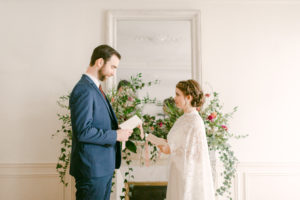
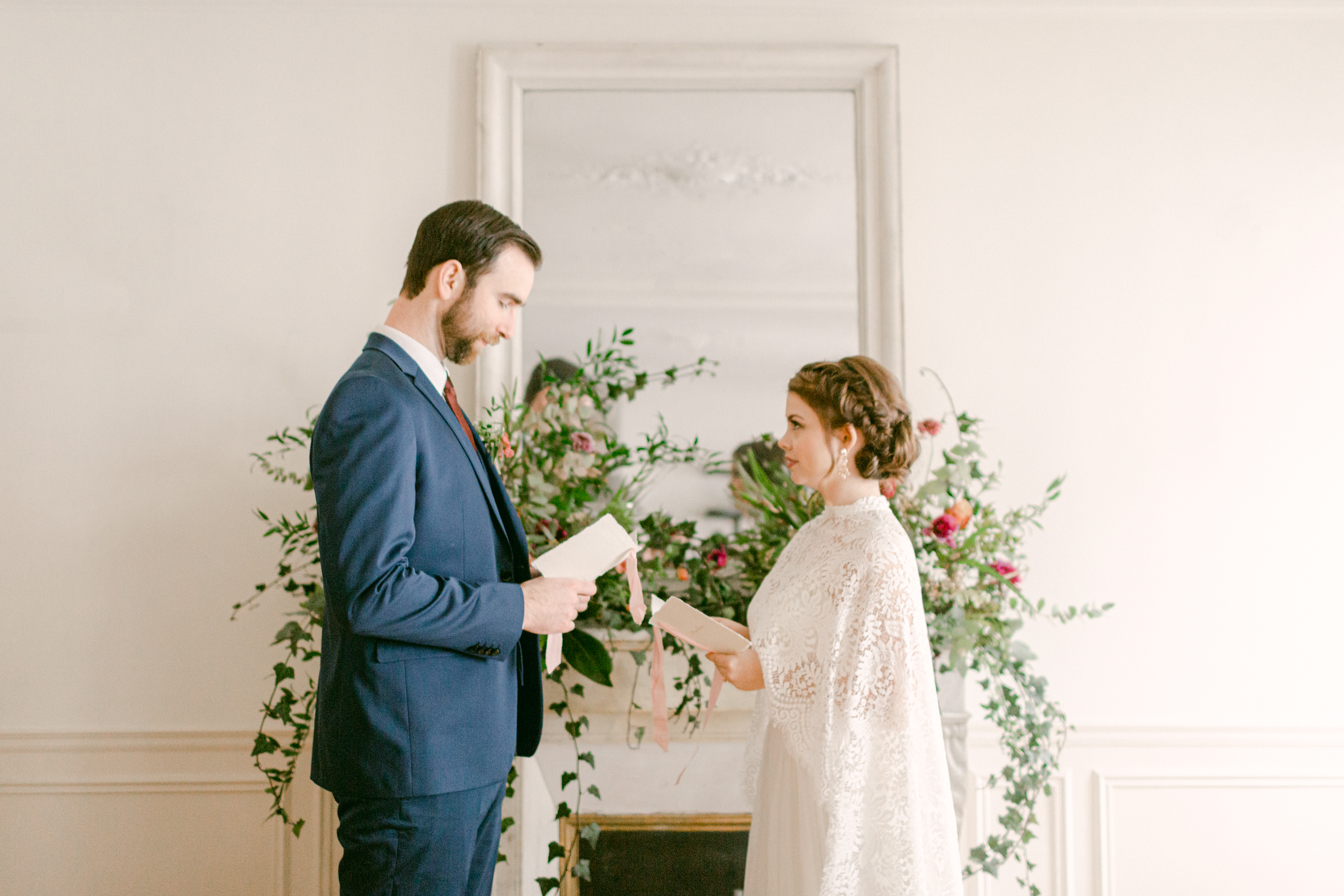
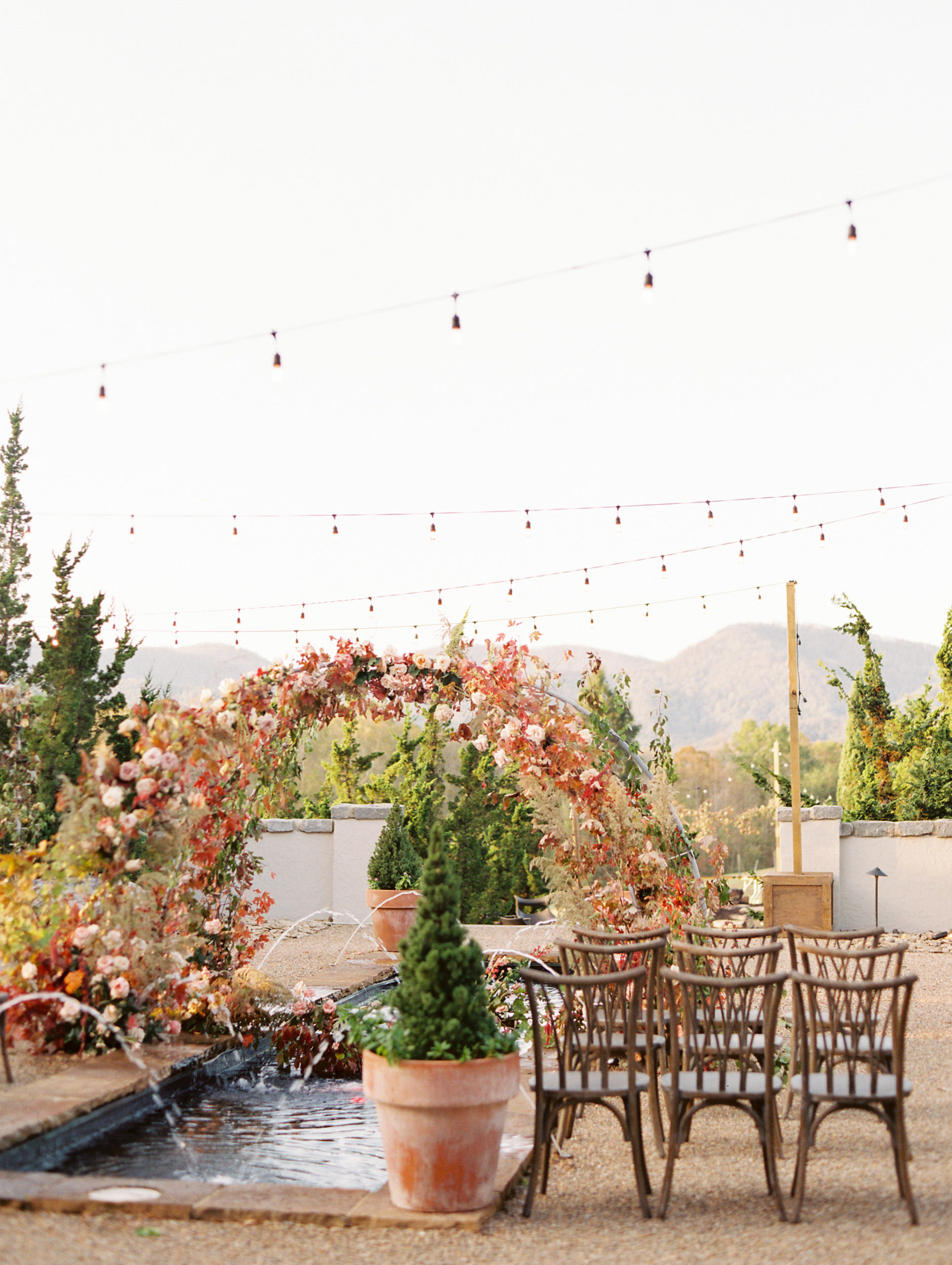
Small Weddings (10–50 guests)
Average Cost: $10,000–$20,000
Per Guest Estimate: $200–$400
Pros:
-
More time with each guest
-
Intimate and personal atmosphere
-
Easier to find unique venues like restaurants, Airbnbs, or gardens
-
Less stress and coordination required
-
Lower total cost (especially for catering and rentals)
Cons:
-
Not everyone can be invited, which may cause hurt feelings
-
Smaller guest lists may feel less like a “party” and more like a dinner
-
Fewer people to celebrate with (some couples love a packed dance floor!)
Logistics to Consider:
-
You can splurge more on quality: higher-end food, florals, or a luxury photographer (hi!)
-
Travel accommodations are easier to arrange
- Often quicker to plan
Medium Weddings (50–150 guests)
Average Cost: $25,000–$45,000
Per Guest Estimate: $175–$300
Pros:
-
A good balance of intimacy and celebration
-
More flexibility with venues and layout options
-
Easier to include extended family and friends
-
Feels festive without being overwhelming
Cons:
-
Costs start to increase significantly, especially for catering and rentals
-
Planning becomes more complex (seating charts, multiple vendors, timelines)
-
It can be challenging to balance time with guests
Logistics to Consider:
-
Venue size becomes more important—make sure there’s space for dining, dancing, and mingling
-
More vendors involved (DJ or band, planners, catering staff)
-
Budget can stretch quickly if not carefully managed
Large Weddings (150+ guests)
Average Cost: $50,000+
Per Guest Estimate: $200–$500+
Pros:
-
Grand, festive atmosphere with lots of energy
-
Everyone you love can be included
-
Full experience with all the bells
-
and whistles (large wedding party, live entertainment, luxe decor)
-
Often includes traditions and cultural elements
Cons:
-
Higher cost across all categories: food, rentals, florals, transportation, photography, and planning
-
Can feel impersonal or rushed
-
Requires extensive planning and coordination (professional planner is a must!)
Logistics to Consider:
-
Larger venues or outdoor tents often needed
-
Requires more staff and vendor coordination
-
Consider shuttle services or hotel blocks for guests
-
More potential for logistical hiccups with a higher headcount
No matter the size of your wedding, the goal is the same: to celebrate your love in a way that feels true to you. Whether you’re surrounded by 20 people or 200, your wedding can be meaningful, beautiful, and unforgettable. I have put together a very detailed wedding planning guide to help you plan your wedding day with ease.
How to Choose the Right Guest List Size for Your Wedding
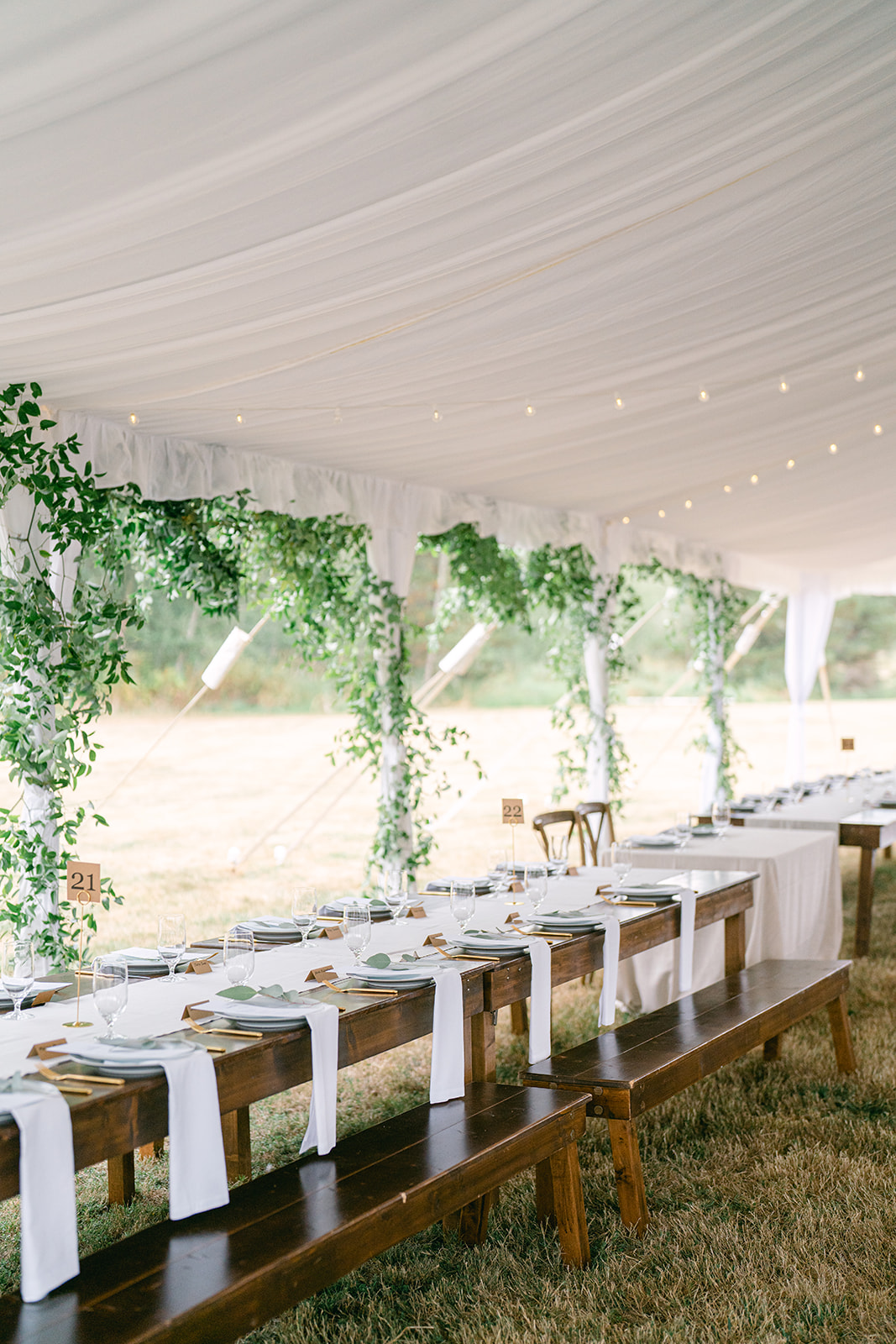 If you’ve recently gotten engaged and started the wedding planning conversation, there’s a very good chance that the guest list has already caused at least one moment of tension. Maybe it was the first time you sat down with a notepad and started writing names, only to realize that your “small wedding” idea was suddenly approaching 150 people. Maybe it was the first phone call with a parent who had their own very firm opinions about who absolutely needed to be invited.
Sound familiar? You are not alone.
The guest list is one of the most emotionally loaded decisions of the entire wedding planning process — because it’s not really just a list of names. It’s a reflection of your relationships, your values, your family dynamics, your budget, and ultimately, your vision for one of the most significant days of your life. Getting it right matters enormously.
So let’s talk about it honestly, practically, and with the care this decision deserves.
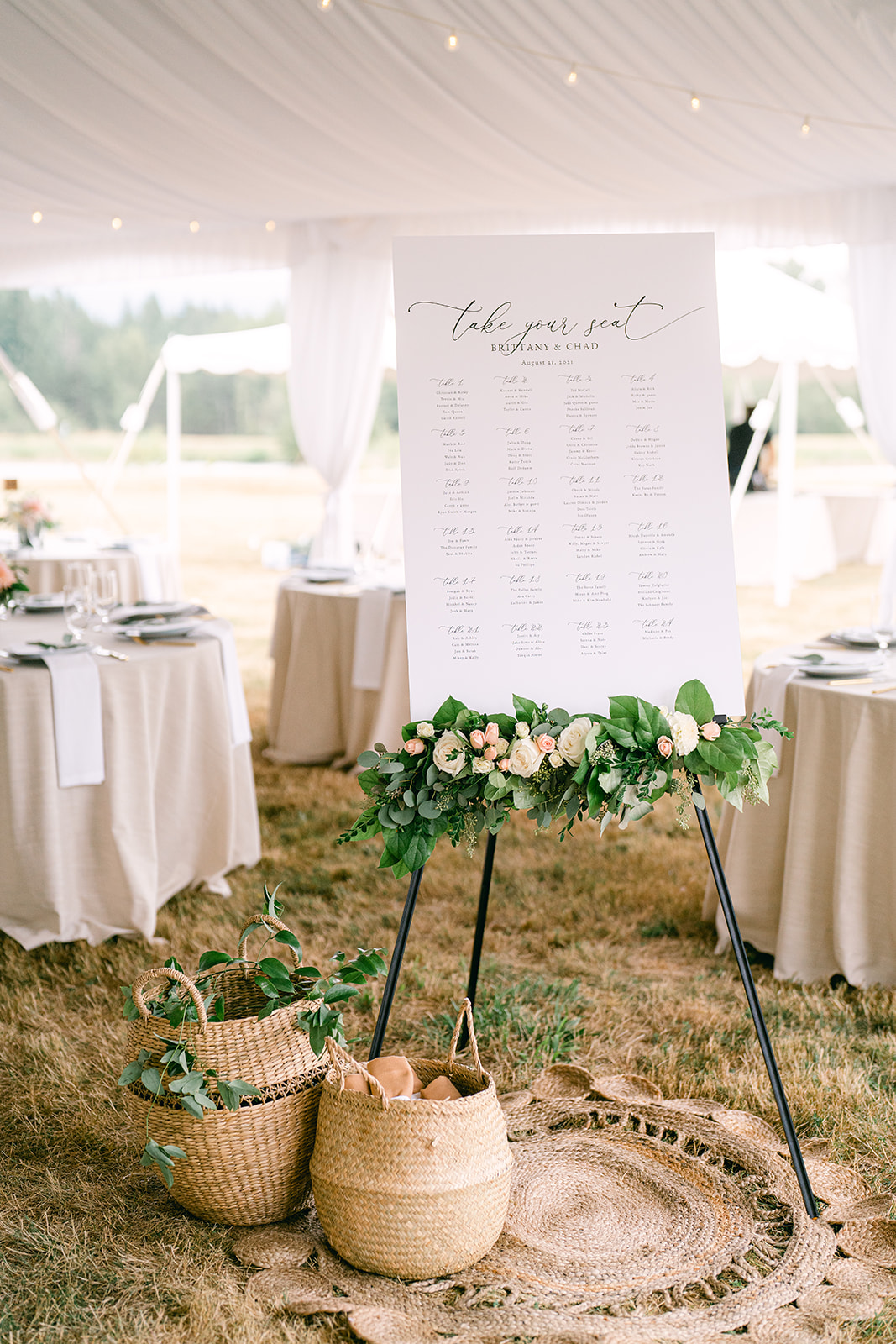
Start Here: What Kind of Experience Do You Actually Want?
Before you write a single name on a single list, before you look at a single venue, before you have a single conversation with family members about who’s invited — stop and ask yourself one fundamental question:
What do I actually want my wedding day to feel like?
This sounds simple, but it is genuinely the most important question you can ask at the beginning of this process. Because the answer to that question should drive every other guest list decision that follows.
The Case for Meaningful Connection
Some couples, when they close their eyes and imagine their perfect wedding day, picture something intimate and deeply personal. They see themselves truly present in every moment — making eye contact with the people they love most, having real conversations, feeling the weight of the commitment they’re making without the distraction of managing a large crowd.
If that resonates with you — if the thing you want most from your wedding day is to genuinely feel connected to the people in the room — then a smaller guest list is almost certainly the right answer for you.
A smaller wedding — whether that’s 20 people, 50 people, or even 80 people — creates conditions where:
- You actually get to spend time with your guests. At a large wedding, the couple often spends the entire reception being pulled from person to person, never settling into a real conversation with anyone. At a smaller wedding, you can sit with your grandmother for twenty minutes. You can share a real laugh with your college roommate. You can be present.
- The energy is warm and intimate rather than electric and overwhelming. Some people find large crowds energizing. Others find them exhausting. Know which one you are.
- Every person in the room genuinely knows and loves you. There is something profoundly moving about standing in a room where every single face is someone who has meaningfully shaped your life.
- You remember more of it. Couples who have smaller weddings consistently report having clearer, richer memories of their day — because they weren’t overwhelmed by the sheer scale of managing hundreds of people and dozens of moving parts.
The Case for a Lively Celebration
On the other hand, some couples picture their wedding day and see a room full of energy — dancing that goes until midnight, tables of laughter and conversation, the joy of gathering every person they love under one roof for one unforgettable party. For these couples, the size of the gathering is part of the point. The energy of a full room is the experience they want.
If that resonates with you — if the thought of a small, quiet gathering feels more sad than intimate — then a larger guest list may be exactly right for your vision.
A larger wedding creates conditions where:
- The dance floor energy is electric and self-sustaining. Nothing gets a dance floor going like a room full of people who all want to celebrate.
- The scale of the gathering reflects the scale of your love and your community. For some couples, having everyone they care about present is a non-negotiable expression of who they are.
- There is a collective joy that comes from a large group of people all celebrating the same thing at the same time — a kind of communal energy that smaller gatherings simply don’t produce.
- Diverse social worlds collide in the best possible way — your work friends meet your childhood friends, your family meets your chosen family, and new connections are made that might last a lifetime.
The most important thing to understand is this: neither vision is wrong. An intimate wedding of 30 people is not less meaningful than a celebration of 200. A grand party of 250 is not more celebratory than a gathering of 75. What matters is that the experience you choose is genuinely, authentically yours — not what your parents want, not what Instagram suggests, not what your venue’s maximum capacity allows. Yours.
Get Honest About Your Budget — And What Matters Most to You
Here is where we need to have a frank conversation, because the relationship between your guest list and your budget is one of the most direct and unforgiving equations in all of wedding planning:
More guests = more money. Always.
Every person you add to your guest list adds cost — in catering, in seating, in stationery, in favors, in staffing, in cake servings, and often in venue size requirements. Depending on your market and your venue, the per-person cost of a wedding can range from a few hundred dollars to well over a thousand dollars per guest. Do that math across 50 extra people and the implications become very clear very quickly.
But here’s the more nuanced and important conversation: What do you actually care about most?
Because for most couples, the wedding budget is finite. And every dollar spent on additional guests is a dollar not spent on something else. So before you finalize your guest list, sit down together — just the two of you — and honestly rank your priorities.
Common Wedding Budget Priorities
Photography and Videography: If having stunning, timeless images and video of your wedding day is your highest priority — if you’re the kind of person who will treasure those photos for the rest of your life and genuinely cares about the quality of your visual memories — then protecting your photography budget is essential. And a larger guest list can easily eat into that budget in ways that compromise what you’re able to invest in your photographer.
Ask yourself: Would I rather have 50 extra guests or the photographer I’ve been dreaming of?
The Venue: Some couples’ top priority is getting married in a specific, extraordinary place — a luxury mountain resort, a stunning garden estate, a destination location. Dream venues often come with significant price tags, and every dollar saved on guest count is a dollar that can go toward making that venue dream a reality. A smaller guest list at your dream venue will almost always feel better than a larger guest list at a venue you settled for.
Food and Beverage: If you’re a food-focused couple — if you care deeply about the quality of the dinner your guests eat, the wine they drink, the cocktails they enjoy — then guest count is enormously impactful. Serving 80 guests an exceptional, beautifully curated dinner is a fundamentally different experience — for you and for your guests — than serving 200 guests a serviceable banquet meal because the per-person budget had to be stretched so thin.
Décor and Floral: Elaborate floral installations, custom lighting, lush table settings — these are the details that transform a venue into your specific vision. They are also expensive. The fewer tables you need to dress, the more lavishly you can dress each one.
Honeymoon: Some couples realize mid-planning that they would genuinely rather have fewer guests and a more extraordinary honeymoon. There is absolutely nothing wrong with that priority. The honeymoon is, after all, the beginning of your actual married life together.
A Practical Exercise
Try this: Write down your five most important wedding priorities in order. Then look at your guest list and ask honestly — is this guest list serving those priorities, or undermining them? Sometimes that simple exercise brings tremendous clarity.
Think Carefully About Your Wedding Venue Options
Your guest list and your venue exist in a relationship of mutual constraint — and understanding that relationship early in your planning process will save you significant stress later.
Here’s the fundamental reality: your guest count determines your venue options, and your venue options determine your guest count. These two decisions need to be made in conversation with each other, not independently.
Venue Capacity Is Non-Negotiable
Every venue has a capacity limit — a maximum number of guests that the space can safely and comfortably accommodate. These limits exist for fire safety reasons, for comfort reasons, and for the overall quality of the guest experience. And they are, in virtually every case, non-negotiable.
This means that if you fall in love with an intimate garden venue that holds 80 guests, and your guest list has 150 names on it, you have a fundamental problem that cannot be resolved by wishful thinking. You either:
- Reduce your guest list to fit the venue you love
- Find a different venue that accommodates your guest count
- Accept that your guest list will need to be divided across multiple events
None of these options are necessarily bad — but all of them require honest, early decision-making.
The Venue Shapes the Experience
Beyond pure capacity, the venue you choose will profoundly shape what your wedding actually feels like — and that feeling should align with your guest count.
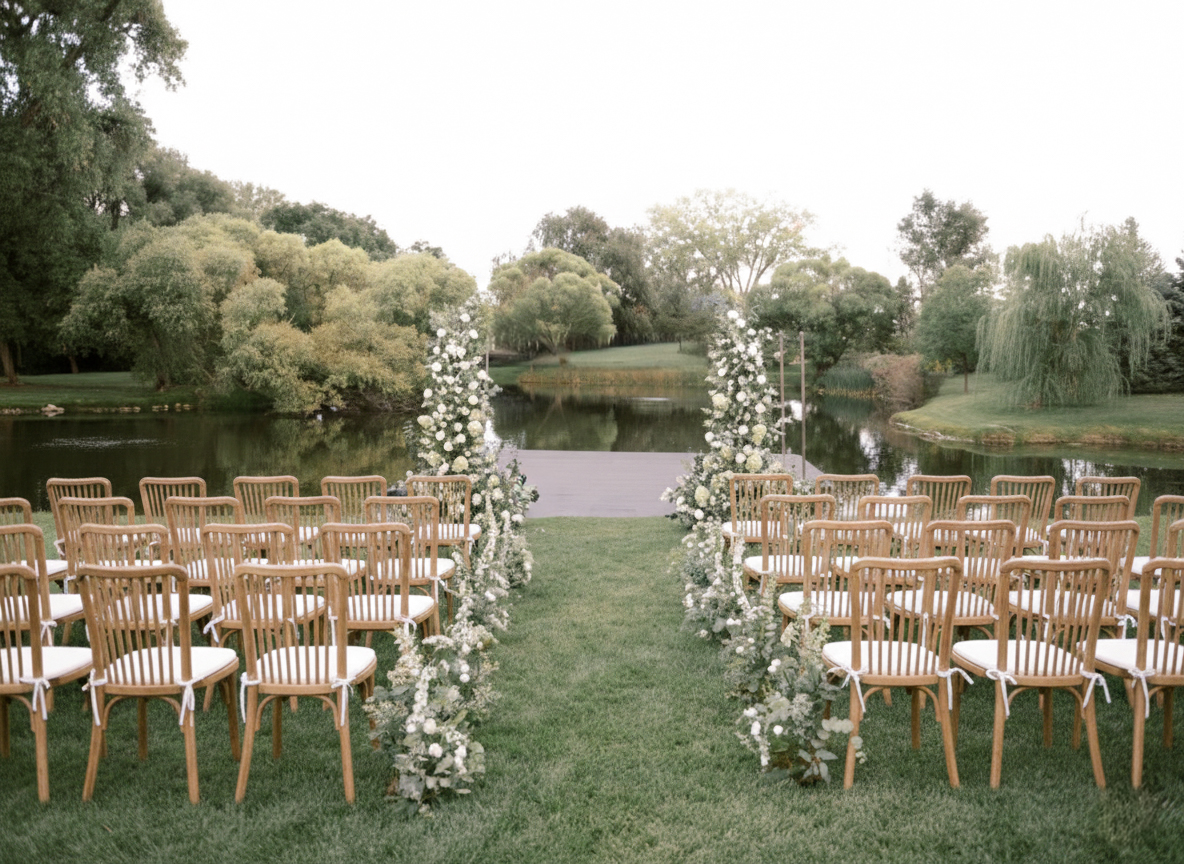
A large, grand ballroom with 50 guests in it will feel empty and cavernous — the space will dwarf the people in it, and the intimacy you might have hoped for will be hard to achieve. Conversely, a small garden venue stuffed with 150 guests will feel crowded and uncomfortable — guests won’t have space to move, conversation will be difficult, and the overall energy will tip from celebratory into chaotic.
The right venue is one where the scale of the space and the scale of the gathering are in genuine harmony. When that alignment exists, the venue feels alive and full without feeling overwhelming, intimate without feeling cramped.
Venue Type and Guest List Considerations
Different venue types tend to work best for different guest count ranges:
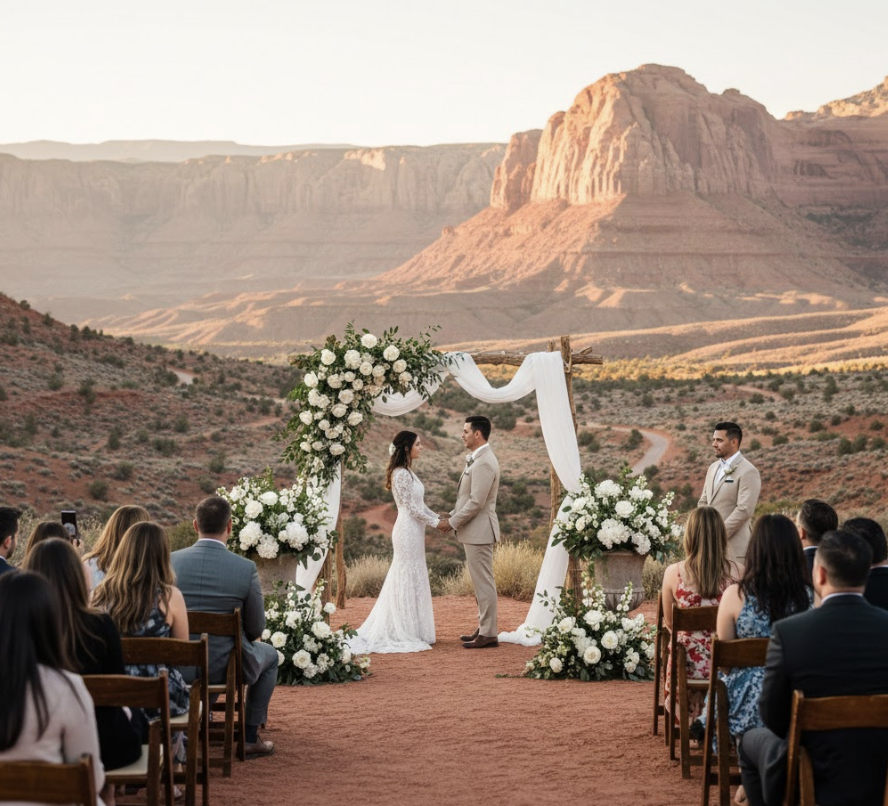
- Elopement and micro-wedding settings — intimate cabin spaces, mountain overlooks, private garden areas — work beautifully for 2 to 20 guests
- Intimate venue spaces — smaller ballrooms, restaurant private dining rooms, boutique garden venues — are typically best for 20 to 80 guests
- Mid-size venues — barn venues, mid-size resort event spaces, garden estates — typically accommodate 80 to 150 guests beautifully
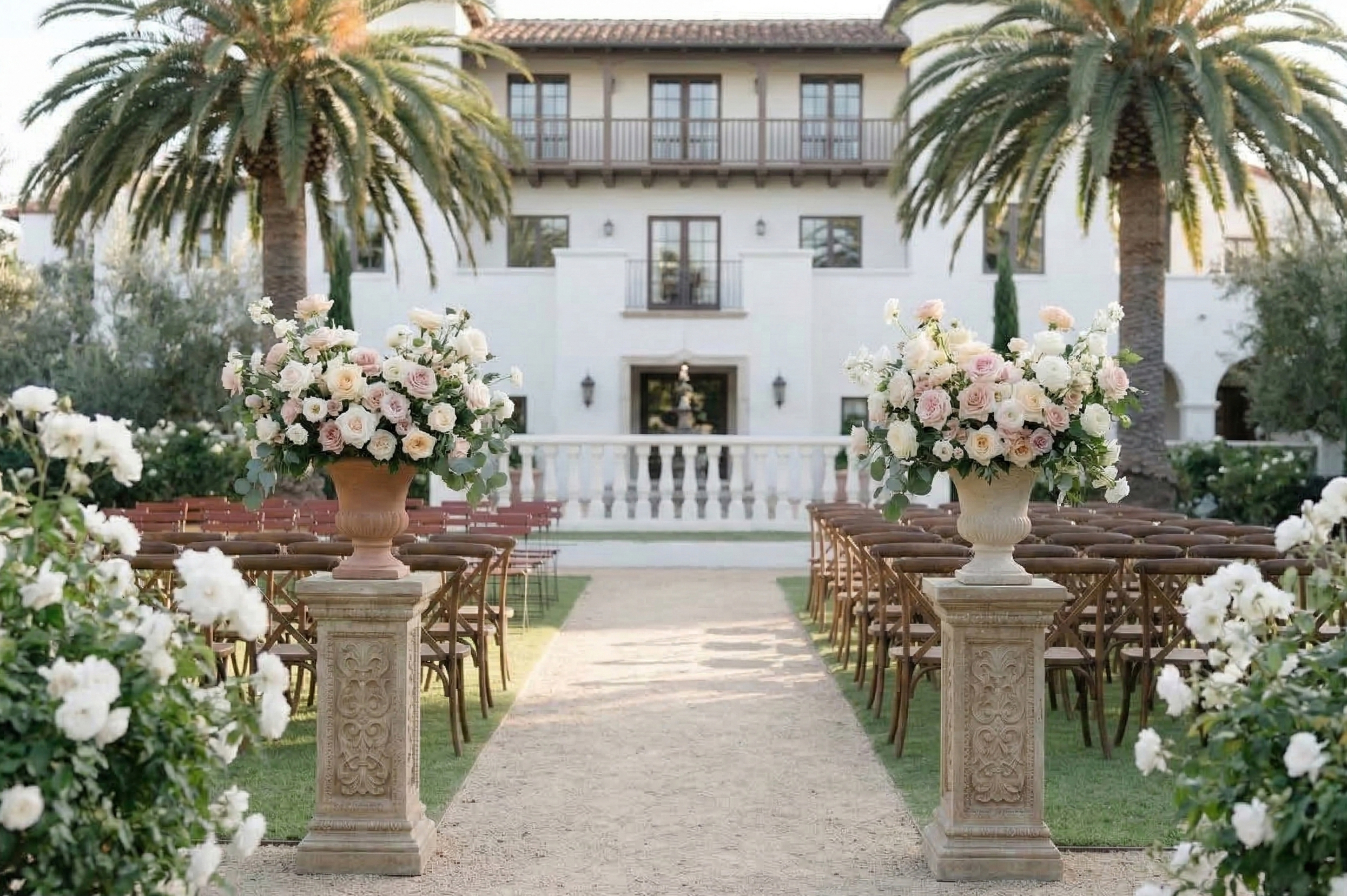
- Grand venue spaces — large ballrooms, resort grand event spaces, expansive estate properties — come into their own with 150 to 300+ guests
When your guest count and venue type are genuinely matched, the entire wedding day flows more naturally and photographically, every space feels intentional and right.
Consider Your Emotional Bandwidth — Seriously
This is the consideration that couples most frequently overlook in the excitement and momentum of wedding planning — and it may actually be the most important one of all.
Your wedding day is emotionally intense regardless of how many people attend. The weight of the commitment, the presence of your family, the significance of the ritual, the physical demands of being the center of attention for an entire day — all of this is present whether you have 20 guests or 200.
The question is: how does additional scale affect your ability to be present and enjoy the experience?
Know Yourself
This is genuinely a moment for radical self-honesty. Not who you think you should be, not who your family expects you to be — who you actually are.
Do you genuinely thrive in large social situations?
Some people are energized by crowds. They feed off the collective energy of a large room, they move easily through groups of people, they feel more alive when the party is bigger. If that describes you authentically — not aspirationally, but genuinely — then a larger wedding will likely feel wonderful.
Or do you find large crowds draining?
Many people — including many people who are perfectly socially capable and enjoy spending time with others — find large crowds genuinely exhausting. They do their best connecting one-on-one or in small groups. They find the effort of moving through a large reception, greeting hundreds of people, managing conversations in multiple directions, genuinely depleting in a way that can leave them feeling disconnected from their own wedding day.
If that describes you, a smaller guest list isn’t a compromise — it’s a gift you give yourself.
The People-Pleasing Trap
One of the most common emotional bandwidth challenges around the guest list is the pressure — external or internal — to invite people because you feel obligated rather than because you genuinely want them there.
The coworker you’re friendly with but not close to. The distant cousin you haven’t spoken to in years but whose parents will be offended if she’s not included. The family friends your parents insist must be invited. The social acquaintances who will hear about the wedding through mutual friends.
Every one of these obligation invitations adds to the emotional and logistical weight of your day — and adds real dollars to your budget. And in most cases, these are not the people whose presence will make your wedding day feel more meaningful.
Ask yourself this question for every name on your list: If I saw this person at a grocery store tomorrow, would I be genuinely happy to see them and excited to share our big news?
If the answer is no — if you’d feel awkward, obligated, or simply indifferent — that is important information about whether this person truly belongs on your guest list.
The Couple Needs to Be Aligned
Perhaps the most important emotional bandwidth conversation you can have is the one with your partner — because the two of you may have genuinely different social natures, and navigating that difference with honesty and care is essential.
If one of you craves an intimate gathering and the other envisions a grand celebration, this tension needs to be addressed directly and compassionately — not papered over with a compromise that leaves neither of you fully satisfied. Talk about it. Understand each other’s vision. Find the genuine middle ground that honors both of your needs.
Your wedding day should feel good to both of you — not just logistically manageable, but emotionally nourishing.
Give Yourself Permission
Whatever conclusion you arrive at — however large or small your guest list ends up being — give yourself full permission to own that decision.
A 20-person elopement surrounded by your absolute closest people is a complete and beautiful wedding. A 250-person celebration with everyone you’ve ever loved is a complete and beautiful wedding. The only incomplete wedding is the one that doesn’t reflect who you actually are and what you actually want.
You are allowed to have the wedding that feels right for you. In fact, that’s the only wedding worth having.

Practical Tips for Building Your Guest List
Once you’ve worked through those four core considerations, here are some practical strategies for actually building the list:
The A-List / B-List Approach
Create a primary guest list of your absolute must-invite guests, then a secondary list of people you’d love to include if space and budget allow. As RSVPs come back with regrets, you can extend invitations from the secondary list. Just be mindful of timing — secondary invitations should go out early enough that guests don’t feel like obvious afterthoughts.
Set Ground Rules Early
Before anyone starts suggesting names, agree as a couple on your ground rules:
- Will you invite children?
- Will unmarried partners be invited?
- Will coworkers be included?
- What is the rule for distant family?
Having clear, consistent rules prevents endless individual exceptions that slowly balloon your list.
The Five-Year Test
For every name you’re uncertain about, ask: Have I seen or spoken to this person in the last five years? If the answer is no — if this is someone from a chapter of your life that has genuinely closed — it’s okay to honor that reality.
Involve Your Families Thoughtfully — But Set Boundaries
Family input on the guest list is inevitable and often valuable. But it needs to happen within boundaries that you and your partner set together. Communicate clearly how many guest list spots each set of parents has input over, and hold that boundary with kindness but firmness.
Revisit the List Together Multiple Times
The guest list is rarely right on the first draft. Build it, sit with it, revisit it a week later with fresh eyes. You’ll almost always find names to add or remove once the initial emotional reactivity has settled.

My Final Thoughts
Choosing the right guest list size is ultimately an act of self-knowledge and intentionality. It asks you to be honest about who you are, what you value, what you can afford, and what kind of memory you want to carry with you for the rest of your life.
There is no universally correct answer. There is only the answer that is right for you — for your relationship, your community, your budget, and your vision of the day you want to have.
Take the time to find that answer thoughtfully. Have the conversations that need to be had — with your partner, with your families, with yourself. And then build your guest list from a place of genuine intention rather than obligation, pressure, or comparison to anyone else’s wedding.
Because the best wedding is always, without exception, the one that feels most authentically like you.
Are you in the early stages of wedding planning and trying to figure out all the pieces — venue, guest list, photography, and everything in between? I’d love to be a resource for you. Reach out here — let’s talk about your vision and how I can help you bring it to life.





add a comment
+ COMMENTS