



Why Choose A Micro Wedding: How They Feel More Meaningful (From a Photographer’s Perspective)
I have photographed weddings with 200 guests and weddings with 12. I have worked in grand ballrooms dressed with towering centerpieces and in quiet olive groves with nothing but candlelight and the sound of people who genuinely love each other. And while every wedding carries its own beauty, there is something that happens at a micro wedding that I have never been able to fully explain with logistics or aesthetics alone.
Something shifts.
The air feels different. The moments land differently. The images look different — not because of the location or the florals or the quality of light, though all of those things matter. They look different because what is happening in front of the camera is real in a way that is harder to access when a wedding becomes a large-scale production.
This is my attempt to put into words what I have witnessed again and again: why micro weddings do not just photograph beautifully, but why they feel more meaningful — for the couples, for the guests, and honestly, for me.

The Room Is Full of People Who Actually Know You
At a large wedding, the guest list inevitably includes people who are there out of obligation, tradition, or social expectation. Colleagues, distant relatives, family friends who remember you as a child. They are not there because they are woven into the fabric of your daily life — they are there because the occasion demanded an invitation.
At a micro wedding, there is no room for that. With 20 or 30 people gathered around you, every single person in that space was chosen deliberately. They are the ones who showed up when things were hard. The ones who know your full story. The ones whose presence on the most important day of your life actually means something beyond proximity or politeness.
I feel this as a photographer the moment I walk into the space. There is a particular quality to a room where everyone belongs. Where the connections are real and layered and long-standing. Where the mother of the bride catches the eye of the best friend from college and they share a look across the room that contains ten years of shared history.
Those are the moments I live for. And they happen almost exclusively in small rooms.
When a couple chooses a micro wedding, they are not downsizing their celebration. They are curating it. They are saying: we want to be surrounded only by love that is genuine. And the photographs that come from that kind of room carry a weight and a warmth that simply cannot be manufactured.

The Timeline Has Room to Breathe
A large wedding is, by necessity, a logistical exercise. With 180 guests to seat, a catering team coordinating courses for dozens of tables, a wedding party of eight to organize for portraits, and a venue with a hard end time — every hour of the day is spoken for. As a photographer, I am often running from one moment to the next, aware that the timeline is a tightrope and any delay will compress something important at the other end.
At a micro wedding, the day breathes.
There is time to sit with the bride while she finishes her hair and actually listen to what she is feeling rather than wait for her to be ready. There is time to find the groom having a quiet conversation with his father and photograph it without rushing off to the next item on the schedule. There is time to notice the light changing and move toward it, to find a beautiful corner of the venue that was not in the shot list, to follow a moment wherever it leads rather than pulling away from it to stay on schedule.
That unhurried quality shows up in the photographs. The images from micro weddings are almost always more varied, more layered, and more emotionally complete than those from large weddings — not because I am working harder, but because I have the time to be fully present and pay attention to everything unfolding around me.
For couples, this unhurried pace is one of the most commonly cited things they love about their micro wedding experience. They ate their dinner while it was warm. They had a real conversation with every guest. They were present for their own wedding day in a way that couples at large weddings frequently tell me they were not.
That is not a small thing. That is everything.

Real Connection Happens When the Noise Falls Away
I want to talk about something that does not come up enough in conversations about micro weddings: silence.
Not literal silence — but the kind of quiet that settles over a celebration when there is no background noise of strangers, no constant movement of staff through a crowded room, no DJ managing a dance floor of people who need to be kept engaged. The kind of quiet that allows for real conversation, genuine laughter, and the kind of emotional honesty that most people only access when they feel safe and seen.
At a micro wedding, that quiet is almost always present.
I have photographed dinners where a guest stood up mid-meal, without any prompting or formal program, and began to speak about the couple. Not a prepared toast — just something they felt and needed to say. The room went still. People set down their glasses. By the time they finished, there was not a dry eye at the table.
That moment happened because the room was small enough to hold it. Because there were only people present who cared deeply. Because the atmosphere was intimate enough to create the conditions for genuine expression rather than performance.
These are the photographs that couples frame and hang on their walls. Not the wide-angle reception shots with everyone on a dance floor, but the close, quiet, emotionally raw moments that only happen when the noise falls away and real human connection takes center stage.
Every Detail Was Chosen With Intention
There is a meaningful difference between a wedding that has been decorated and a wedding that has been designed. The difference is intention.
At a large wedding, design decisions are often made at scale. How do we fill this ballroom? How do we dress forty tables in a way that is cohesive but not repetitive? How do we create enough visual interest across a space this large? The sheer scale of the exercise means that individual details can get lost, and the design becomes about coverage rather than meaning.
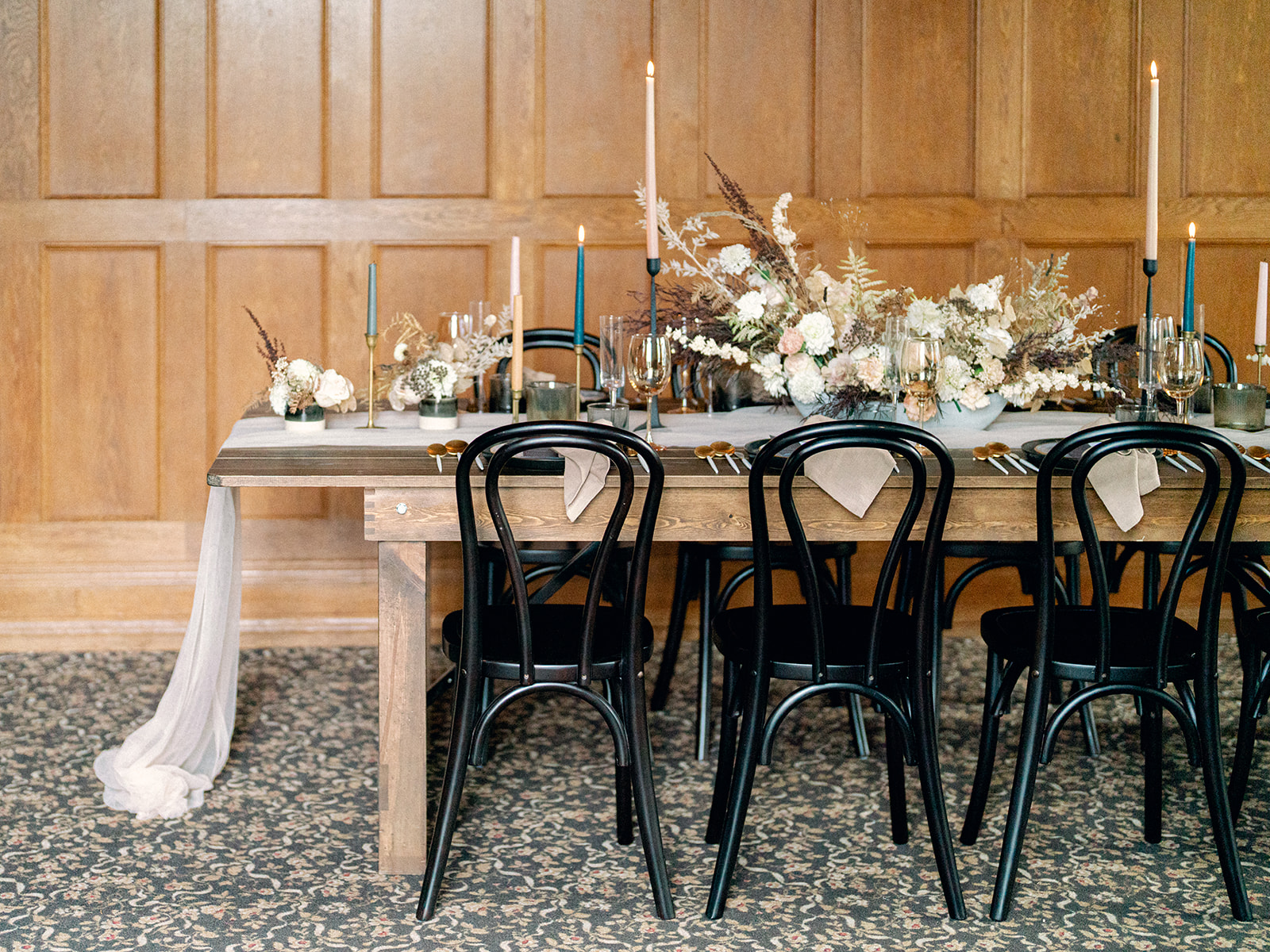
At a micro wedding, every single detail is visible. One long table. One ceremony backdrop. One carefully chosen venue. And because of that visibility, every choice matters — and couples typically make those choices with far more care and personality than they would if they were trying to dress a room for 200.
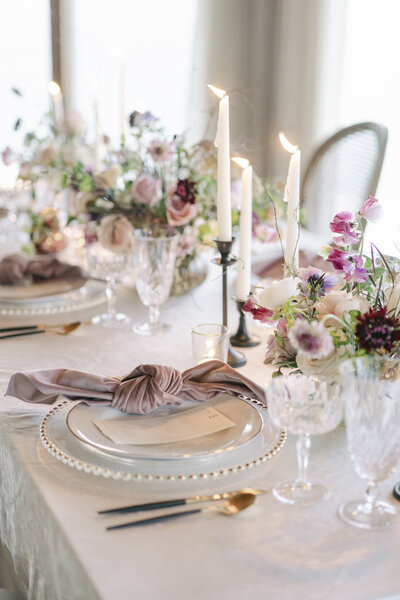
I notice this in the details I find on micro wedding days. The heirloom ring dish that belonged to a grandmother. The hand-lettered menu that lists the specific wine region they visited on the trip where they got engaged. The wildflowers sourced from a local farm because she grew up picking them in her backyard. The table linen in the exact shade of dusty rose that they spent three weeks deciding on because it needed to be right.
These are not accidents. They are the result of couples who had the time and the budget to invest in specificity rather than scale. And as a photographer, these details are gifts — because they are the visual language of the couple’s story, and capturing them is one of the most meaningful parts of what I do.
A beautifully designed micro wedding does not just look elevated in photographs. It tells a story. And the couples who will treasure their images most are always the ones who filled their day with details that meant something.
The Ceremony Actually Lands
I want to be honest about something. At many large weddings, the ceremony — the actual reason everyone is gathered — can feel strangely distant. Guests in the back rows struggle to hear the vows. The scale of the space creates a separation between the couple and the people watching. The officiant speaks into a microphone with the cadence of someone addressing a conference room rather than a room full of people who love each other.
And then it is over in fifteen minutes, and everyone moves to cocktail hour.
At a micro wedding, the ceremony is different in kind, not just in scale.
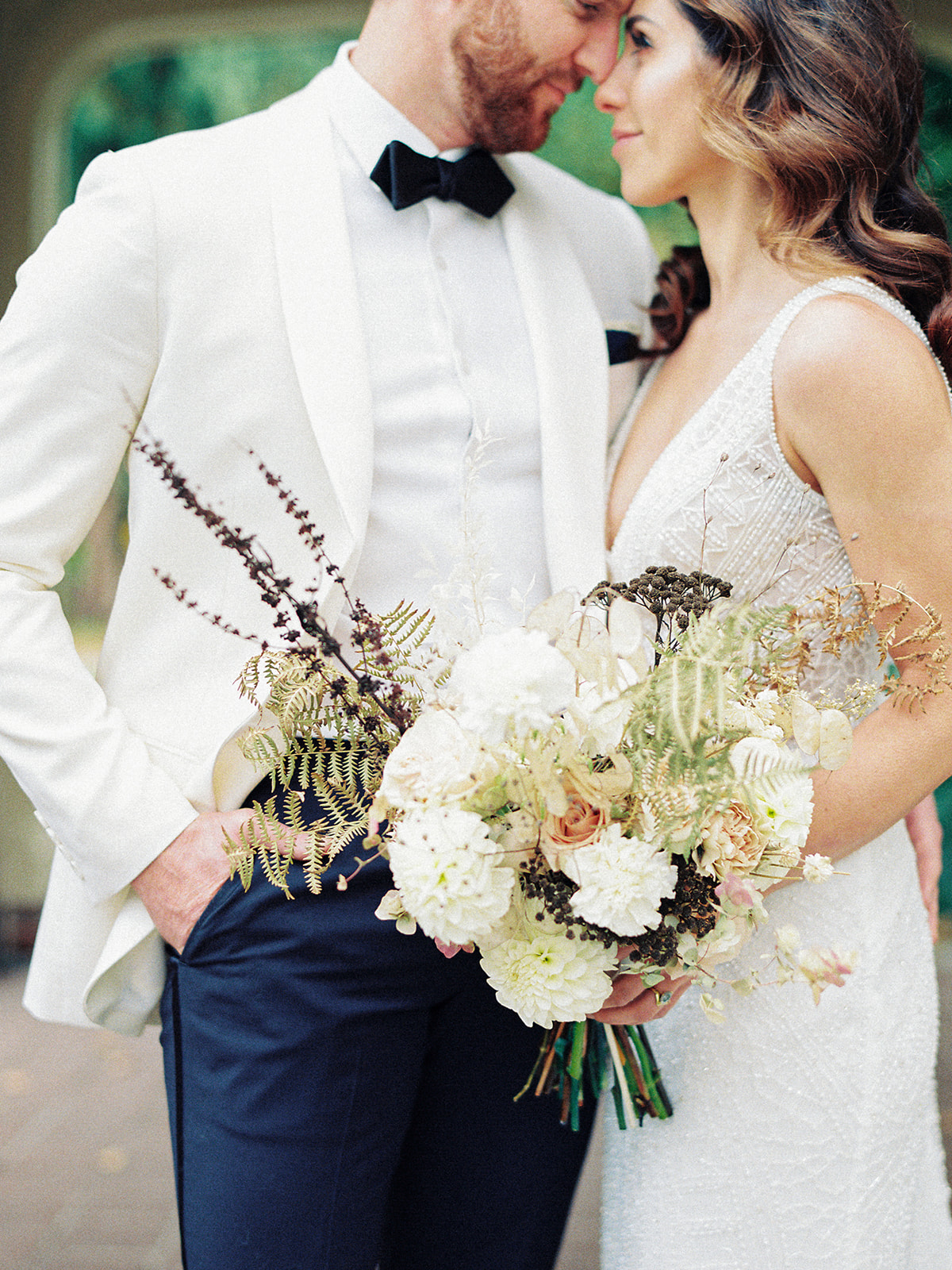
When you have thirty people gathered closely around two people exchanging vows, there is nowhere to hide from the emotion of what is happening. The guests are close enough to see the way his hands shake slightly when she begins to speak. Close enough to hear the catch in her voice before she steadies herself. Close enough that the vows — the actual words chosen and spoken — land with their full weight.
I have stood at the edge of micro wedding ceremonies and watched an entire room of people cry together in real time. Not politely, not quietly, but the kind of crying that happens when something true and beautiful is occurring right in front of you and your body responds before your mind can compose itself.
Those are the photographs that define a wedding gallery. A close frame of the groom’s face as he hears her read something she has never said out loud before. The best friend with her hand pressed to her mouth. The father of the bride looking at his daughter with an expression that contains thirty years of love and pride and the bittersweet knowledge that this moment has been a long time coming.
I can only make those photographs when I am close enough to find them. And I can only be close enough when the room is small enough to allow it.
I Get to Actually Know the People I Am Photographing
This one is personal, and I think it matters.
At a large wedding, I am introduced to the couple, their wedding party, and perhaps their immediate families. Beyond that, I am navigating a room full of strangers, doing my best to anticipate moments rather than recognize them as they form.
At a micro wedding, I know everyone by the end of the day.
I know the grandmother who flew in from across the country and has been looking forward to this for two years. I know the best friend who introduced them and cannot quite believe they are actually getting married. I know the uncle who tells long stories and makes everyone at his end of the table laugh until they cannot breathe.
And because I know them, I can find them. I know who to watch during the vows. I know whose reaction to capture during the toasts. I know whose quiet moment with the couple at the end of the night will mean the most to them when they look back at these photographs twenty years from now.
That knowledge produces better photography. But more than that, it produces a more meaningful experience on the day itself — for me and for the people I am with. By the end of a micro wedding, I rarely feel like a vendor who showed up to do a job. I feel like someone who was trusted to witness something real and rare, and to preserve it.
That is a privilege I do not take lightly.
Why I Choose to Specialize in Micro Weddings
I did not set out to be a micro wedding photographer specifically. It happened gradually, through accumulated experience, through paying attention to where the best work came from, and through an honest reckoning with the kind of photography I most wanted to make.
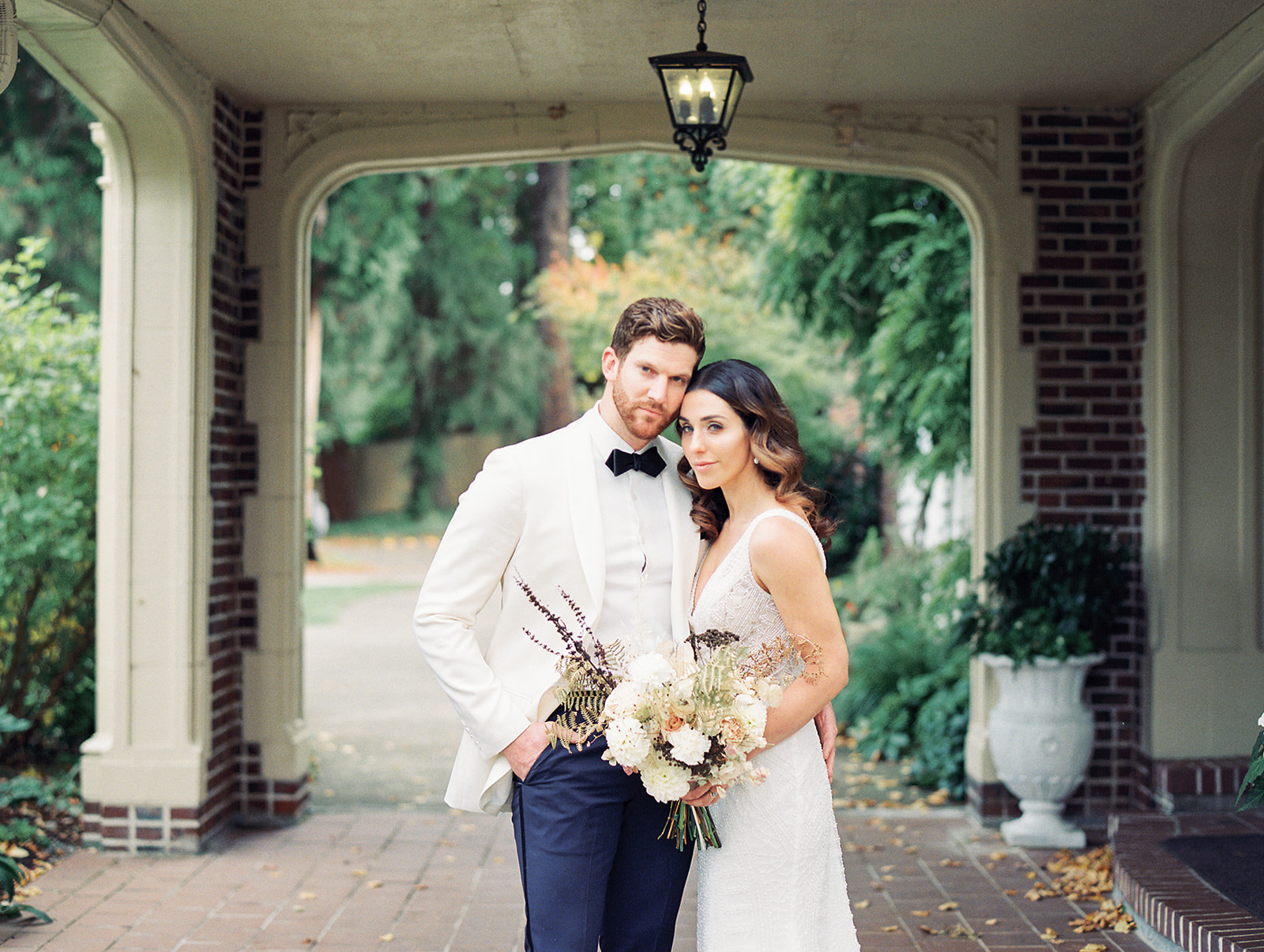
The images I am most proud of — the ones that make me stop when I am editing, the ones that end up on my website not because they are technically flawless but because they contain something true — almost always come from intimate celebrations. From small rooms and slow days and couples who chose presence over performance.
Micro weddings ask something of everyone involved. They ask you to be intentional. To choose carefully. To be present in a way that a large event, with all its noise and movement, can make easy to avoid.
And in return, they give something back that I have never found anywhere else: the feeling that what happened that day genuinely mattered. That the photographs are not just beautiful but true. That the people in them were really there — not as guests at a production, but as witnesses to something real.
That is why I choose micro weddings. And if you are reading this and something in it is resonating with you, it might be why you are considering one too.
The Average Cost of a Micro Wedding
The average micro wedding cost varies widely based on several factors.
Before we get into individual line items, here is a broad sense of what couples typically spend at different budget levels:
| Budget Level | Guest Count | Estimated Total |
|---|---|---|
| Intimate and Simple | 10–20 guests | $5,000–$10,000 |
| Mid-Range Elevated | 20–35 guests | $10,000–$20,000 |
| Luxury Micro Wedding | 35–50 guests | $20,000–$35,000 |
These are not hard rules — costs vary significantly depending on location, vendor choices, and the level of experience you want to create. But they give you a realistic starting point.
Why Micro Weddings Photograph So Beautifully
Every wedding photographer has a gallery they return to — not necessarily the most technically perfect work, but the images that stopped them mid-edit. The ones where something true was caught inside the frame and they knew, in the moment they pressed the shutter, that this was exactly what they came to do.
For me, those images almost always come from micro weddings.
This is not a coincidence. There are specific, concrete reasons why intimate celebrations produce extraordinary photographs — reasons that go beyond aesthetics and venue choice and floral budgets. They have to do with access, atmosphere, time, and the particular quality of emotion that only surfaces when a room is small enough to hold it.
If you are in the process of choosing between a large wedding and a micro wedding and photographs matter deeply to you, this is worth reading carefully. Because the size of your celebration has a direct and significant effect on the quality of the images you will have for the rest of your life.
Emotional Access: The Most Important Variable in Wedding Photography
There is a concept in photography that does not get discussed nearly enough in the context of weddings: emotional access. It refers to how close — physically and atmospherically — a photographer can get to the genuine emotion of a moment before that moment closes or changes.
At a large wedding, emotional access is limited by the scale of the event itself. The ceremony happens across a long aisle, with guests filling dozens of rows between the couple and the people whose reactions matter most. The first dance occurs in the center of a crowded room. The toasts are delivered to an audience of 180 people, many of whom are only half-listening. The moments are real — but the conditions that would allow a photographer to capture them intimately and honestly are constantly working against that access.
At a micro wedding, those conditions reverse entirely.
When thirty people are gathered closely around a couple exchanging vows, I am not standing at the back of a room trying to compress distance with a long lens. I am close. I can move. I can shift my position as the emotion shifts, find the angle that captures both the person speaking and the person receiving those words, follow a moment from its beginning to its peak without losing it in a crowd.
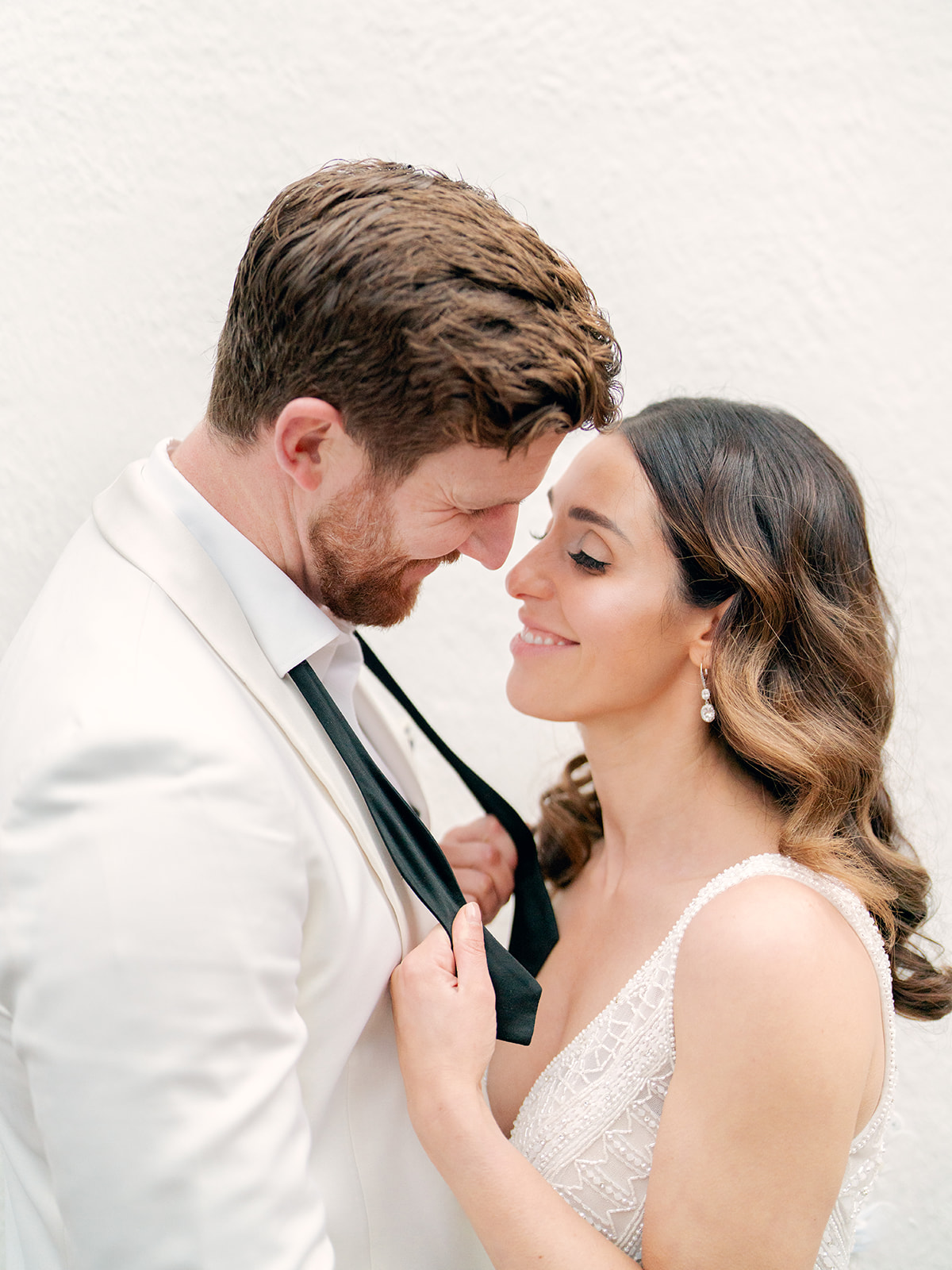
The result is a completely different category of photograph. Not just technically sharper or better composed — but emotionally truer. The kind of image that makes people catch their breath when they see it because it does not look like documentation. It looks like feeling.
That is what emotional access makes possible. And it is almost exclusively available at intimate celebrations.
Real Expressions Over Performed Ones
There is a particular expression that appears on people’s faces at large weddings that I have come to recognize immediately through a viewfinder: the aware face. The face of someone who knows they are at a public event, that there are people watching, that their reactions are visible to a room full of colleagues and distant relatives and people they have not seen in a decade.
The aware face is not fake, exactly. But it is managed. It is the face of someone performing their emotion rather than simply experiencing it.
At a micro wedding, surrounded only by people they deeply trust, guests stop managing their expressions. The aware face disappears and what replaces it is something that cannot be manufactured or directed: genuine reaction.
I have watched grown men completely abandon any self-consciousness when their son or daughter reads wedding vows in a room of twenty people. I have seen best friends dissolve into laughter during a toast because the room was small enough that the joke landed exactly as it was meant to. I have captured the specific expression on a mother’s face — not the composed, public version of pride, but the raw, unguarded version — because there were only fifteen people in the room and she forgot, for a moment, that anyone was watching.
Those are the photographs that couples keep on their walls for the rest of their lives. Not the posed portraits or the wide reception shots — the frames where someone forgot to manage their face and something completely real slipped through.
A micro wedding is the environment where that happens most consistently. And as a photographer, it changes everything about what becomes possible inside the frame.
Clean Backgrounds and Visual Clarity
This is a more technical point, but it matters enormously for the quality of what ends up in your gallery.
At a large wedding reception, the background of almost every photograph contains people. Guests mid-conversation, catering staff moving between tables, a sea of chairs and table settings and centerpieces that compete for the eye’s attention. Even with a wide aperture and shallow depth of field, the sheer density of a large event creates visual noise that a photographer has to work constantly to manage.
At a micro wedding, the backgrounds open up.
With fewer guests and more intentional use of space, there is simply more room to work with clean sightlines and uncluttered environments. A couple seated at one long table can be photographed from across the room without a crowd of strangers filling the frame behind them. A ceremony in a garden or on a rooftop or in a private dining room allows for backdrops that feel deliberate rather than accidental.
This visual clarity has a direct effect on the quality of the images. Photographs with clean, considered backgrounds feel more intentional, more editorial, more timeless. They look less like event documentation and more like portraiture. And in the years after your wedding, when you return to these images, the ones that will still move you are the ones where the background serves the subject rather than competing with it.
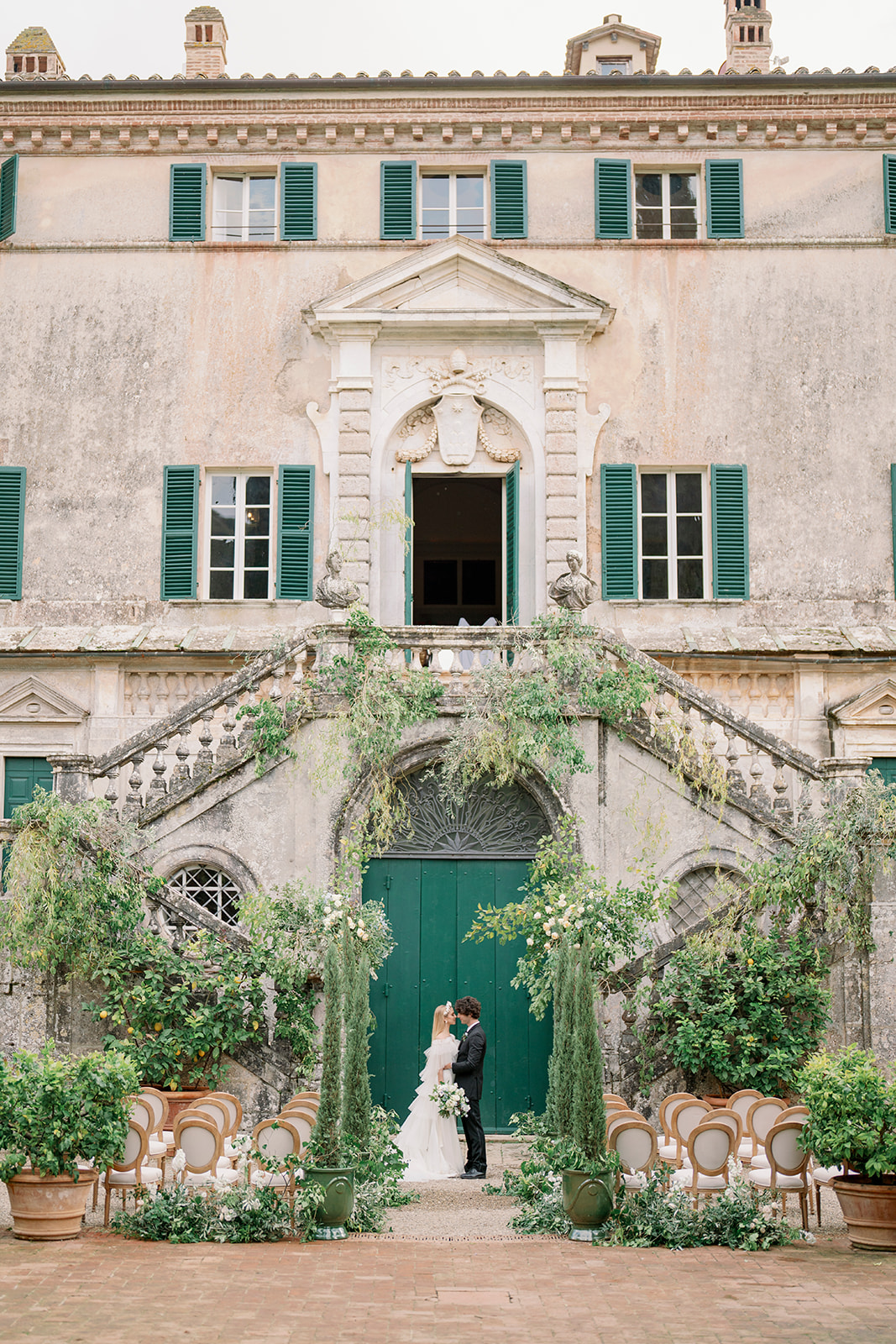
Venue choice amplifies this effect significantly. A micro wedding in a beautifully designed space — a stone villa, a garden at golden hour, a candlelit private dining room — gives a photographer backgrounds that actively contribute to the image rather than needing to be worked around. The environment becomes part of the photograph rather than an obstacle to it.
Flexible Timelines and the Space to Follow Light
Ask any wedding photographer what their greatest enemy is on a wedding day and the answer will almost always be the same: the timeline.
Large weddings are governed by rigid schedules. Cocktail hour begins at six. Dinner is served at seven. Speeches start at seven forty-five. The cake is cut at nine. Every vendor is working against the same clock, and any delay at one point compresses everything that follows. As a photographer, this means making difficult choices constantly — leaving a beautiful moment before it has fully resolved because the next item on the schedule requires your presence somewhere else.
The light changes. You cannot follow it.
A moment develops between two people at a table. You cannot stay with it.
The couple steps outside for a quiet minute alone. You have four minutes before you need to move them into the reception for the first dance.
At a micro wedding, this pressure does not disappear entirely — but it decreases dramatically. With fewer guests to coordinate, fewer vendors to synchronize, and a more relaxed overall structure, the timeline breathes. And when the timeline breathes, a photographer can follow the light.
This is not a small thing. Natural light is the single most powerful tool in wedding photography, and its quality changes constantly throughout the day. The hour before golden hour, when the light is still directional but soft enough to be flattering, is worth ten times the harsh midday sun. The fifteen minutes just after sunset, when the sky turns a deep blue and interior lights become warm against it, produces some of the most beautiful images possible.
At a large wedding, reaching those moments of perfect light with a couple free to use them is a logistical achievement. At a micro wedding, it is simply part of how the day unfolds. We move toward the light when it is extraordinary. We slow down when something worth staying with is happening. We let the day lead rather than forcing the day to follow a schedule.
The photographs that result from that kind of flexibility are visibly different. More varied in light quality, more adventurous in composition, more alive in atmosphere.
Intentional Details That Deserve to Be Photographed
There is a direct relationship between the intentionality a couple brings to their wedding design and the quality of the detail photographs in their gallery. And micro wedding couples, almost universally, bring more intention to their details than couples planning large events.
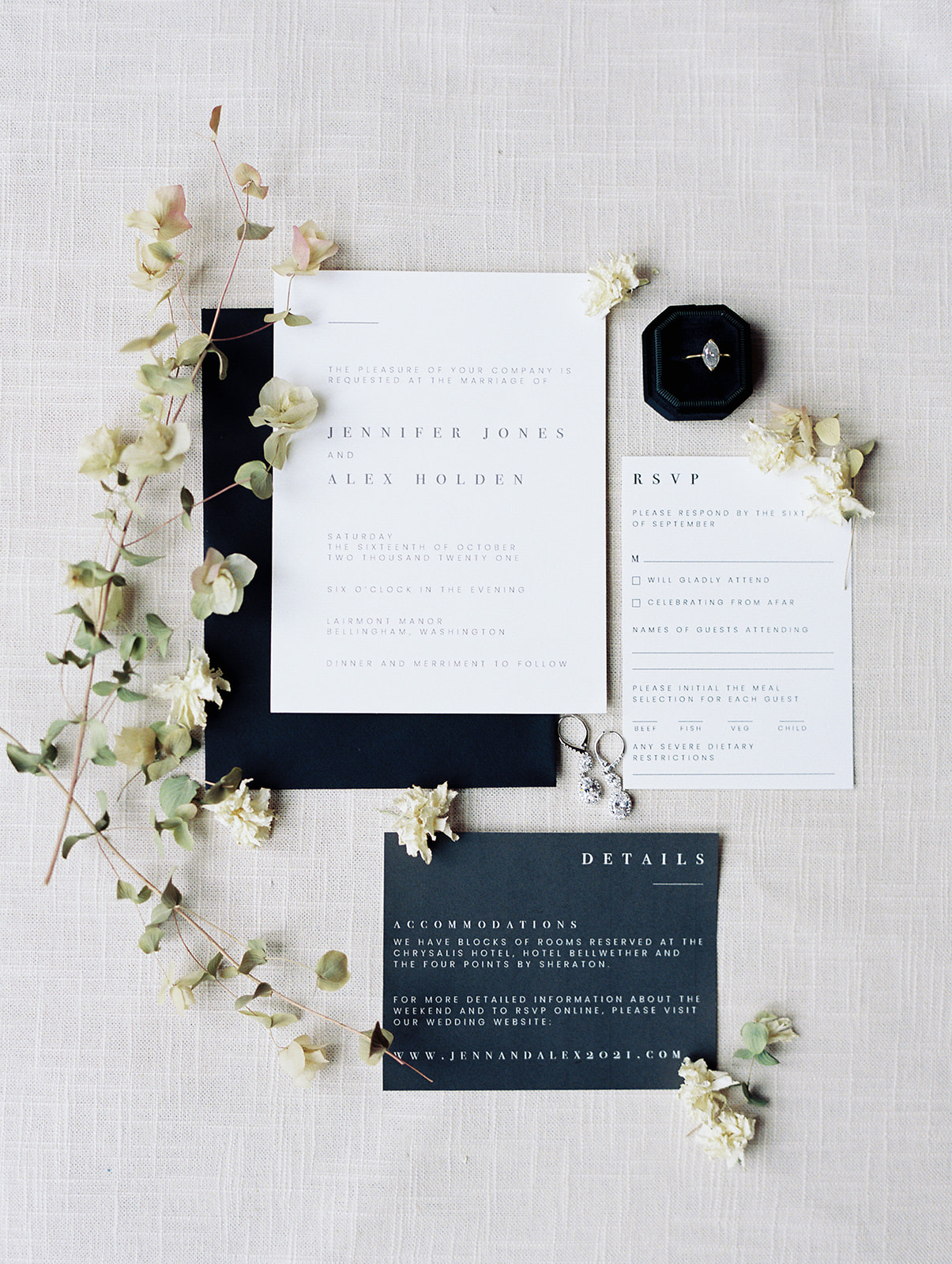
This makes sense. When you are not trying to dress forty tables and a ballroom, you have the time, the budget, and the creative energy to make each element genuinely meaningful. The invitation suite is beautiful because you had time to care about it. The table is dressed with textured linens and vintage glassware and taper candles because you were not dividing that attention across an entire event hall. The florals are extraordinary because your florist was working on one installation rather than twenty.
Every one of those details is an image. And at a micro wedding, I have the time to find them all.
At a large wedding, detail photography is often rushed — a quick sweep of the reception space before guests arrive, a few frames of the invitation suite, the bouquet, the rings. There is rarely time for more. At a micro wedding, there is time to notice the handwritten note tucked inside the vow booklet. The heirloom earrings resting on the surface of an antique dish. The menu card printed with the name of the wine region where they got engaged. The single stem placed beside each setting.
These details are the visual vocabulary of your relationship. They tell the story of who you are as a couple and how much care you brought to this day. And when they are photographed with the same attention they were chosen with, they become some of the most treasured images in an entire wedding gallery.
The couples who invest in intentional design almost always end up with gallery images they are genuinely surprised by — not because the photography was different, but because they gave the photography something real and considered to work with.
Better Light Flexibility From Unique Venues
The venues that work best for micro weddings — private estates, garden spaces, intimate restaurants, mountain locations, destination properties — share a quality that large wedding venues often cannot offer: extraordinary natural light and the freedom to move within it.
A traditional ballroom or large event space is designed for capacity, not light. Windows are often minimal, artificial lighting is the primary source of illumination, and the aesthetic tends toward the generic. A photographer working in these spaces is fighting the light rather than collaborating with it.
At a micro wedding in a boutique venue — a stone villa with open arched windows, a restaurant with a candlelit private dining room, a garden space where ceremony and reception happen in open air — the light is often genuinely beautiful without any intervention at all. And because the space is smaller and more intimate, a photographer can move freely within it, finding the precise angle where the light falls exactly right rather than being constrained by the architecture of a large event.
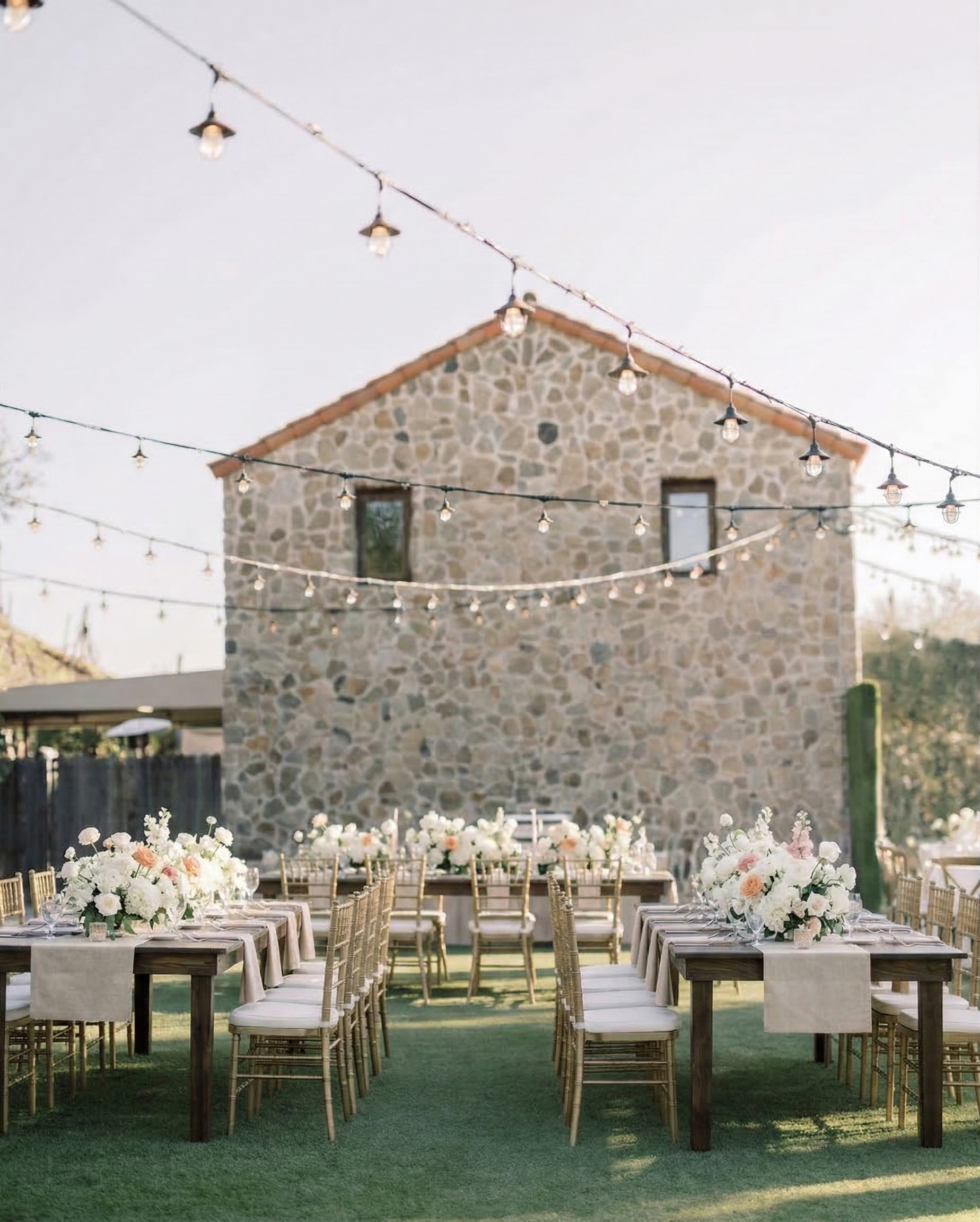
Candlelight at an intimate dinner table. The warm glow of string lights in a garden at dusk. The late afternoon sun cutting through the leaves of an old olive tree. A sliver of golden hour light falling across the couple’s hands as they sit together before dinner. These are not manufactured moments — they are the natural product of being in a beautiful, intimate space at the right time of day.
And because micro wedding timelines are flexible, there is the freedom to be in those spaces at exactly the right time.
What This Means for Your Gallery
Let me be direct about what all of this adds up to.
When you choose a micro wedding and hire a photographer who specializes in intimate celebrations, you are not simply getting a smaller version of what a large wedding gallery looks like. You are creating the conditions for an entirely different quality of photographic work.
Your gallery will have emotional depth that comes from genuine, unguarded moments captured in close proximity. It will have visual clarity that comes from intentional spaces and clean, considered backgrounds. It will have variety in light quality that comes from the freedom to follow the day rather than follow a schedule. It will have detail images that tell a real story because the details themselves were chosen with care.
And it will have something that is harder to define but immediately recognizable when you see it: the feeling that these photographs were made, not taken. That every frame reflects a day that was designed to be experienced rather than managed.
That is what a micro wedding makes possible. And as a photographer, it is the work I am most proud of.
A Note on Choosing the Right Micro Wedding Photographer
Not every wedding photographer is equally suited to intimate celebrations. A photographer who has built their practice around large weddings — who is accustomed to shooting with a second photographer, managing complex timelines, and working in large event spaces — may not bring the specific skills that a micro wedding requires.
Look for a photographer whose portfolio demonstrates:
Consistent excellence in natural light. Micro weddings often rely heavily on available light rather than flash or artificial sources. A photographer who understands and excels in natural light will serve an intimate celebration far better than one who defaults to on-camera flash.
Emotional storytelling. Review full galleries, not just highlight images. Look for photographers who capture the in-between moments — the quiet conversation, the unguarded laugh, the parent watching from across the room — not just the big formal moments.
Experience with intimate scale. Ask photographers directly about their experience with micro weddings and elopements. The mindset required is genuinely different, and experience with small celebrations produces a photographer who knows how to maximize the unique advantages that intimacy creates.
An artistic sensibility that matches yours. Your photographer’s aesthetic should feel like a natural extension of the wedding you are designing. Look for consistency, a clear visual point of view, and work that genuinely moves you — not just impresses you.
The right micro wedding photographer will not just document your day. They will make images that you return to for the rest of your life and feel, every time, exactly the way the day felt.
That is the standard worth holding out for.
Final Thoughts
Choosing a smaller wedding is not a concession. It is not what you do when the guest list does not work out or the budget does not stretch far enough. It is a deliberate, considered choice to make your wedding day about depth rather than breadth. About the people who truly belong in the room. About the moments that can only happen when there is enough space and enough quiet for them to unfold.
From where I stand — behind the camera, watching it all — micro weddings are not lesser weddings. They are the ones where I witness the most love, capture the most truth, and make the photographs I am most proud of.
They are, without question, where the most meaningful moments live.
If you are drawn to an intimate celebration and want a photographer who will treat your day with the care, attention, and artistry it deserves, I would love to hear from you. Get in touch here — let’s talk about what you are envisioning.





add a comment
+ COMMENTS