

The Ultimate Guide to Choosing the Best Wedding Photographers in Utah
Your wedding day is a tapestry woven with love, laughter, and unforgettable memories, and choosing the right wedding photographer is essential to capturing it all. In Utah, where stunning landscapes meet charming wedding venues, the options can be overwhelming. With so many talented photographers eager to document your special day, how do you find the one who truly understands your vision?
In this ultimate photographers guide, we’ll navigate the world of wedding photography to help you discover what to look for in a photographer, the questions to ask during consultations, and tips for ensuring your day is beautifully immortalized. From the breathtaking mountains to the vibrant city backdrops, this guide will enhance your journey toward finding the perfect photographer who can encapsulate the magic of your love story. Get ready to embark on this exciting adventure and make memories that will last a lifetime!
Understanding the Importance of Wedding Photography
Your wedding day is one of the most significant milestones in your life, a celebration of love and commitment that you will cherish forever. The importance of wedding photography cannot be overstated, as it is the medium through which these precious moments are preserved. Long after the cake has been eaten and the flowers have wilted, your wedding photographs will remain as timeless reminders of the joy and emotion experienced on that day. They capture not only the grand moments but also the subtle glances, the laughter, and the tears, providing a narrative of your unique love story.
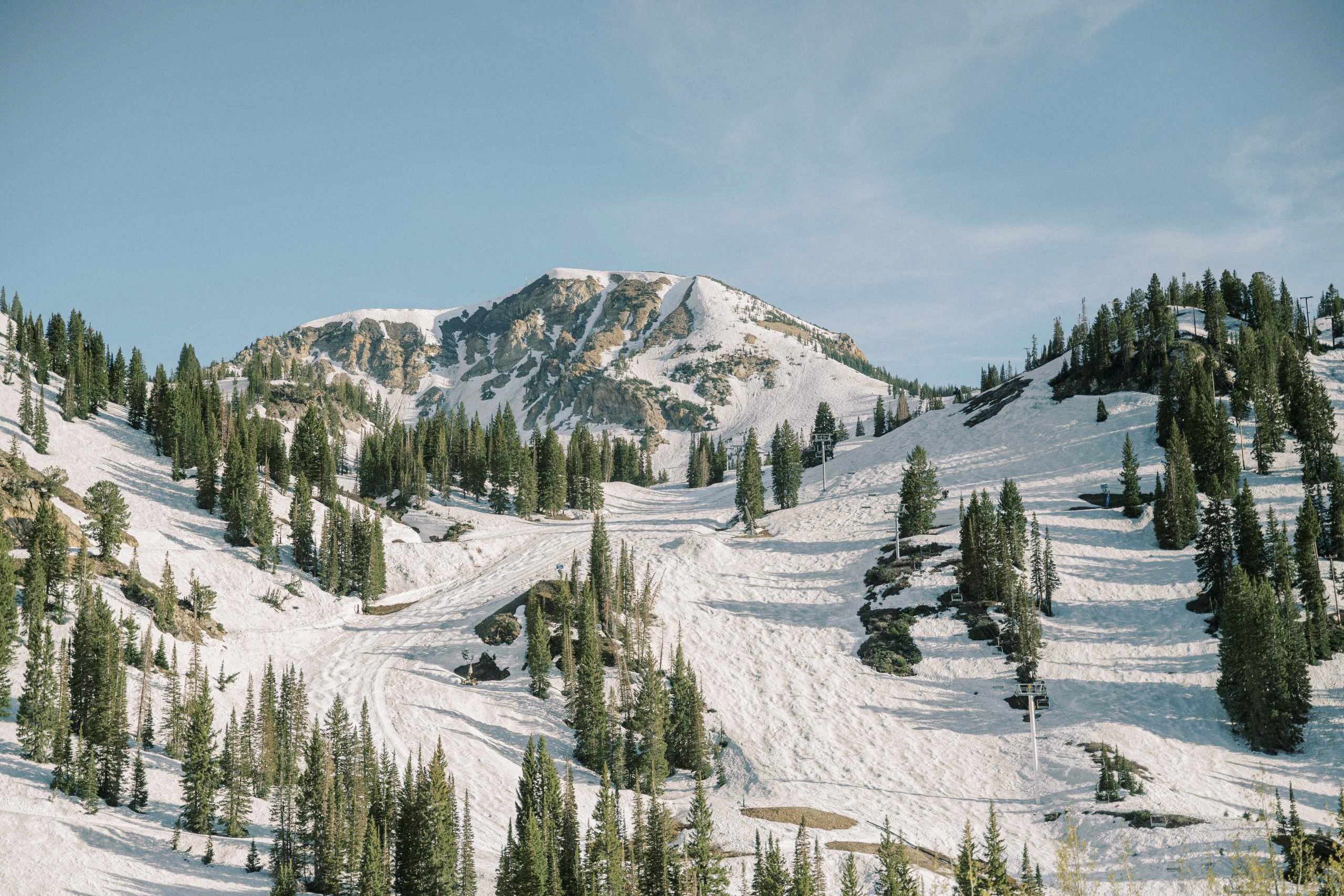
In Utah, where natural beauty abounds, the role of a wedding photographer becomes even more critical. The state’s breathtaking landscapes offer stunning backdrops that can elevate your wedding photos from beautiful to extraordinary. A skilled photographer will not only capture the magnificence of these settings but also highlight the intimate moments shared between you and your partner. Whether it’s a majestic mountain range or a serene lakeside, the right photographer will know how to utilize these environments to enhance the visual storytelling of your wedding day.
Wedding photography is an investment in your future. These images will be treasured keepsakes that you can share with your family and friends, and they will be passed down through generations. They serve as a visual legacy, allowing future generations to witness the love and happiness that defined your union. By understanding the significance of wedding photography and taking the time to choose the right photographer, you are ensuring that the memories of your special day are captured in a way that is both beautiful and meaningful.
Key Qualities to Look for in a Wedding Photographer
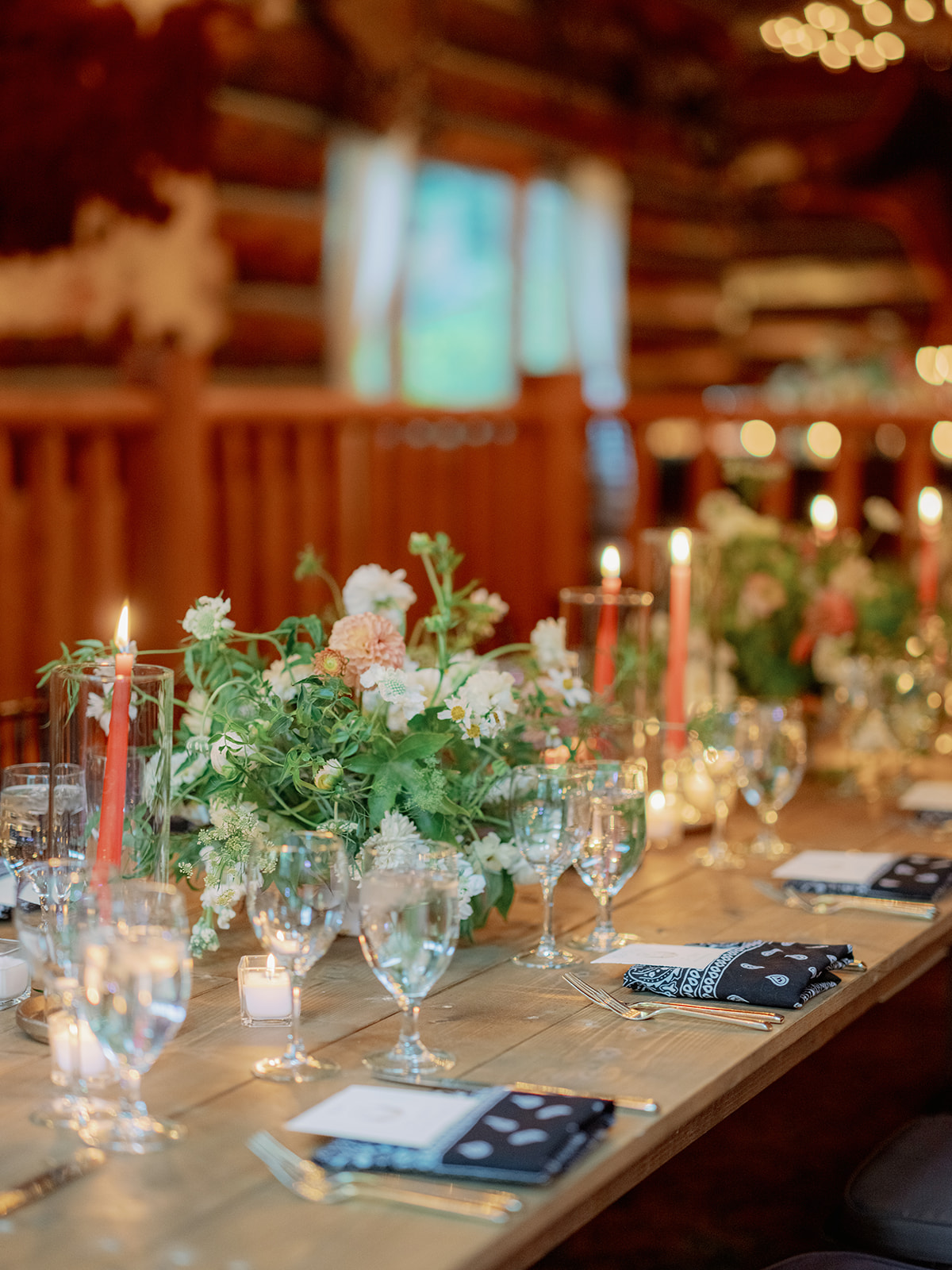
Selecting the perfect wedding photographer involves more than just admiring a portfolio; it requires an evaluation of several key qualities. One of the most important attributes to look for is technical proficiency. A photographer should have a comprehensive understanding of lighting, composition, and camera settings to create stunning images in any situation. Their technical skills should be evident in their ability to adapt to different environments and lighting conditions, ensuring that every moment is captured flawlessly.
Another crucial quality is creativity. Wedding photography is an art form, and the best photographers are those who can infuse their unique creative vision into their work. Look for a photographer who demonstrates originality and innovation in their portfolio. They should have an eye for detail and the ability to see beauty in unexpected places. A creative photographer will bring a fresh perspective to your wedding photos, making them stand out from the typical, cookie-cutter images.
Equally important is the photographer’s ability to connect with you and your partner. Building a rapport with your photographer is essential, as it will help you feel comfortable and relaxed in front of the camera. During your initial consultation, pay attention to how the photographer communicates and whether they listen to your ideas and preferences. A great wedding photographer will be personable, empathetic, and genuinely interested in capturing the essence of your relationship. This connection will translate into more authentic and emotive photographs that truly reflect your love story.
Types of Wedding Photography Styles
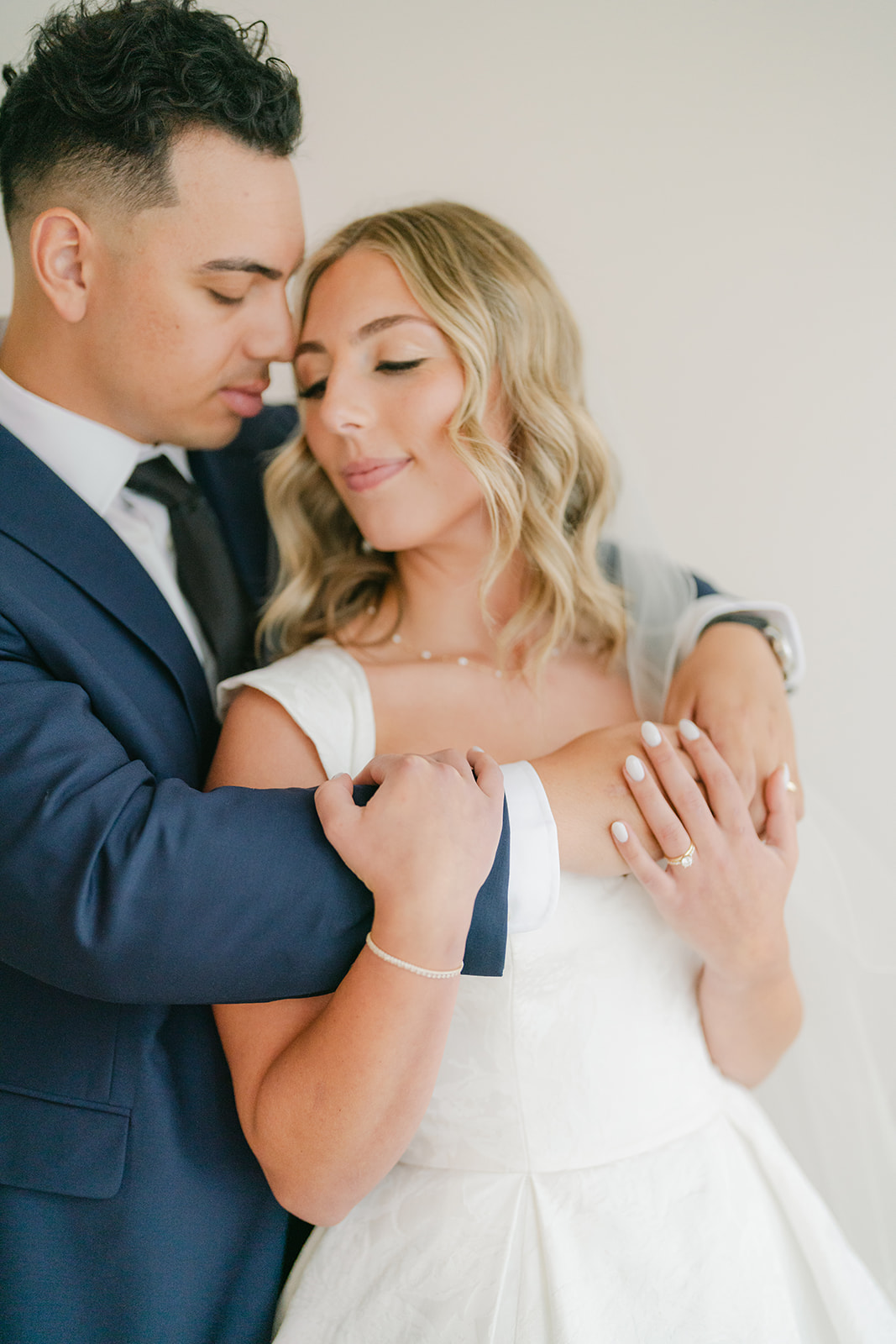
Wedding photography encompasses a variety of styles, each with its own distinct characteristics. Understanding these styles can help you determine which one aligns best with your vision for your wedding photos. One popular style is traditional or classic wedding photography. This style focuses on posed portraits and carefully arranged shots. It often includes formal group photos, elegant compositions, and timeless aesthetic. Traditional photography is ideal for couples who want a more structured and refined approach to their wedding images.
Another prevalent style is photojournalistic or documentary wedding photography. This style emphasizes candid, unposed moments, capturing the day as it naturally unfolds. A photojournalistic photographer will take a more unobtrusive approach, blending into the background and allowing events to happen organically. This results in authentic, emotion-filled images that tell a story. If you prefer a more spontaneous and genuine representation of your wedding day, this style might be the perfect fit for you.
Fine art wedding photography is a style that combines artistic vision with wedding photography. It often features creative compositions, dramatic lighting, and a focus on beauty and elegance. Fine art photographers use their artistic skills to create visually stunning images that resemble works of art. This style is ideal for couples who appreciate high-end, sophisticated photography and want their wedding photos to have a luxurious and editorial feel. By exploring these different styles, you can find the one that resonates with your personal taste and enhances the overall aesthetic of your wedding.
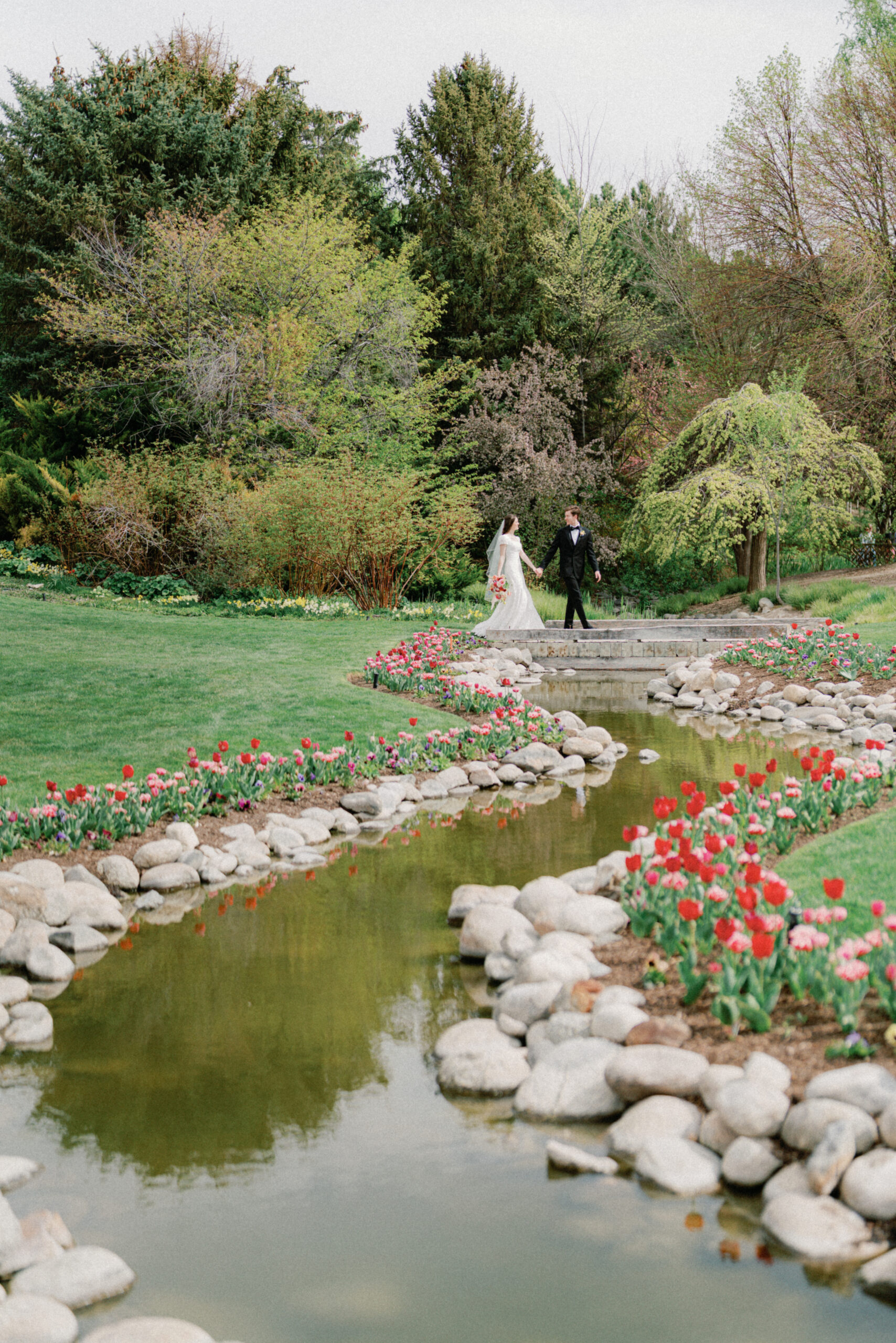
One of the best things you can do before reaching out to a single photographer is to spend some time doing a little visual research — not on photographer websites, but on your own saved content. Open your Pinterest boards, scroll through your Instagram saves, flip through your phone’s screenshot folder. Look at what you’ve been quietly collecting without even thinking about it.
Do you notice a pattern?
Most people do — and that pattern is telling you exactly what your heart is drawn to, even if you don’t yet have the vocabulary to describe it. The images you save aren’t random. They reflect the way you want your wedding day to feel when you look back at it years from now. Pay attention to that.
Here’s a breakdown of the most common photography styles to help you identify what you’re seeing and put a name to it:
Light & Airy
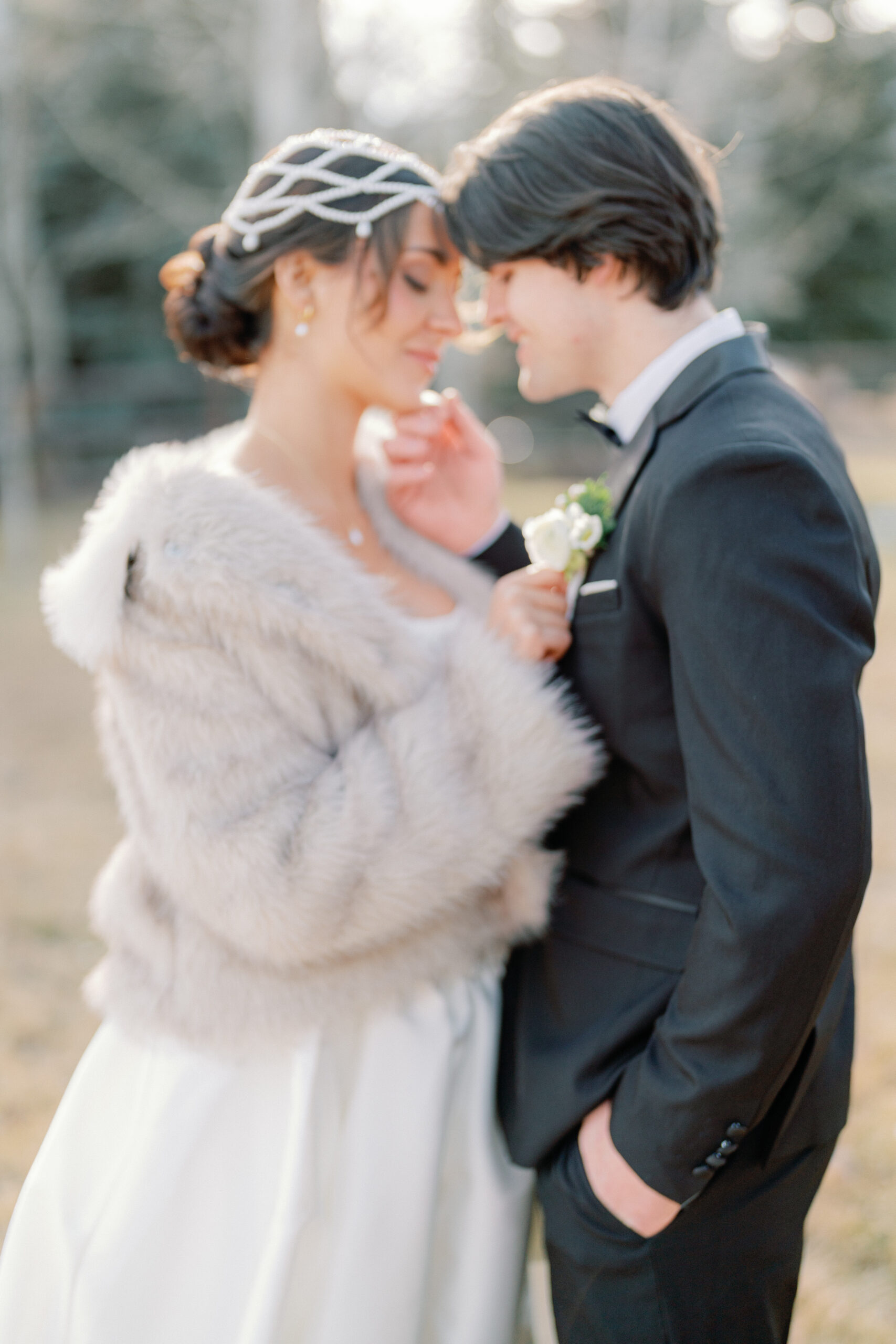
Light and airy photography is exactly what it sounds like — bright, soft, and full of warmth. Images in this style tend to have a lifted, glowing quality with minimal shadows and a gentle, almost ethereal feel. Skin tones are soft and warm, whites are bright and luminous, and the overall mood feels romantic and dreamy.
If your saved images look like they were shot on a perfect golden afternoon with the sun streaming through sheer curtains, you’re probably drawn to light and airy. This style works beautifully for outdoor ceremonies, garden weddings, and venues with large windows and abundant natural light.
Things to look for: Bright highlights, soft shadows, warm or peachy skin tones, a hazy or glowing quality to the light, backgrounds that feel soft and out of focus.
Questions to ask a light and airy photographer: How do you handle low-light or indoor receptions? Do your images maintain consistency from ceremony to reception even when the lighting changes dramatically?
Dark & Moody
Dark and moody photography sits at the opposite end of the spectrum — and it is stunning in its own right. This style leans into shadow, contrast, and depth to create images that feel emotional, cinematic, and deeply artistic. Colors are rich and saturated, blacks are deep and intentional, and the overall mood feels dramatic and evocative.
If your saved images look like they could be stills from a beautifully shot independent film — all candlelight, deep greens, and brooding shadows — dark and moody is likely your style. It works particularly well for evening receptions, candlelit ceremonies, moody venues like old churches or industrial spaces, and fall or winter weddings where the atmosphere already lends itself to depth and drama.
Things to look for: Deep shadows, rich contrast, cooler or desaturated tones, dramatic lighting, a cinematic or film-like quality.
Things to consider: Dark and moody editing requires intentional lighting conditions to execute well. If your venue is very bright or your wedding is entirely outdoors in midday sun, make sure you discuss with your photographer how they approach those situations while maintaining their signature style.
True-to-Color / Timeless
This is my personal style — and it’s one I am deeply passionate about. True-to-color photography prioritizes accuracy, clarity, and a clean, polished aesthetic that holds up beautifully over time. The goal is for your images to look exactly like your wedding day actually looked and felt — no heavy filters, no dramatic color grading, no trendy presets that will feel dated in five years.
Skin tones are natural and accurate. Colors are true to life. Whites are white, greens are green, and the editing enhances rather than transforms. The composition is intentional and classic, drawing the eye to what matters most — the emotion, the connection, the details — without visual gimmicks getting in the way.
If you find yourself drawn to galleries that feel clean, polished, and effortlessly elegant — images that could have been taken five years ago or five years from now and still look current — true-to-color timeless photography is likely your style.
Things to look for: Accurate skin tones, natural colors, clean whites, consistent and polished editing, a classic compositional sense that doesn’t feel overly trendy.
Why I love this style: Trends come and go. The heavy filters that felt fresh five years ago already look dated today. True-to-color photography is an investment in images that will feel just as beautiful and relevant on your 25th anniversary as they do the week after your wedding.
Editorial / Fine Art
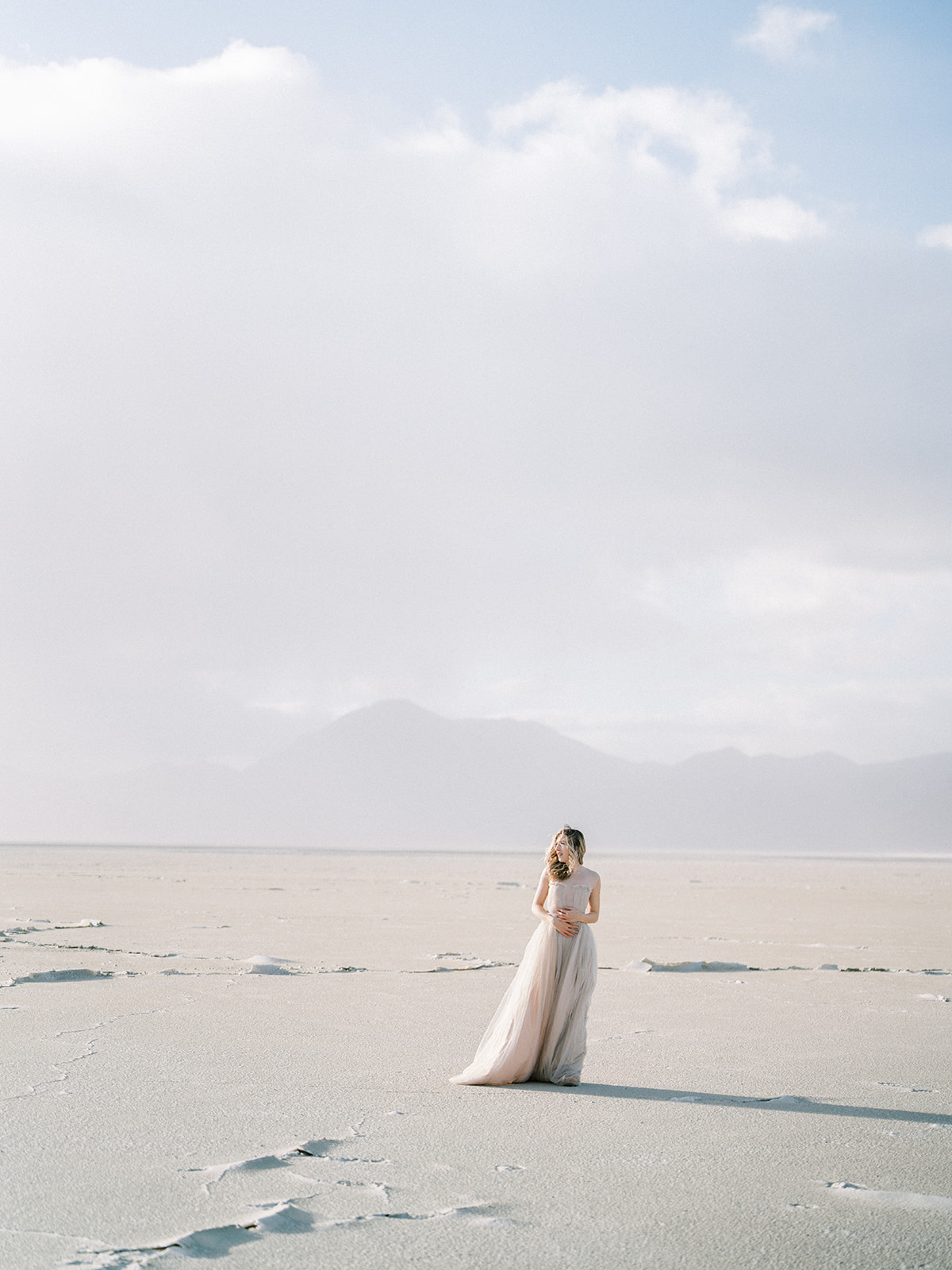
Editorial and fine art photography borrows heavily from the world of fashion and luxury lifestyle photography. Images in this style are carefully composed, highly styled, and often feel more like magazine spreads than traditional wedding photography. Posing is intentional and directed, styling is precise, and the overall aesthetic is polished, fashion-forward, and visually striking.
If your saved images look like they belong in the pages of Vogue or Martha Stewart Weddings — with perfectly placed details, architectural compositions, and a level of visual sophistication that feels almost surreal — editorial fine art is likely calling your name. This style pairs beautifully with luxury venues, highly styled weddings, and couples who love fashion and have a strong visual aesthetic of their own.
Things to look for: Deliberate, fashion-inspired posing, strong compositional choices, a highly curated and styled overall feel, images that feel more constructed than candid.
Things to consider: Editorial photography requires more direction and posing throughout the day, which means your photographer will be more hands-on. If you love the look but feel nervous about being in front of the camera, make sure your photographer has experience making clients feel comfortable and natural even within a more directed style.
Documentary / Photojournalistic
Documentary photography is about one thing above all else: truth. A documentary photographer’s goal is to capture your wedding day exactly as it unfolds — the chaos, the laughter, the tears, the unexpected moments — with as little interference as possible. There is minimal posing, minimal direction, and a deep commitment to authenticity over aesthetics.
If your saved images are full of candid belly laughs, stolen glances, chaotic dance floor moments, and raw emotional reactions that feel completely unposed and unstaged — documentary photography is likely your style. This approach works beautifully for couples who feel uncomfortable being posed or directed and who want their gallery to feel like a genuine, unfiltered record of their day.
Things to look for: Candid, unposed moments, a journalistic quality to the storytelling, images that prioritize emotion and authenticity over visual perfection.
Things to consider: A purely documentary approach means fewer traditional portraits and posed family formals. If having polished portraits is important to you, look for a photographer who blends documentary storytelling with some light direction — many of the best wedding photographers work in this hybrid space.
The Most Important Thing to Remember
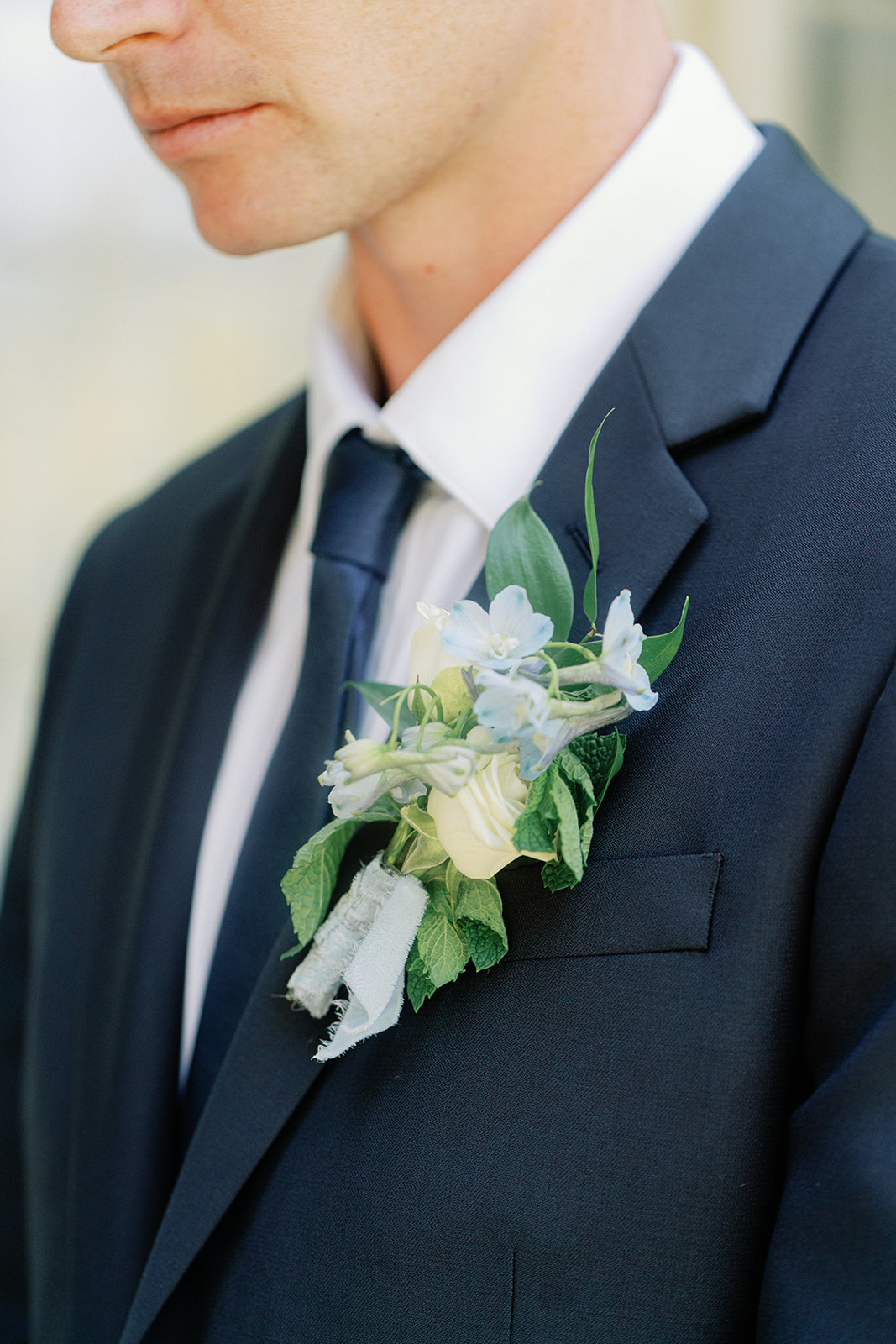
Most photographers don’t fit neatly into just one of these categories — and neither do most couples. The best wedding photography often lives in the space between styles, blending elements of multiple approaches to create something that feels uniquely personal. A photographer might shoot true-to-color with editorial posing sensibilities, or documentary storytelling with a light and airy editing style.
For me, my wedding photography style is a mix between editorial fine art, candid/documentary, and true to color. I like my images on the brighter side but never overexpose to where you loose the details in the images. My photographs are similar to film colors and edits to give it the fine art style.
What matters most is not that you perfectly identify a single style, but that when you look at a photographer’s full gallery — not just their highlight reel — you feel something. You should be able to imagine yourself in those images. You should feel the emotion, the light, the mood — and think yes, that is exactly how I want to remember my wedding day.
The most important thing is that you ask your wedding photographer for real wedding galleries to view to make sure that you like the way they capture and tell a wedding day. Make sure the editing in consistent throughout the gallery.

What to Ask Your Photographer About Their Wedding Gallery
Before booking, here are a few questions worth asking to make sure you and your photographer are aligned on expectations:
How many images do you typically deliver for a wedding of my size and coverage hours? This gives you a realistic benchmark and helps you understand their editing philosophy upfront.
Can I see a full gallery from a past wedding rather than just highlight images? This is one of the most important questions you can ask. A highlight gallery shows you a photographer’s best work — but a full gallery shows you their consistency, their storytelling ability, and what the complete client experience actually looks like.
How do you approach culling and what is your standard for including an image? A photographer who can articulate their philosophy clearly is one who has thought deeply about the client experience and takes the quality of their final product seriously.
What is your turnaround time for the finished gallery? Editing a full wedding gallery to a professional standard takes significant time — most photographers deliver within four to twelve weeks. If a photographer promises a very fast turnaround, it’s worth asking whether that affects the quality of the editing process.
How will my gallery be delivered and how long will I have access to it? Most photographers deliver galleries through online platforms like Pixieset, Cloudspot, or Pic-Time with download links that remain active for a set period. Make sure you understand the delivery method and download your images promptly.

How to Set Your Wedding Photography Budget
Determining your wedding photography budget is a crucial step in the planning process. Wedding photography can be a significant investment, so it’s important to allocate your funds wisely. Start by researching the average cost of wedding photography in Utah. Prices can vary widely based on the photographer’s experience, reputation, and the services they offer. Having a clear understanding of the market rates will give you a realistic idea of what to expect and help you set a budget that aligns with your financial situation.
When setting your budget, consider the value that wedding photography brings. These images will be cherished for a lifetime, so it’s worth investing in a photographer whose work you love. Prioritize photography in your overall wedding budget, and be prepared to allocate a substantial portion to ensure you get the quality you desire. Remember, cheap does not always mean good, and cutting corners on photography could result in disappointing images that don’t do justice to your special day.
It’s also important to factor in additional costs that may arise. Many photographers offer packages that include different services such as engagement sessions, albums, and prints. Be sure to ask about these options and consider whether they fit within your budget. Additionally, think about potential travel expenses if your photographer is coming from out of town. By taking all these elements into account, you can create a comprehensive budget that covers all aspects of your wedding photography without any unexpected surprises.
Questions to Ask Potential Photographers
During your consultations with potential wedding photographers, it’s essential to ask the right questions to ensure they meet your expectations and requirements. Start by inquiring about their experience and background in wedding photography. Ask how long they have been photographing weddings and how many weddings they have covered. This will give you an idea of their expertise and ability to handle different situations that may arise on your wedding day.
Another important question is about their photography style and approach. Clarify whether they specialize in the style you prefer, whether it’s traditional, photojournalistic, fine art, or a blend of different styles. Ask to see full wedding galleries, not just highlight reels, to get a comprehensive view of their work. This will help you assess their consistency and attention to detail throughout an entire wedding day. Additionally, inquire about their process for capturing key moments and how they handle unexpected challenges such as inclement weather or low-light conditions.
Practical questions about logistics are also crucial. Discuss their availability on your wedding date and the number of hours they will be present. Ask about the team they will bring, including second shooters or assistants. Clarify their pricing structure and what is included in their packages, such as engagement sessions, albums, or prints. It’s also important to understand their post-processing workflow and the timeline for receiving your final images. By asking these questions, you can ensure that you have a clear understanding of what to expect and avoid any potential misunderstandings.
Reviewing Portfolios: What to Look For
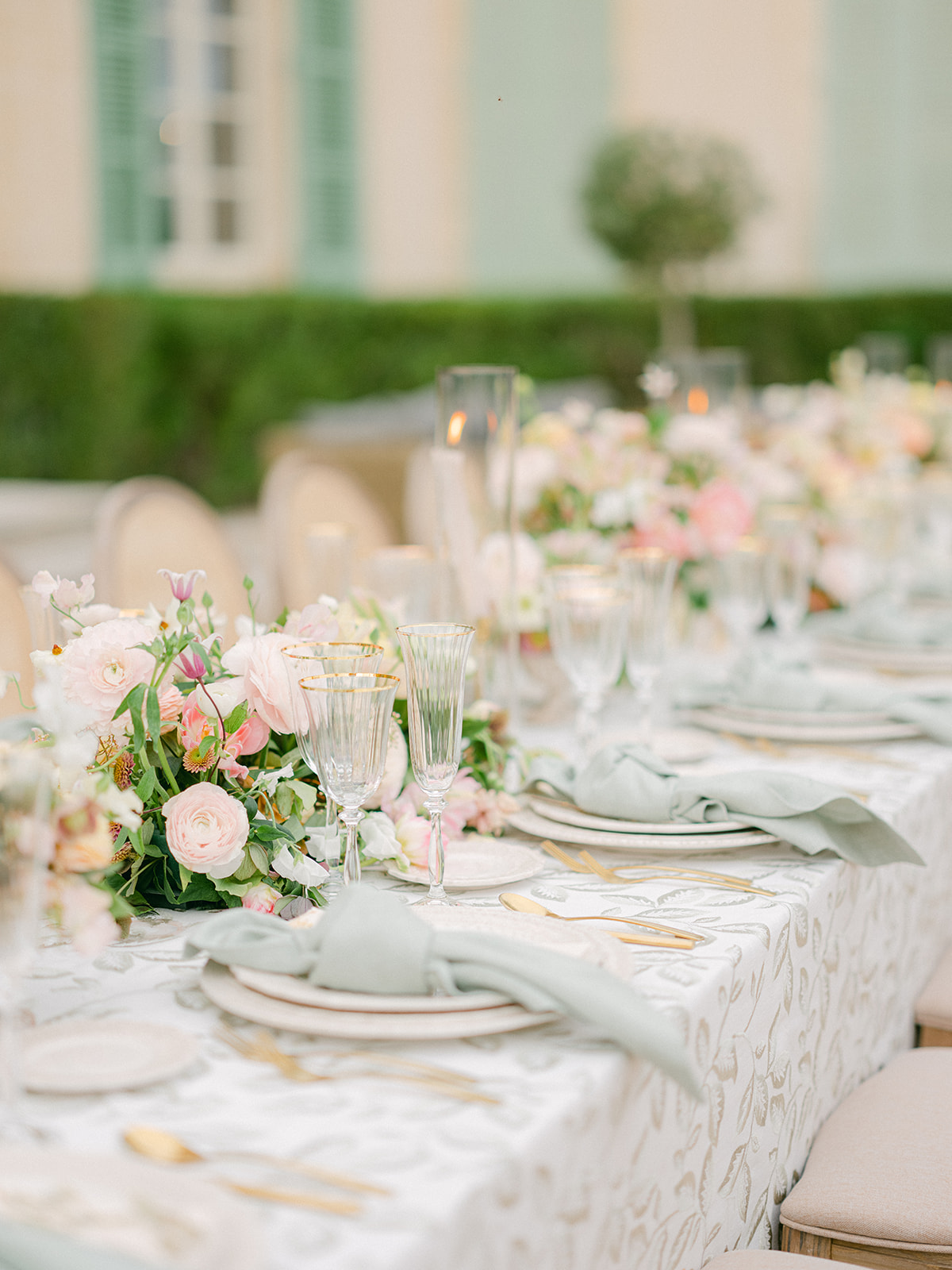
Reviewing a photographer’s portfolio is one of the most critical steps in choosing the right wedding photographer. A portfolio provides a window into the photographer’s style, skill, and artistic vision. As you examine their work, pay attention to the consistency and quality of their images. Look for a cohesive style that resonates with your vision for your wedding photos. Whether it’s the use of natural light, creative compositions, or candid moments, the portfolio should reflect the photographer’s unique approach.
Focus on the details and emotions captured in the photos. Great wedding photography is not just about beautiful poses; it’s about capturing the genuine emotions and connections between people. Look for images that evoke a sense of intimacy, joy, and love. Notice how the photographer captures candid moments, such as a stolen glance between the couple or a heartfelt embrace. These are the moments that will make your wedding photos truly special and memorable.
Pay attention to the technical aspects of the photos as well. Examine the sharpness, exposure, and color balance of the images. A skilled photographer should be able to handle different lighting conditions and produce well-exposed, vibrant photos. Look for variety in their portfolio, including shots from different parts of the wedding day such as getting ready, the ceremony, and the reception. This will give you a comprehensive view of their ability to capture the entire wedding experience. By carefully reviewing portfolios, you can identify the photographer whose work aligns with your vision and expectations.

The Role of Engagement Sessions in Wedding Photography
Engagement sessions play a significant role in wedding photography and offer several benefits for both the couple and the photographer. An engagement session is a pre-wedding photoshoot that allows you to get comfortable in front of the camera and build a rapport with your photographer. It’s an opportunity to practice posing and to experience how your photographer works, which can help alleviate any nerves you may have about being photographed on your wedding day.
These sessions also provide a chance to capture beautiful images that reflect your relationship and personalities. Engagement photos can be used for save-the-date cards, wedding websites, or as part of your wedding decor. They offer a more casual and relaxed setting compared to the wedding day, allowing for creativity and spontaneity. Whether you choose a location that holds sentimental value or one that showcases Utah’s stunning landscapes, engagement photos can be a wonderful addition to your wedding memories.
For the photographer, engagement sessions are valuable for understanding your dynamic as a couple and learning what poses and angles work best for you. It allows them to observe how you interact and to capture your unique chemistry. This insight can be incredibly useful on the wedding day, as the photographer will have a better understanding of how to make you feel comfortable and capture authentic moments. Overall, engagement sessions enhance the wedding photography experience and contribute to a more cohesive and personalized collection of images.

Tips for Creating a Photography Timeline for Your Wedding Day
Creating a well-structured photography timeline is essential for ensuring that your wedding day runs smoothly and that all important moments are captured. Start by working closely with your photographer and wedding planner to outline the key events of the day. Include details such as the getting-ready process, first look, ceremony, formal portraits, and reception highlights. Having a clear timeline will help your photographer be in the right place at the right time and ensure that nothing is missed.
Allocate sufficient time for each segment of the day, allowing for any unexpected delays. For example, plan for at least an hour for getting-ready photos, as this time is filled with emotional and candid moments. If you’re doing a first look, set aside 30 minutes to an hour for this intimate and special moment. For the ceremony, consider the length of the service and any specific traditions or rituals that need to be captured. Formal portraits with family and the wedding party should be scheduled with ample time to organize and pose everyone.
Communication is key when creating your photography timeline. Share the schedule with all relevant parties, including your bridal party, family members, and vendors. This ensures that everyone is on the same page and knows when and where they need to be. Flexibility is also important; while having a timeline is essential, be prepared for minor adjustments as the day unfolds. A well-thought-out photography timeline not only helps your photographer capture all the important moments but also allows you to relax and enjoy your special day without feeling rushed or stressed.
Conclusion: Making the Right Choice for Your Special Day
Choosing the best wedding photographer in Utah is a journey that requires careful consideration and thoughtful planning. By understanding the importance of wedding photography and identifying the key qualities to look for in a photographer, you can make an informed decision that aligns with your vision and expectations. Exploring different photography styles and setting a realistic budget are crucial steps in finding the right photographer who can beautifully capture your love story.
Researching and meeting with potential photographers, asking the right questions, and reviewing their portfolios will provide valuable insights into their work and approach. Engagement sessions offer an opportunity to build a connection with your photographer and capture meaningful pre-wedding images. Creating a detailed photography timeline ensures that your wedding day runs smoothly and that all important moments are documented.
Ultimately, the right wedding photographer is someone who not only possesses the technical skills and creative vision but also understands and connects with you as a couple. They will be able to capture the essence of your relationship and the emotions of your special day in a way that is both beautiful and timeless. By following the guidance in this ultimate guide, you can confidently embark on the journey of finding the perfect wedding photographer in Utah, creating memories that will be cherished for a lifetime.

