
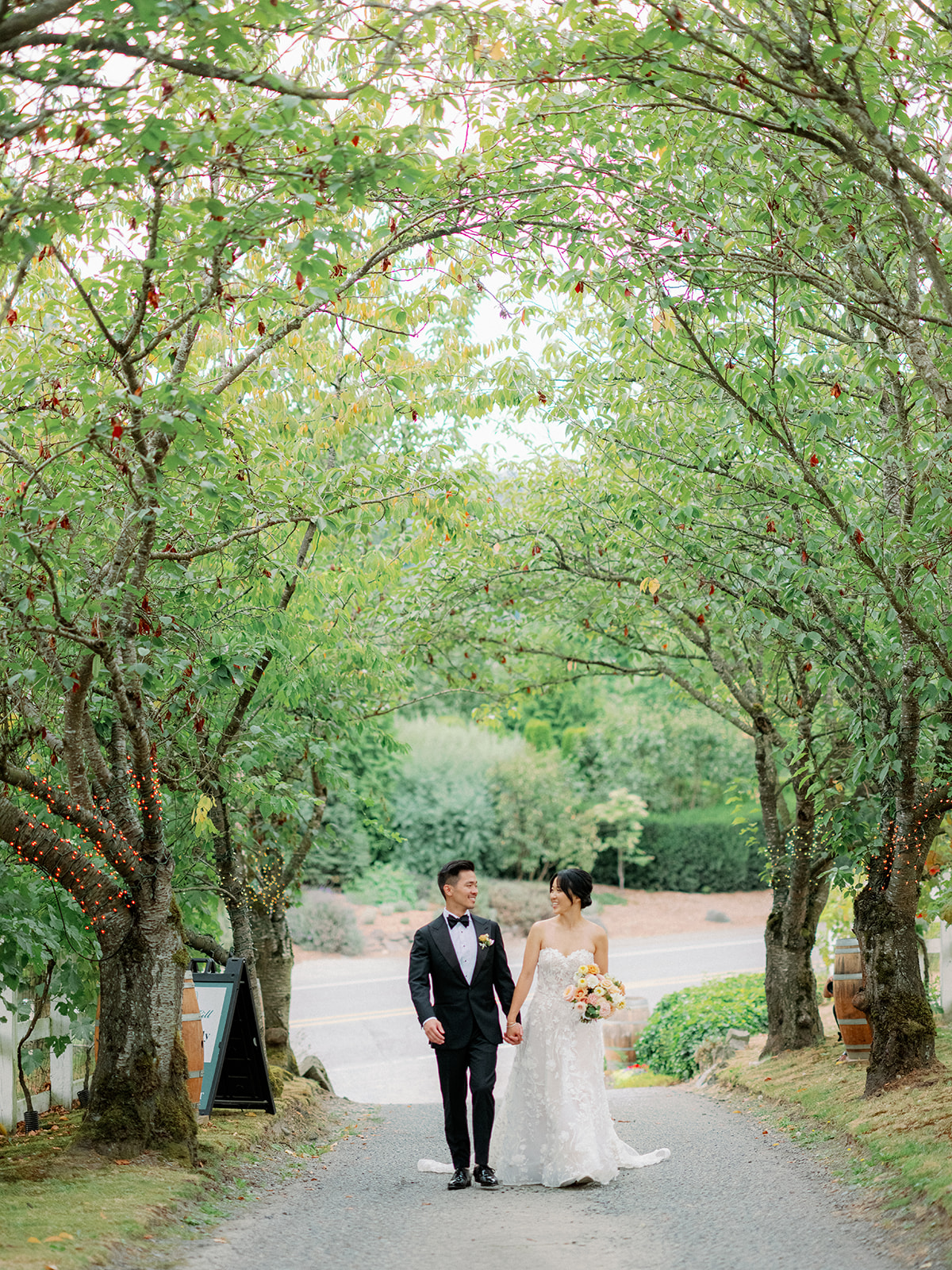
6 Unrealistic Expectations For Your Wedding Photographer (and How to Have Realistic Ones)
My sweet friends over at Elegant Affairs inspired me when they wrote about the 10 mistakes couple’s make when planning their wedding. It got me thinking that I should write a similar blog about the things photographers wished their couple’s knew when hiring their wedding photographer.
Hiring a wedding photographer is one of the most important decisions you’ll make when planning your big day. These are the photos that will tell the story of one of the most meaningful days of your life — something you’ll look back on for decades to come. As exciting as this decision is, it often comes with a lot of expectations — some realistic and others… not so much.
Over the years, I’ve seen couples with expectations that don’t always align with what is truly possible or what will serve them best. And it’s not their fault! There’s so much information out there (thanks, Pinterest and Instagram!) that can set people up to expect something that doesn’t quite match the reality of what a photographer can provide.
If you’re planning your wedding, I want to help set you up for success — not just with your photos, but with your entire experience. Here are some of the biggest unrealistic expectations couples often have when hiring a wedding photographer — and what you should expect instead.
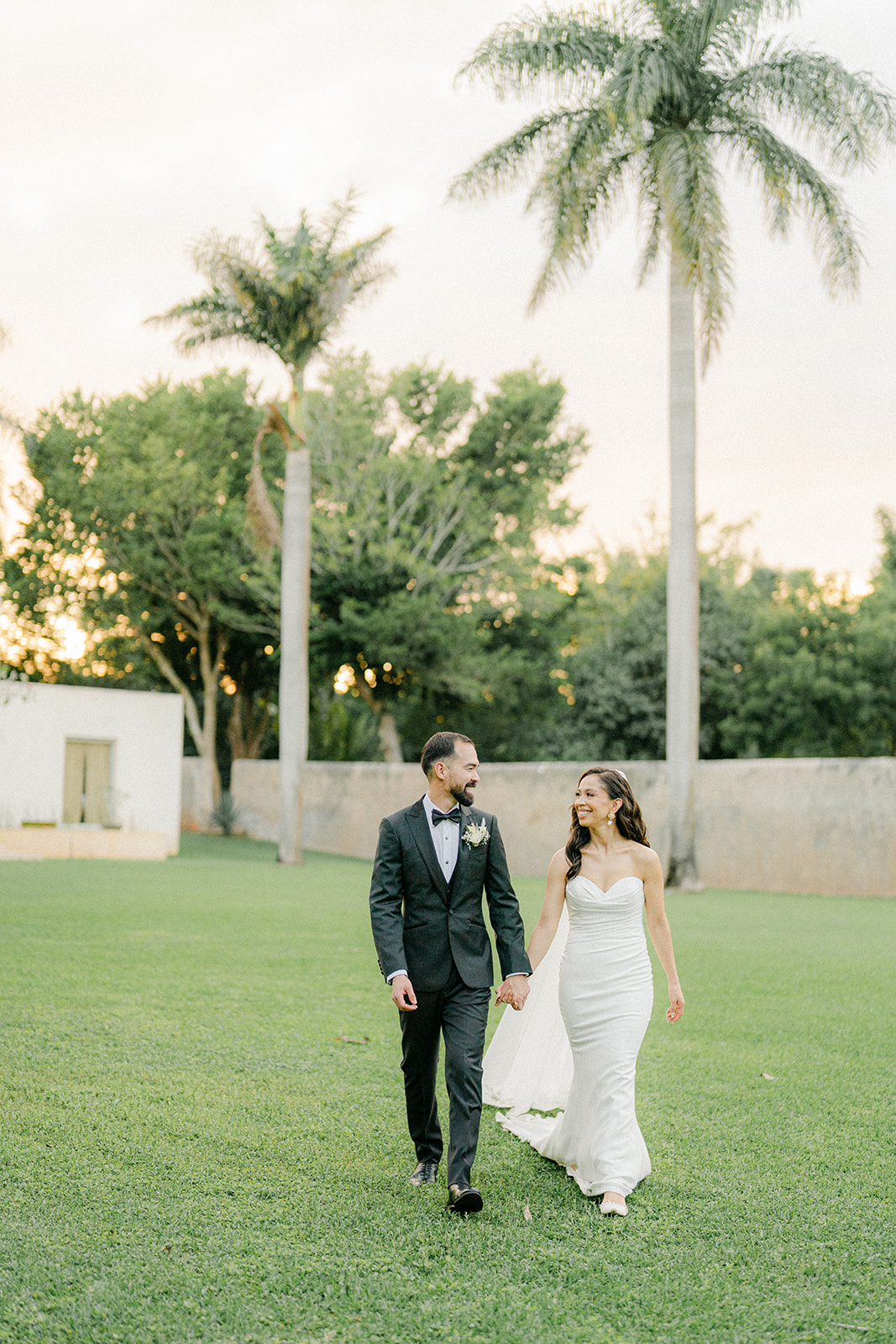
1. Expecting Every Single Moment to Be Captured
It’s natural to want every little moment documented — every hug, every laugh, every detail. But the truth is, no photographer can capture everything. A wedding day moves fast, and photographers are human too. We prioritize the key moments — the ones that truly tell the story of your day — while doing our best to capture as many in-between moments as possible. This is also why I include a second photographer in every wedding package.
Realistic Expectation: Trust your photographer’s expertise to capture the most meaningful moments. The best photos are often the ones that evoke the feeling of the day, not necessarily every little thing that happened. I promise, we even photograph other couples and families, not just wedding details and moments.
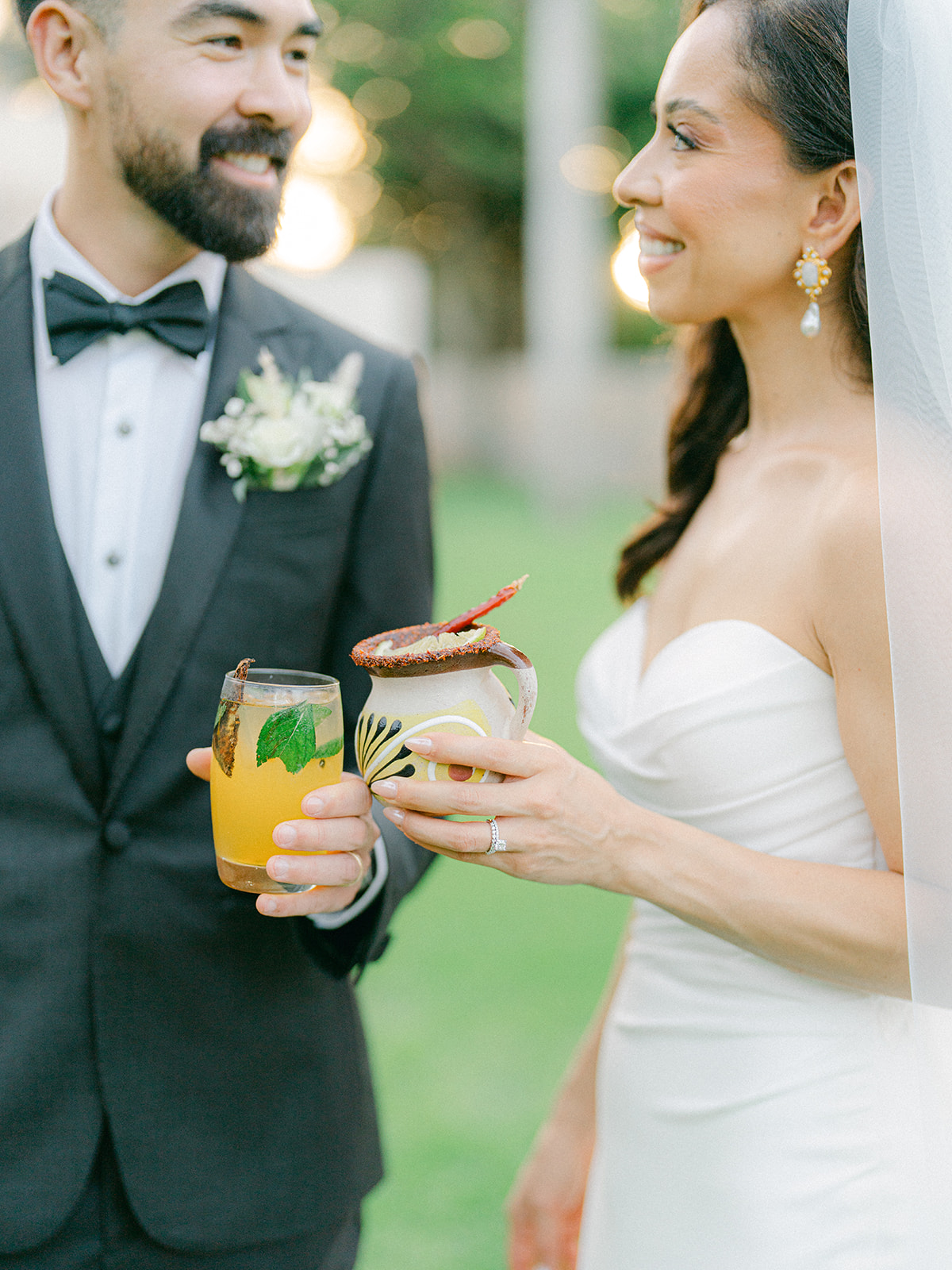
2. Pinterest-Perfect Re-Creations
I know how tempting it is to scroll through Pinterest and fall in love with certain poses or setups. But every wedding is unique — different lighting, locations, and people. While inspiration is great, copying someone else’s exact photo can take away from the authenticity of your story.
Realistic Expectation: Share your inspiration, but be open to your photographer’s creative vision. The most beautiful photos happen when you’re present in the moment, not trying to replicate someone else’s day.
3. Expecting Every Photo to Be Magazine-Worthy
Not every photo will be a perfectly curated masterpiece — and that’s a good thing! Some of the best images are the imperfect ones: the wind messing up your hair, the teary eyes during a speech, or the belly laughs on the dance floor. When I am photographing weddings, I look for the raw emotion throughout the day. I do weed out photos that are very unflattering, like double chins, eating or talking photos.
Realistic Expectation: Embrace the imperfections. Those raw, unscripted moments often end up being the most cherished memories. I do try and give extra photos so you have many photos to choose from.
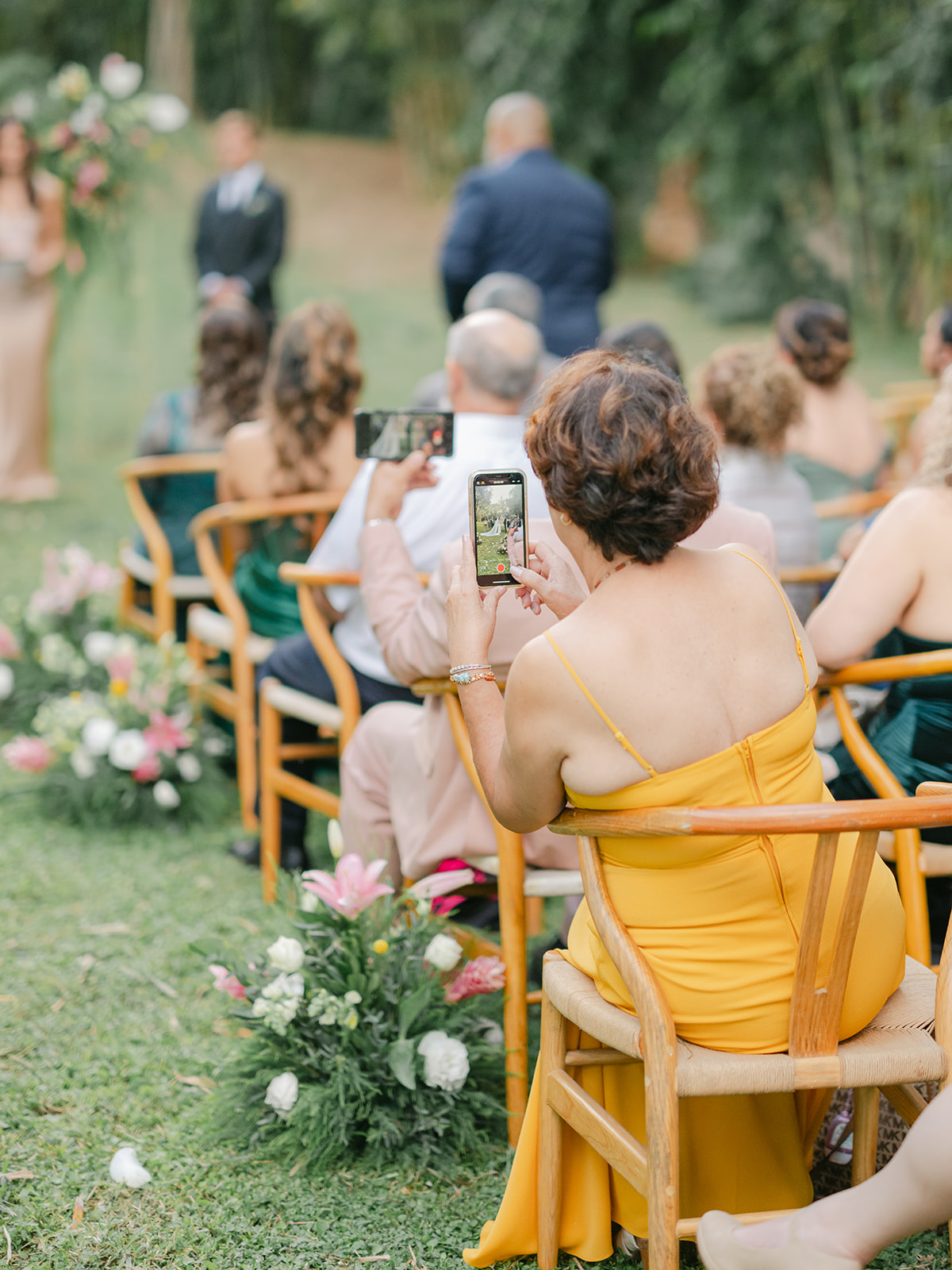
4. Instant Turnaround
I get it — you’re so excited to see your photos! But editing a full wedding gallery takes time, care, and attention to detail. Every image is individually processed to bring out the best colors, lighting, and emotion — and that doesn’t happen overnight. I try to edit out things that are distracting in photos. This includes exit signs, street signs, or brightly colored objects in the background. This takes time.
I can’t speak for other photographers, but for me, when I get home from a wedding, I am completely beat. I try to upload as many photos throughout the wedding day so I have less work the next day. When everything is done uploading, I backup images to a few different locations and this also takes a lot of time. From there I quickly cull through the images and find a handful to send over as a sneak peek to share with everyone while you wait for the entire wedding gallery. That usually comes about a month or a month and a half later.
Realistic Expectation: Ask your photographer what their typical turnaround time is and trust that the wait will be worth it. (Pro tip: A sneak peek gallery is a great compromise if you’re feeling extra eager!)
Here’s an expanded version of that section:
5. Understanding Your Wedding Gallery: Quality, Quantity, and What to Really Expect
One of the most common things couples do when researching wedding photographers is compare gallery sizes. They see one photographer advertising 1,500 images and another delivering 400, and immediately assume the first must be the better value. It’s an understandable conclusion — but it’s also one of the most misleading ways to evaluate a photographer, and it’s worth taking a moment to understand why.
The size of your gallery is not a measure of your photographer’s effort, talent, or dedication to your day. It is a reflection of their editing philosophy — and a thoughtfully curated gallery of 400 stunning, intentional images will always tell your story more powerfully than a bloated folder of 1,500 that includes duplicates, near-misses, and transitional frames that were never meant to be seen.
Here’s what’s really happening behind the scenes — and what a truly great wedding gallery actually looks like.
What Happens During the Culling Process
Over the course of a full wedding day, a photographer will typically capture anywhere from 2,000 to 5,000 frames. That number might sound overwhelming — and it is — which is exactly why the culling process exists.
Culling is the process of reviewing every single image captured during the day and selecting only the ones that meet a specific standard of quality, emotion, and artistic value. It is one of the most time-consuming and skill-intensive parts of a photographer’s workflow, and it happens long before a single edit is made.
During culling, a photographer is looking at every frame and asking: does this image serve the story? Does it add something the gallery doesn’t already have? Is the expression genuine, the composition strong, the light working in the couple’s favor? Images that don’t meet that standard — regardless of how many there are — get left behind. Not because they aren’t memorable moments, but because including every imperfect frame would dilute the impact of the ones that are truly extraordinary.
Here’s a breakdown of what typically gets removed during culling and why:
Duplicate frames. Photographers shoot in bursts during fast-moving moments — a first kiss, a bouquet toss, a father-daughter dance — capturing rapid-fire sequences to ensure the perfect expression or peak moment is preserved. Of a burst of fifteen frames, perhaps two or three are genuinely exceptional. The rest are near-identical and add nothing to the gallery.
Test shots and technical frames. Before every major moment, a photographer is adjusting their settings — checking exposure, testing focus, evaluating the light. These frames serve a technical purpose in the moment but have no place in a finished gallery.
Blinked eyes and unflattering expressions. Every photographer has been there — a beautifully composed frame where someone blinked at exactly the wrong moment, or a candid that caught someone mid-chew or mid-sentence in a way that would make them cringe. These get removed quietly and without comment, because that’s part of the job.
Transitional and logistical frames. Not every moment of a wedding day is a Kodak moment. The images taken while repositioning between locations, adjusting lighting setups, or waiting for a moment to develop serve a purpose behind the camera but not in your gallery.
What remains after culling is a refined selection of images that each earn their place in your gallery — and that collectively tell the full story of your day from beginning to end.
What a Thoughtfully Curated Gallery Actually Looks Like
A well-curated wedding gallery is not just a collection of beautiful individual images — it is a narrative. It has a beginning, a middle, and an end. It flows from the quiet anticipation of getting ready in the morning to the joyful chaos of the dance floor at the end of the night, with every chapter of the day represented in a way that feels intentional and emotionally complete.
When you sit down to view your wedding gallery for the first time, the experience should feel like watching your wedding day unfold all over again — not like scrolling through an overwhelming archive of every frame captured. You should be able to feel the nervousness of the first look, the sacred stillness of the ceremony, the warmth of dinner surrounded by the people you love most, and the pure unfiltered joy of dancing until midnight. Each image should add something to that emotional journey.
That is the goal of curation — and it requires just as much skill and artistic judgment as capturing the images in the first place.
How Many Images Should You Actually Expect?
Every photographer is different but these are the average for me as your wedding photographer. It all depends on coverage hours, and wedding size. Here are some general guidelines to help set realistic expectations:
- 4 to 6 hours of coverage — typically 300 to 500 fully edited images
- 8 to 10 hours of coverage — typically 800 to 1000+ fully edited images
- Full day coverage with multiple photographers — typically 1,200 to 1,500+ fully edited images
If a photographer is advertising significantly more than these numbers — say, 2,000 or 3,000 images for a standard wedding day — it’s worth asking what their culling philosophy is. A gallery that large almost always contains a significant amount of redundancy, and more images doesn’t mean a better storytelling experience. In fact it often means the opposite.
If a photographer is delivering fewer images than these ranges, it’s equally worth asking why — though some highly editorial photographers intentionally deliver smaller, more curated galleries as part of their artistic approach, which is a completely valid philosophy as long as it’s communicated clearly upfront.
The Story Your Gallery Should Tell
My personal philosophy as a wedding photographer is that your gallery should make you feel something every single time you open it — not just in the weeks after your wedding when the memories are still fresh, but years and decades from now when the details have begun to fade and the images are all you have left of that day.
Every image I include in a final gallery is there because it adds to that emotional experience. It captures a feeling, a connection, a detail, or a moment that contributes to the larger story of your day. The image of your mother’s face as you walk down the aisle. The quiet moment between you and your partner just after the ceremony when the world falls away for a few seconds. The way your best friend laughed during the toasts. The last dance at the end of the night when the room was finally quiet.
These are the images that matter. These are the images that will make you cry at your ten-year anniversary. And these are the images that a thoughtfully curated gallery — not an overwhelming archive — is designed to deliver.
What to Ask Your Photographer About Their Gallery
Before booking, here are a few questions worth asking to make sure you and your photographer are aligned on expectations:
How many images do you typically deliver for a wedding of my size and coverage hours? This gives you a realistic benchmark and helps you understand their editing philosophy upfront.
Can I see a full gallery from a past wedding rather than just highlight images? This is one of the most important questions you can ask. A highlight gallery shows you a photographer’s best work — but a full gallery shows you their consistency, their storytelling ability, and what the complete client experience actually looks like.
How do you approach culling and what is your standard for including an image? A photographer who can articulate their philosophy clearly is one who has thought deeply about the client experience and takes the quality of their final product seriously.
What is your turnaround time for the finished gallery? Editing a full wedding gallery to a professional standard takes significant time — most photographers deliver within four to twelve weeks. If a photographer promises a very fast turnaround, it’s worth asking whether that affects the quality of the editing process.
How will my gallery be delivered and how long will I have access to it? Most photographers deliver galleries through online platforms like Pixieset or Cloudspot, and I use Pic-Time (love them!) with download links that remain active for a set period. Make sure you understand the delivery method and download your images promptly.
A Final Thought on Quality vs. Quantity
In a world that constantly tells us more is better, wedding photography is one of the areas where the opposite is genuinely true. A smaller gallery of images that each stop you in your tracks is infinitely more valuable than a massive folder of files you’ll scroll through once and never revisit.
The photographers who deliver the most meaningful galleries are not the ones who leave their cameras running all day and hand over everything — they are the ones who are constantly, deliberately asking themselves: is this the best version of this moment? And when the answer is yes, they keep it. When it isn’t, they let it go — because they respect both their craft and their clients enough to know the difference.
That is the standard your wedding gallery deserves. And it is the standard a truly great photographer will always hold themselves to.
6. Requesting Raw Images
It’s one of the most common requests photographers receive — and it almost always comes from a completely understandable place. Couples have just invested a significant amount of money into their wedding photography, and the idea of receiving every single image from the day feels like getting more value for that investment. More photos means more memories, right?
It’s a reasonable assumption — but it’s also one of the most significant misunderstandings about how professional photography actually works. Here’s what’s really going on behind the scenes, and why requesting raw files isn’t actually in your best interest as a couple.
What Raw Files Actually Are
When your photographer presses the shutter button, the camera captures what’s called a RAW file — an unprocessed, uncompressed data file that contains everything the camera’s sensor recorded in that moment. Think of it less like a finished photograph and more like a digital negative. Just as a film negative requires a darkroom and a skilled printer to become a beautiful print, a RAW file requires professional editing software and a photographer’s artistic eye to become a finished image.
On their own, RAW files are flat, dull, and often visually underwhelming. The colors are muted, the contrast is low, the exposure may look off, and the image lacks the warmth, depth, and polish that you recognize in your photographer’s portfolio. What you’re seeing in a RAW file is raw data — not a photograph. It is the ingredient, not the finished dish.
RAW files also cannot be opened by standard photo apps or viewers. They require professional software like Adobe Lightroom or Capture One to process, and even then, without the photographer’s specific editing profile and artistic adjustments, the file will look nothing like the images in their portfolio.
Why Photographers Don’t Deliver Raw Files
Beyond the technical limitations, there are several important reasons why professional photographers don’t — and shouldn’t — deliver RAW files to clients.
It would misrepresent their work. Your photographer’s editing style is a fundamental part of their artistry. The way they handle light, color, contrast, and tone is what makes their images look the way they do — and it’s almost certainly a big part of why you chose them in the first place. A RAW file stripped of that editing process looks nothing like the work in their portfolio. Delivering unedited files would be like a chef sending you the raw ingredients instead of the finished meal and calling it the same thing.
Not every image makes the cut — intentionally. A photographer shooting a full wedding day will capture anywhere from 2,000 to 5,000 frames over the course of the event. Of those, a significant number are duplicates taken in rapid succession to ensure the perfect expression is captured, test shots used to check lighting and composition, images where someone blinked or turned away at the wrong moment, and transitional frames that serve a technical purpose but have no artistic value on their own. Part of a photographer’s job — and a significant part of the time they invest in your gallery — is culling through every single frame and selecting only the images that meet their standard of quality.
Delivering RAW files would mean handing over thousands of images that were never intended to be seen, and that do nothing but dilute the impact of the finished gallery.
It compromises the final product. The editing process is not just cosmetic — it is where a photographer brings their full creative vision to life. Color grading, exposure correction, skin tone refinement, shadow and highlight recovery, lens distortion correction, and stylistic adjustments all happen during editing. These aren’t small tweaks — they are often the difference between a good photo and a breathtaking one. Skipping that process doesn’t give you more; it gives you less.
It raises intellectual property concerns. RAW files are the professional property of the photographer, in the same way that a writer’s first draft belongs to the writer. Most photographer contracts explicitly state that RAW files are not included in the deliverables, and for good reason — they represent unfinished work that the photographer has not approved for distribution under their name.
What You’re Actually Paying For
When you invest in a wedding photographer, you are not paying for a certain number of shutter clicks. You are paying for years of experience, an artistic eye developed over hundreds of sessions, professional equipment worth tens of thousands of dollars, and — critically — the hours of skilled post-processing work that transforms raw data into a finished, cohesive, beautiful gallery.
The editing process alone typically takes 20 to 60 hours for a full wedding gallery, depending on the photographer’s workflow and the size of the event. Every image is individually reviewed and adjusted. Color consistency is maintained across the entire gallery so that every photo feels like it belongs to the same story. Skin tones are refined, distracting elements are minimized, and the overall look and feel of the gallery is brought in line with the photographer’s signature style.
That work is invisible to the client — but it is the difference between a gallery that takes your breath away and a collection of files that look like they came straight out of a camera.
The Realistic Expectation
Trust your photographer’s editing process. The gallery they deliver to you represents their best work — every image has been reviewed, selected, and refined with your wedding day in mind. Rather than asking for RAW files, here are a few things worth asking instead:
- How many images will I receive? Most full-day wedding photographers deliver between 400 and 800 fully edited images, though this varies by photographer and coverage hours.
- What is your turnaround time? Editing a full wedding gallery takes time — most photographers deliver within four to twelve weeks. Rushing the process doesn’t benefit anyone.
- Can I request specific moments or must-have shots? Absolutely — sharing a shot list of important family groupings and meaningful moments ensures nothing gets missed during the culling process.
- What file format will I receive? Finished galleries are typically delivered as high-resolution JPEGs, which can be opened on any device, printed at any size, and shared easily with family and friends.
A Final Note on Raw Images
If you’ve asked your photographer about RAW files and felt frustrated by the answer, know that the refusal comes from a place of professionalism and genuine care for the quality of your final product — not from a desire to withhold anything from you. Every photographer who declines this request is doing so because they want the images you receive to be the absolute best representation of your wedding day and of their work.
The finished gallery your photographer delivers is not a compromise — it is the full vision, realized. And when you open it for the first time and see your wedding day rendered in all its beauty, you’ll understand exactly why the process works the way it does.
My Final Thoughts on Unrealistic Expectations for Your Wedding Photographer
At the heart of it all, wedding photography is about capturing how your day felt, not just how it looked. The more you trust your photographer’s vision and allow the day to unfold naturally, the more powerful and authentic your photos will be.
If you’re in the process of hiring a photographer, take the time to communicate your vision, ask questions, and find someone whose style and approach align with what matters most to you. Let go of perfection, trust the process, and remember — the most beautiful moments are often the ones you never planned for.
I’d love to hear your thoughts!
Be sure to check out last weeks post about mistakes couples make when planning their wedding and how to elevate your wedding details.
