12 Wedding Traditions Explained: The History Behind the Moments You’ll Remember Forever
One of my favorite parts of photographing over 300+ weddings across 17 years is watching couples navigate the question of tradition. Some arrive at their wedding day having kept every ritual their grandparents would recognize. Some have reinvented everything. Most land somewhere beautifully in between — holding onto the moments that carry genuine meaning for them and quietly setting aside the ones that do not. And almost all of them, at some point during the planning process, find themselves curious about where these traditions actually came from in the first place.
That curiosity is what this post is for. Because when you understand the history behind a tradition — when you know why brides started wearing white, or why we throw things at newlyweds, or why a groom waits at the end of the aisle rather than walking his partner down it — the tradition stops being something you inherited and becomes something you can choose. You can keep it because it genuinely means something to you, modify it to fit who you are as a couple, or set it aside entirely without any guilt, because you understand what it was originally for and can decide honestly whether that purpose is yours.
I have photographed weddings on glaciers in Iceland, in medieval castles in Ireland, at château estates in Provence, in cathedrals in France, at vineyards in California, and in botanical gardens in Salt Lake City — and the traditions that appear in each of those celebrations carry their history into every photograph I make of them. That history is part of what gives these moments their weight. Understanding it makes the weight intentional rather than inherited.
Here is what I know about where the traditions you are planning around actually come from.
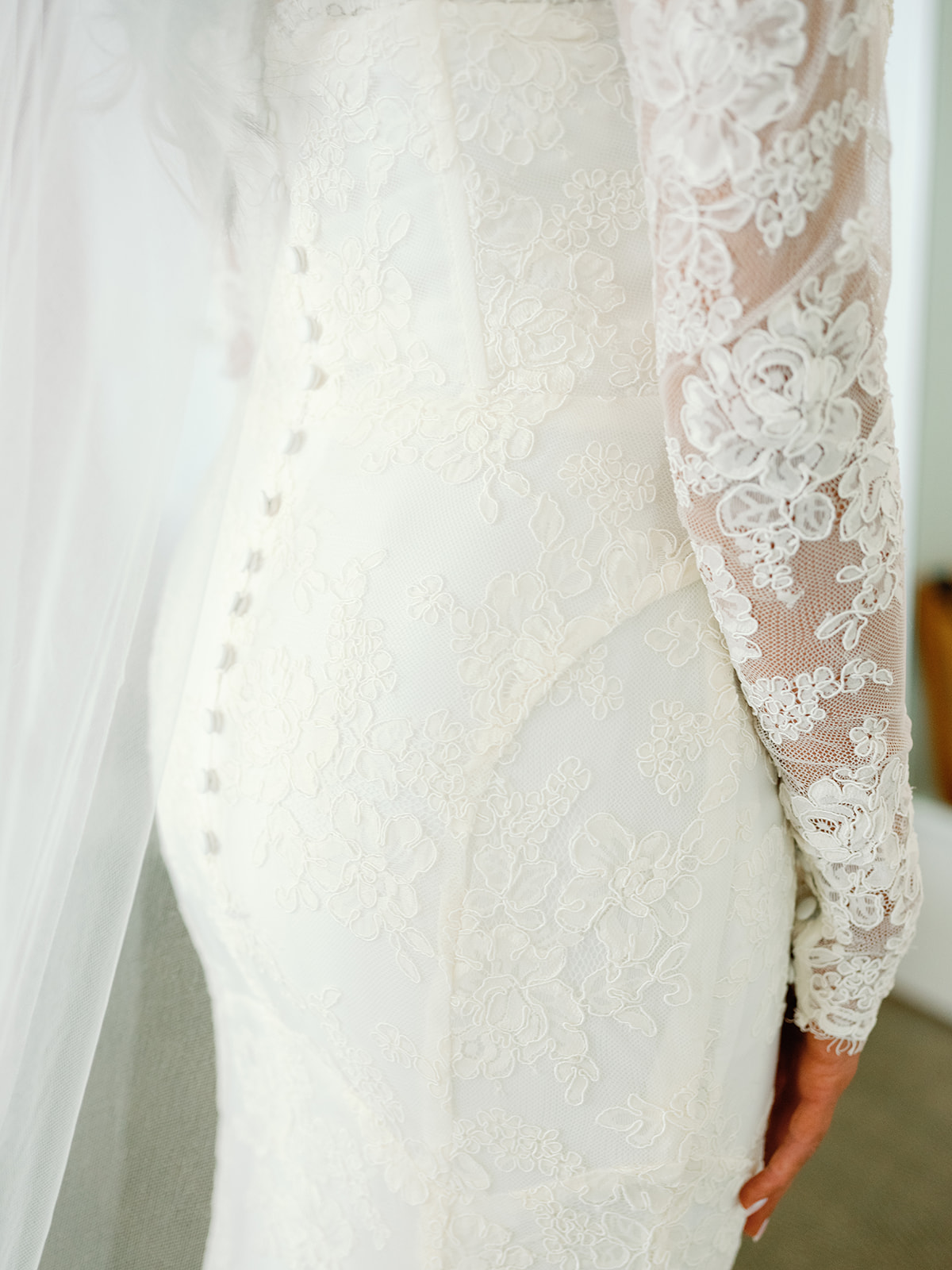
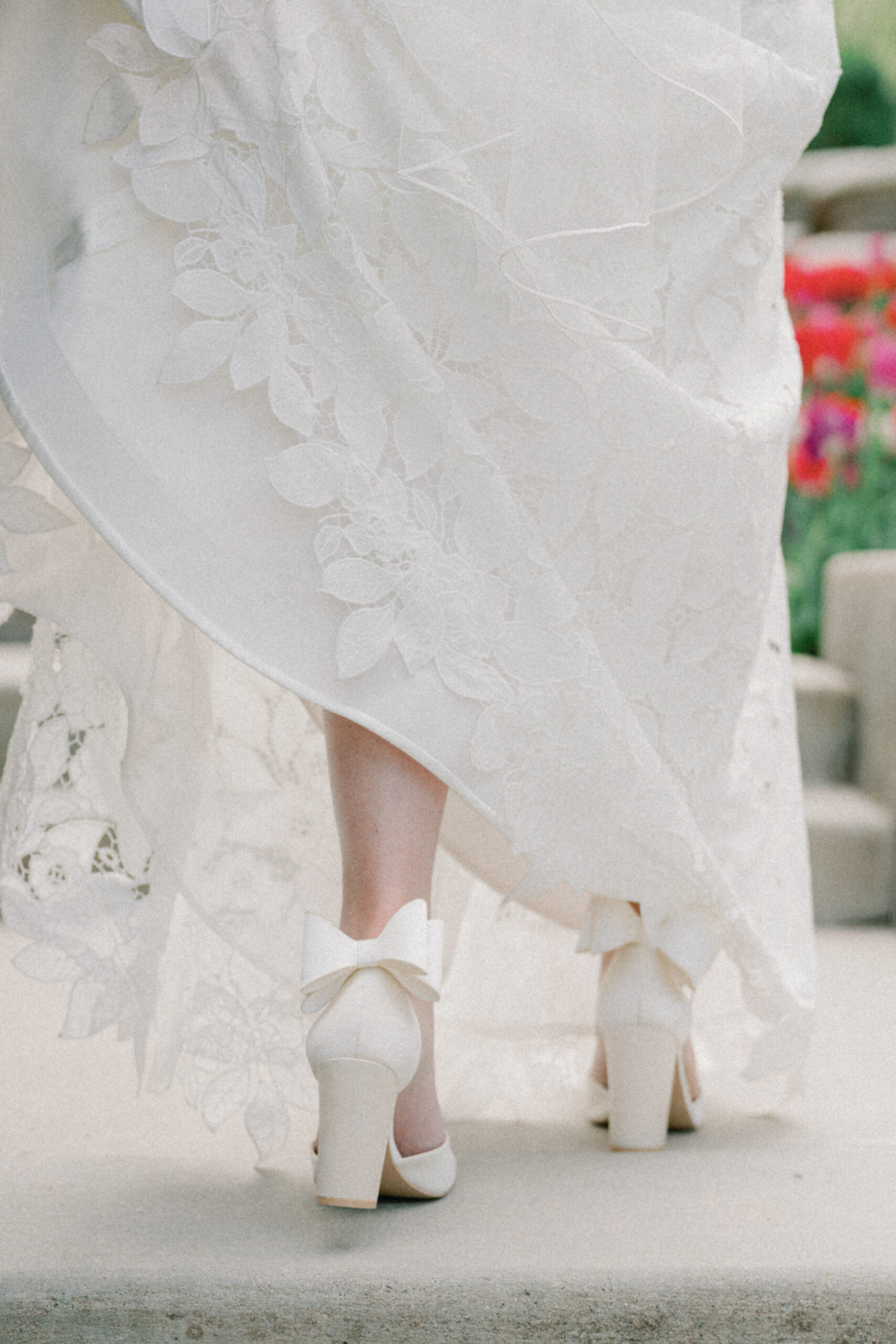
The White Wedding Dress
Of all the wedding traditions that feel eternal and inevitable, the white dress is one of the most recent — and its origin is one of the most specific. Before 1840, brides wore their best dress in whatever color it happened to be. Blue was actually a popular choice in medieval Europe, associated with purity and devotion to the Virgin Mary. Red was worn across many cultures as a symbol of celebration and good fortune. The idea that a bride’s dress must be white simply did not exist.
Then Queen Victoria married Prince Albert on February 10, 1840, wearing a white satin gown trimmed with Honiton lace. The choice was deliberately unconventional — white was not the expected color for royal ceremony dress at the time — and the wedding was so widely reported and so deeply influential that the fashion cascaded through society with remarkable speed. Within a generation, white had become the expected bridal color across the Western world, and the cultural association of white with bridal purity had been established firmly enough to feel ancient.
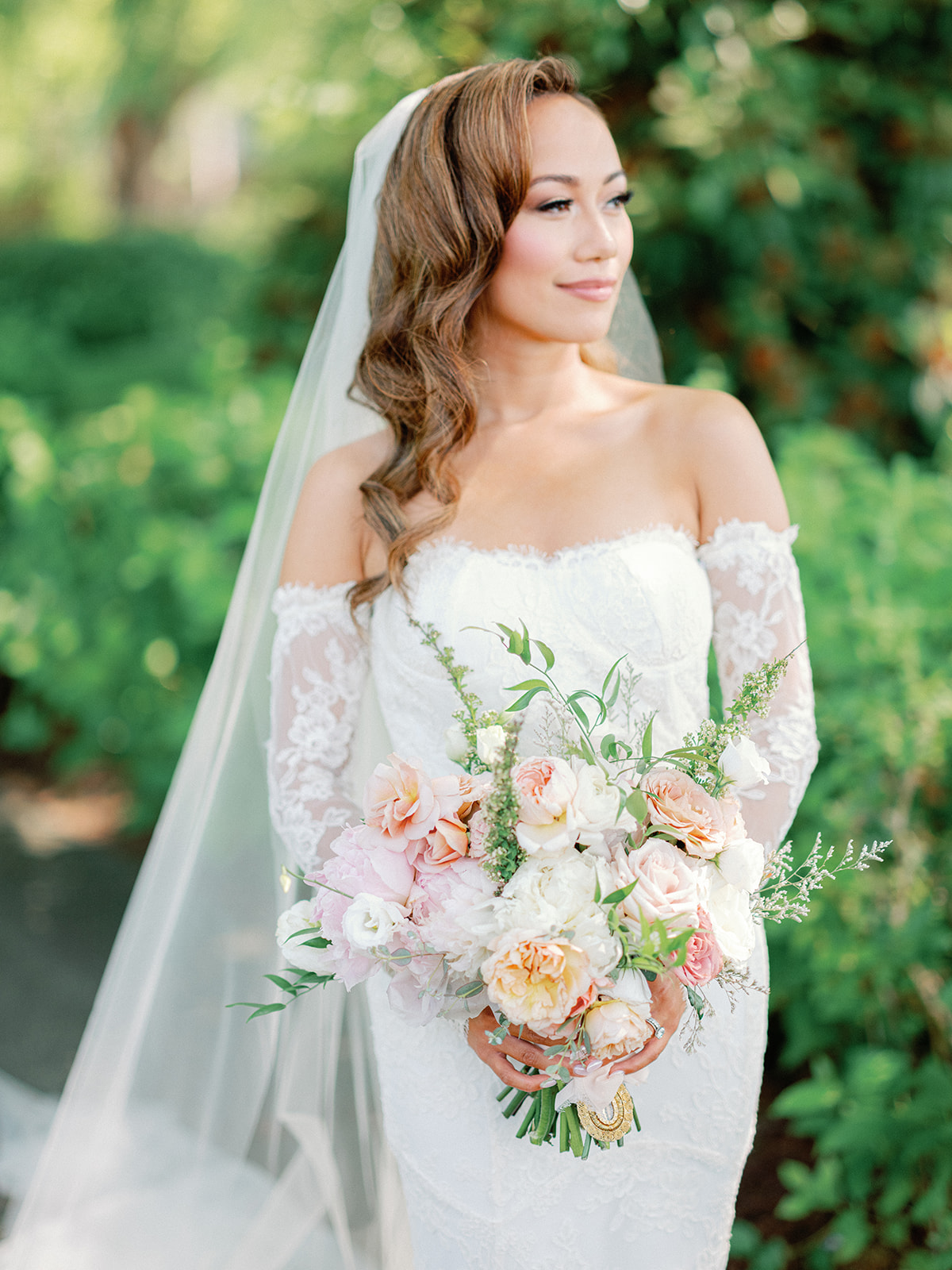
What is genuinely interesting about this history is how recent it is, and how much the meaning attached to white evolved after the fact. The purity symbolism that most people assume is the ancient reason for the white dress is largely a post-Victorian construction layered onto what was originally a fashion choice by one very influential royal bride. Queen Victoria chose white partly because it photographed well, partly because it showed off the lace she wanted to celebrate, and partly because it was unusual enough to make a statement. The symbolism came later.
Today, the wedding dress exists in every color imaginable — ivory, champagne, blush, sage, dusty blue, and the occasional bold red or black — and the choice of color has become one of the most personal expressions of a bride’s aesthetic identity. From a photography standpoint, I find that off-white and blush tones photograph with particular warmth and richness in natural light, while pure white can be tricky to expose correctly in bright outdoor conditions. Whatever color you choose, choose it because it makes you feel exactly like yourself, and we will make it look beautiful.
The Wedding Veil
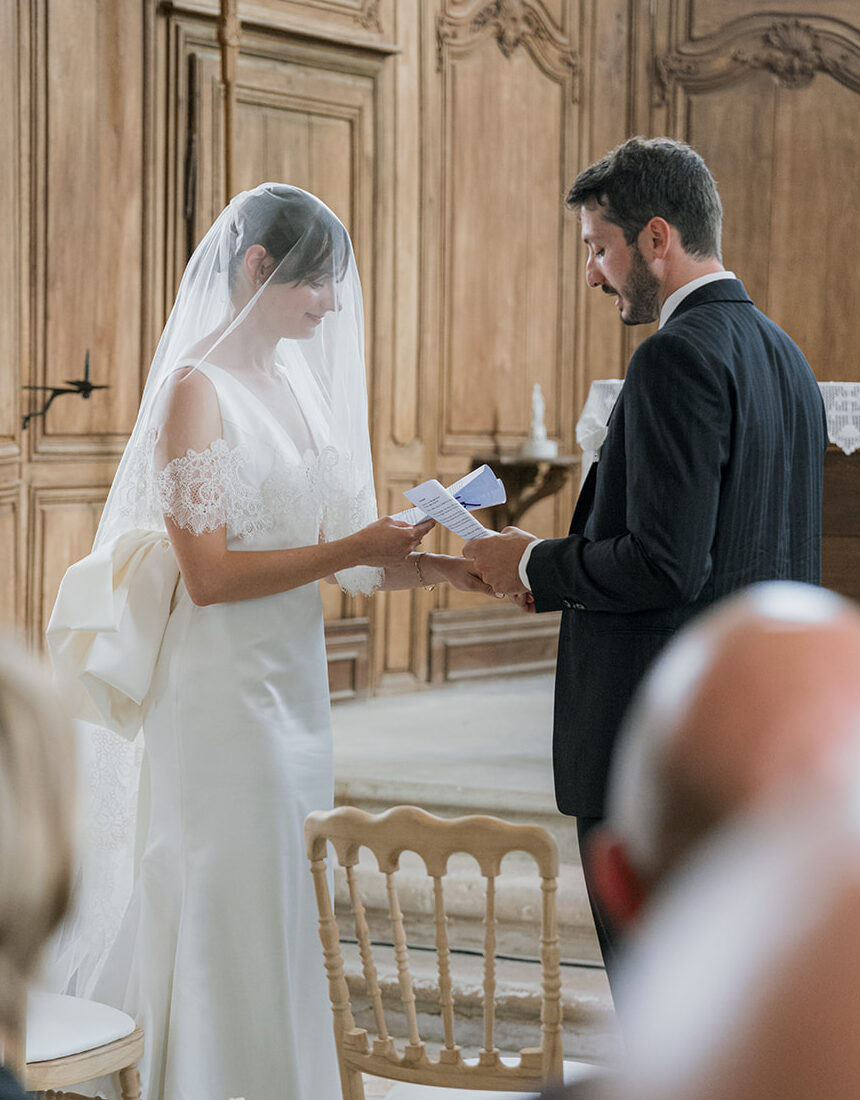
The veil is older than the white dress by several thousand years, and its origins are considerably darker than its romantic modern associations suggest. In ancient Rome, the flammeum — a flame-colored veil that covered the bride from head to foot — was worn as protection against evil spirits believed to be attracted to happy occasions. The idea was that malevolent forces seeking to harm the bride on her wedding day could not find her if she was concealed beneath the veil. The color was chosen because fire was believed to ward off spirits — making the Roman bridal veil essentially a supernatural defense mechanism.
In ancient Greece and Rome, veils were also associated with submission and modesty — the idea that a bride was being transferred from her father’s authority to her husband’s, and that the veil represented her passing from one protection to another. In many religious traditions, this meaning of reverence and modesty carried forward into medieval Christian ceremony, where veils became associated with a woman’s virtue and her consecration to the marriage.
The birdcage veil — one of my personal favorites from a photography standpoint — has its most fashionable origins in the 1930s and 1940s, when Parisian milliners began incorporating small net veils into hats and headpieces as part of the broader influence of Art Deco aesthetics on fashion. They became specifically associated with bridal styling in the 1950s and have experienced multiple revivals since. The birdcage veil photographs with a glamour and a specificity of vintage character that longer veils do not achieve — the pattern of the netting against the bride’s face in the right light is genuinely extraordinary.
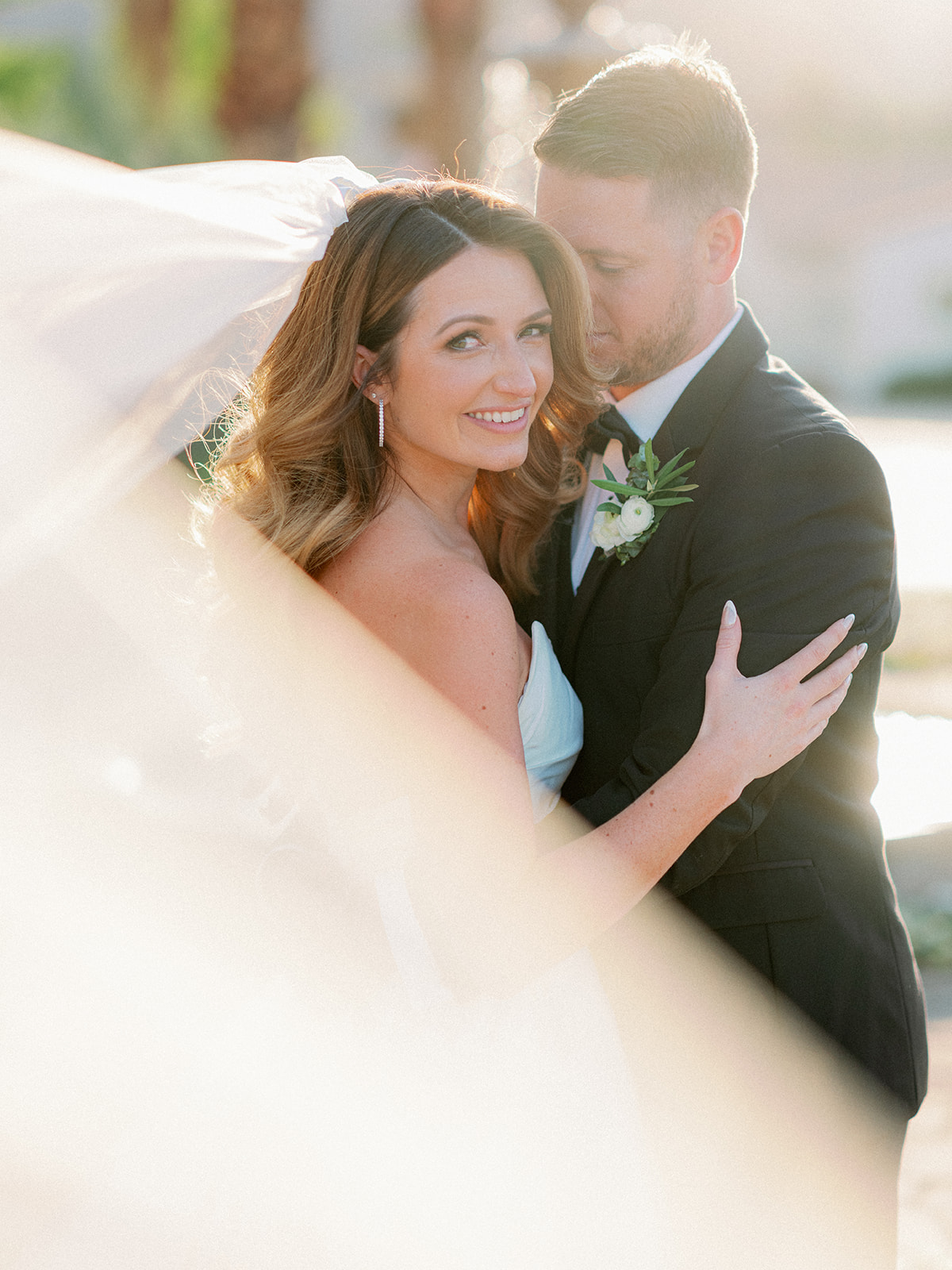
The cathedral veil — extending beyond the length of the dress’s train — is the most dramatic and most formally photogenic option for traditional ceremonies. The moment the doors open and the full length of a cathedral veil is visible down the aisle is one of the most powerful single images from any formal church wedding, and the movement of a long veil in outdoor portraits, particularly when there is any wind, produces images of genuine dynamism and beauty that shorter veils simply cannot replicate.
Many modern brides choose to wear a shorter or more informal veil for the ceremony and change to a longer, more dramatic veil for formal portraits — a practical and beautiful solution that I have seen work extraordinarily well at many of the weddings I photograph. The veil change itself, that moment of a bridesmaid pinning on the longer piece, is always worth photographing.
Bridesmaids and Groomsmen
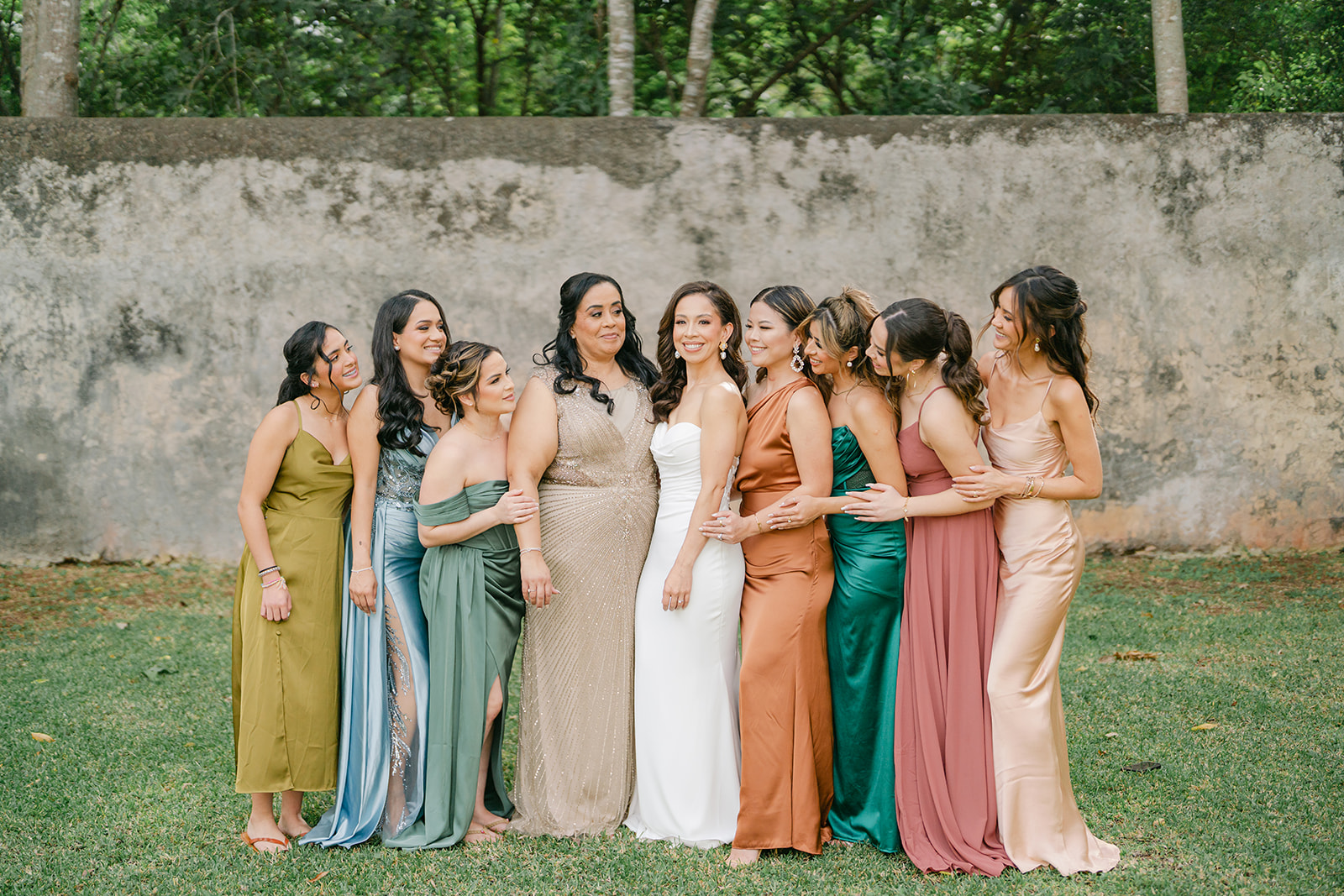
The modern wedding party — a group of the couple’s closest friends and family standing beside them as they marry — has origins that are considerably more pragmatic and considerably less sentimental than the role looks today.
In ancient Rome, the law required ten witnesses at a wedding ceremony in order for the marriage to be legally valid. These witnesses dressed identically to the bride and groom — a deliberate strategy intended to confuse evil spirits who might seek to harm the couple on their wedding day. If the spirits could not identify which of the ten white-robed women was the actual bride, they could not target her. The bridesmaids were, in their original conception, human decoys.
The groomsmen’s original function was even more explicitly pragmatic. In early northern European cultures, when marriages were frequently arranged or even conducted by capture, the groom’s closest male companions — the “bride’s knights” who would later become the groomsmen — served as an actual armed guard. Their job was to prevent the bride’s family from interfering with the abduction, to protect the groom from retaliatory attack, and to ensure that the marriage was completed before anyone could stop it. The best man was specifically the most skilled fighter among the groom’s companions — the one most capable of defending the groom if the ceremony was interrupted.
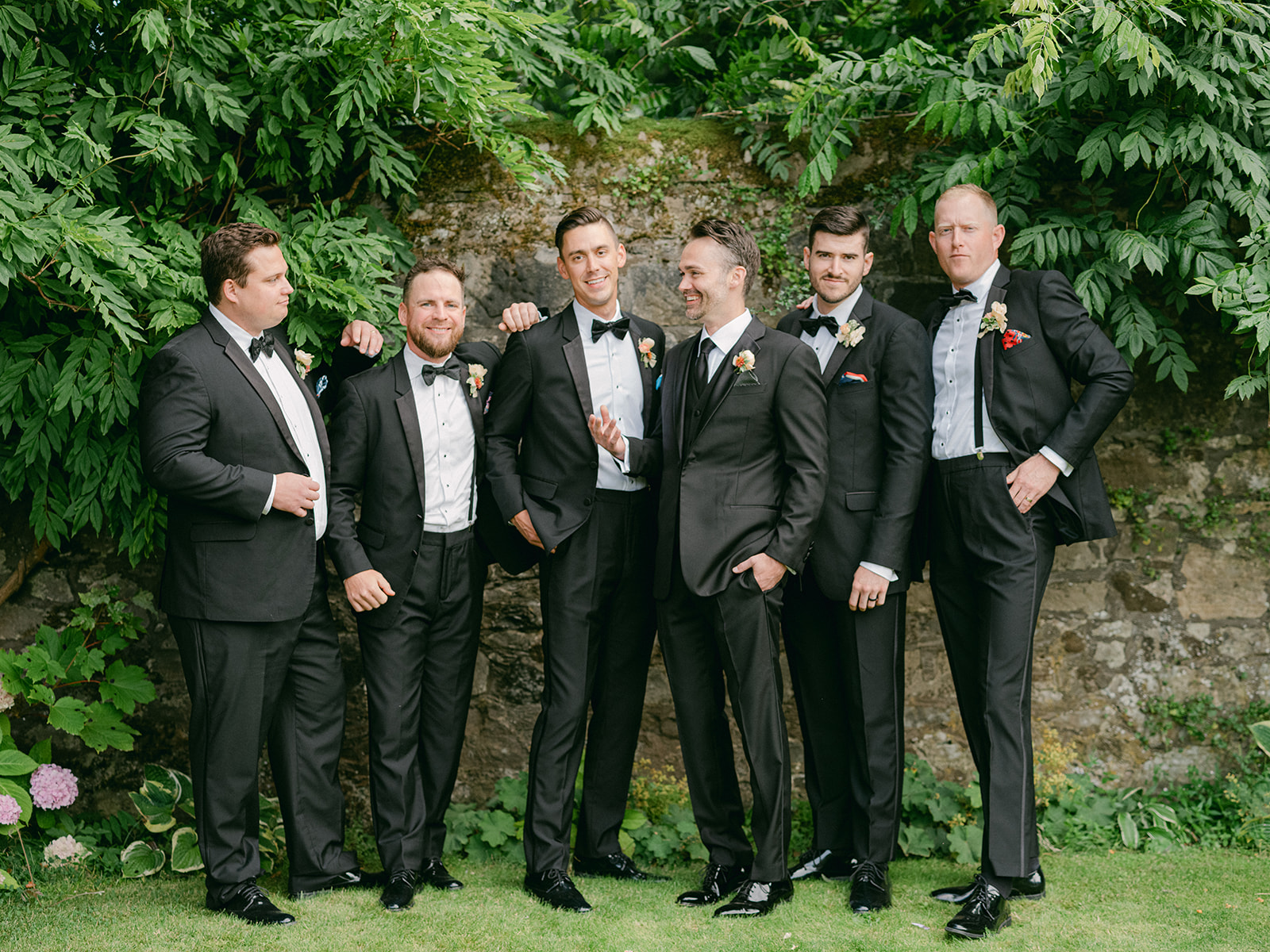
The tradition of the best man standing at the groom’s right side during the ceremony is a direct descendant of this function — the right hand was the sword hand, and keeping it free and accessible was a practical necessity. The throwing of the bouquet — originally the bride throwing something, anything, to distract the pursuing crowd so she and the groom could escape — is another survival from this same tradition of the wedding as a potentially contested event that required physical protection.
Today, of course, the wedding party serves an entirely different purpose — one of emotional support, celebration, and the gathering of the most important people in the couple’s lives at the most significant moment of that life. The photographs of a wedding party at their most genuine — laughing, crying, dancing, holding each other — are some of the most joyful images I make at any wedding, and the quality of those images reflects the real depth of the relationships in the frame rather than any particular staging.
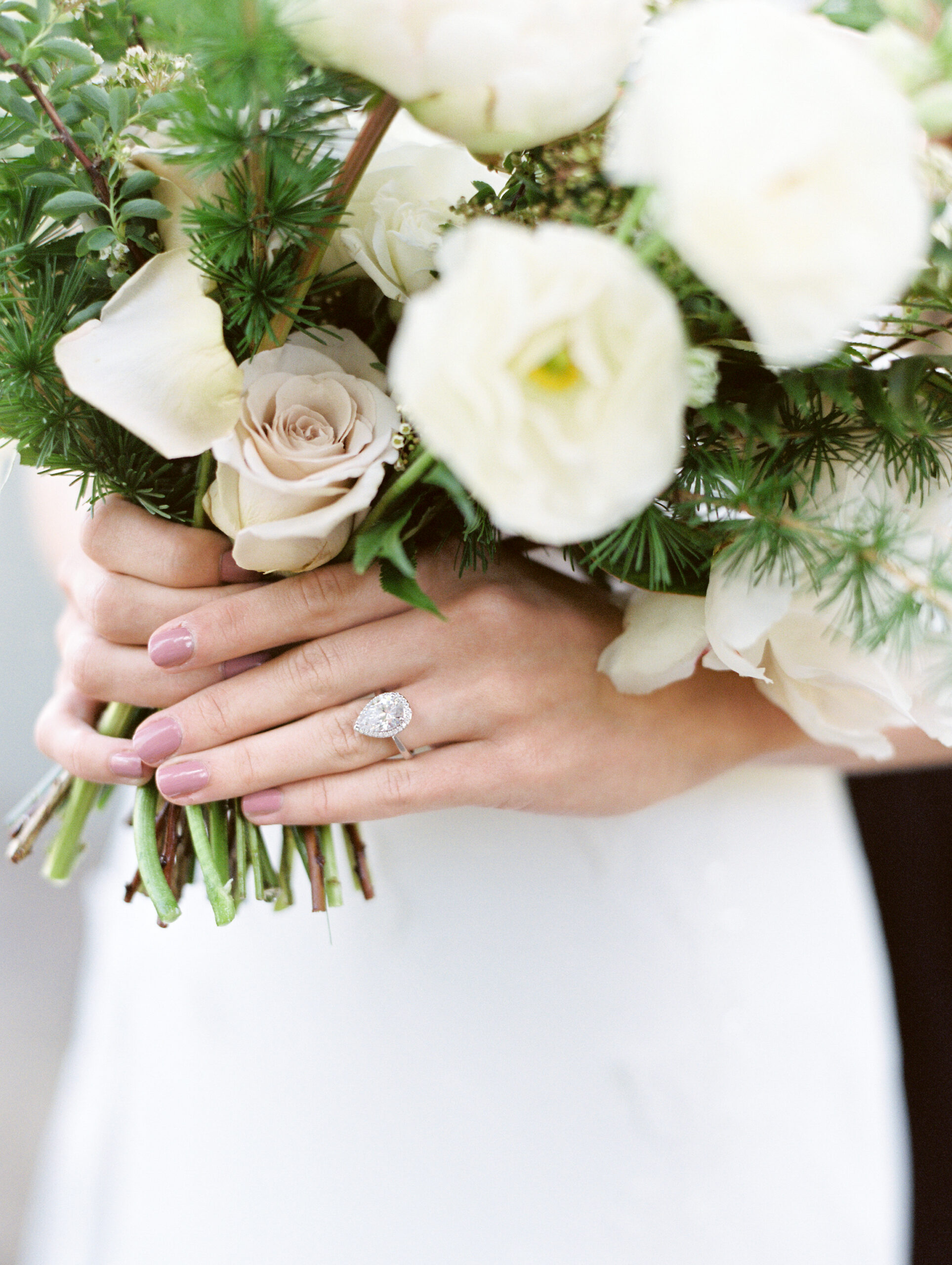
The Wedding Ring
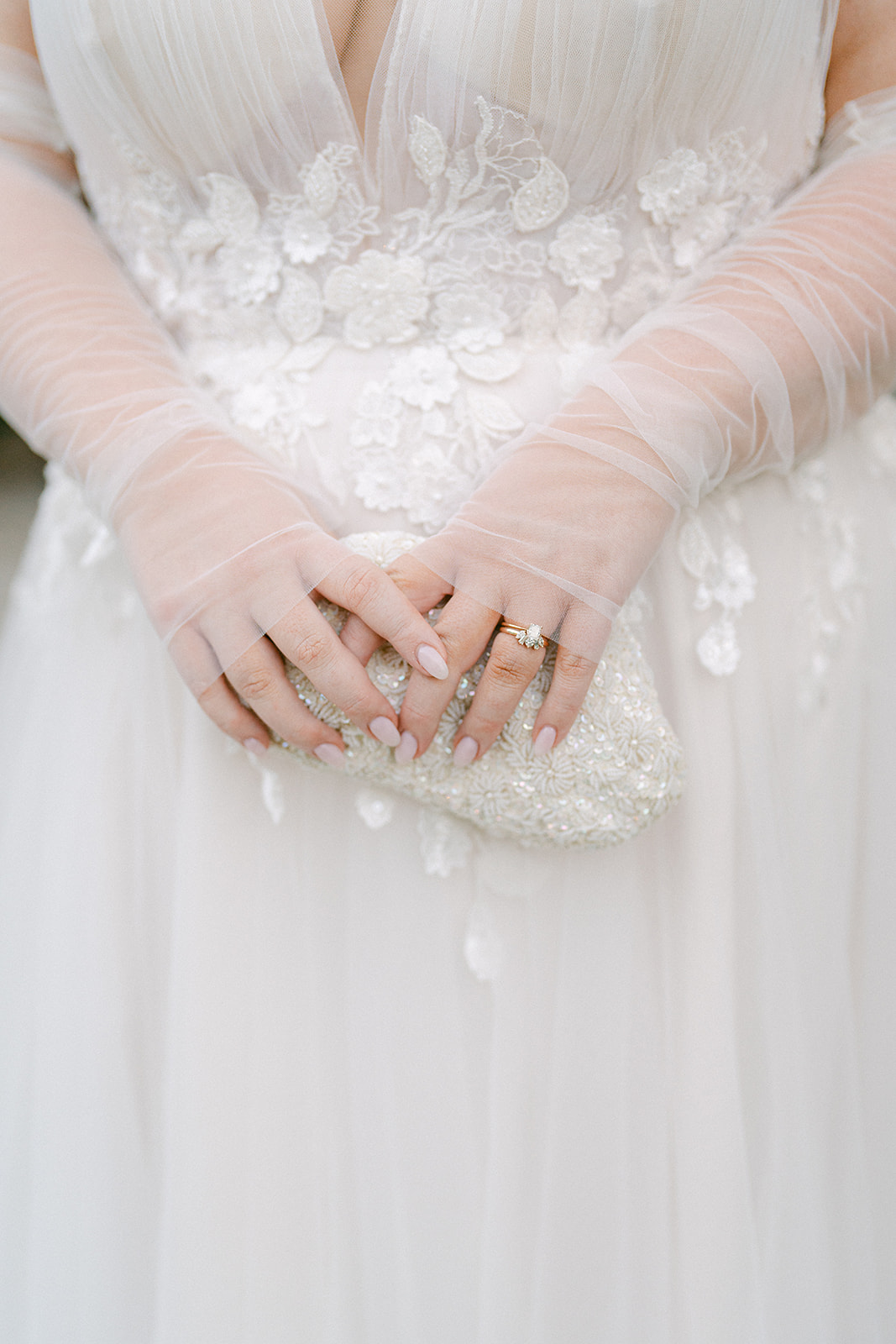
The exchange of rings is among the oldest of all wedding traditions, with documented evidence of ring exchange ceremonies dating back more than 4,800 years to ancient Egypt. Egyptian couples exchanged rings woven from reeds, rushes, and hemp — materials chosen for their circular form, which was itself the symbol of eternity in Egyptian cosmology. The circle has no beginning and no end, and the act of placing it on the finger represented a commitment of equivalent permanence.
The specific finger on which the ring was worn — the fourth finger of the left hand — comes from a Roman belief documented by the physician Macrobius in the 4th century AD: the vena amoris, or vein of love, was believed to run directly from this finger to the heart. While modern anatomy has thoroughly disproven the existence of any such direct vascular connection, the tradition of the left ring finger has persisted through the specific power of a beautiful idea. Many cultures around the world wear wedding rings on the right hand — notably Germany, Russia, India, Spain, Greece, and Norway — and both traditions are equally ancient and equally meaningful.
The diamond engagement ring has a considerably more recent and considerably more commercially constructed history. Diamonds were not consistently associated with engagement until De Beers launched its famous “A Diamond is Forever” marketing campaign in 1947 — one of the most successful advertising campaigns in history, which transformed a gemstone that had previously been one luxury option among many into the culturally expected symbol of romantic commitment. Understanding this history does not diminish the beauty of a diamond ring chosen with genuine love. It simply makes clear that the tradition is younger than most people assume, and that choosing a different stone — sapphire, emerald, ruby, opal, or any other — carries no less meaning and often considerably more distinctive beauty.
From a photography standpoint, I spend meaningful time on ring detail photographs at every wedding, and the images I find most compelling are the ones where the ring tells a story — an antique setting with its own history, a stone in an unexpected color, an engraving inside the band visible only when it is held a certain way. The ring that is most photographically interesting is always the one that is most specifically chosen.

The First Look vs. Seeing Each Other at the Altar
The tradition of the groom not seeing the bride before the ceremony is one of the most frequently questioned and most rapidly changing of contemporary wedding customs, and its origins are almost universally surprising to the couples who observe it without knowing where it came from.
The tradition originated in the context of arranged marriages — which were, for most of Western history, the standard form of marital negotiation rather than the exception. In arranged marriages, the groom frequently had not met the bride before the wedding day, and the decision to delay his view of her until the ceremony was already underway — until the vows were either spoken or imminent — was a practical measure designed to prevent him from rejecting the arrangement before it was completed. The superstition about bad luck was a later overlay on what was originally a contractual precaution in a system where marriages were property transactions as much as personal commitments.
Once you understand this origin, the contemporary trend of the first look — a private, planned moment between the couple before the ceremony begins — becomes not a break with tradition but a return to the actual spirit of the wedding day: two people who genuinely chose each other, meeting with full knowledge and full intention in a moment of genuine emotional significance.
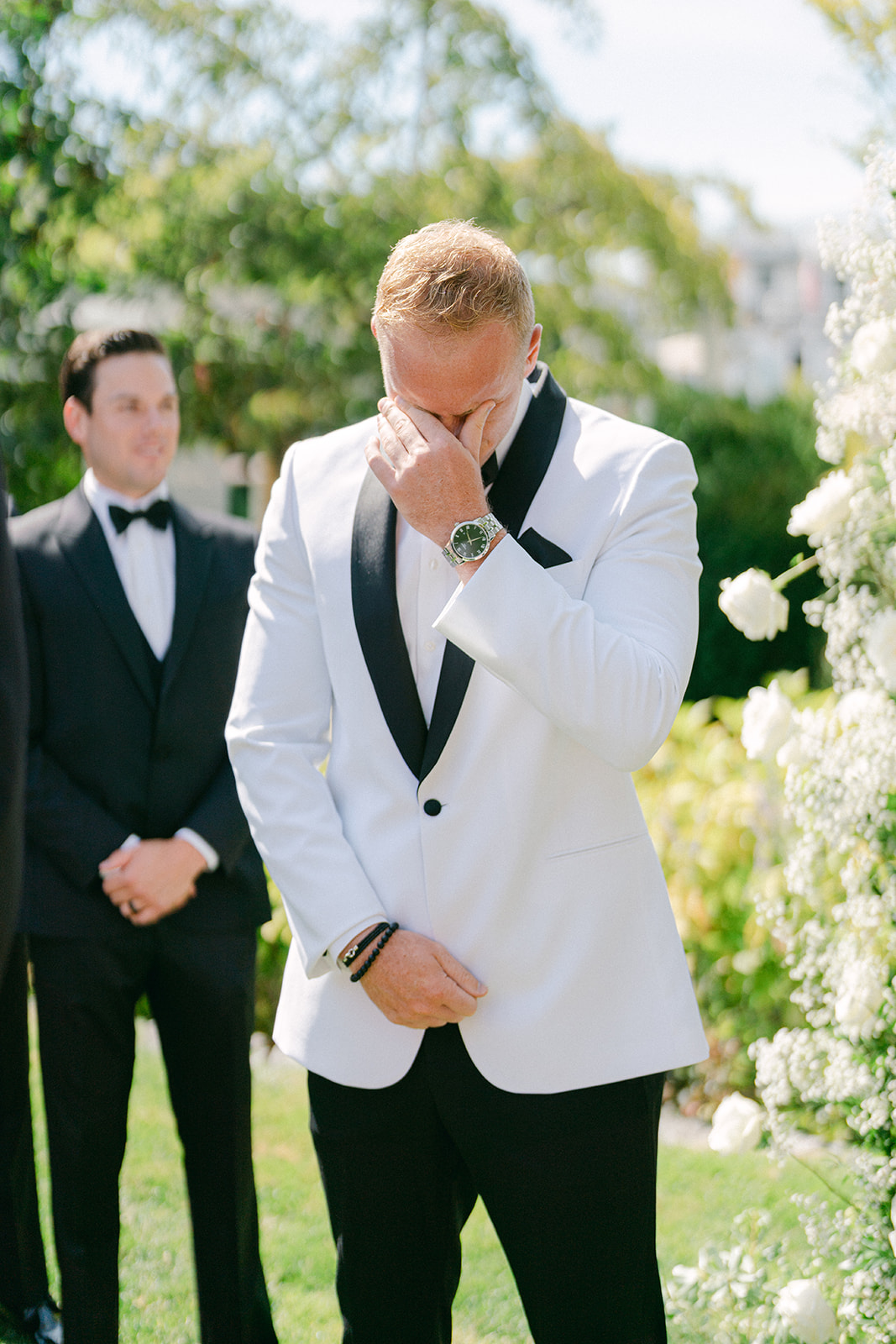
I am an advocate for the first look from a photography standpoint, and I have written about this at length here on the blog, but the short version is this: the first look gives me a private, unhurried moment with the couple at their most emotionally open, in conditions I can control for light and backdrop, before the public ceremony introduces the additional layer of performance anxiety that comes from exchanging vows in front of everyone you know.
The images from first looks are consistently among the most emotionally genuine and most technically beautiful images from any wedding gallery. The groom’s face when he turns and sees her for the first time is the photograph that couples print the largest, and I have never had a couple who did a first look tell me they wished they had waited.
That said, the moment of seeing each other at the end of the aisle — the groom’s expression when the doors open — is one of the most powerful ceremony images available, and for couples for whom that public, witnessed moment is the point, waiting is absolutely the right choice. The emotional power of the altar reveal, experienced with the full congregation watching and participating, is something the private first look does not replicate in quite the same way. Both are genuinely beautiful. The right choice is the one that sounds like you when you say it out loud.
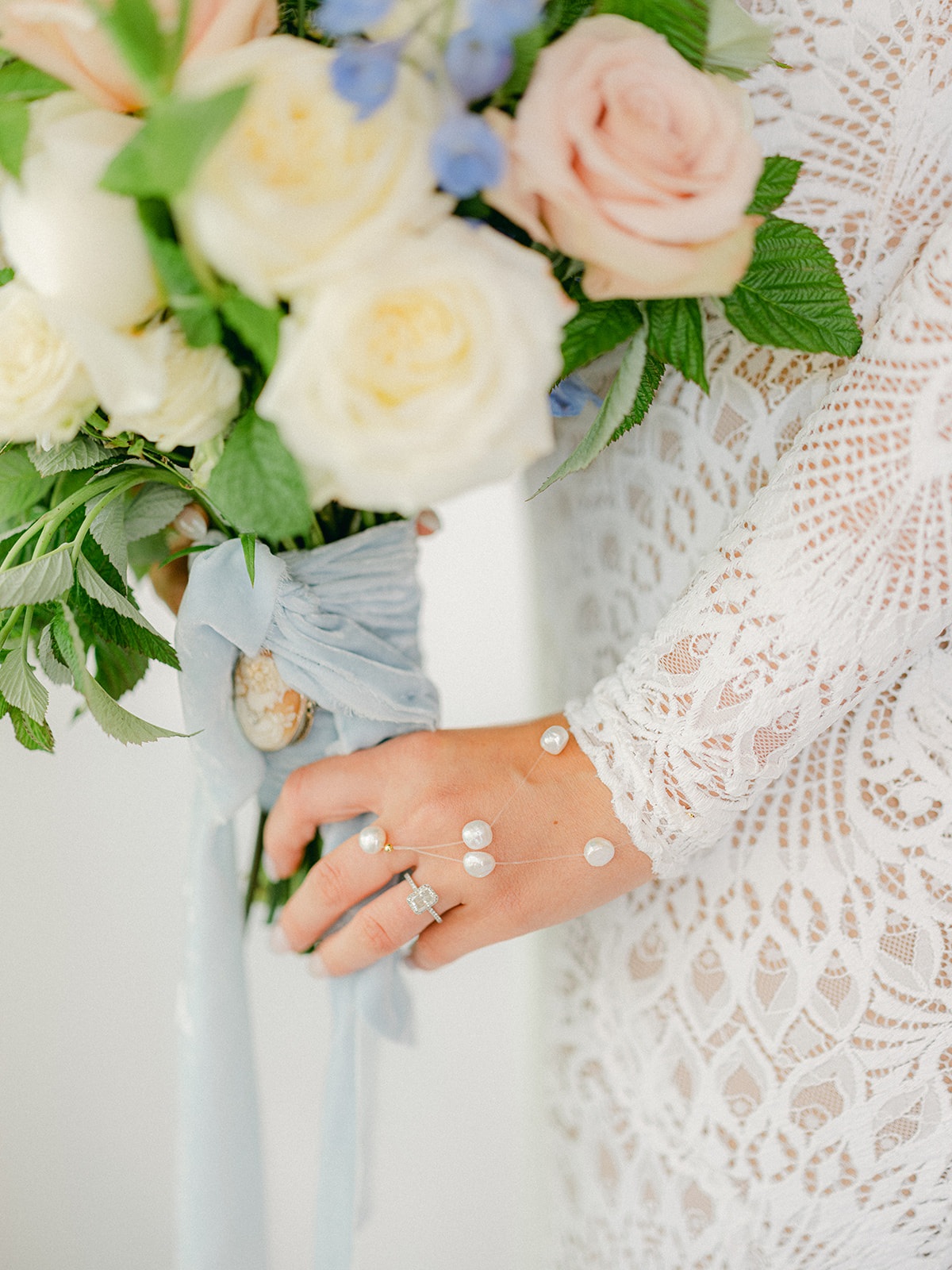
Something Old, Something New, Something Borrowed, Something Blue
This rhyme — familiar to virtually every English-speaking bride regardless of how seriously she intends to observe it — dates to Victorian England, where the full original version included a fifth item that has largely been forgotten: “and a silver sixpence in her shoe.” Each element carried a specific symbolic purpose within Victorian superstition.
Something old represented continuity — the bride’s connection to her past, her family, and the life she was bringing into the marriage. Something new represented optimism — the couple’s hope for their future together and the new life they were beginning. Something borrowed was specifically meant to be borrowed from a happily married woman, with the belief that some of her marital happiness would transfer to the new bride through the object.
Something blue represented fidelity and purity — blue having been the color of Mary’s robe in Christian iconography and therefore associated with devotion and constancy. And the silver sixpence in the shoe was a wish for prosperity — that the couple would never lack for material comfort in their new life together.
The meaningful modern evolution of this tradition is in how couples choose to interpret it. I have photographed weddings where the something old was the great-grandmother’s wedding ring worn as a bracelet, where the something borrowed was the mother’s cathedral veil, where the something blue was a handwritten note from the groom tucked into the bride’s bouquet, where the something new was the dress itself. When the tradition is approached with genuine intention rather than as a checklist, the items chosen become objects with real stories — and those stories are worth photographing and documenting as part of the wedding’s narrative.
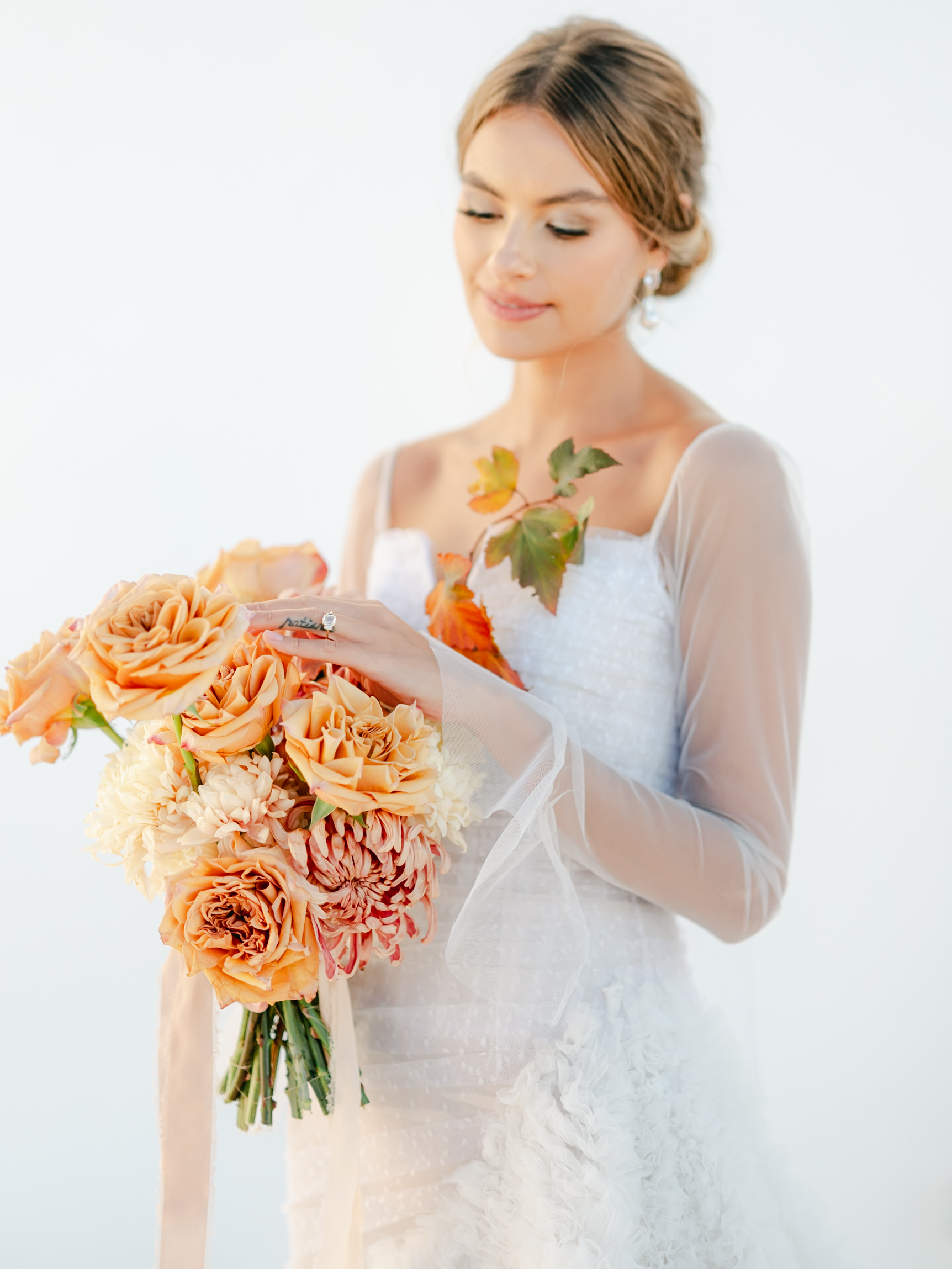
The Bridal Bouquet
The wedding bouquet is one of the oldest continuous wedding traditions, and its origins are considerably more practical — and more pungent — than its contemporary floral beauty suggests. In ancient Rome and Greece, brides carried bundles of herbs — garlic, dill, rosemary, and other strongly aromatic plants — believed to ward off evil spirits and protect the couple from bad fortune. The strong scent was thought to be specifically repellent to malevolent forces.
By the Middle Ages, the practical function had shifted to something more immediately understandable: in an era of infrequent bathing, large gatherings, and limited climate control, strongly scented herbs and flowers carried by the bride served as a personal fragrance solution. Orange blossoms, which became fashionable in the Victorian era as a bridal flower, were specifically associated with fertility and purity — Queen Victoria wore them at her wedding and, predictably, made them fashionable for a generation of subsequent brides.
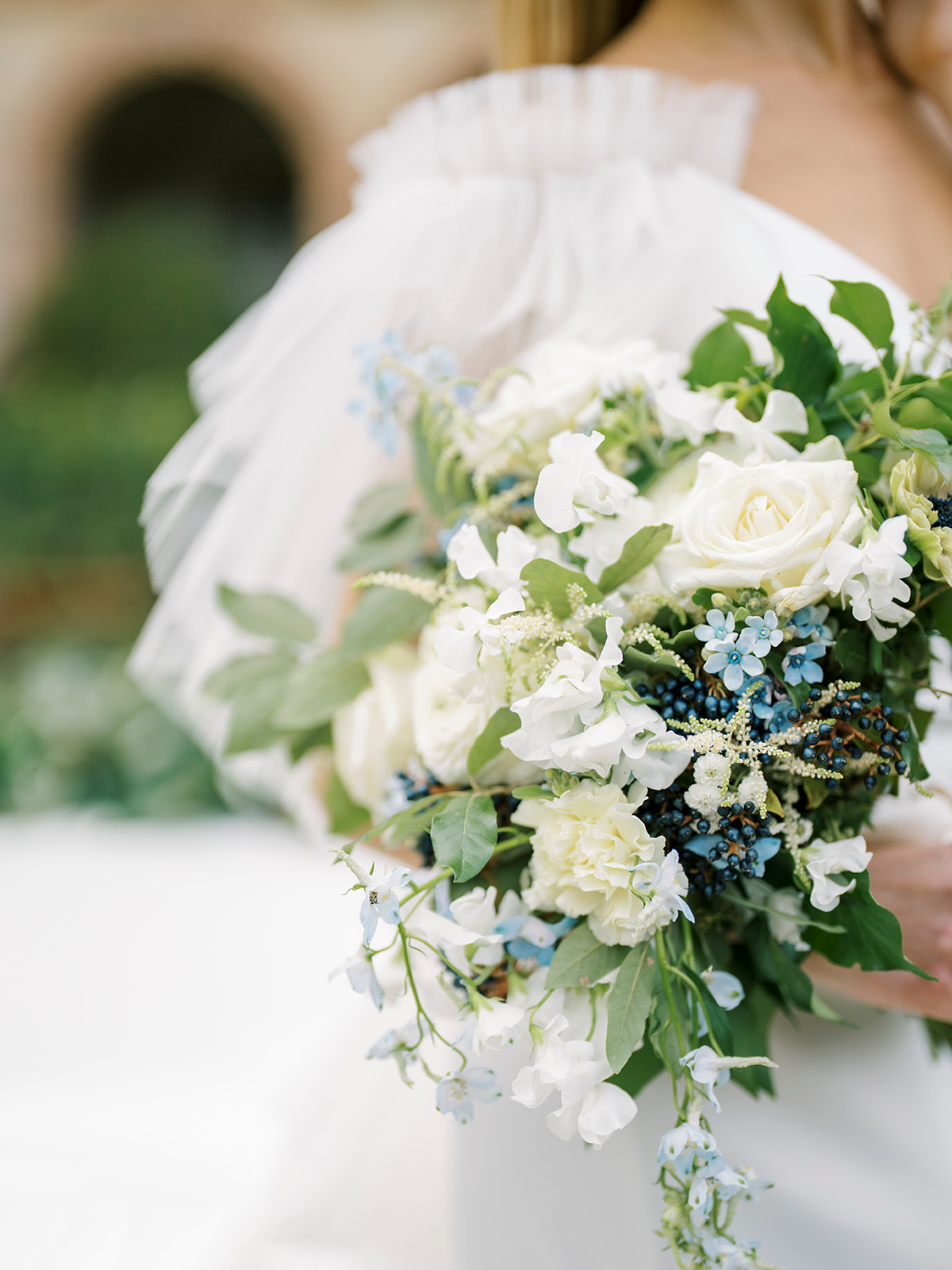
The tossing of the bouquet at the reception — still a beloved tradition at many weddings — originated in medieval England from a custom called “flinging the garter,” in which wedding guests literally grabbed pieces of the bride’s dress and accessories as good luck tokens, with the bride having to run to escape. The bouquet toss was a more graceful solution: the bride threw something toward the crowd and used the moment of distraction to make her exit. The belief that whoever catches the bouquet will be the next to marry is a later addition that transformed a practical escape strategy into a playful ritual.
The language of flowers — the Victorian practice of assigning specific meanings to different blooms and composing bouquets as coded messages — gave the wedding bouquet an additional layer of intentional symbolism that contemporary couples are increasingly returning to. Red roses for deep love, white lilies for purity, lavender for devotion, sweet peas for blissful pleasure, rosemary for remembrance. Asking your florist to incorporate meaningful blooms — flowers from your grandmother’s garden, the flower of your wedding destination, the bloom that was in season when you got engaged — gives the bouquet a personal story that the photographs can reflect.
Throwing Rice — and What It Has Become
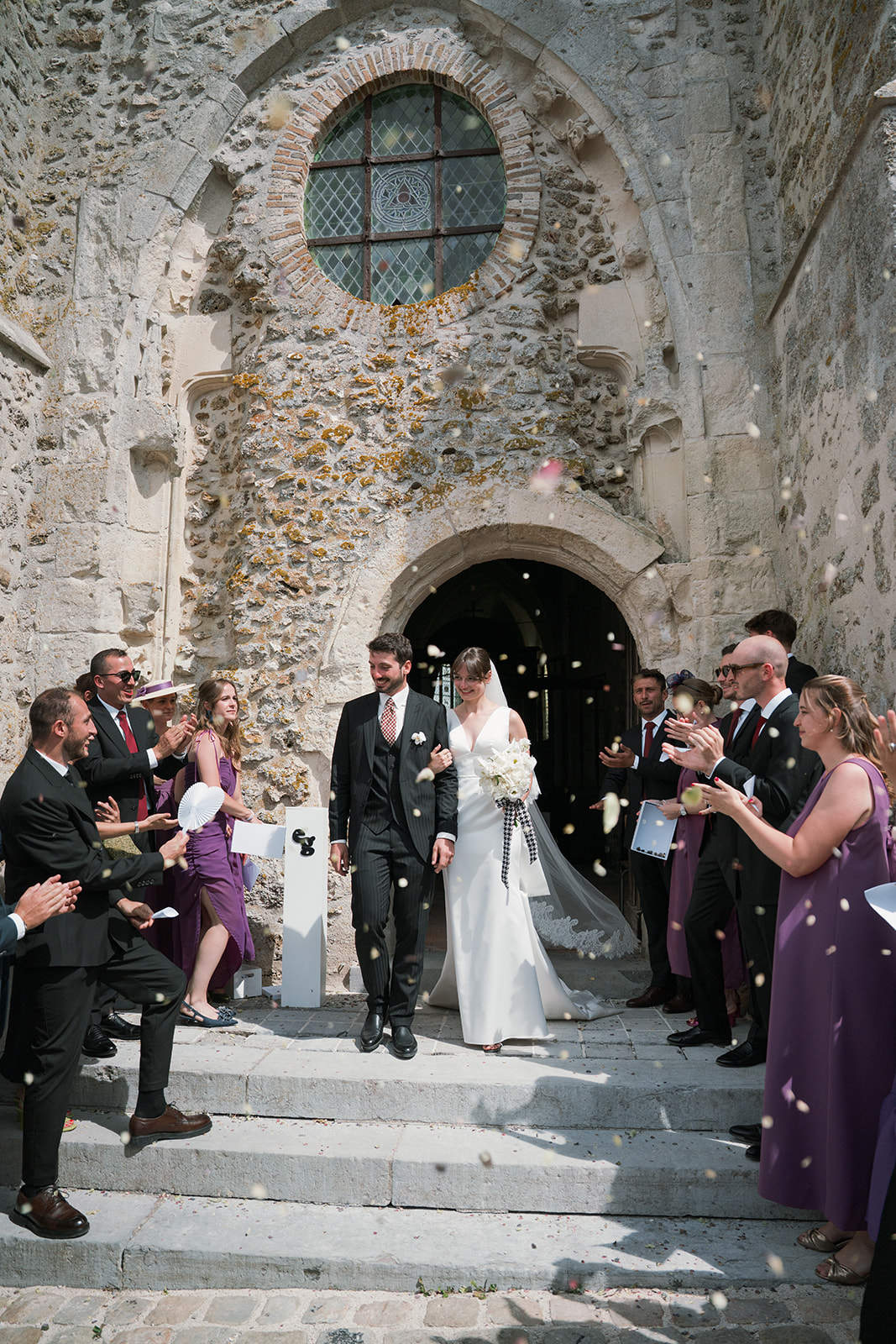
The tradition of throwing grain at newlyweds as they exit the ceremony is among the most globally widespread of all wedding customs, appearing in various forms across ancient Rome, India, China, and medieval Europe. In virtually every culture where it appears, the symbolism is consistent: grain — whether rice, wheat, oats, or barley — represented fertility, abundance, and the wish for prosperity and many children for the new couple. The act of showering them in grain was a collective blessing, the community expressing its hope for the couple’s future through the most valuable material most people had.
In contemporary weddings, rice has been largely replaced by alternatives that are safer for birds, more venue-friendly, and in many cases significantly more beautiful in photographs. Rose petals are the most classic substitute — the soft color and the delicate texture of scattered petals makes for images of genuine beauty, and the scent of rose petals falling around the couple is an experience guests reliably describe as one of the most sensory and most memorable moments of the day.
Lavender is similar in sensory effect and carries its own fragrance. Biodegradable confetti in pale colors photographs with a joyful, celebratory quality that rice never quite achieved. Bubbles create a shimmering, ethereal exit image. Sparklers — where the venue permits them — are among the most photographically dramatic send-off options available, the warm light of the flames against the night sky creating an image of genuine visual power.
The send-off photograph is one of the most important images from any wedding day, and the choice of what guests throw or hold directly affects the quality of that image. If great send-off photographs matter to you — and they are genuinely some of the most widely shared images from any wedding gallery — it is worth having a specific conversation with your photographer about which option will produce the best result at your specific venue, at the time of day your exit is planned, in the light conditions that will be present.
The Wedding Cake
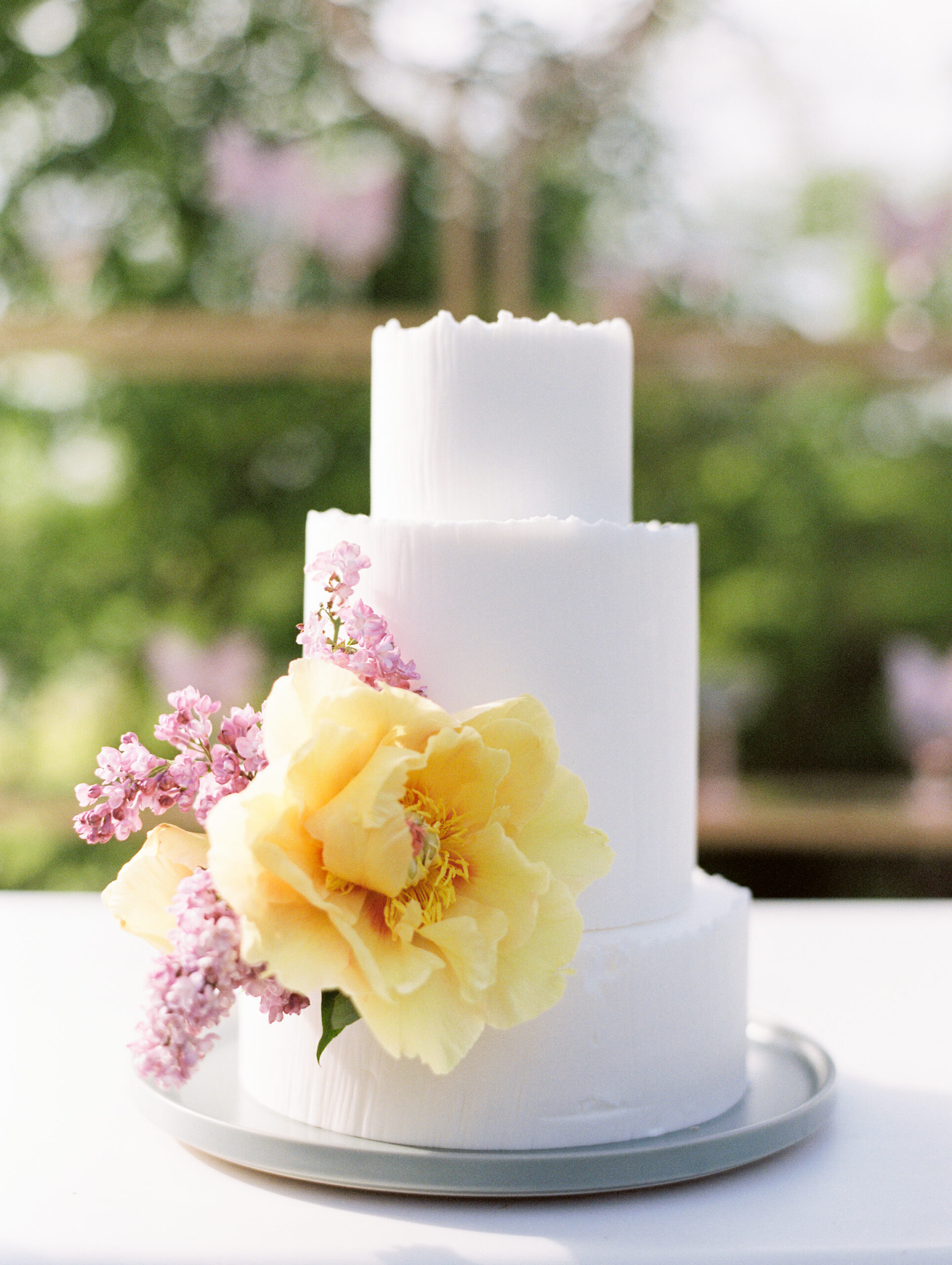
The modern wedding cake’s origins trace back to ancient Rome, where a small loaf of wheat or barley bread was crumbled over the bride’s head at the conclusion of the ceremony — a direct symbolic invocation of fertility and abundance, the grain again serving as the material expression of the community’s wish for prosperity. The guests scrambled for the crumbs, which were believed to carry some of the couple’s good fortune.
In medieval England, this evolved into a custom of stacking small cakes or buns as high as possible, with the couple attempting to kiss over the tower without knocking it down — success promising a lifetime of prosperity. A French patissier visiting London in the 17th century is credited with observing this custom and being inspired by it to create the first tiered wedding cake with icing — the architectural predecessor of the elaborate tiered cakes that became fashionable in the Victorian era.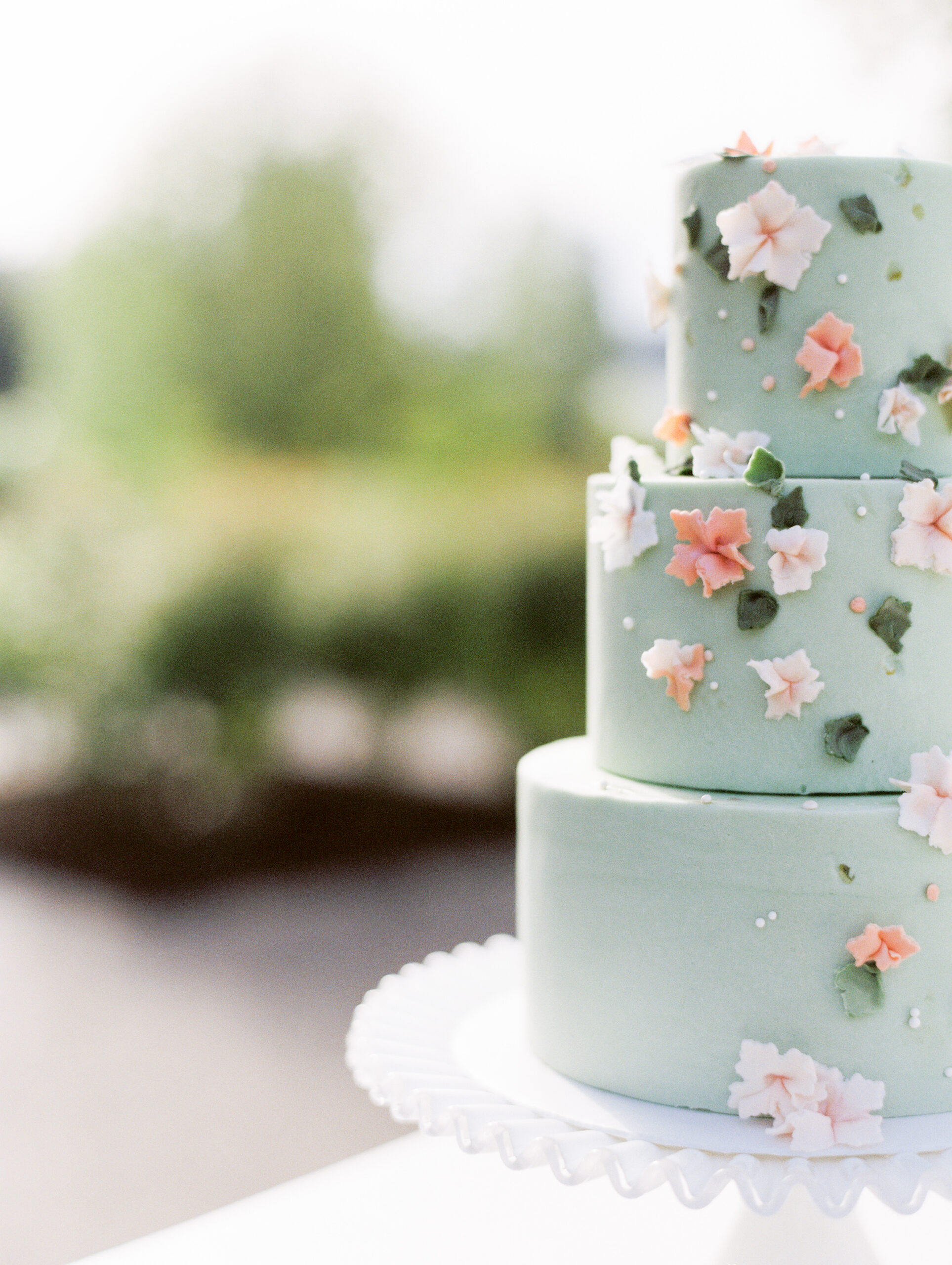
The white royal icing that covered Victorian wedding cakes was an expensive luxury — refined white sugar was a status symbol — and the richness and whiteness of a couple’s wedding cake communicated their social standing as clearly as anything else at the celebration. The tradition of preserving the top tier of the wedding cake for the first anniversary — or, in older tradition, for the christening of the first child — dates to this era, when the expense and effort of the cake made it genuinely precious.
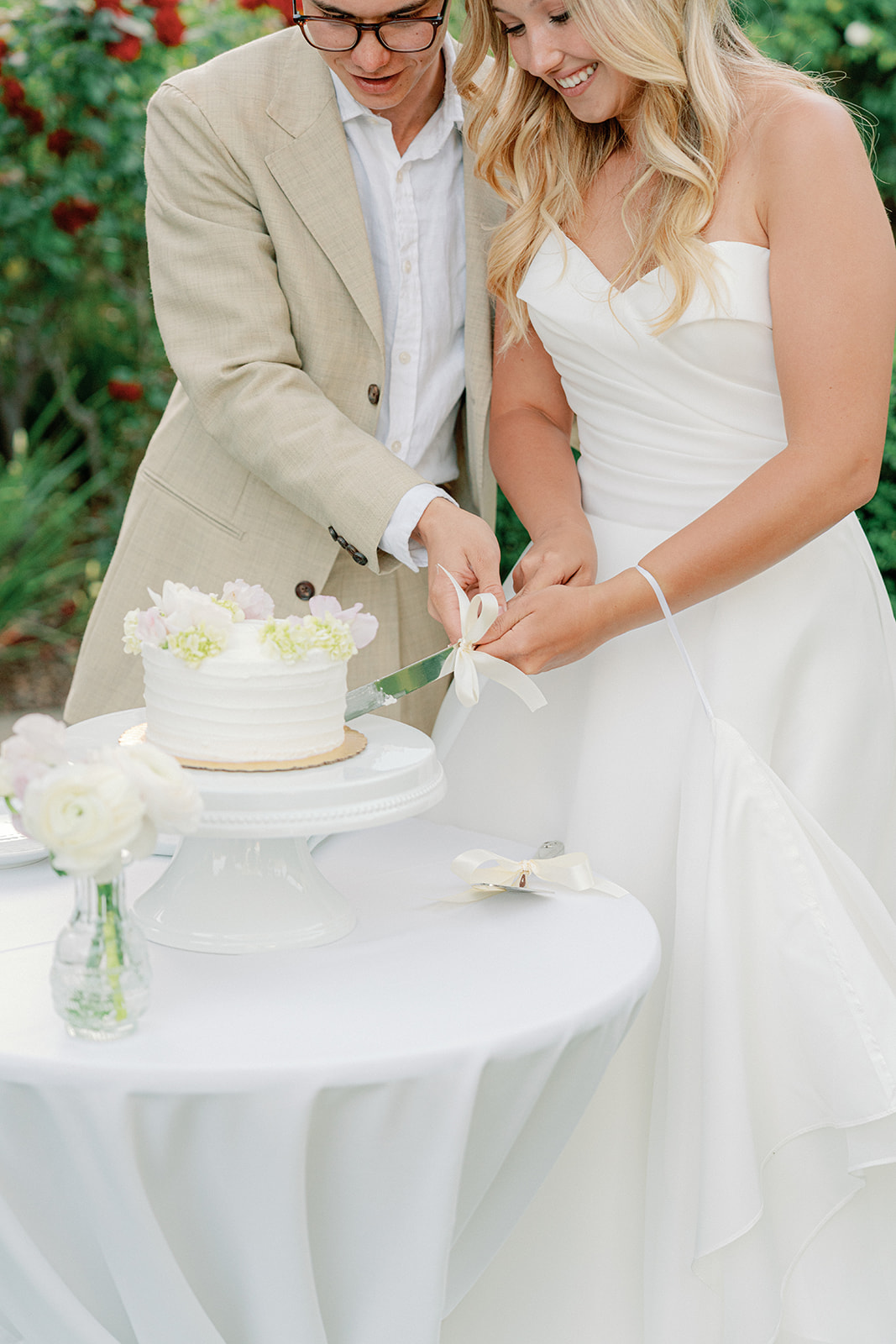
The cake cutting ceremony — the couple’s hands together on the knife, the first slice made jointly — represents the first task the couple completes as a unit and carries the symbolism of shared partnership and mutual support that will run through the marriage. The feeding of cake to each other, when done gently, represents nurturing. The smashing of cake into a spouse’s face — a contemporary addition that I have strong personal feelings about from a photography standpoint — is a modern invention with no historical precedent and consequences that are entirely predictable. I always gently suggest to couples that the clean, romantic cake cut is the one that photographs beautifully and that nobody regrets.
The Processional and the Act of Being Given Away
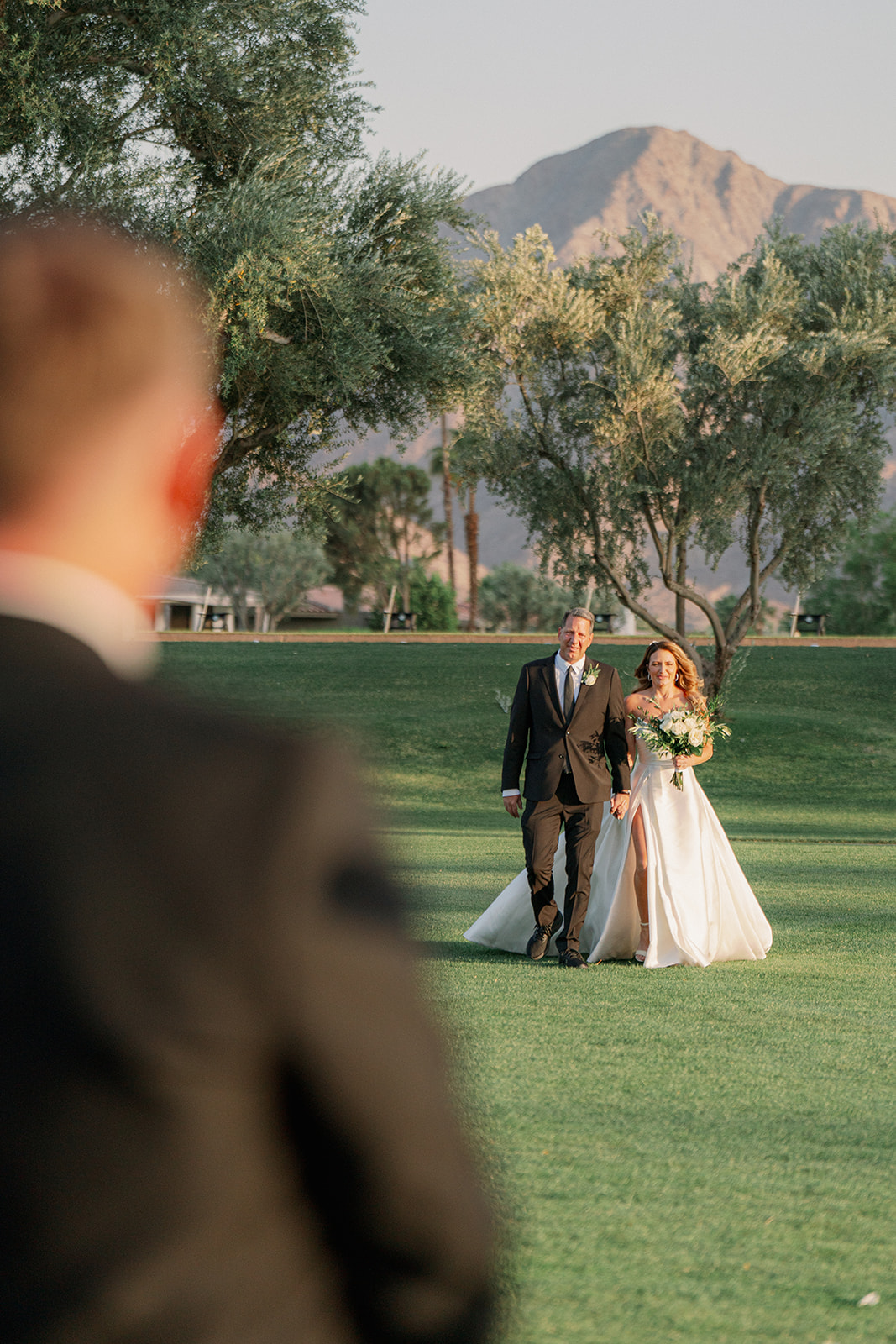
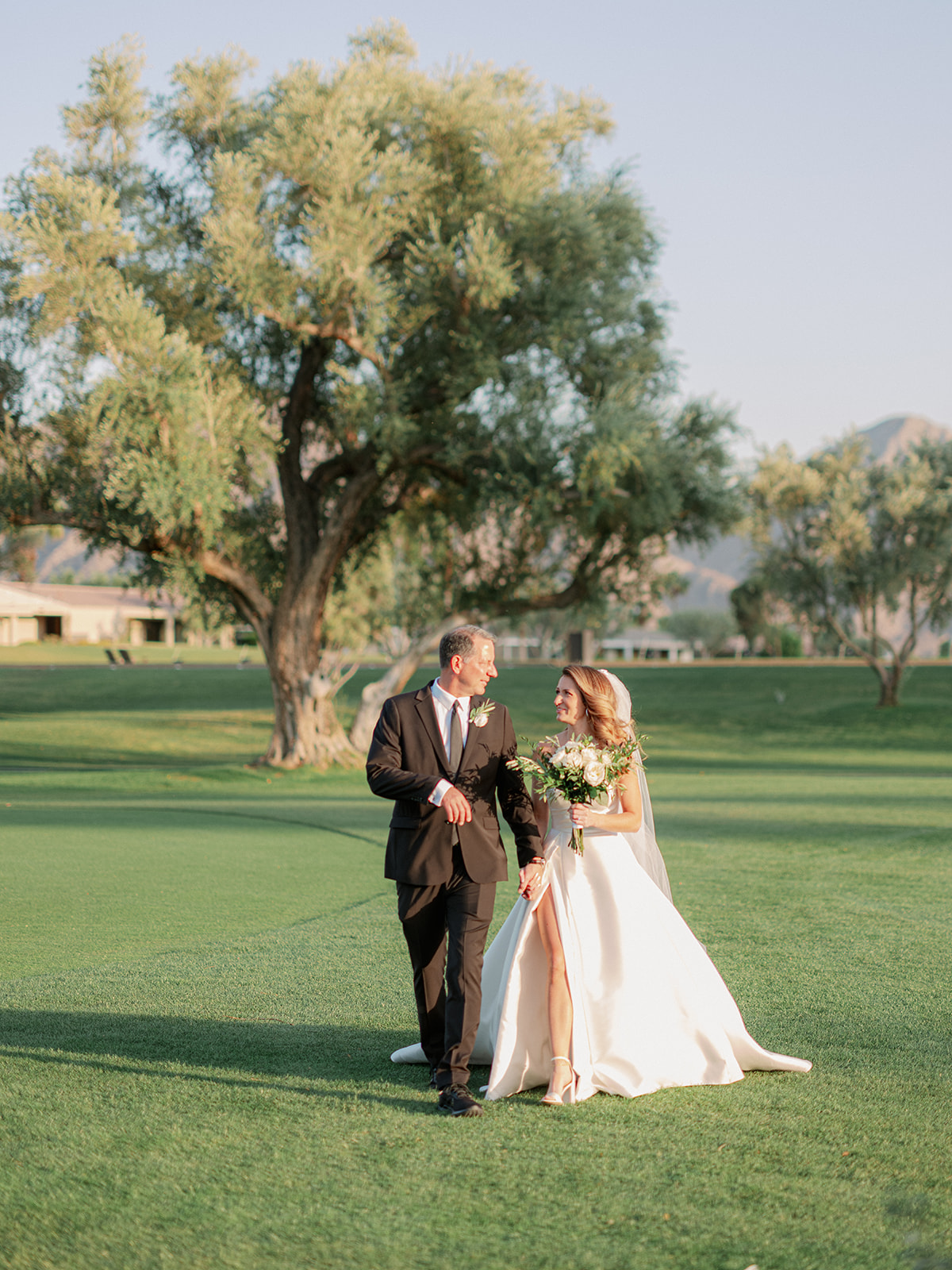
The tradition of the bride’s father walking her down the aisle and “giving her away” to the groom is one of the most emotionally resonant and most historically complex of all wedding customs, and understanding its origins helps couples decide honestly what version of this moment — if any — they want in their own ceremony.
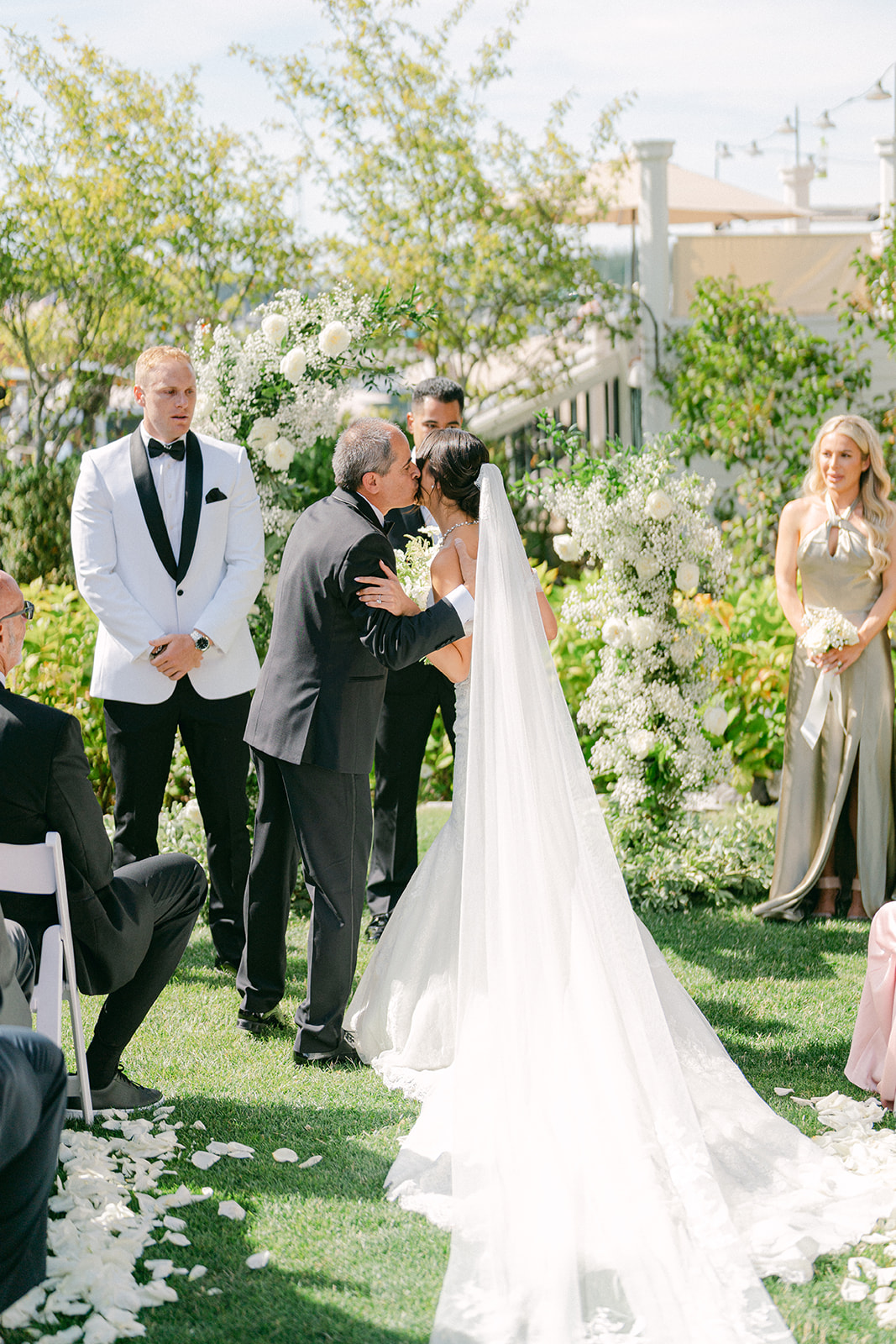
In its oldest form, the giving away of the bride was a legal transfer of property rights. Under ancient Roman and medieval European law, women were legally under the authority of their father until marriage, at which point that authority transferred to the husband. The physical act of the father presenting the bride at the altar was the ceremonial expression of this legal transfer — he was literally delivering her from one man’s legal control to another’s. The officiant’s question “who gives this woman to be married?” was a legal formality, not a rhetorical flourish.
Most contemporary couples find the property-transfer meaning of this tradition incompatible with their values, and the evolution of the processional across the past several decades reflects this. Some couples have the mother walking the bride down the aisle, or both parents accompanying her as an expression of family blessing rather than paternal transfer. Some couples walk each other down the aisle simultaneously, meeting in the middle as a symbol of equal partnership.
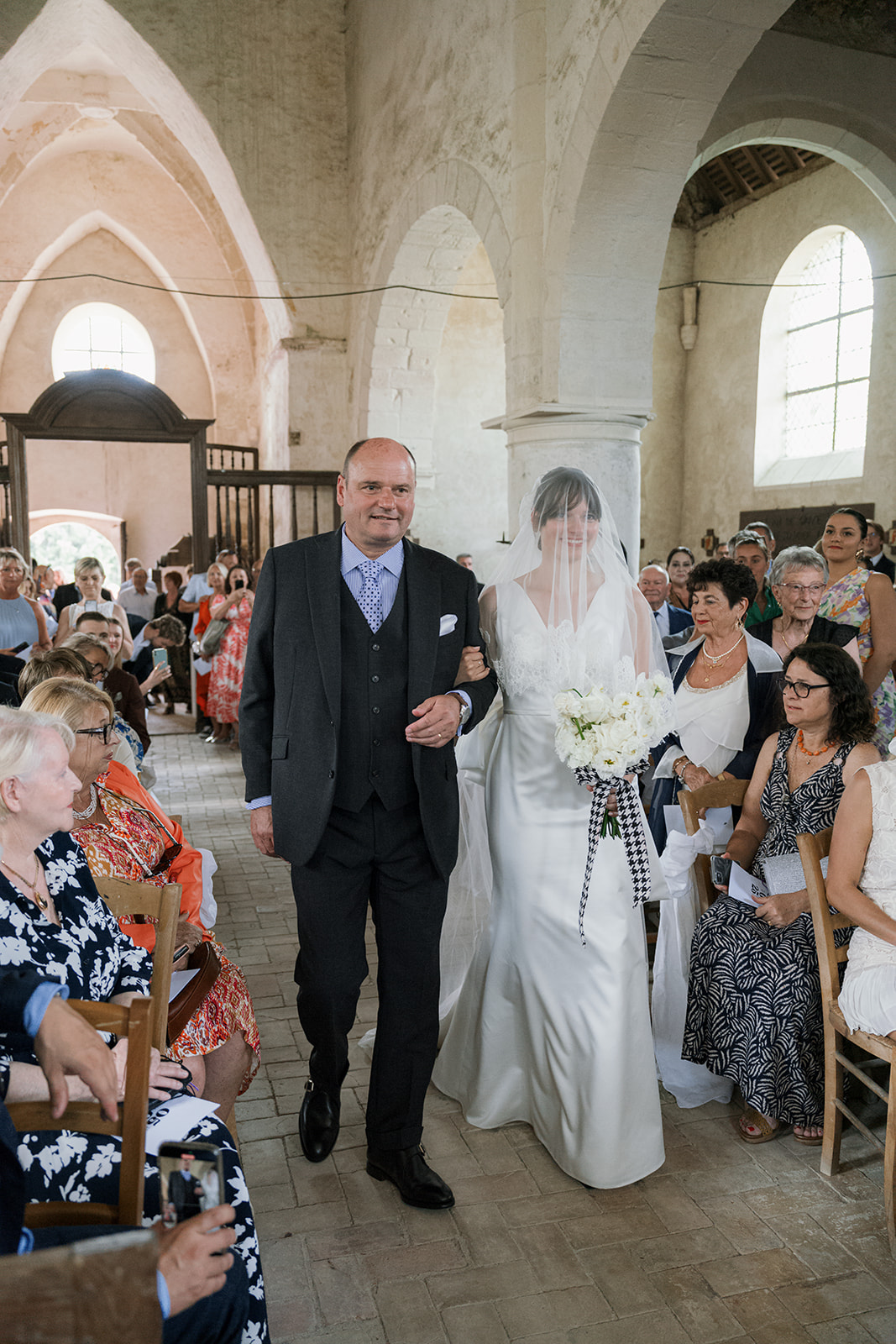
Some brides walk alone, as a statement of independence and self-determination. Some couples have their entire family — parents, siblings, grandparents — form a receiving line along the aisle as the bride passes through the people who shaped her. Some grooms walk their mothers to their seats and then take their place at the altar rather than entering from a side door.
All of these variations are photographically beautiful in different ways. The traditional father-daughter aisle walk, when the relationship between them is genuine and the emotion is real, produces images of extraordinary tenderness. The couple walking toward each other and meeting in the middle produces a moment of genuine symbolic power. Whatever configuration you choose, it will be the walk that begins the ceremony, and it will be one of the most photographed moments of the entire day — so choose the version that is most completely true to who you are.

The Wedding Kiss
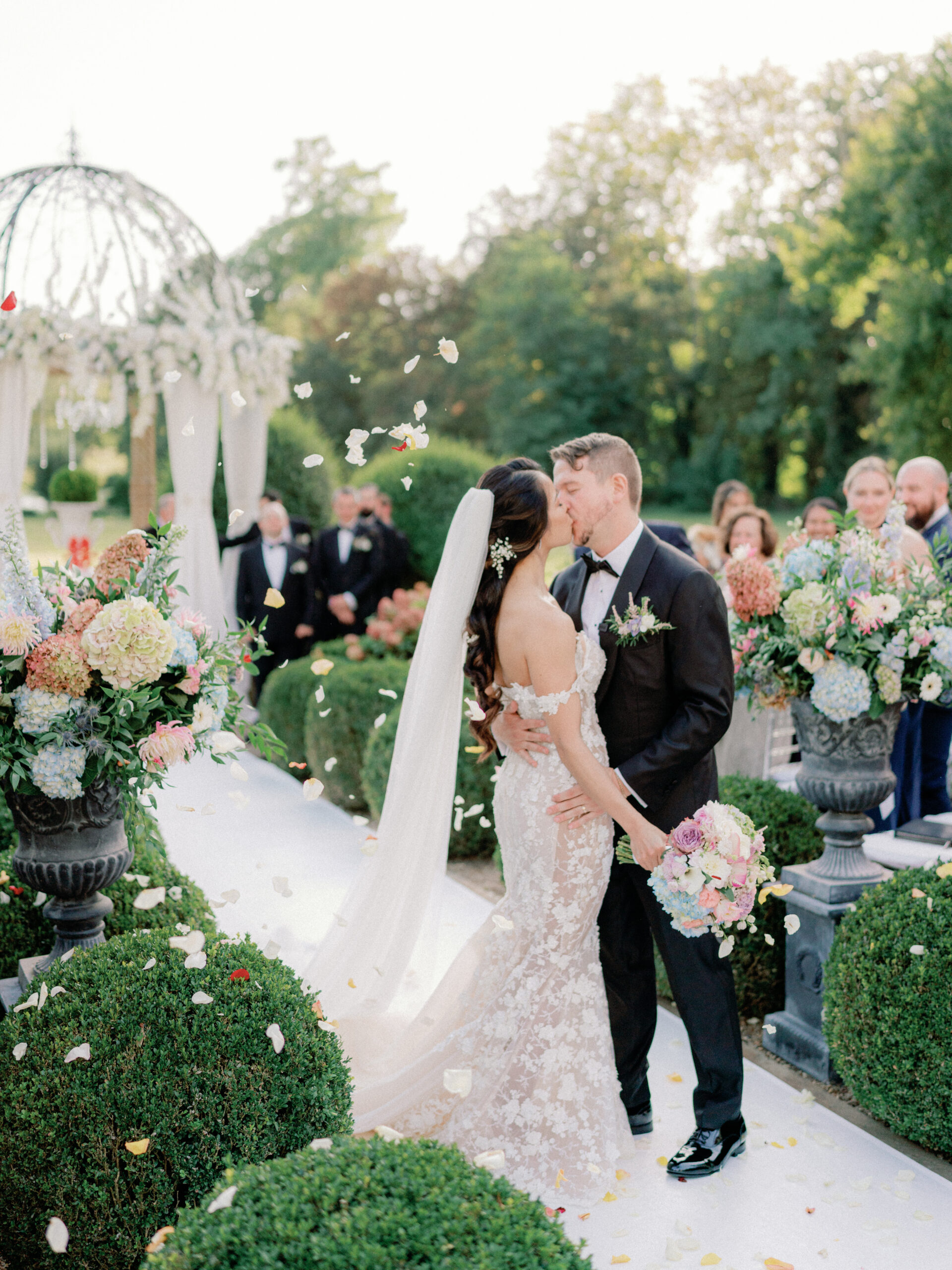
Universally recognized as the ceremonial seal of the marriage vow, the wedding kiss has a history that is simultaneously simpler and more legally specific than its romantic current meaning suggests. In ancient Rome, a kiss was a legal bond — the equivalent of a contractual signature. When two parties reached an agreement, they sealed it with a kiss, making the agreement binding in the eyes of the community. The wedding kiss was, in this context, the legal ratification of the marriage contract rather than a romantic expression — the moment at which the agreement became enforceable.
In the Catholic Church of the medieval period, the “pax” — a ritual peace kiss — was part of the mass, and the wedding ceremony incorporated it as the moment at which the officiant transferred a ceremonial kiss to the groom, who then passed it to the bride. Over centuries this evolved into the direct kiss between bride and groom that the officiant now traditionally sanctions with the phrase “you may now kiss the bride.”
The instruction to “you may now kiss” is also one of the great photographic opportunities of the ceremony, and the image of the first kiss is one of the most important photographs of the wedding day. From a photography standpoint, I always position for the kiss in the direction that gives the best light and the clearest sightline, and I always encourage couples to make the kiss a genuine moment rather than a performative gesture.
The kisses that produce the most beautiful photographs are the ones that the couple is genuinely present for — not rushed, not self-conscious, not performed for the crowd. Just two people who just got married, kissing each other for the first time as husband and wife, in whatever way feels naturally like them.


The Honeymoon
The honeymoon as a travel tradition is a relatively recent invention — the word itself appears in English from approximately the 1540s, but its early meaning was entirely different from its modern one. The “honey” referred to the sweetness of the new marriage, and the “moon” referred to the lunar month — the understanding being that the sweetness of a new marriage, like the honey moon, waxes full and then wanes, and that couples should enjoy the sweetness of early marriage with realistic expectations about what follows. It was not a recommendation for romantic travel but a somewhat cautionary observation about the impermanence of early infatuation.
The tradition of the post-wedding trip developed gradually through the 19th century, when improvements in transportation made travel more accessible and when the Victorian emphasis on romantic love as the foundation of marriage made the post-wedding holiday a natural expression of the couple’s bond. The specific expectation that honeymooners travel to a romantic or exotic destination is largely a 20th-century development driven by the travel industry’s recognition of a captive and romantically motivated market.
Today the honeymoon takes virtually every form imaginable — from a weekend in a nearby city to a month-long journey through multiple countries. What remains consistent across all of its forms is the original underlying intention: a period of dedicated time, set aside from ordinary life, for two people who just made the most significant commitment of their lives to simply be together and begin the practice of being married. Whatever form that takes for you, it is worth protecting.
Honoring Tradition & Choosing Your Own
After seventeen years of photographing the full range of how couples approach tradition — from the most observant to the most inventive — the pattern I notice most consistently is this: the couples who are most at peace with their wedding day choices are the ones who made those choices deliberately. They kept the traditions they genuinely wanted, modified the ones that needed modification to fit their values and their story, and set aside the ones that did not belong to them without apology or explanation.
No tradition is mandatory. Every tradition is a choice. And the most meaningful version of any tradition is the one that the couple has chosen consciously — understanding where it came from, deciding what it means to them, and incorporating it into their day because it is genuinely theirs and not simply because it has always been done.
The wedding photographs that I find most powerful and most lasting — the ones that couples return to again and again across the years — are almost always the ones that capture something genuinely specific to that particular couple and that particular day. Not the generic ceremony shot but the grandmother’s face when the bride walked past her. Not the posed first dance but the groom whispering something that made the bride laugh in the middle of it. Not the perfect bouquet toss but the moment when the whole crowd simultaneously reached for the flowers and everyone was genuinely, spontaneously delighted.
Those moments happen within traditions that the couple made their own. They are specific because the couple was specific about what they wanted and why. And they are the photographs that last.
If you are planning your wedding and want to talk through how to structure your day to capture the moments — traditional or original — that matter most to you, reach out through my contact page. This is one of my favorite conversations to have with couples in the planning process, and I would love to be part of yours.